
Soups & Stews
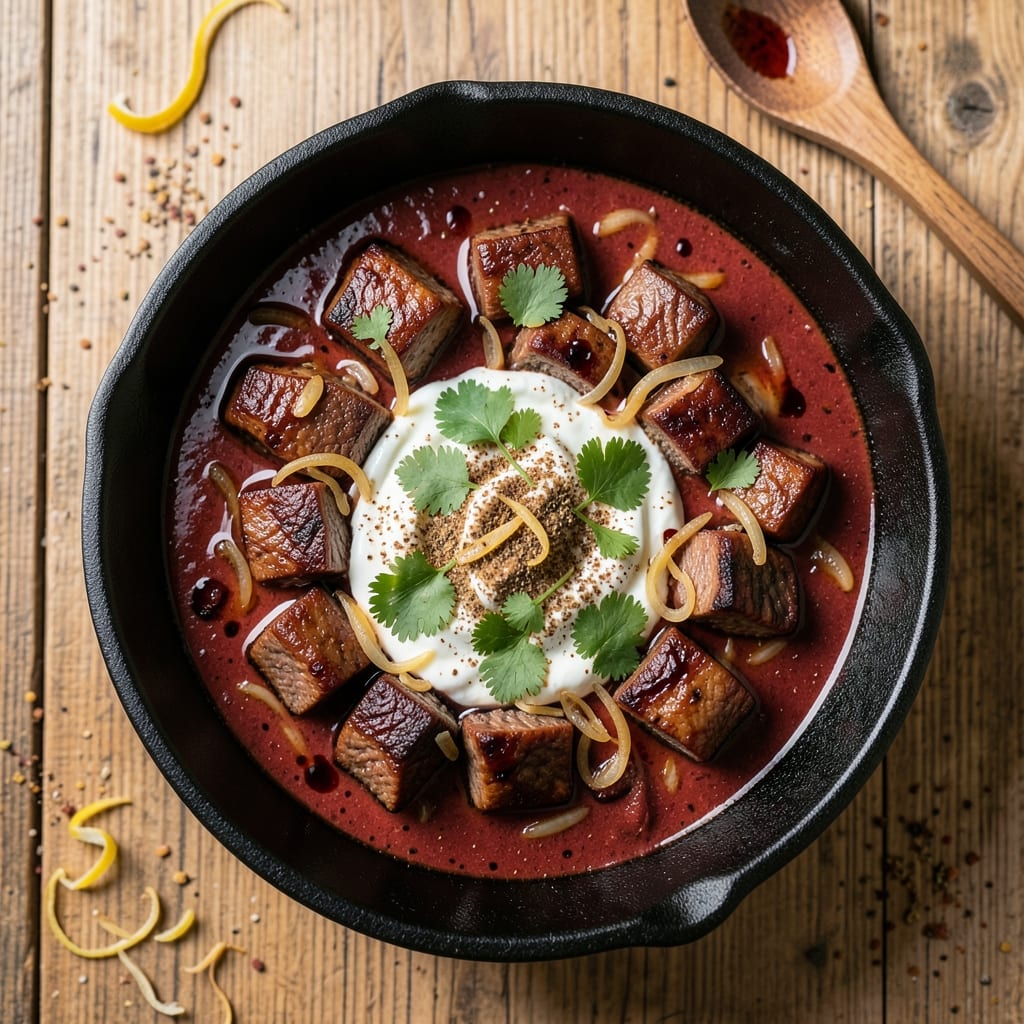
This Anglo-Indian beef stew recipe brings the rich, spiced flavors of colonial-era India to your kitchen, where tender beef simmers in a fragrant blend of yogurt, wine, and aromatic spices. The marriage of British and Indian culinary traditions creates a dish that's both hearty and deeply flavorful—a perfect balance of tangy, sweet, and savory notes. I developed this recipe after years of perfecting the slow-cooked technique that transforms tough cuts into melt-in-your-mouth perfection, all while preserving the dish's cultural roots.
The secret to this stew lies in its layered flavors: a yogurt marinade tenderizes the beef while adding a subtle tang, while red wine and vinegar create a deep, complex base. Warm spices like cinnamon, cloves, and garam masala infuse the broth with warmth, while fresh herbs brighten the dish at the end. What sets this apart is the slow simmering process, which allows the spices to meld and the beef to become fork-tender without drying out.
By the time you serve this stew, you'll have a rich, velvety sauce clinging to perfectly cooked beef, with every bite offering a symphony of flavors—spiced, tangy, and deeply satisfying. The aroma alone will fill your home with warmth, making it an ideal dish for chilly evenings or special gatherings. Serve it with crusty bread, fluffy naan, or steamed basmati rice to soak up every last drop of that luxurious sauce.
This recipe is designed to be both authentic and approachable, so you can recreate the flavors of a bygone era without sacrificing ease. The result is a dish that feels like a hug in a bowl—comforting, flavorful, and impossible to resist. Let's get started on creating this timeless classic.
Ingredients for anglo indian beef stew
Spiced yogurt, rich wine, and tender beef—this stew brings colonial-era India to your kitchen.
| Ingredient | Amount | Notes |
|---|---|---|
| Beef Chuck Roast 🥩 | 2 ½ lb | Cut into 1.5-inch cubes |
| Plain Yogurt 🥛 | 1 cup | Full-fat for richness |
| Dry Red Wine 🍷 | 1 cup | Bold variety like Cabernet |
| Red Wine Vinegar 🍶 | 2 tbsp | For tangy depth |
| Garam Masala 🌶️ | 1 ½ tsp | Freshly ground preferred |
| Ground Cumin 🌿 | 1 tsp | Toasted for warmth |
| Ground Coriander 🍃 | 1 tsp | Bright citrusy flavor |
| Cinnamon Sticks 🌿 | 2 whole | For aromatic infusion |
| Cloves 🌶️ | 4 whole | Lightly crushed |
| Cardamom Pods 🌿 | 4 whole | Lightly crushed |
| Onions 🧅 | 1 ½ cups | Finely chopped, yellow or red |
| Garlic Cloves 🧄 | 6 cloves | Minced for aromatic base |
| Carrots 🥕 | 1 ½ cups | Peeled, sliced into rounds |
| Potatoes 🥔 | 1 ½ cups | Yukon gold, cubed |
| Fresh Ginger 🌿 | 1 tbsp | Finely grated, fresh |
| Fresh Cilantro 🌿 | ¼ cup | Chopped, for garnish |
| Olive Oil 🫒 | 2 tbsp | Extra-virgin for richness |
| Salt 🧂 | 1 ½ tsp | Kosher or sea salt |
| Black Peppercorns 🌶️ | 1 tsp | Freshly cracked |
The beef is everything here. Chuck roast is your best bet for that melt-in-your-mouth texture—sirloin or ribeye won't cut it. Cut it into even 1.5-inch cubes so it cooks uniformly. I always grab mine from Costco when I'm doing a big batch, but the regular supermarket chuck works just fine. For the yogurt, full-fat Greek-style makes the sauce richer—skip the non-fat, trust me. As for wine, any bold red will do, but Cabernet Sauvignon or Merlot are classic choices. If you're using a dry red, save the leftovers for another use—this recipe drinks it all up.
No garam masala? Mix 1/2 tsp each cumin, coriander, cinnamon, and cardamom as a substitute. Fresh ginger is ideal, but ground ginger at half the amount works in a pinch. The potatoes can be swapped for sweet potatoes if you prefer, though Yukon golds have that perfect creaminess. Carrots? Baby carrots are fine, but whole carrots peeled and sliced give you more control. The onions and garlic are the aromatic base—don't skip the slow sauté here, or you'll miss out on all that sweetness. And if you're short on fresh cilantro, dried cilantro at one-third the amount adds a similar brightness.
This stew tastes even better the next day—plan ahead! The sauce thickens as it sits, so add a splash of water or wine if it gets too thick when reheating. Keeps for 4-5 days in the fridge, or 3 months frozen. I like to portion it into containers so I can grab a bowl for lunch all week. The spices mellow out over time, so the flavor actually improves with storage. Garnish with fresh cilantro right before serving, or save it for later—it'll keep in the fridge for 1 week wrapped in a damp paper towel.
Why You'll Love This Recipe
- One-Pot Magic: I swear by this recipe when I’m too tired to wash pots—just brown the beef, toss in the wine and yogurt, and let it simmer. The garam masala does all the work while I scroll through my phone.
- Wine & Spice Bomb: That dry red wine cuts through the richness of the beef, while the yogurt keeps it silky. Add garam masala? Suddenly, it’s got depth—like a hug from an Indian grandma and a French bistro rolled into one.
- Leftovers That Shine: Between us, this stew tastes better the next day. I make a double batch on Sundays, freeze half, and pull it out for lazy nights—no reheating drama, just pure satisfaction.
- Budget Beef Upgrade: A chuck roast is cheap, but the wine and yogurt make it feel fancy. Honestly, it’s my go-to for feeding a crowd without breaking the bank—plus, the vinegar keeps it bright, so no one guesses it’s budget-friendly.
Step-by-step instructions for Anglo-Indian beef stew
Here's how to create a rich, aromatic stew that blends bold Indian spices with classic European braising techniques.
Sear the Beef for Deep Flavor
Heat the 2 tablespoons olive oil in a heavy Dutch oven over medium-high heat until shimmering. Working in batches to avoid crowding, add the 2.5 lb beef chuck roast cut into 1.5-inch cubes and sear for 3-4 minutes per side until deeply browned. This step develops the Maillard reaction, creating that fundamental beefy flavor that carries through the entire stew.
As you sear, I like to press down gently on the beef with a spatula during the first minute—this prevents it from curling and ensures even contact with the pan. Once all the beef is browned, remove it from the pot and set it aside. You'll notice the pan will have some beautiful browned bits stuck to the bottom—those are pure flavor, so don't scrape them out yet.
Build the Aromatic Base
In the same Dutch oven, add the 1.5 cups finely chopped onions and cook over medium heat for 5-6 minutes until softened and golden. Add the 6 cloves minced garlic and 1 tablespoon freshly grated ginger, cooking for another 1 minute until fragrant. This aromatic base forms the flavor foundation of your stew.
Here's where the spices come in—add the 2 whole cinnamon sticks, 4 lightly crushed cloves, and 4 lightly crushed cardamom pods along with the 1.5 teaspoons garam masala, 1 teaspoon ground cumin, and 1 teaspoon ground coriander. Stir everything together for 30 seconds to toast the spices slightly, releasing their essential oils and deepening their flavors. You'll smell that wonderful spice symphony building—this is the moment that matters.
Deglaze and Simmer the Stew
Pour in the 1 cup dry red wine and 2 tablespoons red wine vinegar, scraping up all those browned bits from the bottom of the pot with a wooden spoon. This deglazing step captures all that concentrated beef flavor. Let the liquid simmer for 3-4 minutes until reduced by about half, intensifying the flavors.
Stir in the 1 cup plain yogurt, being careful not to let it curdle. The yogurt will add a creamy richness and help tenderize the beef. Add the 1.5 teaspoons salt and 1 teaspoon freshly cracked black peppercorns, then return the beef to the pot. The stew should be bubbling gently—if not, increase the heat slightly to maintain a steady simmer.
Braise Until Tender
Add the 1.5 cups sliced carrots and 1.5 cups cubed potatoes to the stew. Cover the pot and reduce heat to low, then let it simmer gently for 1 hour 15 minutes to 1 hour 30 minutes. The stew should be bubbling very softly—if it's boiling vigorously, reduce the heat further. This long, slow braise is what transforms tough beef into fork-tender pieces.
After about 1 hour, check the beef for tenderness. It should be fork-tender with just a slight resistance. If not, continue simmering for another 15-30 minutes. The potatoes should be tender when pierced with a fork, and the carrots should be soft but still holding their shape. If the stew looks too thick, add ½ cup water to loosen it to your desired consistency.
Finish and Serve
Once the beef is perfectly tender, remove the cinnamon sticks and whole spices. Stir in the 0.25 cup chopped fresh cilantro and adjust the seasoning if needed—this is your chance to taste and perfect the balance of flavors. The stew should be rich, aromatic, and perfectly seasoned with a balance of spice and acidity.
Let the stew rest for 10 minutes before serving to allow the flavors to meld even more. Ladle the stew into bowls and serve with crusty bread or steamed basmati rice. Each spoonful should deliver tender beef, sweet carrots, creamy potatoes, and that complex spice-wine-yogurt sauce that makes this stew so special. The aroma alone will have everyone gathering around the table!
Pro Tips For Making Anglo Indian Beef Stew
- Sear the Chuck Roast Hard: I learned this the hard way—skipping a deep sear means your stew will taste more like simmered beef than rich, caramelized flavor. Get your pan screaming hot (I’m talking smoke-test level) and let that roast brown for 8–10 minutes per side before deglazing with wine. The crust locks in juices and builds depth that no slow simmer alone can match.
- Strain the Yogurt: Whole-milk yogurt with lumps? That’s how you end up with a stew that looks like cottage cheese soup. Press your yogurt through a fine-mesh sieve or cheesecloth for 15 minutes before adding it to the pot—this gives you a silky, stable base that won’t curdle when the stew heats up. (Yes, even if you’re impatient like me.)
- Deglaze with Vinegar First: That red wine vinegar isn’t just for acidity—it cuts through the wine’s tannins and pulls flavors off the pan better than wine alone. Add 2 tablespoons of vinegar to the hot pan before the wine, let it bubble for 30 seconds, then pour in the wine. The stew’s brightness will thank you.
- Add Garam Masala Late: I used to toss this in at the start, and the spices just dissolved into nothingness. Sprinkle half of the garam masala in the last 10 minutes of cooking, and reserve the rest to finish the stew. The heat will wake up the spices without burning them, giving you that warm, aromatic punch right when you serve it.
Regional styles of this anglo indian beef stew
Colonial-Era British Roots
The Anglo-Indian beef stew traces its origins to the British colonial era in India, where British soldiers and officials adapted local spices to their hearty stew traditions. The dish evolved from traditional British beef stews by incorporating Indian spices like garam masala and yogurt—a fusion that created the perfect balance of richness and warmth. I've always loved how this stew reflects the cultural exchange of that time, blending British slow-cooking techniques with Indian aromatic spices. 🌍
The British influence is clear in the use of red wine and vinegar, which were staples in colonial kitchens, while the yogurt and garam masala bring that distinctly Indian touch. This stew was often served at grand colonial gatherings, where it would be simmered for hours to tenderize the beef perfectly. The result is a dish that feels both nostalgic and deeply comforting.
North Indian Punjab Style
In Punjab, this stew is often called "Dhaba-style beef stew," named after the roadside restaurants where it became a staple. The Punjabi version emphasizes a richer, creamier sauce by adding a splash of heavy cream at the end. I like to use ½ cup heavy cream in the final 10 minutes of cooking to achieve that luxurious texture. The dish is typically served with butter naan or roti to soak up every bit of the sauce.
Punjabi cooks often include fenugreek leaves (kasuri methi) for an earthy depth, which I recommend adding in the last 5 minutes of cooking. The leaves should be finely chopped and stirred in gently to preserve their delicate flavor. This regional twist adds a layer of complexity that makes the stew even more satisfying.
South Indian Twist
In South India, particularly in Kerala and Tamil Nadu, this stew takes on a lighter, more aromatic profile. The key difference is the use of coconut milk instead of yogurt, which adds a subtle sweetness and creaminess. I substitute ½ cup coconut milk for the yogurt and add 1 tsp grated coconut to the spice mix for an authentic touch. The dish is often finished with a sprinkle of curry leaves, which infuse the stew with a distinctive aroma.
South Indian cooks also prefer to use tender lamb or goat meat instead of beef, but if you're sticking with beef, the coconut milk creates a beautifully balanced sauce. The stew is typically served with steamed rice and a side of appam (fermented rice pancakes) for dipping. This version is lighter yet equally flavorful, perfect for warmer climates.
Modern Anglo-Indian Adaptations
Today, modern chefs are reimagining this classic stew with contemporary twists. One popular variation is the addition of tomato paste (about 2 tbsp) during the deglazing step, which adds a touch of sweetness and acidity that balances the richness. Another trend is using bone-in beef short ribs instead of chuck roast for even more depth of flavor. The bones infuse the broth with gelatin, creating a naturally thicker sauce.
For a vegetarian version, many chefs use mushrooms and chickpeas to mimic the texture of beef. I like to add 1 cup sliced mushrooms and 1 can chickpeas along with the potatoes. The mushrooms absorb the flavors beautifully, while the chickpeas add a satisfying heartiness. This adaptation keeps the essence of the dish while making it accessible to more diets.
Regional Spice Variations
Each region of India brings its own unique spice blend to this stew. In Hyderabad, cooks often include black cardamom for a smoky depth, while in Bengal, mustard seeds are toasted first to add a nutty crunch. For a Hyderabad-inspired version, add 2 pods black cardamom (lightly crushed) along with the other spices. In Bengal, start by heating 1 tsp mustard seeds in the oil before adding onions.
For a Goan twist, use fennel seeds and coriander seeds toasted together in the oil for a warm, slightly sweet flavor. I like to toast 1 tsp each fennel and coriander seeds in the oil until fragrant, then grind them lightly with a mortar and pestle before adding to the onions. This regional variation adds a unique complexity that sets it apart from the classic recipe.
Nutrition facts
Frequently asked questions
Can I substitute regular yogurt for Greek yogurt in this recipe?
You can use regular yogurt, but Greek yogurt adds more creaminess and thickness to the sauce. If using regular yogurt, stir in 1 tablespoon cornstarch with the yogurt to help thicken the sauce during simmering. The flavor will be slightly less rich, but still delicious.
How do I know when the beef is fully tender?
Use a fork to check the beef after 1 hour of simmering. It should easily pierce through without resistance. If it's still slightly firm, continue cooking for another 15-30 minutes. The potatoes should also be fork-tender when done.
Can I make this stew in a slow cooker?
Sear the beef first, then transfer everything to a slow cooker. Cook on low for 7-8 hours or high for 4-5 hours. The slow cooker's gentle heat will create the same tender results. Just add the fresh cilantro at the end to keep it vibrant.
What's the best way to reheat leftovers?
Reheat gently on the stove over low heat with a splash of water or wine to loosen the sauce. Avoid microwaving as it can make the sauce watery. If the stew thickens too much, stir in 1-2 tablespoons of water or beef broth while reheating.
Can I use a different cut of beef?
While chuck roast is ideal, you can use brisket or short ribs for extra richness. Avoid lean cuts like sirloin as they won't become tender. If using ribs, increase cooking time by 30-45 minutes to ensure full tenderness.