
Soups & Stews
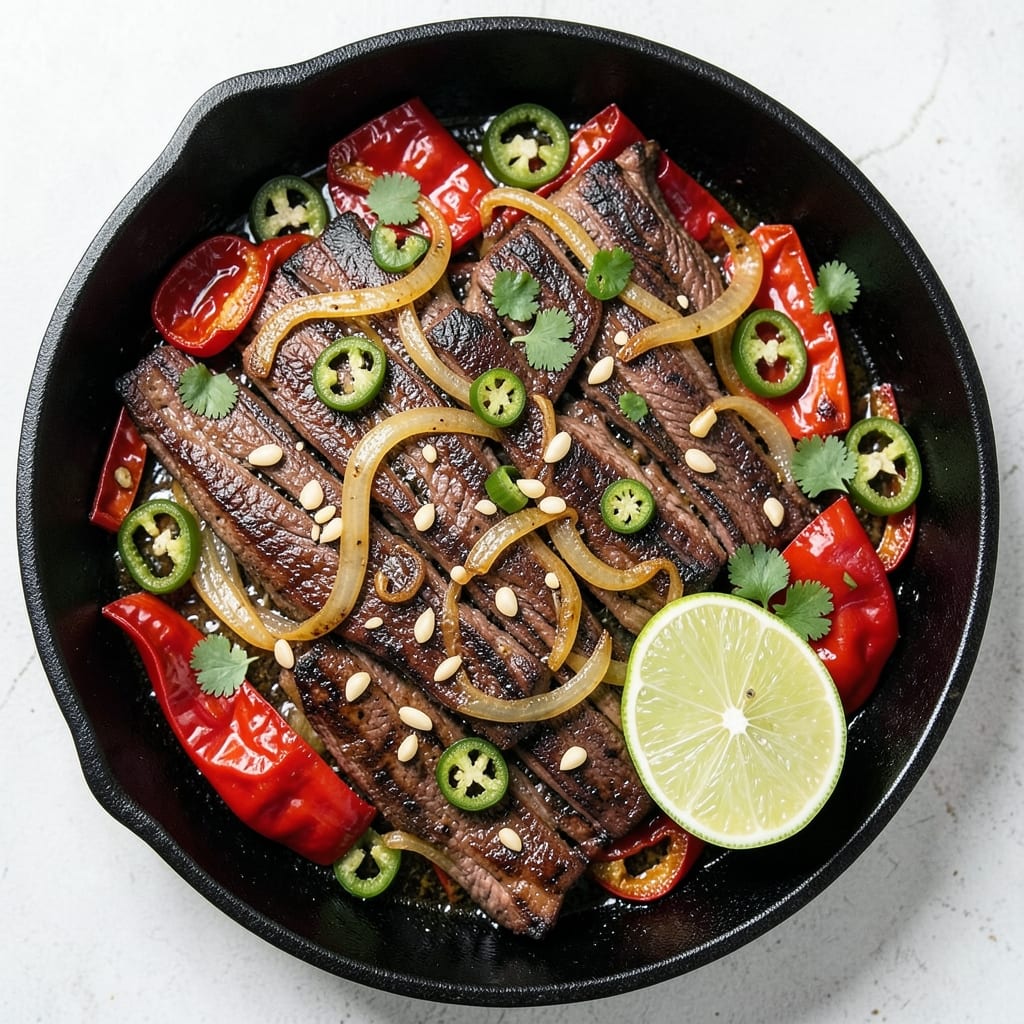
This angus beef fajitas recipe delivers restaurant-quality flavor with tender skirt steak and perfectly charred peppers—all achieved in under 30 minutes. The secret lies in marinating the beef overnight, which transforms tough cuts into melt-in-your-mouth strips, while high-heat grilling creates that signature smoky crust. Whether you prefer classic grilled peppers or sautéed onions, this method ensures bold, balanced flavors in every bite.
The beauty of this recipe is its versatility—you can grill the beef on an outdoor grill for that authentic smoky flavor or sear it in a cast-iron skillet for a quick indoor solution. The peppers and onions caramelize beautifully, adding sweetness that pairs perfectly with the rich, savory beef. Serve with warm tortillas and your favorite toppings like sour cream, lime wedges, and fresh cilantro for a meal that’s both hearty and refreshing.
What sets this recipe apart is the balance of textures and flavors: tender beef, crisp-tender peppers, and soft tortillas. The marinade infuses the beef with garlic, lime, and spices, while the peppers develop a deep, charred sweetness that’s impossible to resist. This is the kind of dish that brings everyone to the table, whether you’re hosting a casual dinner or a lively gathering with friends.
Once you master this technique, you’ll never settle for store-bought fajita kits again. The results are so impressive, you’ll want to make them weekly. Let’s get started on creating fajitas that taste like they came straight from your favorite Mexican restaurant.
Ingredients for angus beef fajitas
Skirt steak, charred peppers, and bold spices—just 14 ingredients for fajitas that taste like a restaurant favorite.
| Ingredient | Amount | Notes |
|---|---|---|
| Skirt Steak (Angus) 🥩 | 1 ½ lb | Thinly sliced against grain |
| Bell Peppers (Mixed Colors) 🌶️ | 3 whole | Stripped into 1-inch pieces |
| Yellow Onion 🧅 | 1 whole | Sliced into 1/4-inch strips |
| Lime 🍋 | 2 whole | Juiced, zest reserved |
| Garlic Cloves 🧄 | 6 cloves | Minced for marinade |
| Olive Oil 🫒 | ½ cup | Extra-virgin preferred |
| Cumin 🌿 | 1 tbsp | Ground, toasted |
| Chili Powder 🌶️ | 1 tbsp | Smoked variety |
| Salt 🧂 | 1 ½ tsp | Kosher or sea salt |
| Black Pepper 🌶️ | ½ tsp | Freshly ground |
| Corn Tortillas 🌽 | 8 whole | Warm for serving |
| Cilantro 🌿 | ¼ cup | Chopped, for garnish |
| Sour Cream 🥛 | ½ cup | For serving |
| Avocado 🥑 | 1 whole | Sliced, for serving |
The skirt steak is the star here, so pick up a quality cut—Angus delivers that perfect marbling and tenderness. Costco or Whole Foods usually have excellent options, but even your local butcher can point you to a good one. Look for bright red color and good marbling—those white streaks of fat are what keep the meat juicy. If you can't find skirt steak, flank steak works too, just slice it against the grain. The peppers and onions are simple: grab whatever colors you like—red, green, yellow—but make sure they're firm and free of soft spots. Bell peppers keep for about 1 week in the fridge, so use them up before they get rubbery.
No lime juice? Fresh lemon juice works in a pinch, but lime has that perfect tang. Running short on cumin? Smoked paprika at half the amount gives you some of that depth. The tortillas can be corn or flour—Mission or La Tortilla Factory are reliable brands. For extra flavor, warm them in a dry skillet for 20 seconds per side. The avocado should be slightly soft to the touch (like a ripe peach), not hard or mushy. If it's too firm, let it sit at room temperature for 30 minutes. The cilantro is optional, but I always add it—it brightens up the whole dish. If you hate cilantro, swap in parsley or skip it entirely.
Marinate the beef overnight for best results, but if you're short on time, 2 hours minimum still works. The peppers and onions keep well in the fridge for 5 days if you prep them ahead. Store the cooked beef separately from the veggies to keep everything crisp. Tortillas freeze beautifully—just thaw and warm in a dry skillet. The whole meal reheats well, but avocado and cilantro are best added fresh. For leftovers, portion into containers with a little extra marinade to keep everything moist. These fajitas are even better the next day—trust me, I always make extra.
Why You'll Love This Recipe
- One-Pan Magic: I swear by this recipe because it’s all about minimal cleanup. Sear the skirt steak, toss in sliced peppers and onions, and let the garlic and lime work their magic—no extra pans, no stress. Just one sheet pan, one spatula, and you’re done.
- Caramelized Edge: That crispy, smoky crust on the steak? Chef’s kiss. The high-heat sear locks in flavor while the peppers soften just enough to melt into the meat—sweet, charred, and perfectly tender. (Yes, even my picky teenager asks for seconds.)
- Weeknight Crowd-Pleaser: Between us, this feeds six but costs less than takeout. Double the batch, pack leftovers for lunches, or serve it at game day—it’s the kind of dish that disappears fast, no matter who’s eating it.
- Lime’s Secret Weapon: Honestly, the lime juice is what ties it all together. A quick squeeze brightens the rich beef and cuts through the smokiness, making every bite feel fresh. And since it’s just a few ingredients, I never run out of excuses to make it.
Step-by-step instructions for sizzling skirt steak with charred peppers
Here's how to transform tender Angus beef and vibrant vegetables into restaurant-worthy fajitas.
Marinate the Skirt Steak for Maximum Flavor
In a large bowl, combine the 1.5 lb skirt steak (Angus), sliced thinly against the grain, with the 0.5 cup olive oil, 1 tbsp cumin, 1 tbsp chili powder, 1.5 tsp salt, 0.5 tsp black pepper, and all 6 cloves garlic, minced. Mix gently but thoroughly to coat the beef evenly. Add the juice from 2 whole lime and toss again. Let the steak marinate for at least 30 minutes—this ensures deep, smoky flavor penetration. For best results, marinate for up to 4 hours in the refrigerator.
I like to use my hands for this step, massaging the marinade into the meat so every slice gets coated. The lime juice tenderizes the beef while adding a bright contrast to the rich, spiced flavors. If you're short on time, even 15 minutes of marinating will make a noticeable difference.
Prep and Char the Vegetables
Cut the 3 whole bell peppers (mixed colors) into 1-inch strips and the 1 whole yellow onion into ¼-inch strips. In a large skillet over high heat, add the vegetables and let them char slightly before stirring. Cook for 5-7 minutes, stirring occasionally, until the edges are deeply browned and blistered. Remove the vegetables and set aside—they'll continue cooking when you add them back to the pan.
This charring step is what gives fajitas that signature smoky depth. Don't rush it—you want those vegetables to develop a caramelized crust. If your pan isn't hot enough, you'll end up with steamed peppers instead of charred ones. I usually work in batches if needed, but a large skillet should handle all the vegetables at once.
Cook the Skirt Steak to Perfect Tenderness
In the same skillet (no need to clean it—the fond adds flavor), add the marinated steak in a single layer. Cook over high heat for 2-3 minutes per side, until the steak develops a deep brown crust and reaches medium-rare (around 130-135°F internal temperature). The steak should be slightly charred but still tender—skirt steak cooks quickly, so don't walk away.
Here's the thing—skirt steak is lean and cooks fast. If you overcook it, you'll end up with tough, chewy meat. Use a meat thermometer for accuracy, or cut into a small piece to check doneness. Once cooked, remove the steak and let it rest for 5 minutes before slicing against the grain into thin strips. This resting period keeps the juices inside the meat.
Combine and Finish with Fresh Aromatics
Return the charred vegetables to the skillet with the sliced steak. Add the reserved lime zest and toss everything together for 1-2 minutes to heat through. The residual heat in the pan will finish cooking the vegetables while infusing them with the steak's juices. Taste and adjust seasoning with a pinch more salt if needed.
While the fajitas cook, warm the 8 whole corn tortillas on a dry skillet or in a tortilla press. Keep them covered to stay soft. Garnish the fajitas with 0.25 cup chopped cilantro and serve with 0.5 cup sour cream and slices of the 1 whole avocado on the side for a creamy, fresh contrast.
Pro Tips For Making Angus Beef Fajitas
- Slice Against the Grain: I learned this the hard way—thinly slicing skirt steak with the grain makes it chewy. Cut perpendicular instead, and those fibers turn tender in minutes. Use a sharp knife and aim for paper-thin strips about ¼-inch wide—this is non-negotiable for fajitas.
- Char the Peppers First: Start your peppers and onions in the same pan before the steak, and let them blister until blackened in spots. That deep, smoky flavor is what transforms a simple veggie side into the star of the dish. Skip this, and you’re missing half the taste—trust me, I’ve done it.
- Salt the Steak Twice: Don’t just season before cooking—after the initial sear, sprinkle another layer of salt while the steak rests. This guarantees the crust stays intact and the meat absorbs moisture instead of drying out. I used to skip the second round, and the results were always a little sad.
- Use the Lime Juice Early: Squeeze half the lime over the raw steak before it hits the pan. The acid breaks down the meat fibers slightly, making it more tender and preventing it from shrinking into a tough puck. Save the rest for finishing—this isn’t the time to be shy with citrus.
Serving suggestions for this recipe
Warm Tortilla Stack
Serve fajitas with a warm tortilla stack—the key to perfect texture. I like to warm 8 corn tortillas in a dry skillet over medium heat for 20 seconds per side, just until pliable. Keep them wrapped in a clean kitchen towel to prevent drying. For extra authenticity, use a tortilla press—it creates that perfect, restaurant-style softness. 🌽
Toppings Bar
Set up a toppings bar with all the fixings. I always include ½ cup sour cream, 1 sliced avocado, ¼ cup chopped cilantro, lime wedges, and pickled jalapeños for heat. Add shredded cheese (like Monterey Jack) if you love melty goodness. Let guests customize their plates—it makes fajitas feel like a fun, interactive meal.
Fresh Salsa Drizzle
A homemade pico de gallo elevates fajitas to the next level. Mix 1 cup diced tomatoes, ¼ cup chopped red onion, 2 tbsp chopped cilantro, 1 jalapeño (seeded and minced), and the juice of 1 lime. Drizzle it over the fajitas before serving for a bright, tangy contrast. Store-bought salsa works too—just pick one with no added sugar. 🌶️
Side Salad Pairing
Balance the richness with a crisp side salad. Toss 4 cups mixed greens (like romaine and spinach) with 2 tbsp lime vinaigrette (olive oil, lime juice, salt, and pepper). Add ½ cup black beans and ¼ cup crumbled cotija cheese for protein and texture. This keeps the meal light and refreshing.
Drink Pairings
For drinks, I reach for Mexican lager like Modelo Especial or Corona—the crisp, clean flavor cuts through the smoky fajitas. For a non-alcoholic option, sparkling limeade (mix sparkling water, lime juice, and honey) is refreshing. A margarita (classic or spicy) is always a crowd-pleaser too. 🍹
Nutrition facts
Frequently asked questions
Can I use flank steak instead of skirt steak for fajitas?
Yes! Flank steak works perfectly—it's just as flavorful and tender when sliced against the grain. The key is to slice it thinly (about ¼-inch thick) and marinate it for at least 2 hours (overnight is best). Flank steak has a slightly different texture but still delivers that smoky, juicy bite when cooked right.
How do I prevent the skirt steak from getting tough?
Always slice the steak against the grain (perpendicular to the muscle fibers) and cook it to medium-rare (130-135°F). Overcooking is the #1 cause of toughness—use a meat thermometer! Also, let the meat rest for 5 minutes after cooking before slicing to lock in juices.
What's the best way to char the peppers and onions?
Use a cast-iron skillet or grill over high heat until the edges are deeply browned (about 5-7 minutes). Stir occasionally to avoid burning—you want caramelized, not burnt. For extra smokiness, grill them directly over flame for 2-3 minutes per side before finishing in the pan.
Can I make fajitas ahead of time?
Cook the beef and vegetables separately, then store them in airtight containers in the fridge for up to 3 days. Reheat gently in a skillet over medium heat—just add a splash of water to keep things moist. Warm tortillas separately to prevent sogginess. The flavors actually improve overnight!
What's the difference between grilled and pan-seared fajitas?
Grilled fajitas get that classic smoky char from open flames, while pan-seared versions develop a deeper caramelized crust in the skillet. For grilling, use a hot gas or charcoal grill. For stovetop, a cast-iron skillet mimics grill marks beautifully—just crank the heat to high and sear quickly.