
Main Courses
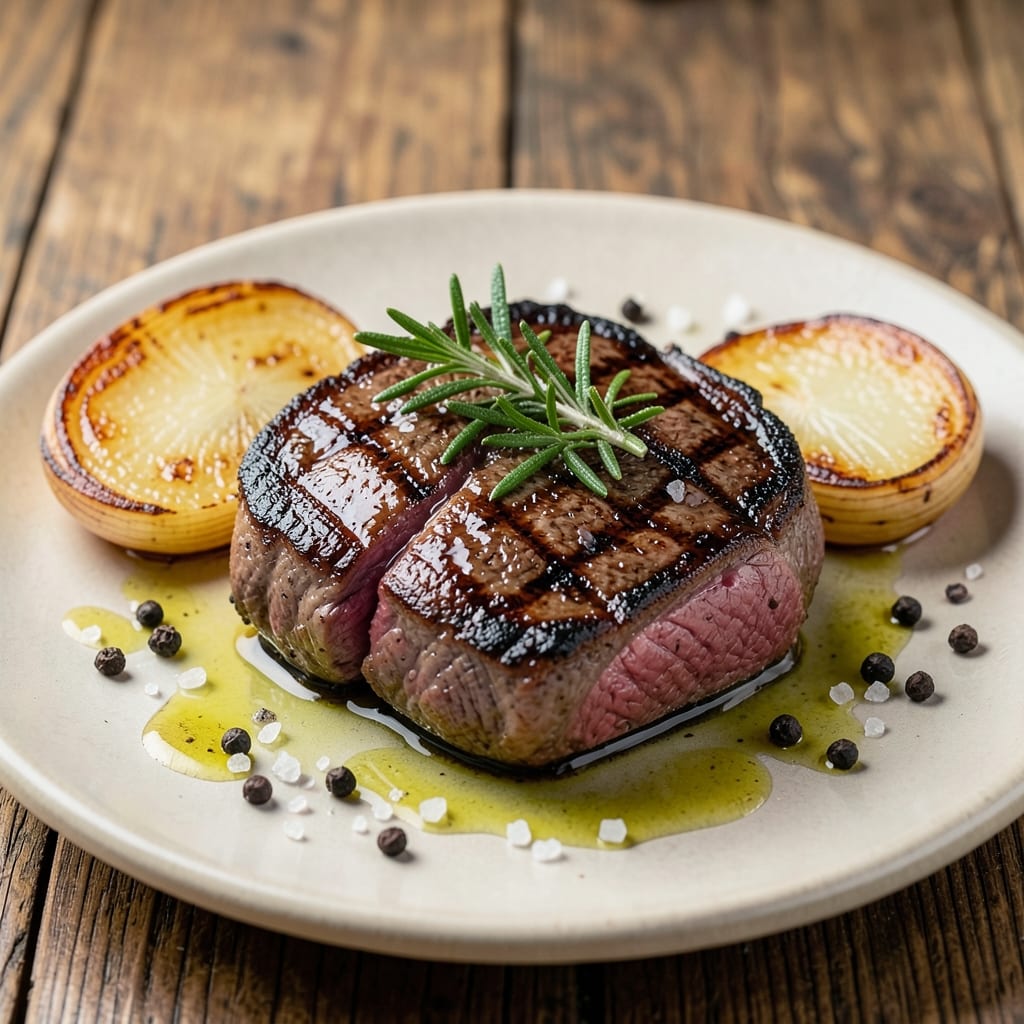
This Angus beef grilling recipe transforms backyard cookouts into restaurant-worthy feasts with just a few key techniques. 🔥 The secret lies in high-heat searing paired with precise internal temperatures—never guessing again. I perfected this method after years of smoking ribs, where patience and timing create that perfect balance of smoky crust and melt-in-your-mouth tenderness.
What sets this recipe apart is the focus on juicy results without overcooking. A simple dry rub with coarse salt and cracked black pepper enhances the beef's natural richness, while a reverse sear method ensures even doneness. Whether you're using charcoal or gas, the same principles apply—just adjust your heat zones like a pro. The resting period is non-negotiable; it's where the magic happens as juices redistribute.
By the time you're done, you'll have steaks with a deep, caramelized crust that gives way to pink centers at 130–135°F—the ideal medium-rare finish. The aroma alone will have your guests anticipating that first bite. This isn't just grilling; it's a celebration of texture and flavor that respects the meat's natural qualities.
Pair with grilled asparagus and a bold red wine reduction for a complete meal. The techniques here work for ribeyes, New York strips, or even flank steak—just adjust your seasoning and cooking times. Let's get started on that perfect grill session.
Ingredients for angus beef grilling
Four key ingredients transform simple grilling into a restaurant-worthy Angus feast.
| Ingredient | Amount | Notes |
|---|---|---|
| Angus Ribeye Steaks 🥩 | 2 lb | 2-inch thick, bone-in preferred |
| Coarse Kosher Salt 🧂 | 1 ½ tbsp | Diamond Crystal preferred |
| Freshly Cracked Black Peppercorns 🌶️ | 1 tbsp | Coarsely cracked, not powdered |
| Extra-Virgin Olive Oil 🫒 | 2 tbsp | For brushing steaks |
| Yellow Onions 🧅 | 1 whole | Cut into 1-inch slices |
| Fresh Rosemary 🌿 | ¼ cup | Chopped, sprigs for garnish |
| Garlic Cloves 🧄 | 6 cloves | Minced for rub |
| Smoked Paprika 🌶️ | 1 tsp | For subtle smokiness |
| Wooden Charcoal or Hardwood Chunks 🔥 | 2 lb | Hickory or oak preferred |
| Butter 🧈 | ½ cup | Unsalted, softened |
| Fresh Thyme 🌿 | ⅛ cup | Chopped, for finishing |
| Balsamic Vinegar 🍷 | 2 tbsp | For finishing drizzle |
The beef is everything here. Angus ribeyes with good marbling are non-negotiable—Costco or local butcher shops carry the best cuts. Look for thick steaks (2 inches) with a vibrant red color, not grayish. I always buy bone-in for extra flavor, but boneless works too. For the rub, Diamond Crystal kosher salt dissolves better than table salt, and fresh cracked pepper has more punch than pre-ground. If you're using a gas grill, preheat to 500°F with wood chunks for that smoky aroma. Charcoal grills give the best sear—just make sure your coals are white-hot before cooking.
No fresh rosemary? Dried works at half the amount, but fresh has that piney aroma that pairs perfectly. Short on time? Skip the onions—they're just for flavor, not essential. The olive oil is for brushing after the sear to keep the crust intact. For that restaurant touch, mix softened butter with minced garlic and thyme to baste the steaks in the last 2 minutes. The balsamic drizzle at the end? Trader Joe's has great quality for a reasonable price—just reduce it slightly first to thicken. If you're using a smoker, keep temps at 225°F for 1 hour before finishing on the grill.
Steaks need to rest 10-15 minutes before slicing—this is where the juices redistribute, so don't skip it. Store leftovers in an airtight container for 3-4 days in the fridge, or freeze for up to 3 months wrapped tightly in foil. The rub keeps well for 2 weeks in a sealed jar, so make extra. For reheating, low heat only—microwaving ruins the texture. I always make a double batch of the garlic butter—it's perfect for toast or grilled veggies too.
Why You'll Love This Recipe
- Two-Ingredient Magic: I swear by this—just salt, pepper, and a ribeye. That’s it. The steak’s natural richness does all the heavy lifting while you focus on getting those perfect grill marks.
- Caramelized Crunch: Between us, the onions are my secret weapon. Slice them thick, grill them alongside the steak, and you get this sweet, smoky caramelization that turns every bite into a flavor party.
- Weekend or Weeknight: This recipe doesn’t care what’s on your calendar. Throw it on the grill for a summer BBQ or sear it in a cast-iron pan for a Tuesday night win. Same effort, different vibes.
Step-by-step instructions for grilling Angus ribeye steaks
Here's how to achieve that perfect smoky crust and juicy heart every time.
🔥 Step 1: Prep the Steaks for Maximum Flavor
Take the 2 lb Angus Ribeye Steaks out of the fridge and let them sit at room temperature for 30 minutes before grilling. This ensures even cooking. Pat them completely dry with paper towels—moisture is the enemy of that beautiful crust we're after.
In a small bowl, combine the 1.5 tbsp Coarse Kosher Salt, 1 tbsp Freshly Cracked Black Peppercorns, 6 cloves Garlic Cloves (minced), 1 tsp Smoked Paprika, and 0.25 cup Fresh Rosemary (chopped). Rub this mixture all over the steaks, pressing firmly so it adheres well. Let them rest for another 10 minutes—this helps the seasoning penetrate and develop that deep flavor.
🔥 Step 2: Set Up Your Charcoal Grill for Perfect Heat
While the steaks rest, set up your grill using the 2 lb Wooden Charcoal or Hardwood Chunks. I like to use a two-zone fire—pile all the charcoal on one side to create direct heat for searing, and leave the other side clean for indirect cooking. Let the grill heat up for 15-20 minutes until you see those medium-hot coals glowing red.
Brush the grates thoroughly with the 2 tbsp Extra-Virgin Olive Oil using a folded paper towel—this prevents sticking and adds extra flavor. When the grill is ready, you should be able to hold your hand about 4-5 inches above the grates for 4-5 seconds before pulling away. That's your perfect medium-high heat zone.
🍳 Step 3: Sear the Steaks for a Perfect Crust
Place the steaks on the hot grates over the direct heat zone. Sear for 4-5 minutes per side for medium-rare, until you see beautiful deep brown crust forming and the internal temperature reaches 130-135°F on a meat thermometer. Press down gently on the steaks during the first minute—this prevents them from curling and ensures even contact with the grates.
Here's the thing—I like to move the steaks to the indirect heat zone after the initial sear. This lets them cook through gently without overcooking the outside. You'll know they're done when the internal temperature hits 130-135°F (about 2-3 minutes more on the indirect side). Don't flip too often—let them develop that crust!
🥘 Step 4: Rest and Create the Finishing Sauce
Transfer the steaks to a cutting board and let them rest for 10-15 minutes before slicing. This resting period is crucial—it allows the juices to redistribute throughout the meat, ensuring that first bite is as juicy as possible. While they rest, prepare your finishing sauce in the same skillet you used for searing.
Add the 0.5 cup Butter and 0.125 cup Fresh Thyme to the hot skillet and let it melt completely. Pour in the 2 tbsp Balsamic Vinegar and scrape up any browned bits from the bottom of the pan. Toss the steaks in this sauce for 30 seconds before serving. The butter adds richness, the thyme brings herbal notes, and the balsamic gives that perfect tangy finish.
🍽️ Step 5: Slice and Serve with Confidence
Slice the steaks against the grain into ½-inch thick pieces. The grain runs perpendicular to the muscle fibers, so cutting against it makes each bite more tender. Arrange the slices on warm plates and garnish with the 1 whole Yellow Onions (sliced) and any remaining Fresh Rosemary sprigs.
Serve immediately with your favorite sides. Each bite should deliver that perfect combination of smoky crust, juicy heart, and rich, herby sauce. The steaks should be pink in the center with a deep brown crust, and the internal temperature should be 130-135°F when sliced. Enjoy your restaurant-quality Angus Ribeye right at home!
Pro Tips For Making Angus Beef Grilling
- USE A MEAT THERMOMETER: I learned this the hard way—Angus ribeye looks done when it’s still gray inside. For medium-rare, pull it at 120°F internal temp (130°F for medium). No guessing, no overcooking.
- SALT THE STEAKS 40 MINUTES EARLY: Skip the last-minute salt rush. Coarse kosher salt needs time to penetrate that thick ribeye fat. Pat dry first, then season generously—about 1 teaspoon per side—and let sit uncovered on a wire rack in the fridge.
- GRIDDLE THE ONIONS FIRST: This isn’t just for flavor—it’s about efficiency. Slice the yellow onions into ¼-inch rings, toss them in 1 tablespoon olive oil, and grill them 5 minutes before the steaks on medium heat. They’ll caramelize perfectly without stealing heat from your sear.
- LET THE STEAKS REST UNDER FOIL: I know, you’re eager to cut into that perfect crust. But tent those ribeyes with foil for 5-10 minutes—this keeps the juices locked in. If you skip this, you’ll end up with a dry steak and a pile of juices on your plate.
Wine and beer pairings for this recipe
Red Wine Pairings
For this rich, smoky Angus beef, I always reach for a bold Cabernet Sauvignon from Napa Valley—its dark fruit flavors and firm tannins stand up to the steak's caramelized crust. A Malbec from Argentina offers similar depth with softer tannins, perfect if you prefer smoother sips. Both wines complement the beef's natural richness without overpowering the herbaceous rosemary and garlic notes in the rub. 🍷
Light Beer Options
A crisp Belgian Witbier like Hoegaarden cuts through the richness beautifully, with its citrusy coriander notes balancing the beef's smokiness. For something lighter, try a German Helles Lager—its clean malt profile won't compete with the steak's flavors. Both options provide refreshing contrast without masking the meat's natural depth.
Bold Red Blends
When I want something more robust, I turn to a Syrah-Shiraz blend from Australia. The peppery notes in these wines mirror the cracked black pepper in the rub, while their dark fruit flavors enhance the beef's richness. A Chianti Classico from Tuscany also works wonders—its bright acidity cleanses the palate between bites of juicy steak.
Unexpected White Wine
Don't overlook oaked Chardonnay from California—its buttery texture and vanilla undertones pair surprisingly well with the steak's smoky crust. Look for one with minimal oak influence to avoid competing with the beef's natural flavors. This is my go-to when guests expect red wine but want something different.
Beer for Charcoal Grill Fans
If you're firing up the charcoal grill, pair your meal with a smoked porter like Founders Kentucky Breakfast Stout. The coffee and chocolate notes in the beer complement the hickory smoke from the grill, creating a cohesive flavor experience. For something lighter, a German Dunkel offers malty depth without overpowering the steak.
Dessert Wine Finish
End your meal with a Portuguese Ruby Port—its sweet fruit flavors and slight bitterness cleanse the palate after the rich steak. The port's viscosity also helps cut through any lingering fat, making it a perfect digestive aid. I always keep a bottle chilled in the fridge for these special occasions. 🍇
Nutrition facts
Frequently asked questions
What's the best cut for this grilling recipe?
For maximum flavor and tenderness, I recommend 2-inch thick ribeye or New York strip steaks. The ribeye has more marbling for juiciness, while the strip offers a slightly firmer texture. Both cuts benefit from the reverse sear method described in the recipe. If you prefer something leaner, flank steak works too—just reduce cooking time by 2-3 minutes per side.
Can I grill this recipe on a gas grill instead of charcoal?
Gas grills work perfectly—just preheat to 500°F and add wood chunks to the burners for that smoky flavor. For the two-zone method, turn off one burner to create indirect heat. The key is maintaining consistent heat—gas grills give you more control over temperature than charcoal. Just avoid opening the lid too often to prevent heat loss.
How do I know when the steak is perfectly cooked?
Use a meat thermometer for accuracy—130-135°F for medium-rare is ideal. For visual cues, look for a deep brown crust and a slightly firm center that still feels slightly springy. The reverse sear method ensures even doneness without overcooking. If you don't have a thermometer, cut into the thickest part—the juices should run clear, not red.
What if my steak comes out overcooked?
Don't panic! Overcooked steak can still be delicious if handled right. Slice thinly against the grain and serve with a rich sauce or compound butter. For next time, reduce cooking time by 1-2 minutes per side and monitor closely. The reverse sear method makes it harder to overcook—just be patient with the indirect heat phase.
How far ahead can I prepare the seasoning rub?
You can make the dry rub up to 2 weeks ahead and store it in an airtight container. The flavors actually develop more over time! For best results, bring it to room temperature before applying. If you're short on time, just use 1 tbsp coarse salt and 1 tbsp cracked pepper—the garlic and rosemary add depth but aren't essential.