Main Courses
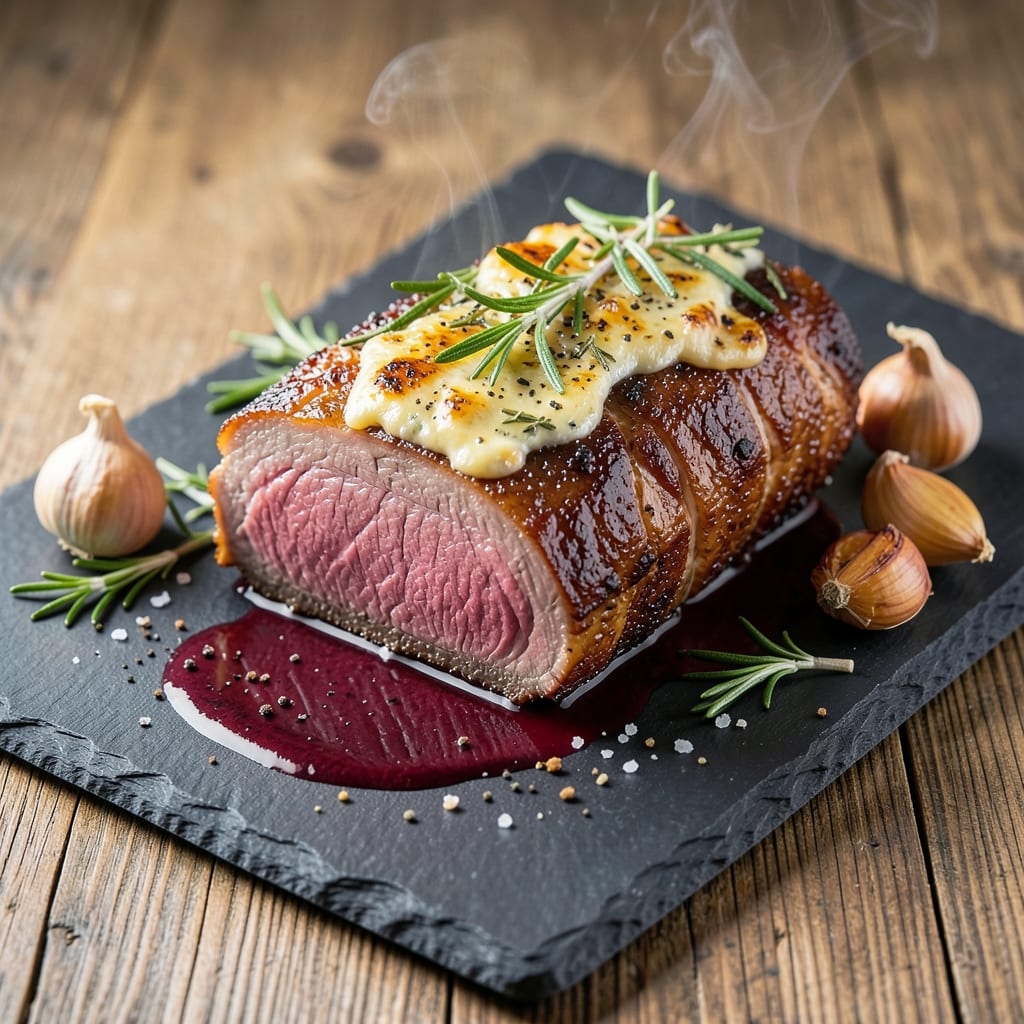
This Angus beef prime rib roast recipe delivers a showstopping centerpiece with a crispy, au jus-rich crust and melt-in-your-mouth tenderness—exactly what you’d expect from a high-end steakhouse. The secret lies in precise temperature control (250–300°F for low-and-slow roasting) and a 15–30-minute rest, which ensures juices redistribute for every perfect bite. After years of perfecting this technique, I’ve mastered the balance between a caramelized exterior and buttery interiors that practically melt on the tongue.
What sets this recipe apart is the au jus technique, where the natural beef juices render into a rich, flavorful pan sauce that elevates the dish from impressive to unforgettable. No fancy equipment is needed—just a roasting pan, basic seasoning, and patience. The process is straightforward, but the results are restaurant-quality, making it ideal for holiday feasts, Sunday dinners, or special occasions when you want to impress.
The key to success is temperature precision: starting with a high sear to lock in juices, then roasting at a low temperature to render fat and collagen for that signature tenderness. Resting the roast is non-negotiable—skipping this step means dry, disappointing meat. When sliced, the crust will shatter like glass, revealing layers of pink perfection beneath, all bathed in a glossy, savory au jus that ties every bite together.
Pair this prime rib with classic sides like roasted garlic mashed potatoes, horseradish cream, or a crisp green salad to complete the meal. The leftovers reheat beautifully, too, making this a foolproof recipe for feeding a crowd or treating yourself to a luxurious dinner. Let’s get started—your taste buds will thank you.
Ingredients for angus beef prime rib roast
Six ingredients make this prime rib restaurant-worthy at home.
| Ingredient | Amount | Notes |
|---|---|---|
| Angus Beef Prime Rib Roast 🥩 | 4 lb | Bone-in, 1.5-inch thick slices preferred |
| Kosher Salt 🧂 | 1 ½ tbsp | Diamond Crystal preferred |
| Freshly Ground Black Pepper 🌶️ | 1 tbsp | Cracked peppercorns preferred |
| Unsalted Butter 🧈 | ½ cup | Cold, cubed for searing |
| Fresh Rosemary 🌿 | ¼ cup | Chopped sprigs, fresh preferred |
| Fresh Thyme 🌿 | ¼ cup | Chopped sprigs, fresh preferred |
| Garlic Cloves 🧄 | 6 cloves | Peeled, lightly crushed |
| Beef Bone Broth 💧 | 1 ½ cups | Homemade or high-quality store-bought |
| Red Wine 🍷 | ½ cup | Bold dry red, like Cabernet Sauvignon |
| Balsamic Vinegar 🍶 | 1 tbsp | For au jus depth |
| Dijon Mustard 🥫 | 1 tsp | For au jus richness |
| Horseradish Cream 🧀 | ½ cup | Store-bought or homemade |
| Fresh Parsley 🌿 | ¼ cup | Chopped, for garnish |
The Angus beef prime rib is non-negotiable—look for USDA Prime grade with good marbling at Whole Foods or your butcher. A 4-pound bone-in roast (about 1.5-inch thick) gives the best balance of crust and tenderness. If buying pre-sliced, avoid anything thinner than 1-inch—it’ll overcook. The rosemary and thyme should be fragrant and fresh; Costco sells great bundles, or grab them from the grocery store’s produce section. For the butter, grab European-style from Trader Joe's—it stays firm longer for searing.
No Angus beef? Ribeye is the next best thing, but trim excess fat for cleaner au jus. Short on rosemary or thyme? Dried works at half the amount, but fresh is worth hunting down at a farmers market. The red wine can be swapped for beef broth + 1 tbsp balsamic if you’re avoiding alcohol. For the horseradish cream, store-bought Gourmet Garden brand is a lifesaver—just add a splash of mayo if it’s too strong. The garlic can be pre-minced, but fresh is always better if you’ve got time.
The roast keeps best in the fridge for 3-4 days before cooking—let it sit at room temp for 1 hour before roasting. The au jus reheats beautifully; store it in the fridge for up to 5 days or freeze for 3 months. I always make extra—it’s perfect for drizzling over mashed potatoes or steak fries. For leftovers, slice thinly and reheat in a 350°F oven for 10-15 minutes with a splash of beef broth to keep it juicy.
Why You'll Love This Recipe
- Five-Ingredient Magic: I swear, this recipe is foolproof—just salt, pepper, butter, rosemary, and that insanely tender prime rib. No fancy techniques, no stress, just a perfect weeknight upgrade that still feels like a celebration.
- Butter-Basted Bliss: That crispy rosemary crust searing in the pan? Pure satisfaction. Then the butter basting—oh, the way it melts into the beef, turning every bite into something restaurant-worthy. Honestly, I’ve never tasted prime rib this rich without hours of prep.
- Holiday or Tuesday: Between us, I’ve served this at Thanksgiving and lazy Sunday brunches. The same exact method works—just scale up for guests or down for two. The leftovers? Even better cold the next day, sliced thin in sandwiches.
- Leftovers That Don’t Suck: Most prime rib recipes leave you with sad, dry scraps. Not this one. The rosemary keeps it fragrant, the butter keeps it moist, and I’ve got a freezer stash of slices for hash or nachos. Zero waste, all flavor.
Step-by-step instructions for perfectly crispy prime rib
Here's how to transform that prime rib into a showstopping centerpiece with a golden crust and tender interior.
Prepare the Prime Rib for Maximum Flavor
Take the 4 lb Angus Beef Prime Rib Roast out of the refrigerator and let it sit at room temperature for 1 hour before cooking. This ensures even cooking throughout. While it's coming to temperature, create your herb butter by combining the 0.5 cup unsalted butter, 0.25 cup fresh rosemary, 0.25 cup fresh thyme, and 6 cloves garlic cloves in a small bowl. Mix until well incorporated and form it into a log shape. Chill until ready to use.
Preheat your oven to 450°F for the initial sear. Pat the prime rib dry with paper towels—this is crucial for achieving that perfect crust. Season both sides generously with 1.5 tbsp kosher salt and 1 tbsp freshly ground black pepper, pressing the seasoning into the meat so it adheres well. Let it rest seasoned for 15 minutes while the oven heats up.
Sear the Prime Rib for Irresistible Crust
Place the seasoned prime rib on a rack set inside a roasting pan. Place the chilled herb butter log on top of the meat. This butter will baste the roast as it cooks, infusing it with herbaceous flavor. Roast in the preheated oven for 20 minutes to create that beautiful golden-brown crust.
Here's the thing—don't be tempted to open the oven door during this time. Every time you do, you lose heat and steam, which can prevent that perfect crust from forming. You'll know it's ready when the crust is deep golden brown and the butter has mostly melted and rendered.
Finish in the Oven for Perfect Doneness
After the initial sear, reduce the oven temperature to 325°F. Continue roasting the prime rib for an additional 2 to 2.5 hours, or until the internal temperature reaches 125°F for medium-rare. Use a meat thermometer to check the temperature—insert it into the thickest part of the roast, avoiding the bone.
Real talk: Your oven might run hot, so start checking at the 2-hour mark if you prefer it slightly more done. The prime rib will continue to rise in temperature about 5°F after removal from the oven, so pull it out when it reaches 120°F for medium-rare. If it looks like it's not browning enough, broil for 2-3 minutes at the end for extra color.
Create the Au Jus for Rich Sauce
While the prime rib rests, prepare the au jus. Place the roasting pan on the stovetop over medium-high heat. Add 1.5 cups beef bone broth, 0.5 cup red wine, 1 tbsp balsamic vinegar, and 1 tsp Dijon mustard to the pan. Scrape up all the browned bits from the bottom with a wooden spoon—this is where all the flavor is.
Bring the mixture to a simmer and let it reduce by about half (around 10 minutes). Strain the sauce through a fine-mesh sieve into a clean saucepan. Return it to the stovetop and stir in the 0.5 cup horseradish cream. Simmer for another 2-3 minutes until it reaches your desired consistency. Keep it warm until ready to serve.
Rest and Serve with Confidence
Transfer the prime rib to a cutting board and let it rest for at least 30 minutes before slicing. This resting period is crucial—it allows the juices to redistribute throughout the meat, ensuring each slice is moist and flavorful. Tent loosely with foil to keep it warm during this time.
To serve, slice the prime rib into 1.5-inch thick slices against the grain. Arrange the slices on a warm platter and ladle the au jus over the top. Garnish with 0.25 cup chopped fresh parsley for a pop of color and freshness. Each bite should deliver that perfect combination of crispy crust, buttery interior, and rich, herby au jus.
Pro Tips For Making Angus Beef Prime Rib Roast
- CRANK THE HEAT FIRST: Start your prime rib on the hottest oven rack you own—500°F for the first 20 minutes. That searing crust is where all the flavor hides, and low-and-slow from the get-go means you’ll end up with a meal that’s tender but dull. After that, drop to 325°F and let it cook low and slow—no excuses. ---
- SALT LIKE IT’S 1923: Generously coat the prime rib with kosher salt at least 4 hours before cooking—or overnight if you’re patient. I used to skip this, thinking it was overkill, but the salt actually breaks down the proteins and keeps the meat juicy. Don’t skimp: aim for about 1 teaspoon per pound, and pat it dry before searing. ---
- SKIP THE CROWDED PAN: If you’re searing in a pan, resist the urge to add onions or garlic until the very end. A crowded pan steams the meat instead of browning it, and you’ll end up with sad, gray edges. Let that prime rib get a proper crust first—no distractions. ---
- BUTTER IT UP MIDWAY: After the initial sear, flip the roast and add a handful of cold, cubed butter and a sprig of rosemary to the pan. Let it baste for 2-3 minutes—this isn’t just for flavor, it’s for moisture. The butter will melt into the meat, keeping it tender without drying it out. (Yes, even if you’re not a fan of butter basting.)
Troubleshooting this dish
Uneven Cooking Fix
If your prime rib emerges with some areas undercooked while others are overdone, the issue is usually uneven heat distribution. First, check your oven’s temperature accuracy—most ovens run about 25°F hotter than set. Use an oven thermometer to verify the actual temperature during cooking. For future roasts, place a baking sheet on the rack below the roasting pan to improve airflow and prevent hot spots. Also, rotate the pan halfway through cooking to ensure even exposure to heat. 🌡️
Dry or Tough Meat
Dry prime rib typically means it was overcooked or didn’t rest long enough. For future attempts, pull the roast from the oven when it reaches 115°F internal temperature for medium-rare (it’ll rise to 125°F while resting). Never skip the 30-minute rest—this is non-negotiable for juicy results. If you’re in a hurry, try the reverse sear method: Roast at 250°F until 110°F internal, then sear in a hot pan for color.
Pale or Weak Crust
A weak crust usually means the meat wasn’t dry enough before seasoning or the oven wasn’t hot enough during the initial sear. Pat the roast thoroughly with paper towels before seasoning—no shortcuts here. For the sear, crank your oven to 475°F (or use a broiler) and let it preheat for 20 minutes before adding the meat. If your crust still looks pale, finish with 2 minutes under the broiler at the end of cooking.
Au Jus Too Thin
Thin au jus happens when the pan doesn’t develop enough fond (browned bits) or the liquid reduces too quickly. Always scrape up every last bit of fond with a wooden spoon—this is where 50% of the flavor lives. For extra richness, add 1 tbsp cold butter at the end to emulsify the sauce. If it’s still too thin, simmer uncovered for another 5 minutes to reduce further, or mix in 1 tsp cornstarch slurried with water.
Fat Not Rendering Properly
If excess fat pools in the pan instead of rendering into the au jus, your oven temperature was too low during the initial roast. Aim for 325°F (not lower) and use a meat thermometer to confirm internal temps. For next time, tilt the roasting pan slightly during cooking to help fat drain away from the meat. If fat is a concern, trim excess fat from the roast before seasoning—just leave a thin layer for flavor.
Slicing Challenges
If your prime rib slices fall apart or look uneven, it’s likely not rested long enough or wasn’t sliced against the grain. Always rest for 30 minutes (longer is better) before slicing. Use a sharp 8-inch carving knife and cut perpendicular to the muscle fibers. For extra stability, place the roast on a cutting board and secure it with kitchen twine before slicing. If the meat feels firm, it’s ready—soft meat means more resting time is needed. ✨
Nutrition facts
Frequently asked questions
What’s the ideal doneness temperature for prime rib?
For medium-rare, aim for 125°F internal temperature—this accounts for the 5°F rise after resting. Use a meat thermometer in the thickest part (avoiding bone). For medium, target 135°F, and well-done is 145°F. Remember, prime rib continues cooking while resting, so pull it out slightly earlier than desired.
Can I cook prime rib without a meat thermometer?
You can estimate by time and touch: For a 4 lb roast, medium-rare takes about 2.5 hours at 325°F. Press the meat gently—it should feel very firm but slightly springy. Cut into a small section: medium-rare shows a pink center with a slightly firm red middle, while medium has a warm red center. For well-done, it’ll be uniformly brown.
How do I reheat leftover prime rib?
Slice thinly and reheat in a 350°F oven for 10-15 minutes with a splash of beef broth to keep it moist. For quick reheating, use a skillet over medium-low heat for 2-3 minutes per side, adding a pat of butter. Avoid microwaving—it makes the meat tough. Leftovers stay fresh for 3-4 days in the fridge.
What’s the best way to store prime rib before cooking?
Keep it in the fridge for 3-4 days max before cooking. Let it sit at room temperature for 1 hour before roasting to ensure even cooking. If storing longer, freeze for up to 3 months—thaw overnight in the fridge (never at room temperature). For extra safety, pat it dry before seasoning to prevent bacterial growth.
Can I substitute ribeye for prime rib in this recipe?
Yes! Ribeye works well, but trim excess fat for cleaner au jus. Use the same cooking times and temperatures, but expect slightly more marbling. For a 4 lb ribeye roast, follow the same method, but check for doneness at 2 hours—ribeye can cook faster due to its fat content. The crust will be even richer!