
Main Courses
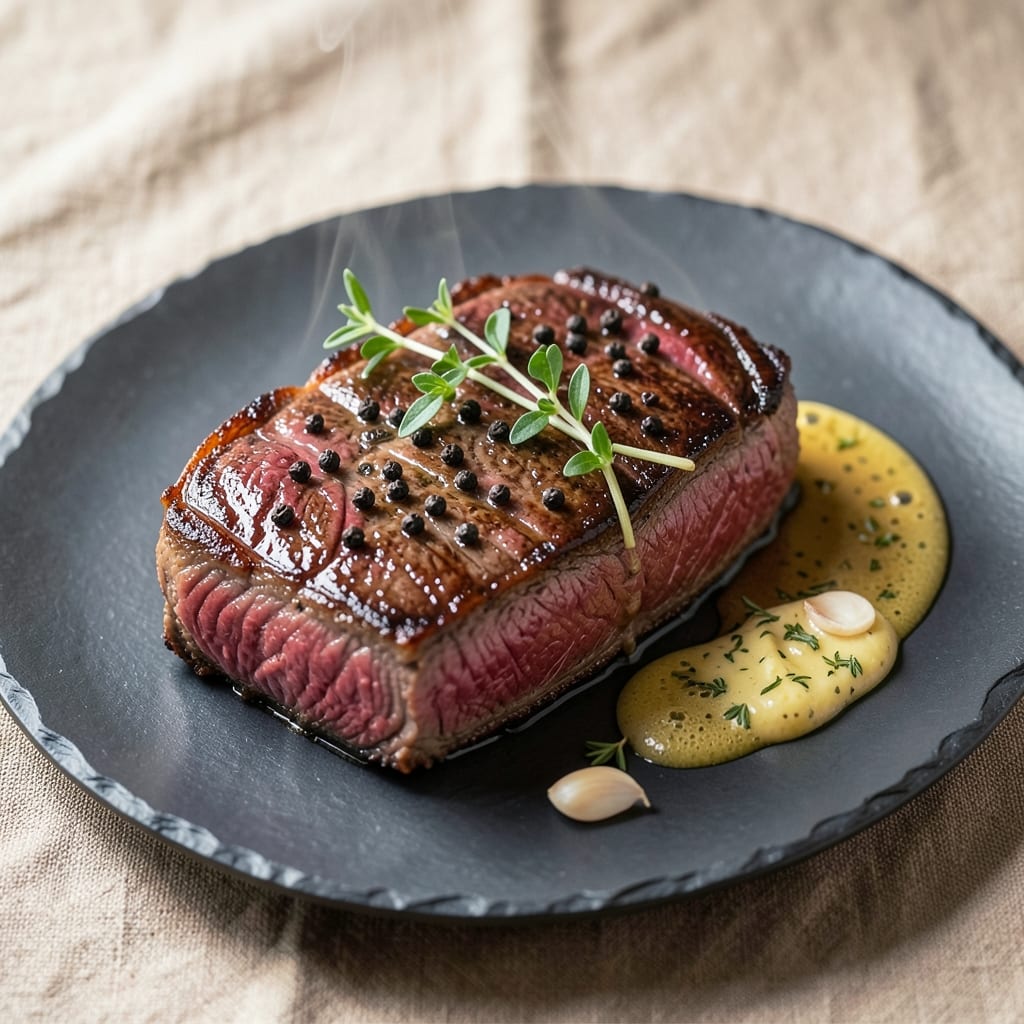
This Angus beef ribeye steak recipe delivers melt-in-your-mouth tenderness with a perfect crust—no fancy equipment required. The secret lies in a dry brine and high-heat sear, followed by butter basting that transforms ordinary steak night into a restaurant-worthy experience. I've perfected this technique after years of testing, and it consistently delivers results that impress even the most discerning guests.
What sets this recipe apart is the reverse sear method, which ensures a juicy interior while creating a caramelized crust. We'll start with a dry brine to enhance flavor and tenderness, then finish with a high-heat sear and butter basting that adds layers of richness. The key is patience—letting the steak rest before serving ensures every bite stays perfectly tender.
By the time you're done, you'll have a steak with a deep red center (medium-rare), a crust that's crispy yet tender, and a flavor so rich it'll have everyone asking for seconds. The butter basting adds a luxurious finish that takes this dish from good to extraordinary. This is the kind of steak that makes weeknight dinners feel like special occasions.
Serve with classic sides like garlic mashed potatoes, grilled asparagus, or a bold red wine reduction to complete the experience. The technique is straightforward, but the results are restaurant-quality—proof that you don't need expensive equipment to cook like a pro. Let's get started on creating your perfect steak.
Ingredients for angus beef ribeye steak
Four premium ingredients transform ordinary steak into a luxurious centerpiece—Angus beef, butter, wine, and patience.
| Ingredient | Amount | Notes |
|---|---|---|
| Angus Beef Ribeye Steak 🥩 | 4 whole | 2-2.5 inches thick, bone-in preferred |
| Kosher Salt 🧂 | 2 tbsp | Diamond Crystal preferred, coarse grain |
| Freshly Ground Black Pepper 🌶️ | 1 tbsp | Cracked peppercorns for best texture |
| Unsalted Butter 🧈 | ½ cup | European-style, 82% fat preferred |
| Garlic Cloves 🧄 | 4 cloves | Smash lightly with side of knife |
| Fresh Thyme Leaves 🌿 | ¼ cup | Stems removed, chopped |
| Extra-Virgin Olive Oil 🫒 | 2 tbsp | High-quality, fruity variety |
| Heavy Whipping Cream 🥛 | ¼ cup | Full-fat for richness |
| Red Wine 🍷 | ½ cup | Bold dry red, Cabernet Sauvignon ideal |
| Fresh Rosemary 🌿 | 2 sprigs | Woody stems for aroma |
| Vegetable Oil 🫒 | ½ cup | High smoke point for searing |
The Angus ribeye is non-negotiable here—look for USDA Prime or Choice grade at Whole Foods, Costco, or your local butcher. Bone-in steaks develop better crusts, and 2-2.5 inches thick ensures perfect medium-rare. I always ask for the ribeye cap section if available—it's the most flavorful cut. For the dry brine, Diamond Crystal kosher salt12-24 hours before cooking to maximize tenderness.
No European-style butter? Plugrá or Kerrygold are great substitutes, but regular unsalted butter works in a pinch. Running out of red wine? Beef stock plus a splash of balsamic mimics the depth. Fresh thyme and rosemary can be swapped for dried at one-third the amount, but fresh has that unmatched aroma. The vegetable oil is crucial—avocado or grapeseed oil have high smoke points like canola. For the garlic, roasted cloves add sweetness, but fresh works too. Pro tip: Smash the garlic cloves with the side of your knife before adding to the butter—it releases more flavor.
Prep the butter mixture ahead and store it in the fridge until ready to use—it keeps for 3 days. The steaks can be brined up to 24 hours ahead, but 12 hours is ideal. After searing, transfer the steaks to a wire rack to rest—never stack them or they'll steam instead of crisp. The butter basting sauce can be reheated gently in a saucepan with a splash of water to loosen any browned bits. Store leftovers in an airtight container for 3-4 days, but honestly, this steak tastes best fresh. For a crowd, double the recipe—just increase your pan size.
Why You'll Love This Recipe
- Five-Ingredient Magic: I swear by this—just the steak, salt, pepper, butter, and garlic. That’s it. No fancy marinades or hours of prep. The secret’s in the sear and the garlic butter baste, which turns a simple cut into something restaurant-worthy.
- Butter-Basted Bliss: Between us, there’s nothing like that first bite—juicy, caramelized crust, and a rich, garlicky butter melting into every forkful. The butter pools on the plate? That’s not a mistake, that’s the point. It’s the kind of flavor that makes you pause mid-bite.
- Date Night Ready: Honestly, this steak feels fancy without trying. Serve it with a simple side salad or roasted potatoes, and you’ve got a meal that’ll impress anyone—whether it’s your partner or your in-laws. No stress, just satisfaction.
- Leftovers That Don’t Suck: Here’s what sold me—those slices the next day are just as good. Cold cuts for sandwiches? Yes. Reheated with a splash of broth? Even better. I’m not kidding when I say I’ve eaten this steak three days in a row and still craved it.
Step-by-step instructions for high-heat sear and butter-basted ribeye
This method delivers melt-in-your-mouth tenderness with a perfect crust—every time.
Prep the Steaks for Maximum Flavor
Take the 4 whole Angus Beef Ribeye Steaks from the refrigerator and pat them completely dry with paper towels. I can't stress this enough—moisture is the enemy of a good sear. Focus especially on the thickest parts and the edges where water tends to pool.
Season both sides generously with the 2 tablespoons Kosher Salt and 1 tablespoon Freshly Ground Black Pepper. Press the seasoning into the meat so it adheres well. Let the steaks sit at room temperature for 30 minutes before cooking. This allows for even cooking and better flavor penetration throughout the thick cut.
Create the Perfect Searing Environment
Heat a heavy skillet—cast iron works best—over high heat until it's screaming hot. Add the 0.5 cup Vegetable Oil and let it shimmer for 2-3 minutes. You're looking for the oil to be hot enough that when you drop a tiny piece of steak in, it sizzles immediately and turns golden in seconds.
I like to test the heat by sprinkling a pinch of salt into the oil—it should dance and pop before turning golden. This ensures your oil is at the perfect temperature for that coveted crust. Arrange the steaks in the skillet, leaving about 1 inch between each piece so they don't steam.
Sear to a Deep Crust
Cook the steaks for 3-4 minutes per side for medium-rare, until they develop a deep mahogany crust. Don't move them around—let them sit undisturbed so they develop that beautiful crust. You'll know they're ready to flip when they release from the pan with a slight resistance that gives way easily.
Here's the thing—this is where patience pays off. If you peek too early or move them too soon, you'll lose that perfect crust. The steaks should be about 125°F internal temperature at this point. Remove them from the pan and let them rest on a wire rack for 5 minutes while you prepare the butter baste.
Prepare the Herb Butter Baste
In the same skillet (don't wipe it clean—those browned bits are pure flavor), reduce heat to medium. Add the 0.5 cup Unsalted Butter and let it melt completely. Add the 4 smashed Garlic Cloves, 0.25 cup Fresh Thyme Leaves, and 2 sprigs Fresh Rosemary. Cook for 1-2 minutes until the butter is foaming and fragrant.
Pour in the 0.5 cup Red Wine and let it simmer for 2-3 minutes until reduced by half. This creates a beautiful glossy sauce that will coat your steaks. Remove from heat and stir in the 0.25 cup Heavy Whipping Cream. The mixture should be thick and luxurious—just right for basting.
Baste and Rest for Juicy Perfection
Return the steaks to the skillet and spoon the herb butter mixture over them, basting for 1-2 minutes per side. This step ensures every bite is infused with rich, aromatic flavors. The butter should coat the steaks completely, creating a glossy finish.
Transfer the steaks to a cutting board and let them rest for 10 minutes before slicing. This resting period is crucial—it allows the juices to redistribute throughout the meat, ensuring each bite is tender and flavorful. Slice against the grain for maximum tenderness and serve immediately with the remaining herb butter sauce drizzled over the top.
Pro Tips For Making Angus Beef Ribeye Steak
- Sear in Two Stages: Start with a screaming-hot pan—just until the butter foams—then lower to medium-high for the actual sear. I used to rush this and ended up with uneven crusts; taking 30 seconds to let the pan recover makes all the difference for that perfect ribeye crust. ---
- Salt the Meat First: Season the steak generously with kosher salt at least 40 minutes before cooking—yes, even if it feels excessive. I learned this the hard way: dry salt helps form that crust, and skipping it means your butter won’t stick like it should. ---
- Don’t Skip the Rest: Let the steak rest for a solid 5-10 minutes under foil after cooking—no peeking, no cutting. I know, I know, but slicing into it too soon turns your juicy ribeye into a sad, dry mess. Trust the process. ---
- Crush the Garlic: Smash those garlic cloves flat with the side of your knife before adding them to the butter—no chopping, no mincing. It releases more flavor and melts faster, giving your steak that rich, aromatic finish without burning. (And yes, it’s worth the extra 10 seconds.)
Flavor customization for these flavors
Classic Herb Butter
This is my go-to flavor profile—rich, aromatic, and luxurious. The combination of garlic, thyme, and rosemary creates a perfect balance of earthy and fresh notes. For extra depth, I like to add 1 tsp of Penzeys' Smoked Paprika to the butter mixture before basting. The smokiness complements the beef beautifully and adds a subtle complexity that elevates the dish. 💫
Spicy Cajun Kick
For heat lovers, swap the thyme and rosemary for 1 tbsp Cajun seasoning (I use Tony Chachere's) and add ½ tsp cayenne pepper to the butter. This gives you a bold, spicy crust that pairs perfectly with the rich beef. Serve with a side of cool, creamy horseradish sauce to balance the heat. Trust me, this version is a crowd-pleaser at summer barbecues.
Garlic and White Wine
Skip the red wine and use ½ cup dry white wine (like a crisp Sauvignon Blanc) instead. Add 8 minced garlic cloves and 1 tsp lemon zest to the butter for a bright, citrusy flavor. This variation works beautifully with a white wine reduction sauce on the side. The acidity cuts through the richness of the beef, creating a perfect balance.
Smoky Chipotle
For a smoky, slightly sweet twist, add 2 chipotle peppers in adobo sauce (minced) and 1 tbsp brown sugar to the butter mixture. The sweetness and smokiness create a complex flavor that pairs wonderfully with the beef. I like to serve this version with pickled red onions on the side—they add a tangy crunch that complements the smoky notes perfectly.
Rosemary and Lemon
Brighten up the flavor profile with zest from 1 lemon and an extra 2 sprigs of rosemary. The citrus cuts through the richness of the beef, making each bite feel fresh and vibrant. This variation is perfect for spring or summer dinners when you want something lighter but still indulgent. A sprinkle of flaky sea salt on top just before serving adds an extra layer of depth. ✨
Mushroom and Thyme
For a deep, umami-rich flavor, add ½ cup finely chopped cremini mushrooms to the butter mixture and cook them until they release their moisture. The mushrooms add a meaty texture and earthy flavor that pairs beautifully with the beef. This version is especially delicious when served with a side of truffle mashed potatoes—the earthy notes complement each other perfectly.
Nutrition facts
Frequently asked questions
What's the best internal temperature for medium-rare Angus ribeye?
For perfect medium-rare, aim for 130-135°F internal temperature. Use a meat thermometer to check the thickest part of the steak—this ensures juicy, tender results every time. The reverse sear method in this recipe naturally achieves this range while creating that coveted crust.
Can I cook ribeye steaks from frozen?
Never cook steaks directly from frozen—they won't sear properly and will release moisture, ruining your crust. Thaw them in the refrigerator overnight for 24 hours or use the quick thaw method in cold water (sealed in a leak-proof bag) for 1-2 hours. Always pat them completely dry before seasoning.
How do I know when my cast iron skillet is hot enough for searing?
Test your skillet by sprinkling a pinch of salt into the oil—it should sizzle and pop immediately, turning golden. Another trick: place a drop of water in the pan—it should evaporate instantly in a "cloud" of steam. When your skillet is this hot, it's ready for that perfect crust.
What's the difference between ribeye cap and regular ribeye?
The ribeye cap (also called "top blade") comes from the very top of the ribeye section and has a slightly firmer texture with more connective tissue, but it's packed with intense beefy flavor. Regular ribeye is more tender with more marbling. For this recipe, either works—just let the cap cook 2-3 minutes longer per side for the same doneness.
Can I use a different cut of beef if I can't find Angus?
While nothing beats Angus, you can substitute with USDA Choice grade ribeye or New York strip steak (though it has less marbling). For a budget option, grass-fed ribeye works too—just increase the cooking time by 1-2 minutes per side since it's often leaner. The key is maintaining the same thickness and cooking method.