
Soups & Stews
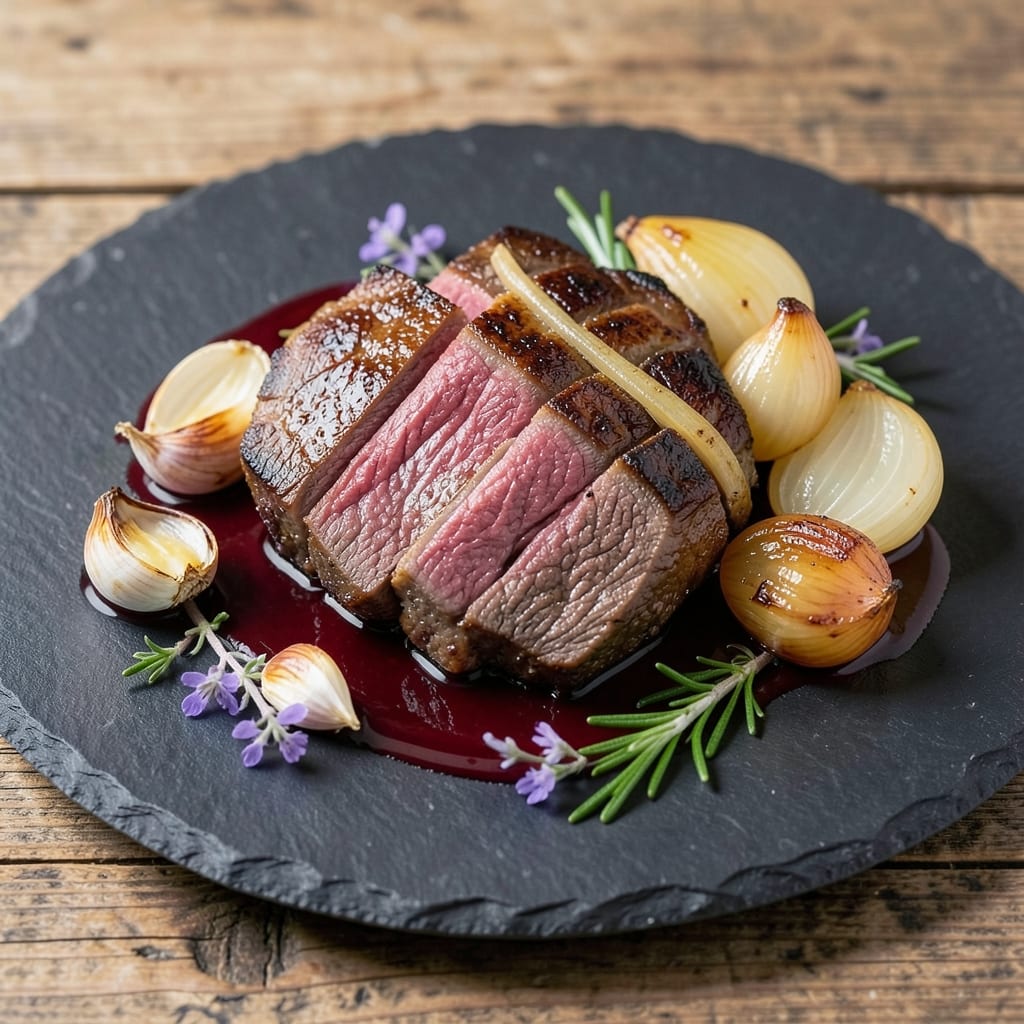
Transforming tough Angus beef round into melt-in-your-mouth perfection requires patience and precision—this slow-braised method delivers shreddable richness that turns even the most skeptical meat lovers into converts. The key lies in low-and-slow cooking, where collagen dissolves into a velvety broth that coats every bite, creating a dish so tender it practically falls apart at the touch. What starts as a modest cut of beef becomes a luxurious centerpiece when braised to 160–170°F internal temperature, where fat renders into buttery pockets and flavors deepen with every hour.
This recipe eliminates guesswork by combining a simple marinade of garlic, herbs, and red wine with a foolproof braising technique that works in any oven. The beef sears first to lock in juices, then simmers in its own juices with aromatic vegetables until fork-tender. No special equipment is needed—just time, which is the secret weapon here. The result? A dish that’s equally impressive for Sunday dinners or weeknight meals when you crave restaurant-quality comfort without the fuss.
By the final hour, your kitchen will smell like a French bistro, and the beef will be so tender it shreds easily—ideal for sandwiches, tacos, or serving alongside roasted potatoes and caramelized onions. The sauce thickens naturally as it cooks, creating a glossy, flavorful reduction that clings to every strand of meat. This isn’t just a recipe; it’s a transformation that turns an affordable cut into something extraordinary.
Perfect for feeding a crowd or meal prepping, this dish reheats beautifully while maintaining its buttery texture and deep flavor. The beauty of braising is that it rewards your effort with minimal active time—just prep, then let the oven do the work. Ready to master this technique? Let’s get started.
Ingredients for angus beef round
Six ingredients transform tough beef into luxurious, melt-in-your-mouth perfection through slow braising mastery.
| Ingredient | Amount | Notes |
|---|---|---|
| Angus Beef Round 🥩 | 3 lb | Tough cut, trimmed of excess fat |
| Red Wine 🍷 | 1 ½ cups | Bold, dry variety like Cabernet Sauvignon |
| Garlic Cloves 🧄 | 8 cloves | Peeled, smashed for maximum flavor |
| Fresh Rosemary 🌿 | ¼ cup | Chopped, stems removed |
| Fresh Thyme 🌿 | ¼ cup | Leaves only, stems discarded |
| Yellow Onions 🧅 | 2 whole | Quartered, skins on for color |
| Carrots 🥕 | 4 whole | Whole, scrubbed, peeled if preferred |
| Celery Stalks 🥬 | 4 whole | Trimmed, cut into 2-inch pieces |
| Beef Broth 🥫 | 2 cups | Low-sodium, homemade preferred |
| Olive Oil 🫒 | ¼ cup | Extra-virgin for searing |
| Tomato Paste 🍅 | ¼ cup | Smooth, not chunky |
| Kosher Salt 🧂 | 2 tbsp | Diamond Crystal preferred |
| Black Peppercorns 🌶️ | 1 tbsp | Freshly cracked, coarse grind |
| Bay Leaves 🌿 | 2 whole | Dried, standard size |
The Angus beef round is the star here—its collagen-rich composition dissolves into velvety richness when braised properly. Look for well-marbled cuts at specialty butchers or high-end grocery stores like Whole Foods or Dartmouth Farms, where the quality is consistently superior. If using pre-trimmed beef, ensure it's uniformly cut for even cooking. The red wine should be bold and dry—think Cabernet Sauvignon or Merlot—as its tannins help tenderize the meat while adding depth. Fresh herbs like rosemary and thyme are non-negotiable; dried versions simply can't replicate their aromatic punch. For the aromatics, yellow onions and carrots should be firm with no soft spots, while celery adds a subtle bitterness that balances the dish.
No red wine? Substitute with beef broth plus 1 tablespoon balsamic vinegar—it mimics the acidity and depth without altering the flavor profile. Fresh herbs unavailable? Use dried at one-third the amount, but toast them lightly in a dry pan first to intensify their flavor. The tomato paste can be swapped for crushed tomatoes (1 cup) if preferred, though it adds acidity that may require additional salt. For the beef broth, homemade is ideal, but low-sodium store-bought brands like Pacific Foods work in a pinch. The olive oil must be extra-virgin—anything less will burn during searing and lack the fruity notes that elevate the dish. When selecting garlic, avoid pre-minced varieties; whole cloves release more flavor when smashed.
This braise develops richer flavors over time—reheat gently in the sauce to maintain moisture. The beef and vegetables keep 4-5 days refrigerated or 3 months frozen, though the texture improves after 24 hours as flavors meld. For meal prep, portion into airtight containers with reserved sauce—each serving reheats beautifully. The sauce thickens naturally; if too thin after braising, simmer uncovered for 5-10 minutes to reduce. Always store with the lid slightly ajar to prevent skin formation, and bring to room temperature before reheating for even cooking.
Why You'll Love This Recipe
- One-Pan Magic: I swear by this—just sear the beef, toss in the wine, garlic, and herbs, then let the oven do the work. No chopping mountains of veggies or flipping pans every five minutes.
- Rich Without Effort: That deep red wine cut makes the beef taste like it’s been slow-cooked for hours, but honestly? It’s just 30 minutes in the oven. The rosemary and thyme? They turn "dry cut" into something so tender it falls apart.
- Meal Prep MVP: I make a double batch on Sundays and freeze half. Throw it in a wrap for lunch or over mashed potatoes for dinner—same great flavor, zero extra work. (Yes, even on a Tuesday night.)
- Budget Beef Boost: Angus round is lean but packs serious flavor, so you’re not wasting money on fancy cuts. The wine and herbs stretch the cost per serving, and leftovers reheat like a dream—no dry, sad meat here.
Step-by-step instructions for slow-braised Angus beef round
Transform tough beef into melt-in-your-mouth perfection through precise technique and patience.
🔥 Step 1: Sear the Beef Round for Maximum Flavor
Heat a heavy Dutch oven over medium-high heat until smoking hot. Add the 0.25 cup olive oil and swirl to coat the bottom. Place the 3 lb Angus Beef Round in the pot, fat-side down, and sear undisturbed for 8-10 minutes until deeply browned on all sides. I press down gently on the beef during the first minute—this prevents it from curling and ensures even contact with the pan.
Resist the urge to move it frequently. You're building flavor through the Maillard reaction, and that requires time and heat. Once browned on all sides, remove the beef and set it aside on a plate. The pan should have a rich, caramelized crust—this is your flavor foundation.
👨🍳 Step 2: Build the Aromatic Base
In the same Dutch oven, add the 2 whole yellow onions (quartered), 4 whole carrots (whole), and 4 whole celery stalks (cut into 2-inch pieces). Cook for 5 minutes until the vegetables begin to soften and release their natural juices. This step develops their sweetness and forms the base of your braising liquid.
Add the 8 cloves garlic cloves (smashed), 0.25 cup fresh rosemary (chopped), and 0.25 cup fresh thyme (leaves only). Stir for 30 seconds until fragrant—this releases their essential oils and infuses the pan with aromatic compounds. The kitchen should smell rich and earthy at this point.
🍳 Step 3: Deglaze and Simmer the Braising Liquid
Pour in the 1.5 cups red wine and scrape up all the browned bits from the bottom of the pot with a wooden spoon. This deglazing step captures all that concentrated beef flavor. Let it simmer for 3-4 minutes until reduced by half, then stir in the 0.25 cup tomato paste and cook for another 2 minutes until it darkens slightly.
Add the 2 cups beef broth, 2 tbsp kosher salt, 1 tbsp black peppercorns (cracked), and 2 whole bay leaves. Return the beef to the pot, placing it fat-side up. The liquid should come at least halfway up the sides of the beef—if not, add a bit more broth. Bring to a gentle simmer.
⏰ Step 4: Braise Until Fork-Tender
Cover the pot and transfer to a preheated 300°F oven. Braise for 3-4 hours until the beef is fork-tender and easily shreds with two forks. I check at the 2.5-hour mark—the meat should be falling apart slightly at this point, but it's not quite ready yet. The liquid will reduce significantly during this time, creating a rich, concentrated sauce.
Here's the thing—your oven might run hot, so start checking at the 20-minute mark after the initial 2.5 hours. The beef is done when it reaches an internal temperature of 205°F and a probe slides in like butter. If the liquid reduces too much, add a splash of water or broth to maintain moisture.
🥘 Step 5: Rest and Shred for Serving
Remove the beef from the pot and transfer it to a cutting board. Tent loosely with foil and let it rest for 15-20 minutes. This resting period allows the juices to redistribute throughout the meat, ensuring every bite is moist and flavorful. During this time, skim any excess fat from the braising liquid and adjust the seasoning if needed.
Once rested, shred the beef using two forks, pulling it apart against the grain. Return the shredded beef to the pot and toss gently to coat in the reduced sauce. Serve immediately over mashed potatoes, polenta, or crusty bread. Each bite should deliver tender, buttery beef with deep wine and herb notes—this is the transformation of a tough cut into something extraordinary.
Pro Tips For Making Angus Beef Round
- SEAR THE ROUND HARD: I learned this the hard way—skipping the initial high-heat sear means your beef will taste like stew instead of something special. Get your pan screaming hot (I’m talking smoke-ready) and press that round down for at least 3 minutes per side. The crust locks in flavor, and the wine reduction won’t just disappear into the meat.
- SALT THE MEAT DAY BEFORE: Dry-brining the beef round overnight (yes, even with fresh herbs) makes a real difference. Pat it dry first, then coat it with 1 tablespoon of kosher salt per pound. It sounds like overkill, but the seasoning penetrates deeper, and the herbs stick better when you add them later.
- DEGLAZE WITH RED WINE IMMEDIATELY: As soon as you remove the beef, pour in that red wine while the pan is still hot—don’t walk away. Scrape up every browned bit (that’s flavor, not just gunk) and let it reduce by half before adding garlic, rosemary, and thyme. If you wait, you’ll end up with a watery sauce instead of something rich.
- REST THE MEAT UNDER FOIL: I know, I know—resting meat is boring. But for a tough cut like the round, give it a solid 10 minutes under foil after cooking. It keeps the juices from pooling on the cutting board, and the internal temp will actually rise another 5°F, making it tender without drying out. (Your future self will thank you.)
Best sauces and condiments for this angus beef round
Red Wine Reduction
The braising liquid from your red wine creates a luxurious reduction that clings to every strand of beef. After the beef is done, strain the liquid through a fine-mesh sieve into a saucepan and reduce it over medium-high heat for 10-15 minutes until it thickens to a glossy consistency. I love adding 1 tbsp cold butter at the end for a silky finish—this adds richness and coats the beef beautifully. 🍷
Garlic-Herb Butter
For a quick, flavorful garnish, mix ½ cup softened butter with 3 minced garlic cloves, 1 tbsp chopped fresh rosemary, and ½ tsp salt. Dollop spoonfuls over the shredded beef just before serving—this adds a bright, herby contrast to the deep wine and beef flavors. The butter melts into the hot beef, creating a velvety sauce. 🧄
Creamy Horseradish Sauce
If you want a tangy kick, blend ½ cup sour cream with 2 tbsp prepared horseradish, 1 tbsp Dijon mustard, and 1 tsp Worcestershire sauce. This sauce cuts through the richness of the beef and adds a refreshing zing. I serve it on the side for those who love a bit of heat—it’s a crowd-pleaser at holiday dinners. 🌶️
Balsamic Glaze
For a sweet-tangy drizzle, simmer ½ cup balsamic vinegar in a small saucepan over medium heat for 8-10 minutes until reduced by half. The glaze should coat the back of a spoon. Drizzle lightly over the beef just before serving—it adds a sophisticated touch without overpowering the dish. 🍇
Crispy Onion Topping
For texture contrast, thinly slice 1 large yellow onion and fry in 2 tbsp olive oil over medium heat for 10-12 minutes until caramelized and crispy. Sprinkle these golden onions over the beef right before serving—they add a delightful crunch that balances the tender meat. 🧅
Nutrition facts
Frequently asked questions
Can I use a different cut of beef instead of the round?
The round roast is ideal for this recipe because its collagen-rich composition dissolves beautifully during braising. However, you can substitute with chuck roast or short ribs for similar results. Avoid leaner cuts like sirloin—they won't become as tender. For best results, choose a cut with good marbling and at least 1/4-inch fat cap to ensure moisture.
How do I know when the beef is fully tender?
Use the fork test: When the beef reaches 205°F internal temperature, it should shred easily with two forks. The meat should also pull apart cleanly against the grain, with no resistance. Pro tip: Check at the 2.5-hour mark—if it's not quite there, add 30 more minutes to the cooking time.
Can I make this recipe in a slow cooker? Sear the beef first, then transfer it to a slow cooker with all ingredients. Cook on low for 8-10 hours or high for 5-6 hours. The slow cooker's gentle heat mimics oven braising perfectly. Just
What's the best way to reheat leftovers?
Reheat in the same braising liquid over low heat on the stovetop for 10-15 minutes, stirring occasionally. Avoid microwaving—it dries out the beef. For extra flavor, add a splash of beef broth or red wine while reheating. Leftovers keep 4-5 days refrigerated or 3 months frozen.
Why did my beef turn out dry?
Overcooking or insufficient liquid are the most common causes. Always maintain at least 1/2-inch liquid above the beef during braising. If your oven runs hot, reduce temperature to 275°F and add 15-30 more minutes. Also, never skip the 15-20 minute rest—this lets juices redistribute. For extra moisture, serve with the reduced braising sauce.