
Main Courses
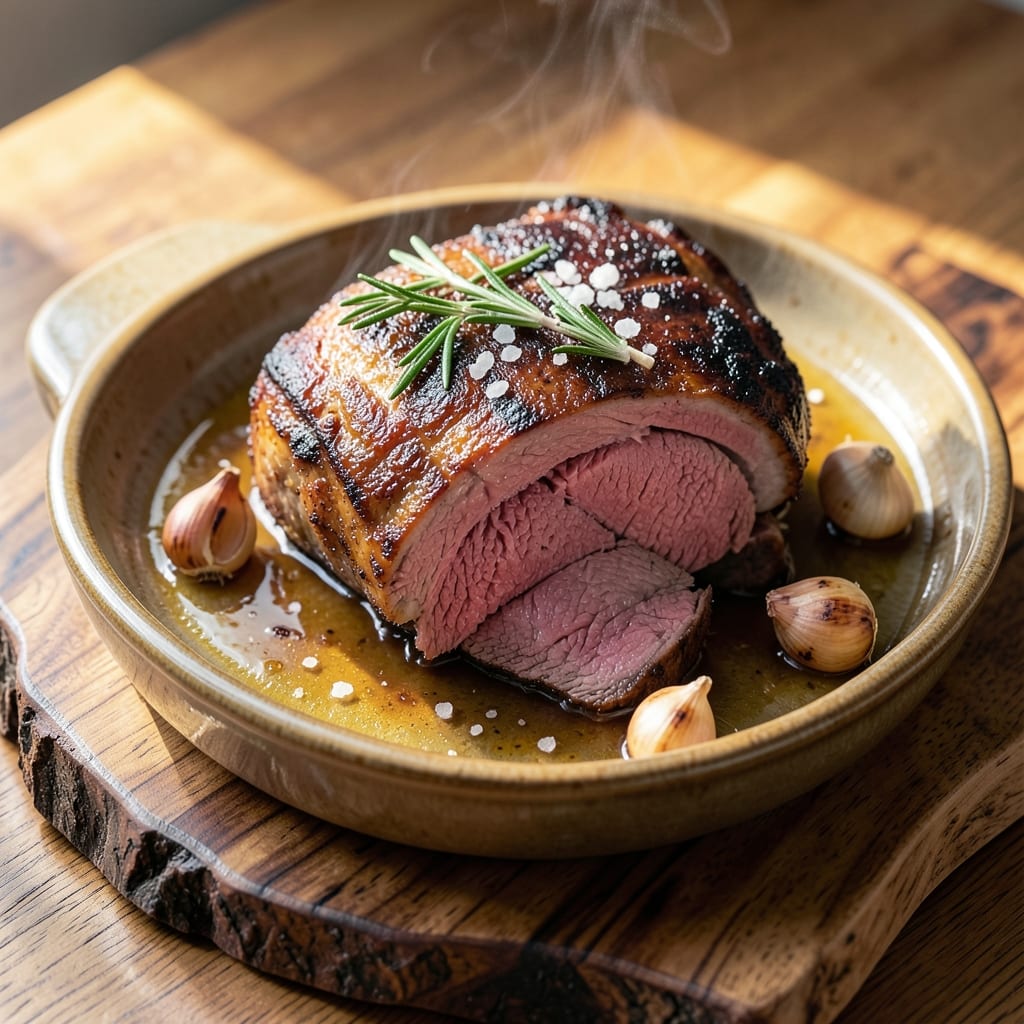
This Angus beef shoulder roast recipe transforms a simple cut into a showstopping centerpiece with a reverse-seared crust and buttery core that melts in your mouth. 🔥 The secret lies in slow-roasting first to develop deep flavor, then finishing with a high-heat sear for that coveted caramelized exterior—exactly how high-end steakhouses do it at home.
What sets this method apart is the balance of time and technique: a low-and-slow start (about 3 hours at 275°F) ensures the meat stays tender and juicy, while the final broiler sear creates that perfect crust without overcooking. The result? A roast so tender it practically falls apart, with a crust that's crispy enough to stand up to rich gravy or roasted vegetables.
This isn't just another beef roast—it's a restaurant-quality experience you can recreate in your own kitchen. The flavor is rich, the texture is unmatched, and the presentation is effortless. Whether you're hosting a dinner party or treating yourself to a special meal, this roast delivers on every level.
Pair it with classic sides like creamy mashed potatoes, caramelized onions, or a red wine reduction gravy to complete the meal. The beauty of this method is that it works for any occasion—elegant enough for holidays, simple enough for a weeknight dinner. Let's get started on creating your perfect roast.
Ingredients for angus beef shoulder roast
Six ingredients transform a humble shoulder into restaurant-worthy perfection.
| Ingredient | Amount | Notes |
|---|---|---|
| Angus Beef Shoulder Roast 🥩 | 4 lb | Bone-in, well-marbled cut preferred |
| Unsalted Butter 🧈 | ½ cup | Cold, cut into 1-inch cubes |
| Fresh Rosemary 🌿 | ¼ cup | Chopped, stems removed |
| Fresh Thyme 🌿 | ¼ cup | Leaves only, stems removed |
| Garlic Cloves 🧄 | 8 cloves | Smashed, skin on |
| Diamond Crystal Kosher Salt 🧂 | 1 ½ tbsp | Coarse grain preferred |
| Freshly Ground Black Pepper 🌶️ | 1 tbsp | Cracked peppercorns preferred |
| Yellow Onion 🧅 | 1 whole | Quartered, skin on |
| Carrots 🥕 | 4 whole | Whole, peeled |
| Celery Stalks 🥬 | 4 whole | Cut into 2-inch pieces |
| Dry Red Wine 🍷 | ½ cup | Bold Cabernet Sauvignon preferred |
| Beef Bone Broth 💧 | 2 cups | Homemade or high-quality store-bought |
| Extra-Virgin Olive Oil 🫒 | 2 tbsp | For final sear |
The Angus beef shoulder is non-negotiable here—look for cuts with visible marbling and a deep red color. Costco or Whole Foods butchers often have excellent selections, or ask your local butcher to trim excess fat if you're buying a whole shoulder. A 4-pound roast serves 6 generously, but go for 5 pounds if you're feeding a hungry crowd. The bone-in version stays juicier during the long cook, and the herbs should be freshly chopped right before seasoning for maximum aroma. If you can't find fresh thyme, dried works at one-third the amount, but fresh is ideal for that bright flavor.
No red wine? Beef broth with a splash of balsamic vinegar works in a pinch, though the acidity won't be as complex. The bone broth should be homemade if possible—store-bought works, but homemade has richer depth. For the aromatics, char the onion and carrot pieces lightly in a dry pan before adding to the roast for extra flavor. The butter cubes should be cold when they go in the oven—they'll melt into the meat during cooking, creating that buttery core. If you're short on time, room-temperature butter works too, but cold gives better flavor distribution.
This roast reheats beautifully—better the second day, honestly. Wrap it tightly in foil and refrigerate for up to 4 days, or freeze for 3 months by vacuum-sealing. For serving, let it rest 15-20 minutes before slicing against the grain. The crust will be crispy enough to stand alone, but it pairs perfectly with red wine reduction gravy or creamy mashed potatoes. Leftovers make amazing sandwiches the next day—just slice thin and pile high on crusty bread with a smear of mustard.
Why You'll Love This Recipe
- Minimal Prep Nightmare: I swear, this roast takes less effort than deciding what to watch on Netflix. Just sear the beef, toss in whole garlic cloves and herbs, dot with butter, and let the oven do the work—no chopping, no fuss.
- Rich, Rustic Magic: That crispy brown crust? Pure satisfaction. The rosemary and thyme infuse the beef so deeply it melts in your mouth, while the butter bastes it into something dangerously tender—like a hug from a butcher.
- Leftovers That Shine: Between us, this roast begs for seconds. Slice it thin for sandwiches, shred it into tacos, or toss it into pasta—every bite stays juicy and packed with flavor. Honestly, I’ve eaten it cold for lunch three times this week.
- Weeknight Crowd-Pleaser: Whether it’s your book club or your picky teenager, this roast delivers. It’s fancy enough for company but unfussy enough for a Tuesday—just let it slow-roast while you sip wine and pretend you’re not cooking. (Yes, even on a Tuesday night.)
Step-by-step instructions for reverse-seared Angus beef shoulder roast
This method delivers melt-in-your-mouth tenderness with a perfect crust—no guesswork involved.
👨🍳 Step 1: Prepare the Herb Butter and Seasoning
In a small bowl, combine the 0.5 cup unsalted butter, 0.25 cup fresh rosemary, 0.25 cup fresh thyme, 8 cloves garlic cloves, 1.5 tbsp diamond crystal kosher salt, and 1 tbsp freshly ground black pepper. Mash the garlic cloves with the flat side of a knife to release their oils, then mix everything until evenly combined. Roll this mixture into a log and chill for 30 minutes—this keeps it firm for easy handling.
While the butter chills, preheat your oven to 275°F. I like to use the rack in the middle position for even heat circulation. The low temperature is key here—it cooks the meat slowly and evenly without drying it out. This is where the magic happens for that buttery, tender core.
🔥 Step 2: Sear the Roast and Begin the Low-Temp Cook
Heat a large Dutch oven or heavy pot over medium-high heat. Add the 2 tbsp extra-virgin olive oil and let it get shimmering hot. Pat the 4 lb angus beef shoulder roast dry with paper towels—this ensures a proper sear. Rub the chilled herb butter all over the roast, pressing it into the meat so it sticks.
Sear the roast on all sides until it develops a deep golden-brown crust—about 3-4 minutes per side. Don't rush this step; you want that crust to form before the slow cook begins. Once seared, place the roast in the preheated Dutch oven. Add the 1 whole yellow onion, 4 whole carrots, and 4 whole celery stalks around it. Pour in the 0.5 cup dry red wine and 2 cups beef bone broth, then cover tightly with a lid.
⏰ Step 3: Low and Slow Cook Until Probe-Tender
Return the Dutch oven to the oven and cook for 3-4 hours until the internal temperature reaches 195°F and a meat thermometer inserted into the thickest part slides in like butter. Here's the thing—this is where patience pays off. The roast will look unappetizing and the juices will be cloudy, but trust the process.
Check the liquid level halfway through—if it's reduced by half, add a splash of water to keep the roast moist. The aromatics will infuse the broth with incredible flavor, which will baste the meat as it cooks. This is the reverse sear technique at work, ensuring a perfectly cooked interior before we hit it with high heat for that crust.
🔥 Step 4: Rest and Reverse Sear to Perfection
Remove the roast from the Dutch oven and transfer it to a cutting board. Tent loosely with foil and let it rest for 15 minutes. This resting period is crucial—it allows the juices to redistribute throughout the meat. While it rests, preheat your broiler to high and line a baking sheet with foil.
After resting, place the roast on the prepared baking sheet. Broil for 5-7 minutes on each side, watching closely to prevent burning. You're looking for a deep mahogany crust with caramelized edges. The high heat will create that perfect sear while keeping the interior tender. The roast is done when the crust is deep brown and crispy to the touch.
🍽️ Step 5: Carve and Serve with Pan Sauce
Slice the roast against the grain into ½-inch thick slices. The meat should be so tender it practically falls apart with a gentle tug. For the pan sauce, remove the Dutch oven from the oven and place it on the stovetop over medium heat. Skim off any excess fat, then add 1 cup of the cooking liquid from the pot. Simmer for 3-4 minutes until slightly reduced and thickened.
Serve the roast immediately with the pan sauce spooned over the top. The combination of the buttery herb crust, tender meat, and rich pan sauce makes this dish unforgettable. Pair it with roasted potatoes or crusty bread to soak up every last bit of that delicious sauce.
Pro Tips For Making Angus Beef Shoulder Roast
- SEAR IT HARD FIRST: That first 3-4 minutes in a screaming-hot pan with butter—don’t skimp. I used to rush this, and the crust never formed right. Now I let the pan get so hot it smokes, then sear each side until the butter bubbles and turns nutty. That’s when the flavor locks in.
- STUFF THE GARLIC: Split those garlic cloves in half lengthwise, then tuck them inside the roast near the thickest part before tying it up. I learned this the hard way—surface garlic burns before the meat’s done. The butter melts into the cloves while cooking, infusing every bite.
- DON’T CUT INTO IT: Let the roast rest at least 15 minutes under foil before slicing—yes, even if you’re starving. I’ve sliced into it too soon, and the juices pool out like a sad puddle. Give it time, and the meat will stay tender and juicy slice after slice.
- USE A THYME SPRIG IN THE BUTTER: Toss a single thyme sprig into the melted butter before basting the roast. It steeps in the fat, releasing flavor directly onto the meat. Sounds fussy, but it’s the difference between "good" and "wow." (And yes, fish it out before serving.)
Health benefits of this recipe
Protein Powerhouse
Angus beef shoulder delivers high-quality protein with 40 grams per 4-ounce serving—that's nearly 50% of your daily protein needs in one meal. This lean yet flavorful cut supports muscle repair and growth, making it ideal for active lifestyles or post-workout recovery. The marbling in Angus beef also provides healthy fats that enhance flavor without excess calories. 💪
Iron and Zinc Boost
One serving provides 3.5mg of iron (19% DV) and 7mg of zinc (64% DV), both essential for energy production and immune function. Iron helps transport oxygen in your blood, while zinc supports wound healing and metabolism. The slow-roasting process preserves these nutrients better than quick-cooking methods.
Rich in B Vitamins
Angus beef is packed with B vitamins, including B12 (6mcg or 250% DV) and niacin (10mg or 63% DV). These vitamins convert food into energy and maintain healthy nerve function. The reverse-sear method locks in these nutrients while developing deep, savory flavors you won't find in leaner cuts.
Heart-Healthy Fats
Unlike fatty cuts, Angus beef shoulder contains monounsaturated fats (like oleic acid) that support heart health when consumed in moderation. The marbling in this cut actually improves flavor while providing these beneficial fats. Just 3-4 servings per week fits into a balanced heart-healthy diet.
Low-Carb, High-Flavor
With only 2 grams of carbohydrates per serving, this roast fits perfectly into low-carb or keto diets while delivering 250 calories per 4-ounce portion. The rich, beefy flavor satisfies cravings without the carb load. It's a great alternative to heavier cuts when you want flavor without the guilt. 🥩
Meal Prep Nutrition
Leftovers maintain their nutritional benefits for 4 days refrigerated or 3 months frozen. The slow-cooked method actually enhances digestibility, making nutrients more bioavailable. I always double the recipe—it reheats beautifully while keeping all the protein and iron benefits intact.
Nutrition facts
Frequently asked questions
Why does the recipe call for a bone-in shoulder roast?
The bone helps retain moisture during the long cook, resulting in a more tender final product. The bone also adds natural flavor to the cooking liquid, which you can use for gravy or sauces. If you prefer boneless, ask your butcher to trim it for you.
Can I use a different cut of beef instead of shoulder?
While shoulder is ideal for this reverse-sear method, you could try a chuck roast or brisket with similar results. Avoid leaner cuts like sirloin—they won't develop the same rich flavor and tenderness. Adjust cooking time based on size and fat content.
What's the best way to store leftovers?
Wrap the roast tightly in foil and refrigerate for up to 4 days, or freeze for 3 months in a vacuum-sealed bag. Reheat gently in the oven at 300°F until warmed through—this preserves the moisture better than microwaving.
How do I know when the roast is done during the slow cook?
Use a meat thermometer to check the internal temperature—it should reach 195°F in the thickest part. The meat will look unappetizing at this stage (grayish and juices will be cloudy), but this is normal. The final broil will create that perfect crust.
Can I skip the red wine in the recipe?
Yes, but you'll lose some depth of flavor. Replace it with ½ cup beef broth plus 1 tbsp balsamic vinegar for similar acidity. The wine adds complexity that's hard to replicate, but the dish will still be delicious.