
Soups & Stews
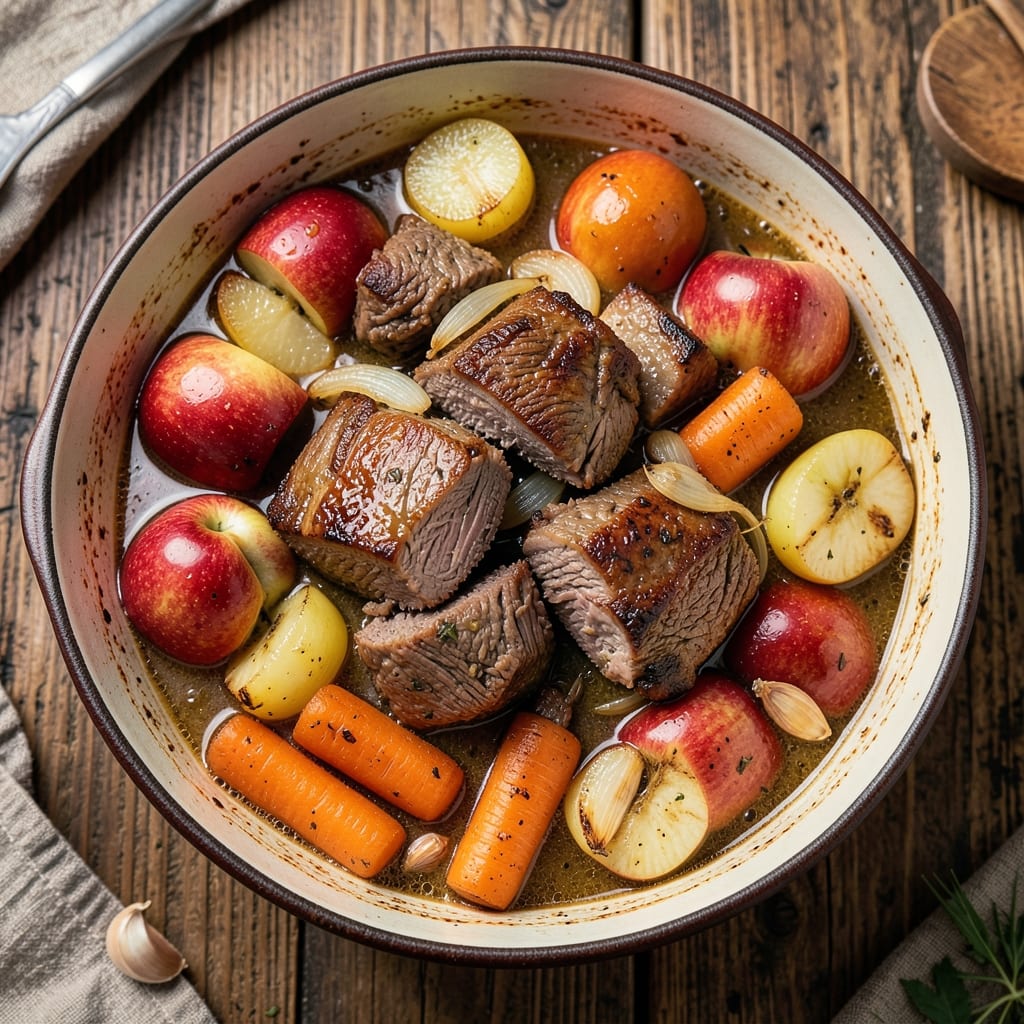
This apple beef stew recipe transforms humble ingredients into a deeply comforting dish that balances sweet apples with rich, savory beef. The secret lies in slow-simmering, where tender beef chunks and caramelized apples meld into a fragrant, hearty broth that feels like a warm embrace on chilly days. I've perfected this over years of testing—each bite delivers perfect texture and balanced flavors that make it a weeknight favorite or holiday centerpiece.
What sets this stew apart is the harmony between the sweetness of apples and the deep umami of beef, elevated by aromatic herbs and a touch of spice. The beef sears first for depth, then braises until fork-tender while the apples soften into the broth, creating a naturally sweetened sauce. This method ensures every spoonful is packed with flavor without being overly sweet or heavy.
The result is a stew that's rich yet light, with beef that falls apart at the touch of a fork and apples that contribute both sweetness and subtle tartness. The aroma alone will have everyone gathering at the table, and the versatility means it pairs beautifully with crusty bread, mashed potatoes, or even over rice for a heartier meal.
Whether you're cooking for a family dinner or meal prepping for the week, this apple beef stew delivers restaurant-quality comfort with minimal effort. The slow-cooking process means you can focus on other tasks while the flavors develop—making it the perfect solution for busy evenings. Let's get started on creating this timeless classic.
Ingredients for apple beef stew
Sweet apples meet rich beef in this cozy stew—just 15 ingredients for big flavor.
| Ingredient | Amount | Notes |
|---|---|---|
| Beef Chuck Roast 🥩 | 1 ½ lb | Cut into 1.5-inch chunks |
| Honeycrisp Apples 🍎 | 3 medium | Peeled, cored, sliced |
| Yellow Onion 🧅 | 1 whole | Chopped, medium dice |
| Carrots 🥕 | 3 medium | Peeled, sliced into rounds |
| Garlic Cloves 🧄 | 4 cloves | Minced, fresh preferred |
| Beef Broth 💧 | 4 cups | Low-sodium preferred |
| Red Wine 🍷 | 1 cup | Dry, like Cabernet |
| Tomato Paste 🍅 | 2 tbsp | Smooth texture preferred |
| Fresh Thyme 🌿 | 1 tbsp | Leaves only, chopped |
| Fresh Rosemary 🌿 | 1 tbsp | Needles only, chopped |
| Bay Leaves 🌿 | 2 whole | Remove before serving |
| Salt 🧂 | 1 ½ tsp | Kosher or sea salt |
| Black Pepper 🌶️ | ½ tsp | Freshly ground |
| Olive Oil 🫒 | 2 tbsp | Extra-virgin preferred |
| Apple Cider Vinegar 🍏 | 1 tbsp | For brightness |
The beef is non-negotiable here—chuck roast gives you that melt-in-your-mouth texture. Costco or Trader Joe's usually have it pre-cut, but if you're buying whole, ask the butcher to cube it for you. Honeycrisp apples are ideal (that perfect sweet-tart balance), but Fuji or Granny Smith work too. The onions and carrots can be baby or regular—just chop them evenly so they cook at the same rate. Fresh herbs make all the difference, so if you're using dried, cut the amount in half.
No red wine? Beef broth plus a splash of balsamic vinegar works in a pinch. The tomato paste might seem like overkill, but it deepens the flavor without adding bulk. Trader Joe's has the best pre-sliced apples if you're short on time, and their organic carrots stay crisp longer. For the thyme and rosemary, I always grab extra—half goes in the pot, half gets torn over the top at the end for that fresh aroma. The apple cider vinegar might seem odd, but it cuts through the richness and brightens everything up.
This stew tastes even better the next day—honestly, the flavors meld overnight. Keeps in the fridge for 5 days or freeze for 3 months. I double the batch and portion it into containers so lunches are sorted for the week. The beef gets fork-tender, and the apples soften into the broth, creating a naturally sweetened sauce that's anything but cloying. Trust me, the extra effort is worth it.
Why You'll Love This Recipe
- One-Pot Magic: I swear by this recipe on busy nights—just dump everything in one pot, walk away, and come back to fall-apart tender beef and caramelized apples. No fancy techniques, no stress.
- Sweet-Savory Balance: That first bite? Honeycrisp apples melt into the rich beef broth, balancing the deep umami of the chuck roast with just enough natural sweetness. Honestly, it’s the kind of flavor combo that makes you want to lick the spoon.
- Leftovers That Shine: This stew actually improves the next day—beef gets even more tender, and the apples soak up all the flavors. I freeze half for lazy Mondays when I don’t even want to think about dinner.
- Budget-Friendly Crowd-Pleaser: A whole chuck roast and a few apples stretch to feed four (or more if you’re feeding teenagers). Between us, this is my go-to for game days or when friends drop by—cheap, hearty, and no one ever complains.
Step-by-step instructions for apple beef stew
Here's how to create a rich, sweet-savory stew that balances tender beef with crisp apples.
Sear the Beef for Deep Flavor
Heat the 2 tablespoons olive oil in a large Dutch oven over medium-high heat until shimmering. Working in batches if needed, add the 1.5-pound beef chuck roast cut into 1.5-inch chunks and sear for 3-4 minutes per side until deeply browned. This step develops the Maillard reaction, creating that caramelized depth that forms the stew's foundation.
As you sear, don't overcrowd the pan—work in batches if necessary to maintain even browning. Once all beef is browned, transfer it to a plate and set aside. You'll notice the beef releases easily when properly seared, which means it's ready for the next stage. Leave the browned bits in the pot—they're packed with flavor that will dissolve into the stew.
Sauté Vegetables and Aromatics
In the same Dutch oven, add the chopped yellow onion and cook for 5 minutes until softened and beginning to caramelize. Add the sliced carrots and cook for another 3 minutes, stirring occasionally. The onions should turn golden brown at the edges, adding sweetness to balance the stew's acidity.
Next, add the minced garlic cloves and cook for 30 seconds until fragrant. Here's where it gets aromatic—you'll smell that garlic releasing its oils, which will infuse throughout the stew. Be careful not to let it burn, as garlic turns bitter quickly. Immediately add the 2 tablespoons tomato paste and stir to coat the vegetables, creating a rich base for the stew.
Deglaze and Build the Base
Pour in the 1 cup red wine and scrape up all the browned bits from the bottom of the pot with a wooden spoon. This deglazing step captures all those flavorful fond particles that would otherwise stick to the pan. Let the wine simmer for 2-3 minutes until reduced by half, concentrating its flavor.
Add the 4 cups beef broth, 1 tablespoon apple cider vinegar, 1.5 teaspoons salt, and 0.5 teaspoon black pepper. Stir in the chopped fresh thyme, chopped fresh rosemary, and 2 whole bay leaves. Bring the mixture to a gentle simmer, then return the beef to the pot, making sure it's mostly submerged in the liquid. The acidity from the vinegar brightens the flavors while the herbs add earthy depth.
Simmer Until Tender
Cover the Dutch oven and transfer it to the oven preheated to 325°F. Let the stew cook for 2.5 hours, or until the beef is fork-tender and easily pulls apart. This slow cooking method breaks down the connective tissue in the beef, transforming it into melt-in-your-mouth chunks.
About 30 minutes before the stew is done, add the 3 medium peeled and sliced Honeycrisp apples. The apples will soften slightly but retain their shape, adding a pleasant sweetness that contrasts beautifully with the savory beef. The stew should have a rich, slightly thickened consistency with just enough liquid to coat the ingredients.
Adjust and Serve
Remove the stew from the oven and let it rest for 10 minutes to allow the flavors to meld. Skim off any excess fat that has risen to the surface if desired, though it adds richness. Taste and adjust the seasoning—you might need a pinch more salt or a splash of apple cider vinegar to balance the flavors.
Ladle the stew into bowls and serve immediately. The beef should be tender enough to fall apart with a gentle tug, while the apples add a subtle sweetness that cuts through the richness. The aroma alone will make your kitchen smell like a cozy autumn evening. Pair with crusty bread to soak up every last drop of that flavorful broth.
Pro Tips For Making Apple Beef Stew
- Sear the Chuck First: Don’t skip the crust—pat the beef chuck dry, then hit it with high heat in a heavy pot until it’s deep brown on all sides. I learned this the hard way: skipping the sear means flavorless, mushy beef. Use about 2 tablespoons of oil and don’t crowd the pot (yes, even if you’re impatient like me).
- Core the Apples: Cut out the center of Honeycrisp apples before slicing—it keeps them from turning to mush while stewing. I used to just slice them whole, and they’d dissolve into the sauce. A small spoon or melon baller works perfectly, and you’ll save yourself from fishing for apple bits later.
- Deglaze with Apple Juice: After browning the beef and onions, splash in ½ cup apple juice (or cider) instead of water—it adds sweetness and depth without overpowering. I was skeptical until I tried it; the stew tastes richer, and you won’t need extra sugar.
- Simmer Low and Slow: Cover the stew and cook on low heat for at least 2.5 hours, stirring occasionally to prevent sticking. I used to rush it, and the beef came out tough. A slow simmer breaks down the collagen, turning the chuck into tender, pull-apart perfection—no guesswork, just time.
Storing and reheating this dish
Fridge Storage
Let your stew cool completely before transferring to an airtight container—I love using glass Pyrex with snap-on lids for easy reheating. Store in the fridge at 40°F or below for up to 5 days. The flavors actually deepen overnight as the beef absorbs more of the apple-infused broth. I always portion it into 2-cup servings for quick lunches. 💡
Freezer Prep
For longer storage, freeze the stew in quart-sized freezer bags with 1 inch headspace for expansion. Label with the date and freeze for up to 3 months. When ready to eat, thaw overnight in the fridge—never at room temperature. The texture stays remarkably good, though the apples may soften slightly more than fresh. 🥶
Stovetop Reheating
My preferred method is stovetop because it preserves the stew's rich texture. Transfer to a pot and heat over medium-low heat for 10-15 minutes, stirring occasionally. Add 2-3 tablespoons water or broth if it looks too thick. Taste and adjust seasoning—fridge-stored stew often needs a pinch of salt or extra vinegar to brighten flavors. 🔥
Microwave Safety
For quick reheating, use the microwave in 1-minute intervals on 50% power. Stir between intervals to distribute heat evenly. Cover with a damp paper towel to prevent drying. The stew should reach 165°F internal temperature—use a meat thermometer to check. Add a splash of broth if it thickens too much. ⚡
Broth Boost
If reheating feels flat, revive it by adding 1 tablespoon apple cider vinegar or a splash of red wine while warming. The acidity cuts through any richness that develops from storage. For extra depth, sprinkle in ¼ teaspoon smoked paprika or a pinch of ground cinnamon—both complement the apples beautifully. 🌟
Serving Tips
Serve reheated stew with warm crusty bread or buttery mashed potatoes to soak up the flavorful broth. Garnish with fresh parsley or a drizzle of olive oil for freshness. The stew tastes best when served piping hot, so plan to reheat just before eating for maximum enjoyment. 🍽️
Nutrition facts
Frequently asked questions about apple beef stew
Can I substitute red wine with something else?
If you don't have red wine, use 1 cup beef broth plus 1 tablespoon balsamic vinegar for similar depth. For a non-alcoholic option, try 1 cup apple cider—it adds natural sweetness that complements the apples beautifully. The key is balancing acidity to brighten the stew's flavors.
How do I prevent the apples from turning mushy?
Add the apples only in the last 30 minutes of cooking to maintain texture. Use firmer varieties like Honeycrisp or Fuji and slice them ¼-inch thick. For extra stability, toss apple slices in 1 teaspoon lemon juice before adding to the stew. This keeps their shape while still infusing sweetness into the broth.
What's the best cut of beef for this recipe?
Chuck roast is ideal because it stays tender when slow-cooked and has great flavor. Budget-friendly options include stew meat or chuck shoulder. Avoid lean cuts like sirloin—they'll dry out. For extra richness, trim excess fat before searing, but leave some for flavor.
Can I make this stew in a slow cooker?
Yes! Brown the beef first in a skillet, then transfer everything to the slow cooker. Cook on low for 7-8 hours or high for 4-5 hours. Add apples in the last 30 minutes to prevent mushiness. The slow cooker method actually enhances the beef's tenderness while keeping the apples slightly crisp.
Why does my stew taste too sweet?
Too many apples or overcooking them releases excess sugar. Balance with 1 tablespoon apple cider vinegar or a pinch of black pepper to cut sweetness. For future batches, reduce apple slices by ½ cup or add them later in cooking. The red wine and tomato paste already provide natural depth without extra sweetness.