
Main Courses
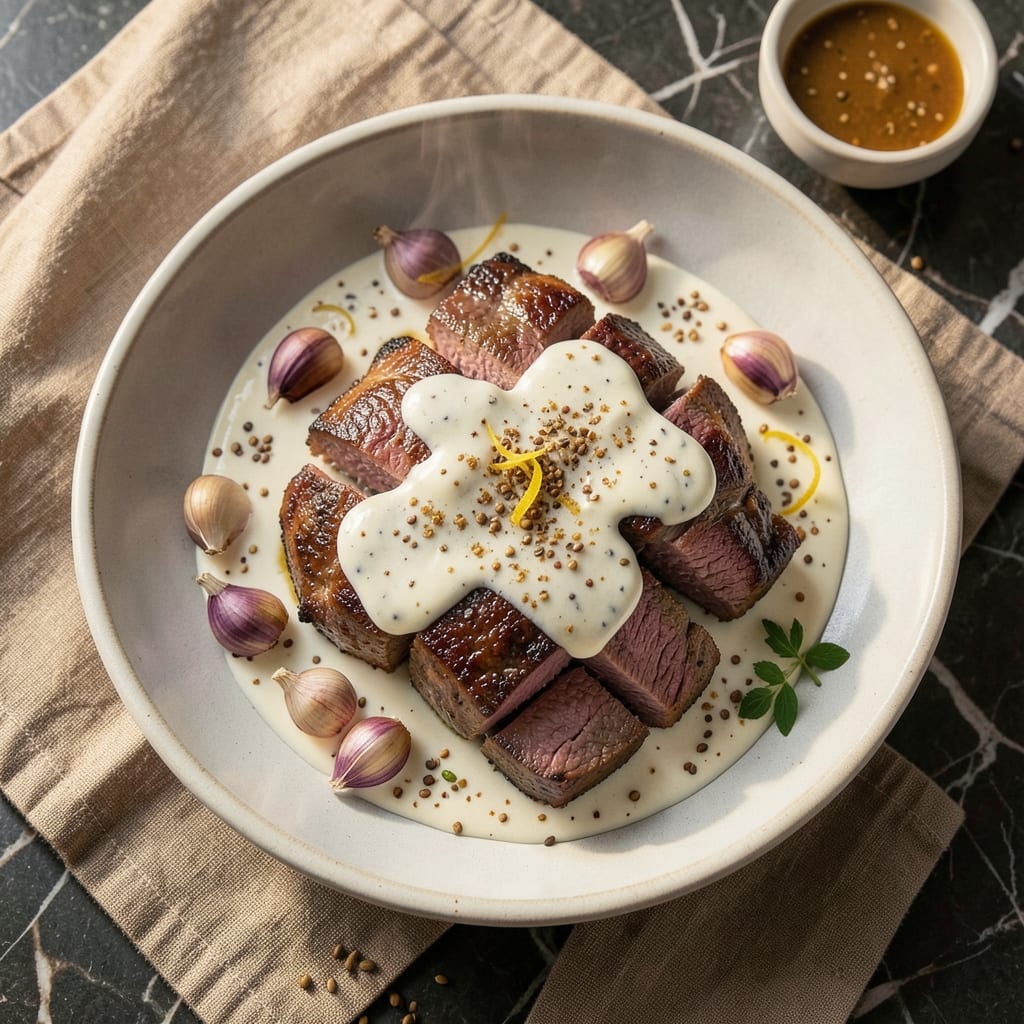
This Arabic beef recipe transforms tough cuts into melt-in-your-mouth tenderness through a time-honored yogurt braise and charred crust. The secret lies in a marinade of yogurt, garlic, and aromatic spices that tenderizes while building layers of flavor—smoky, tangy, and rich—perfect for a weeknight dinner or special gathering. What sets this dish apart is the dual-texture technique: slow-braising for succulence and a final sear for that prized charred exterior.
The process begins with a 24-hour marinade where yogurt's acidity breaks down fibers, while cumin, coriander, and cinnamon infuse the meat with warmth. After braising in its own juices, the beef develops a deep caramelized crust that seals in moisture—no tough, dry bites here. This method works beautifully with chuck roast or beef shoulder, both budget-friendly and forgiving cuts that deliver restaurant-quality results at home.
By the time you serve, you'll have beef so tender it practically falls apart, coated in a glossy, spiced reduction that clings to every bite. The aroma alone—warm spices mingling with caramelized meat—transforms any meal into a celebration. Serve with fluffy basmati rice, warm flatbread, and a simple cucumber salad to balance the richness.
What makes this recipe truly special is its versatility. Use it for family dinners, potlucks, or even meal prep—leftovers reheat beautifully while maintaining that perfect balance of tenderness and flavor. The technique is foolproof, but the reward is undeniably luxurious. Let's get cooking!
Ingredients for arabic beef
Nine aromatic spices and yogurt's tenderizing magic transform tough beef into restaurant-quality perfection.
| Ingredient | Amount | Notes |
|---|---|---|
| Chuck Roast 🥩 | 2 ½ lb | Bone-in preferred for flavor |
| Plain Yogurt 🥛 | 1 cup | Full-fat, unsweetened |
| Garlic Cloves 🧄 | 6 cloves | Minced for marinade |
| Ground Cumin 🌿 | 1 ½ tbsp | Toasted for depth |
| Ground Coriander 🌿 | 1 tbsp | Freshly ground preferred |
| Ground Cinnamon 🌿 | ½ tsp | Warm spice essential |
| Ground Allspice 🌶️ | ¼ tsp | For complexity |
| Salt 🧂 | 1 ½ tsp | Diamond Crystal preferred |
| Black Peppercorns 🌶️ | ½ tsp | Freshly cracked |
| Olive Oil 🫒 | 2 tbsp | Extra-virgin for richness |
| Onion 🧅 | 1 whole | Yellow, diced |
| Tomato Paste 🍅 | 2 tbsp | San Marzano preferred |
| Water 💧 | ½ cup | For braising liquid |
| Fresh Lemon Juice 🍋 | 1 tbsp | Brightens flavors |
The chuck roast is the star—look for cuts with good marbling at Whole Foods or your trusted butcher. Bone-in pieces develop richer flavor, but boneless works too. For the yogurt, full-fat Greek-style delivers the best texture and acidity; skip the low-fat versions. The spices should be freshly ground whenever possible—Penzeys or bulk bins at specialty stores ensure maximum potency. Toast the cumin and coriander seeds briefly in a dry pan before grinding for an extra layer of warmth that elevates the entire dish. Garlic should be vibrant, not sprouting, and the olive oil should be extra-virgin with noticeable fruity notes.
No cumin? Cardamom at half the amount adds warmth, though it changes the profile slightly. Substituting dried spices for fresh? Use one-third the quantity—dried coriander and allspice work well. The tomato paste can be swapped for crushed tomatoes (½ cup) if preferred, though paste concentrates the flavor beautifully. For a deeper color, add a pinch of smoked paprika. The lemon juice is crucial—freshly squeezed brightens the dish, but bottled works in a pinch. If you're making this ahead, prep the marinade ingredients first and store them separately until ready to combine.
This dish tastes even better the next day as flavors meld. Store leftovers in an airtight container in the fridge for up to 5 days or freeze for 3 months. For reheating, use low heat with a splash of water to prevent drying. The braising liquid reduces to a glossy sauce—save it for drizzling over rice or flatbread. The charred crust is best achieved fresh, but if reheating, sear briefly in a hot pan to restore that prized texture. Portion into containers for easy meal prep, as the beef stays remarkably tender when reheated properly.
Why You'll Love This Recipe
- One-Pot Magic: I swear by this—just toss the chuck roast, yogurt marinade, and spices into a single pot. No chopping, no fussing, and that slow-cooked tenderness? It practically falls apart with a fork.
- Tangy, Earthy, Rich: The yogurt keeps it creamy while the cumin and coriander add that deep, warm kick. Between us, the garlic-clove punch makes it taste like a restaurant dish—even when I’m too tired to care.
- Leftovers? Yes, Please: This beef stays ridiculously flavorful for days. I’ll make a double batch on Sundays, slice it thin for wraps, or toss it into grain bowls all week—no sad, dry reheats here.
- Budget Beef, Big Impact: A chuck roast stretches for meals, and the yogurt-spice mix costs pennies. Honestly, it’s my go-to when I need a hearty, satisfying dinner without breaking the bank—or my willpower.
Step-by-step instructions for spiced yogurt-braised chuck roast
This method delivers melt-in-your-mouth tenderness with a rich, aromatic crust—exactly what makes this dish a Middle Eastern staple.
Prepare the Yogurt Marinade
In a mixing bowl, combine the 1 cup plain yogurt, 1.5 tablespoons ground cumin, 1 tablespoon ground coriander, 0.5 teaspoon ground cinnamon, 0.25 teaspoon ground allspice, 1.5 teaspoons salt, and 0.5 teaspoon freshly cracked black peppercorns. Whisk until smooth and fully integrated—this blend creates the aromatic foundation.
Next, add the 6 minced garlic cloves and 1 tablespoon fresh lemon juice, mixing again until evenly distributed. The acidity from the lemon juice helps tenderize the meat while balancing the richness of the yogurt. Let this marinade sit at room temperature for 15 minutes while you prepare the roast.
Sear the Chuck Roast for Depth
Heat a Dutch oven over medium-high heat and add the 2 tablespoons olive oil. Once shimmering, place the 2.5 lb chuck roast in the pot, fat-side down, and sear undisturbed for 6-8 minutes until a deep golden-brown crust forms. This step is critical—it locks in juices and develops the Maillard reaction that creates complex flavors.
Flip the roast and sear the other side for another 4-5 minutes. Remove the roast and set it aside, reserving the browned bits in the pot—they'll form the base of your braising liquid. Here's the thing—don't rush this step. The longer you sear, the more flavor you build.
Build the Braising Liquid
In the same Dutch oven, add the 1 diced whole onion and cook for 3-4 minutes until softened and slightly caramelized. Stir in the 2 tablespoons tomato paste, scraping up any browned bits from the bottom of the pot. This creates a rich, umami-packed base for your braise.
Pour in the yogurt marinade, scraping the bowl clean to ensure all the spice blend transfers. Add the 0.5 cup water and bring the mixture to a gentle simmer over medium heat. The liquid should coat the bottom of the pot by about ¼ inch—this ensures even moisture distribution during braising.
Braise to Perfection
Return the seared chuck roast to the pot, placing it fat-side up. Cover tightly with a lid and transfer to a preheated 325°F oven. Braise for 2.5 to 3 hours, until the meat is fork-tender and pulls apart easily. I check for doneness by inserting a meat thermometer—the internal temperature should reach 200-203°F.
If the liquid reduces too quickly, add 2-3 tablespoons hot water to maintain the braising liquid level. The key here is patience—the slow cook ensures the connective tissues break down, resulting in that signature melt-in-your-mouth texture. Don't peek at the roast during cooking—each time you lift the lid, you risk losing heat and moisture.
Rest and Serve
Once the roast reaches the proper temperature, remove it from the oven and transfer to a cutting board. Tent loosely with foil and let it rest for 15-20 minutes. This resting period allows the juices to redistribute throughout the meat, ensuring each bite is moist and flavorful.
After resting, slice the chuck roast against the grain into ¼-inch thick pieces. Ladle the braising liquid over the top, ensuring each serving gets its share of that rich, spiced yogurt sauce. Serve immediately with crusty bread or over rice to soak up every last drop of that aromatic liquid. The result should be tender, juicy beef with a complex balance of yogurt tang, warm spices, and caramelized crust.
Pro Tips For Making Arabic Beef
- SEAR THE ROAST FIRST: Chuck roast needs a crust to hold up to the yogurt marinade. Hit it with a hot pan—no oil needed—and let it brown deeply on all sides before adding any liquid. I used to skip this, and the meat would turn out tender but bland, like it was hiding under the spices.
- GRIND YOUR GARLIC: Whole cloves get lost in the yogurt mix. Pulse them in a food processor with a pinch of salt until you’ve got a paste—this distributes flavor evenly and cuts down on cleanup. I learned this the hard way after pulling out three cloves from a finished dish.
- DON’T OVERMIX THE MARINADE: Stir the yogurt, spices, and garlic just until combined—lumpy is fine. Overworking it breaks down the yogurt’s proteins, making the marinade watery and the meat less tender. My first batch turned out soggy because I treated it like a smoothie.
- LOW AND SLOW AFTER SEARING: After browning, reduce heat to a simmer and cover the pot. Let it cook at 300°F (150°C) for at least 2.5 hours—chuck roast needs time to melt into shreds, not just warm through. I rushed it once and ended up with chewy, undercooked bits. Patience is the thing that matters most here.
Creative variations of this arabic beef
Lebanese Mansaf Style
For a true Middle Eastern feast, transform this recipe into Mansaf, Jordan's national dish. After braising the beef, shred it and serve over a bed of jasmine rice topped with tahini sauce (made with ½ cup tahini, 1 cup warm water, and 1 tbsp lemon juice). The sauce should be thick enough to cling to the rice. Garnish with toasted pine nuts and serve with yogurt on the side for dipping. 🌟
Moroccan Tagine Twist
Add a North African flair by incorporating preserved lemon and apricots into the braise. After searing the beef, add ½ cup chopped preserved lemon peel and ½ cup pitted apricots along with the onions. The sweet-tart balance of the apricots complements the yogurt marinade beautifully. Finish with a sprinkle of cinnamon and serve with couscous instead of rice. ✨
Spicy Yemeni Influence
For heat lovers, boost the spice profile with harissa and fenugreek. Mix 1 tbsp harissa paste into the yogurt marinade, and add ½ tsp ground fenugreek to the braising liquid. The harissa adds smoky depth, while fenugreek brings a unique bitterness that pairs perfectly with beef. Serve with flatbread and a cooling mint-yogurt dip to balance the heat. 🌶️
Turkish Kebabs Fusion
Turn this into a kebab-style dish by cutting the braised beef into 1-inch cubes and skewering them with bell peppers, red onions, and cherry tomatoes. Grill the skewers over medium-high heat for 3-4 minutes per side until charred. Serve with garlic yogurt sauce (mix ½ cup yogurt, 1 minced garlic clove, and 1 tbsp olive oil) and pita bread. This fusion keeps the yogurt's tenderness while adding smoky grill flavors. 🔥
Egyptian Kofta Adaptation
For a ground beef variation, finely chop the braised beef and mix it with ½ cup breadcrumbs, 1 egg, and 1 tbsp chopped parsley. Shape into patties and pan-fry until golden. Serve with ful medames (mashed fava beans) and pickled vegetables for a classic Egyptian street-food experience. The yogurt marinade's tanginess shines in this handheld format. 💫
Sweet & Savory Date Version
Add a Middle Eastern dessert-inspired twist by caramelizing ½ cup pitted dates with the onions during the braising process. The natural sweetness of the dates balances the spices, creating a dish that's both savory and subtly sweet. Serve with saffron-infused rice and a sprinkle of toasted almonds for crunch. This variation works beautifully for holiday gatherings. 🍯
Nutrition facts
Frequently asked questions
Can I use a different cut of beef for this recipe?
This recipe works best with chuck roast or beef shoulder due to their marbling and connective tissue, which create tenderness when braised. For leaner cuts like sirloin, reduce braising time to 1.5 hours and add 1 tablespoon olive oil to the marinade to prevent dryness. Avoid tough, lean cuts like flank steak—they won't become tender enough with this method.
How do I adjust the spice level for sensitive palates?
For milder flavor, reduce the cumin and allspice to 1 teaspoon each and omit the cinnamon entirely. Add ½ teaspoon ground ginger instead—it’s warming but less overpowering. The yogurt marinade naturally mellows the spices, so the dish remains aromatic without being intense. Taste the marinade before applying to the meat to adjust further.
Can I make this recipe in a slow cooker?
Sear the beef as directed, then transfer it to a slow cooker with the braising liquid. Cook on LOW for 7-8 hours or HIGH for 4-5 hours. The slow cooker’s gentle heat ensures even tenderness. For extra richness, stir in 2 tablespoons tomato paste during the last 30 minutes of cooking. The texture will be slightly softer than oven-braised, but still delicious.
What’s the best way to reheat leftovers?
Reheat in a skillet over low heat with a splash of water or beef broth to prevent drying. Cover and cook for 5-7 minutes until warmed through. Avoid microwaving—it can make the beef rubbery. For extra flavor, add a pat of butter or a drizzle of olive oil while reheating. Leftovers keep well for 5 days in the fridge or 3 months frozen.
Why did my beef turn out tough instead of tender?
Overcooking is the most common issue—beef should reach 200-203°F, not 210°F+. Check doneness with a meat thermometer, not time alone. Another culprit? Skipping the sear or using too much liquid, which dilutes the braising sauce. Ensure the pot is covered tightly and the liquid coats the bottom by ¼ inch. If the meat is still tough, shred it and use it in wraps or sandwiches where texture matters less.