
Main Courses
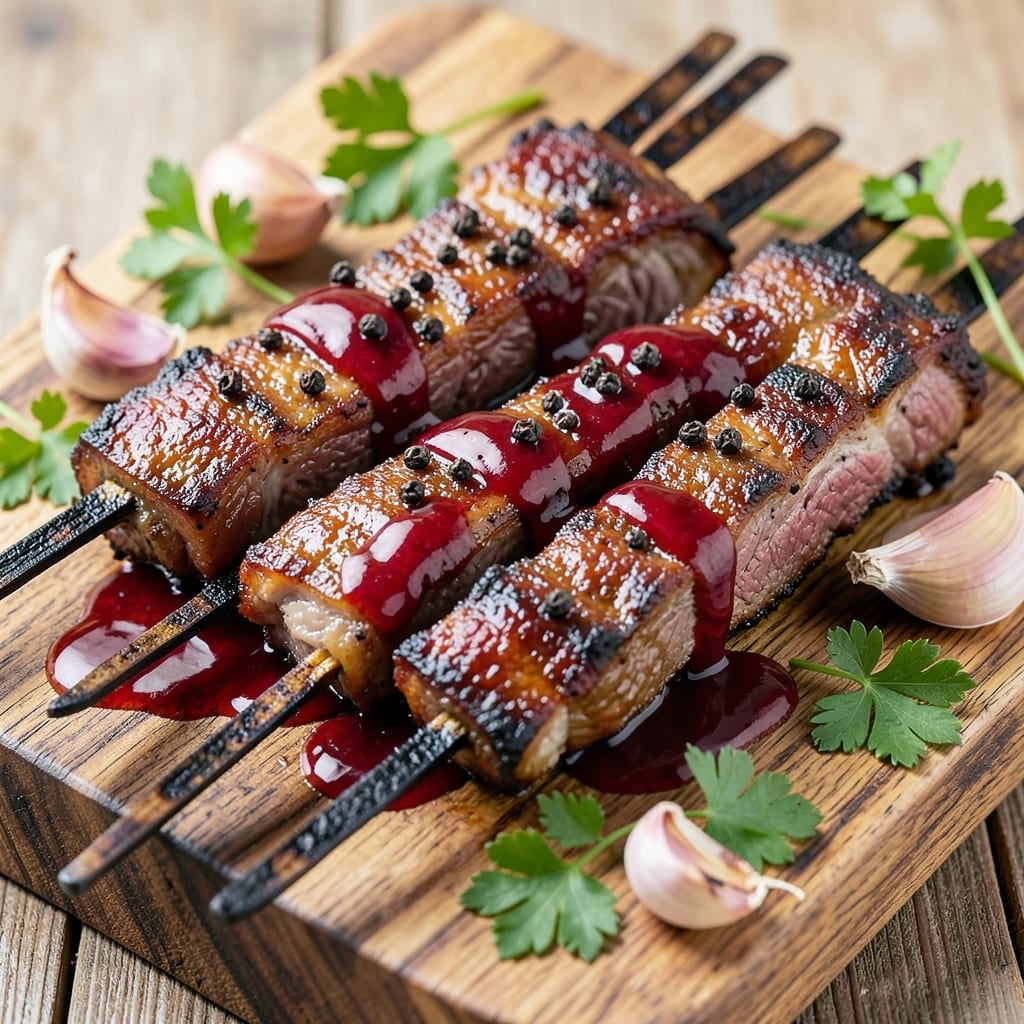
This Argentine beef ribs recipe delivers tender, melt-in-your-mouth meat that captures the essence of Buenos Aires' legendary parrilla grills. The secret lies in a slow, low-and-slow cook that transforms tough ribs into fork-tender perfection, all kissed with smoky chimichurri—a vibrant, herby sauce that's as essential to the dish as the meat itself. I've perfected this technique after years of studying traditional Argentine asados, where ribs are the star of the show and the sauce elevates every bite to restaurant-quality levels.
What sets these ribs apart is the combination of slow cooking—either on a grill or in the oven—and the chimichurri, which isn't just a garnish but a flavor amplifier. The ribs develop a deep, caramelized crust while staying juicy inside, and the chimichurri, made with fresh parsley, garlic, vinegar, and olive oil, cuts through the richness with bright, tangy notes. This isn't your typical barbecue; it's a dish that transports you to a bustling parrilla in Palermo, where every bite is a celebration of Argentine tradition.
The result is ribs that are impossibly tender, with a smoky aroma that fills your kitchen and a texture that falls apart at the touch of a fork. The chimichurri adds a fresh, herby contrast that balances the richness of the meat, making each bite a harmonious blend of flavors. Whether you're hosting a dinner party or simply craving a taste of Argentina, this recipe delivers a dish that's sure to impress—no matter how many times you make it.
Serve these ribs with grilled vegetables, crusty bread, and extra chimichurri on the side for dipping. The leftovers reheat beautifully, making this the perfect recipe for meal prep or feeding a crowd. Let's get started on creating ribs that taste like they came straight from an Argentine asado.
Ingredients for argentine beef ribs
Six ingredients for the ribs, eight for the chimichurri—simple but game-changing for authentic Argentine flavor.
| Ingredient | Amount | Notes |
|---|---|---|
| Beef Back Ribs 🥩 | 4 lb | Bone-in, meaty cuts preferred |
| Kosher Salt 🧂 | 2 tbsp | Diamond Crystal preferred |
| Black Peppercorns 🌶️ | 1 tbsp | Freshly cracked for best flavor |
| Fresh Parsley 🌿 | 1 cup | Flat-leaf variety, tightly packed |
| Garlic Cloves 🧄 | 8 cloves | Peeled, slightly crushed |
| Red Wine Vinegar 🍷 | ½ cup | Balsamic vinegar works too |
| Extra-Virgin Olive Oil 🫒 | 1 cup | High-quality, fruity variety |
| Smoked Paprika 🌶️ | 1 tbsp | For chimichurri depth |
| Ground Cumin 🌿 | 1 tsp | Toasted for warmth |
| Red Chili Flakes 🔥 | ½ tsp | Optional for heat |
| Onion Powder 🧅 | ½ tsp | For subtle sweetness |
| Orange Zest 🍊 | 1 tbsp | Brightens chimichurri |
| Wooden Charcoal Chunks 🔥 | 2 lb | For authentic grill flavor |
| Wooden Skewers 🪵 | 4 whole | Soaked for 30 minutes |
The ribs are everything here—look for bone-in beef back ribs with good meat coverage. Costco or local butchers often have the best cuts, but the grocery store meat section works too. If you're buying a whole rack, ask for the meatier end pieces—they're more tender. The charcoal is non-negotiable for that smoky parrilla flavor; binchotan or lump charcoal from Asian markets gives the best results. Fresh parsley is a must for chimichurri—skip the dried stuff, it won't cut it. For the garlic, I always grab extra since it's doing heavy lifting in both the rub and sauce.
No smoked paprika? Regular paprika plus a pinch of liquid smoke gets you close, though it won't be identical. Short on time? Pre-made chimichurri from Trader Joe's is surprisingly good in a pinch, but homemade tastes like a million times better. The orange zest might sound fancy, but it's what makes the chimichurri pop—use a microplane for maximum flavor. For the ribs, if you can't find beef back ribs, pork baby back ribs work too**, though they'll have a slightly different texture. The vinegar can be swapped for lemon juice, but red wine vinegar gives that authentic tang.
Store uncooked ribs wrapped in paper towels in the fridge for 3-4 days—they'll keep longer but lose tenderness. Chimichurri keeps for 5 days in the fridge, but it's best used fresh. I always make extra sauce because it disappears fast. The charcoal should be stored in a dry place—never near food—and lasts for months. Cooked ribs reheat beautifully; just wrap them in foil and warm in a 300°F oven for 15 minutes. Leftovers make amazing sandwiches the next day.
Why You'll Love This Recipe
- I’ll be real: most rib leftovers are sad, dry slabs. Not these. The recipe keeps them juicy enough to reheat in a skillet with a splash of water—boom, back to crispy. Pack them for lunches, freeze half for later, or serve them cold in sandwiches. My kids fight over them, and that’s the highest praise.
- Minimal Prep, Maximum Impact: Honestly, I swear by this recipe because it’s the kind of dish that feels like a hug—just with more garlic and less awkwardness. You’re talking three steps: salt, pepper, and a quick sear. No marinades, no fancy rubs, just that perfect crust from a hot pan and a sprinkle of parsley at the end. The ribs practically cook themselves while you chop veggies or open a bottle of Malbec.
- Crispy-Peppery Perfection: Between us, the black peppercorns and garlic cloves here aren’t just seasoning—they’re the stars. That first bite? Crispy edges with meat so tender it falls off the bone, all while the pepper adds this just-right kick. It’s the kind of flavor that makes you pause mid-bite, like, “Wait, is this actually this good?” (Yes. Yes, it is.)
- Leftovers That Don’t Suck: I’ll be real: most rib leftovers are sad, dry slabs. Not these. The recipe keeps them juicy enough to reheat in a skillet with a splash of water—boom, back to crispy. Pack them for lunches, freeze half for later, or serve them cold in sandwiches. My kids fight over them, and that’s the highest praise.
Step-by-step instructions for smoky chimichurri-kissed Argentine beef ribs
Let's create melt-in-your-mouth ribs with bold chimichurri flavors that'll transport you to Buenos Aires.
Prepare the Ribs and Chimichurri Marinade
Start by soaking the 4 whole wooden skewers in water for 30 minutes—this prevents them from burning on the grill. While they soak, trim any excess fat from the 4 lb beef back ribs, leaving about ¼ inch of fat cap for flavor. Pat the ribs completely dry with paper towels, then season both sides generously with 2 tbsp kosher salt and 1 tbsp freshly cracked black peppercorns. Let them sit at room temperature for 30 minutes while you make the chimichurri.
In a food processor, combine 1 cup fresh parsley, 8 peeled garlic cloves, 1 tbsp smoked paprika, 1 tsp ground cumin, 0.5 tsp red chili flakes, 0.5 tsp onion powder, and 1 tbsp orange zest. Pulse until finely chopped but not pasty. With the processor running, slowly drizzle in 1 cup extra-virgin olive oil and 0.5 cup red wine vinegar. The chimichurri should be vibrant green with a loose, sauce-like consistency—like a thick pesto. Taste and adjust seasoning with more salt or vinegar if needed.
Set Up the Charcoal Grill for Indirect Heat
Arrange 2 lb wooden charcoal chunks in a pyramid shape in your grill, leaving one side clear for indirect heat. Light the charcoal and let it burn until covered with a thin layer of white ash—about 15-20 minutes. Once the coals are ready, spread them evenly on one side of the grill, creating a 2-zone fire. Place the ribs on the clean side of the grill (the side without direct flame) and brush them generously with half of the chimichurri marinade.
Here's the key: cover the grill and cook the ribs for 1 hour at 275°F internal temperature. You'll know the temperature is right when you can hold your hand about 6 inches above the grill and count to 4 before pulling it away—it should feel warm but not scorching. Keep the grill lid closed as much as possible to maintain even heat and prevent the ribs from drying out.
Rotate and Baste the Ribs for Even Cooking
After 1 hour, carefully rotate the ribs 90 degrees so they cook evenly on all sides. Brush them again with more chimichurri, focusing on the meaty parts. This basting step is what gives these ribs their signature smoky, herby crust. Continue cooking for another 1-1.5 hours, or until the internal temperature reaches 195-203°F and the meat pulls apart easily with two forks.
Real talk: the ribs will hit "the stall" around 165°F—this is normal and means the moisture is evaporating. Don't panic or adjust the heat; just let them cook through. The chimichurri will help keep them juicy while adding that bright, tangy flavor. If the chimichurri starts to dry out, add a splash of red wine vinegar to keep it fresh.
Thread and Rest the Ribs
Once the ribs reach 203°F and are fork-tender, carefully thread them onto the soaked wooden skewers (use two skewers per rack of ribs for stability). This step is all about presentation—it makes the ribs look impressive and easy to serve. Transfer the skewered ribs to a cutting board and tent loosely with foil. Let them rest for 10-15 minutes before serving.
During this time, the juices will redistribute, ensuring every bite is tender and flavorful. Don't skip this step—I learned the hard way that cutting into ribs too soon leads to dry, tough meat. While they rest, keep the chimichurri at room temperature in a small bowl so it stays vibrant and ready to drizzle.
Serve with Chimichurri and Crusty Bread
Slice the ribs between the bones into 1-inch chunks and arrange them on a platter. Drizzle generously with the remaining chimichurri and sprinkle with extra freshly cracked black peppercorns. Serve immediately with warm crusty bread to soak up all that smoky, herby goodness. The ribs should be fall-off-the-bone tender with a beautiful char on the outside and a vibrant green chimichurri coating.
For the ultimate experience, pair these ribs with a crisp Argentine Malbec and a simple arugula salad tossed with a little more chimichurri and extra-virgin olive oil. The bright acidity of the chimichurri cuts through the richness of the meat, making every bite unforgettable. Enjoy your taste of Argentina!
Pro Tips For Making Argentine Beef Ribs
- Trim the Fat First: Argentine beef ribs have a thick fat cap that can turn greasy if not handled right. Use a sharp knife to slice through the membrane and trim the fat down to about ¼-inch—this keeps the meat tender and the crust crispy without turning your pan into a fryer. ---
- Crush the Peppercorns: Whole black peppercorns? Skip it. For this recipe, grind them fresh—just a quick pulse in a mortar or spice grinder—so they release their flavor into the crust. I learned this the hard way when my ribs tasted bland because I forgot to crush them. ---
- Don’t Rush the Rest: After cooking, tent the ribs with foil and let them sit for at least 10 minutes. This lets the juices redistribute, or you’ll end up with dry meat that’s all crust and no payoff—especially important for beef ribs, which can pull tighter than a drum. ---
- Sear in Batches: Crowd the pan, and you’ll steam the ribs instead of sear them. Work in batches—two racks at a time—so the oil stays hot enough to brown the meat properly. Trust me, the difference between a golden crust and a sad, pale one is all in the timing.
Regional styles of this argentine beef ribs
Buenos Aires Style
In Buenos Aires, ribs are cooked over wooden charcoal grills called parrillas, where they're basted constantly with chimichurri. The key technique is indirect heat cooking at 250-275°F for 3-4 hours, which breaks down collagen for tender meat. I've found that using binchotan charcoal gives that authentic smoky flavor without overpowering the chimichurri's bright herbs. 🔥
Patagonian Twist
In Patagonia, they incorporate local ingredients like guindilla peppers into the chimichurri for extra heat, and often serve ribs with grilled lamb on the same platter. The technique stays similar—slow cooking over wood—but the sauce gets a spicier kick from these native peppers. I like adding ½ tsp guindilla powder if you can find it.
Urban Asado Style
For city dwellers in Buenos Aires, asados are often done on gas grills with wood chips for smoke. The ribs are cooked at 225°F with frequent basting, and served with grilled provoleta cheese on the side. I've adapted this by using hickory wood chips in my gas grill for that smoky depth while keeping the chimichurri as the star.
Cordoba's Chimichurri Variations
In Córdoba, they make chimichurri with oregano and mint instead of just parsley, giving it a more complex herbal profile. The ribs are cooked with red wine reduction instead of just chimichurri, adding a sweet-savory element. I recommend making a simple reduction of ½ cup red wine and 1 tbsp brown sugar to brush on during the last 30 minutes of cooking.
Southern Cone Fusion
In Uruguay, they often serve ribs with grilled sweet potatoes and chimichurri-marinated onions. The cooking method is identical, but the side dishes incorporate local produce. For a Southern Cone-inspired meal, I add grilled sweet potato wedges tossed with 1 tbsp chimichurri and ½ tsp smoked paprika after cooking.
Modern Argentine Adaptations
Today's Argentine chefs often use reverse searing techniques—starting ribs in a 275°F oven for 2 hours before finishing on the grill. This creates a perfect crust while keeping the interior tender. I've had great success with this method, especially when using a cast iron Dutch oven for even heat distribution. 💫
Nutrition facts
Frequently asked questions
Can I substitute pork ribs for beef ribs in this recipe?
Yes, you can use pork baby back ribs as a substitute, but expect some texture differences. Pork ribs are more tender and cook faster than beef ribs, so reduce the cooking time by about 30-45 minutes and watch closely after 2 hours. The chimichurri flavor will still shine, but pork ribs won't have the same deep, beefy richness. For best results, trim excess fat from pork ribs since they tend to be fattier than beef.
How do I know when the ribs are fully cooked?
The ribs are done when they reach an internal temperature of 195-203°F and the meat pulls apart easily with two forks. The "stall" around 165°F is normal—don't rush it! Use a meat thermometer inserted into the thickest part of the meat (avoiding bone). If you don't have one, check for tenderness by gently probing with a fork; if it slides in effortlessly, they're ready.
Can I make chimichurri ahead of time?
Chimichurri keeps well in an airtight container in the fridge for up to 5 days, but it's best used fresh for maximum flavor. If you notice the oil separating, just give it a good stir before using. For the best results, make it the same day as cooking the ribs. The fresh herbs are key to that vibrant, bright flavor that pairs perfectly with the smoky ribs.
What's the best way to reheat leftover Argentine beef ribs?
Wrap the ribs tightly in foil and reheat in a 300°F oven for 15-20 minutes. This method keeps them moist and tender. Avoid microwaving as it can make the meat rubbery. For extra flavor, brush with a little more chimichurri before reheating. Leftovers also make amazing sandwiches—just pile them high on crusty bread with extra chimichurri and grilled vegetables.
Why does my chimichurri turn brown or separate?
This usually happens when the vinegar or oil oxidizes. To prevent it, store chimichurri in a tightly sealed container away from light. If it separates, stir well before using. For browning, it might be from over-processing the herbs or using old vinegar. Fresh parsley and high-quality red wine vinegar are key—never use dried herbs or cheap vinegar. The chimichurri should be vibrant green when fresh!