
Main Courses
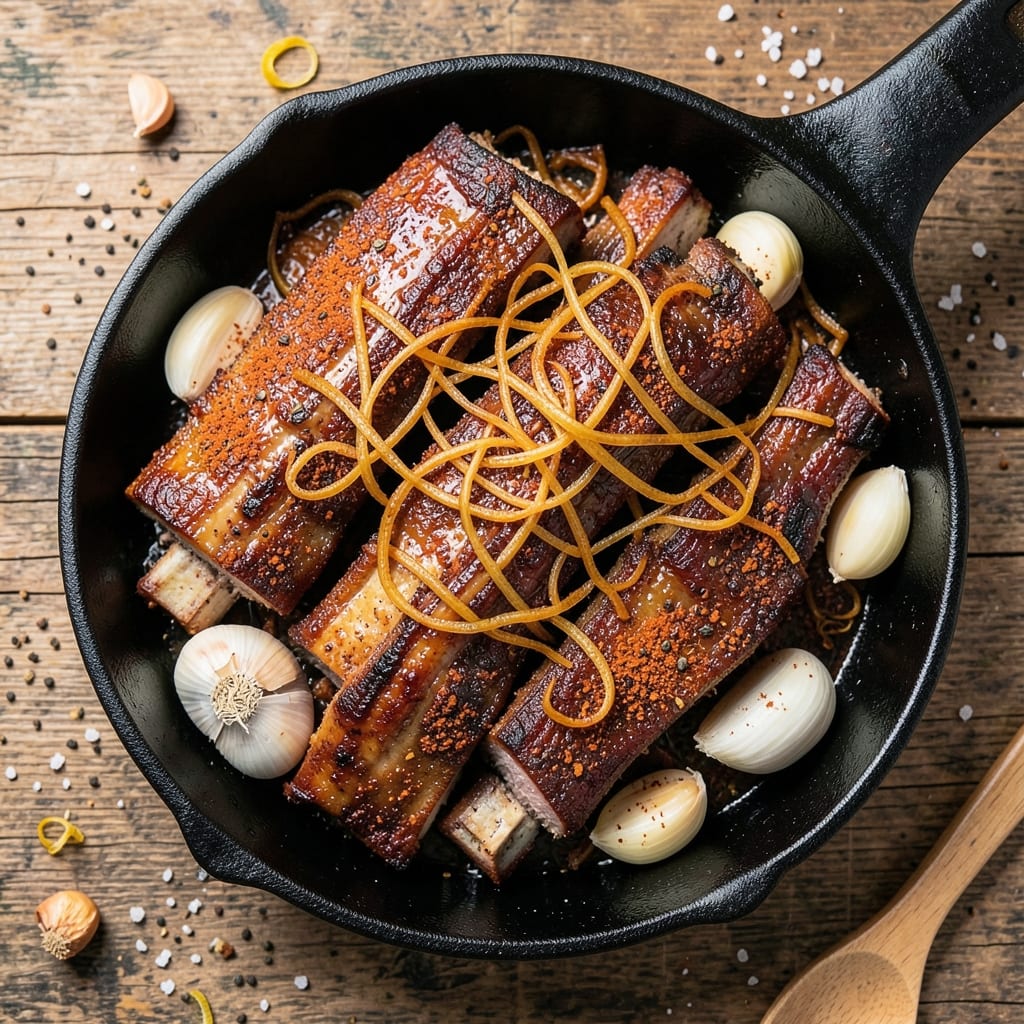
This Argentinian beef ribs recipe delivers fall-off-the-bone tenderness with a bold chimichurri finish that transports you straight to Buenos Aires. The secret lies in a low-and-slow cook that transforms tough ribs into melt-in-your-mouth perfection, followed by a bright, herby chimichurri that cuts through the richness. After perfecting this technique over countless weekend grilling sessions, I can confidently say these ribs are worth every minute of preparation.
The process begins with a dry rub of smoked paprika, garlic, and oregano—simple ingredients that build deep, smoky flavor. You'll cook the ribs indirectly on the grill (or in the oven) until they reach an internal temperature of 195°F, ensuring maximum tenderness. The chimichurri, made with fresh parsley, garlic, red wine vinegar, and olive oil, adds a vibrant contrast that elevates each bite.
What you'll end up with is ribs that are juicy, caramelized, and infused with smoky heat, paired with a bright, herbaceous chimichurri that keeps every bite fresh. The slow cooking breaks down the connective tissue, while the chimichurri adds a tangy, aromatic finish that balances the richness. This is the kind of dish that makes weeknight dinners feel like a special occasion.
Serve with crusty bread to soak up the chimichurri and any remaining juices, or pair with a simple green salad to cut through the richness. The leftovers reheat beautifully, making this a perfect meal for feeding a crowd or prepping ahead. Let's get started on these unforgettable ribs.
Ingredients for argentinian beef ribs
Simple ingredients for ribs that melt in your mouth and chimichurri bright enough to wake up any meal.
| Ingredient | Amount | Notes |
|---|---|---|
| Beef Ribs (Back Ribs) 🥩 | 4 lb | Bone-in, meaty sections preferred |
| Smoked Paprika 🌶️ | ½ cup | For deep, smoky flavor |
| Garlic Cloves 🧄 | 8 cloves | Fresh, minced for rub |
| Dried Oregano 🌿 | 2 tbsp | Mexican oregano preferred |
| Kosher Salt 🧂 | ¼ cup | Diamond Crystal preferred |
| Ground Black Pepper 🌶️ | 1 tbsp | Freshly cracked for heat |
| Fresh Parsley 🌿 | 1 cup | Packed, stems removed |
| Red Wine Vinegar 🍷 | ½ cup | Bold, dry variety |
| Extra-Virgin Olive Oil 🫒 | ½ cup | High-quality, fruity |
| Red Onion 🧅 | 1 whole | Thinly sliced for chimichurri |
| Crusty Bread 🍞 | 1 loaf | For serving, optional |
| Fresh Cilantro 🌿 | ¼ cup | Optional, for chimichurri |
The ribs need to be back ribs—those meaty, flavorful sections between the spine and sternum. Costco or Whole Foods usually carry them pre-packaged, but ask the butcher for 'beef back ribs' if you want to shop local. Look for good marbling—white flecks of fat mean juicier ribs. I always grab mine a day ahead to let them sit at room temp before cooking. The chimichurri ingredients? Fresh parsley and red onion are non-negotiable—they need to be bright and crisp, not wilted. If you can't find Mexican oregano, regular dried oregano works at double the amount.
No smoked paprika? Regular paprika plus a pinch of cayenne gets you close. Fresh garlic is ideal, but garlic powder at half the amount works in a pinch. The red wine vinegar matters—avoid balsamic or apple cider vinegar. For the chimichurri, if you're short on parsley, cilantro or basil at the same amount works, but the flavor will shift. The olive oil should be extra-virgin and fruity—none of that cheap cooking oil. And trust me, skip the pre-made chimichurri. It's not the same.
The ribs keep 3-4 days in the fridge, wrapped tightly in foil. Reheat in a 350°F oven for 15 minutes with a splash of water to keep them moist. The chimichurri? Store it in a glass jar with olive oil on top—keeps for 5 days in the fridge. I always double the chimichurri because it disappears fast. Portion the ribs into containers with some chimichurri on top for easy lunches. The bread? Toast it fresh when serving—it soaks up the chimichurri like a dream.
Why You'll Love This Recipe
- Five-Ingredient Magic: I swear, these ribs only need five things—no fancy marinades or hours of prep. Just ribs, smoked paprika, garlic, oregano, and salt. That’s it. The spices do all the heavy lifting while you sip wine and pretend you’re a grill master.
- Smoky Garlic Hug: Between us, that smoked paprika and minced garlic create this ridiculously addictive crust. It’s not just flavor—it’s a whole vibe. The oregano ties it together like a warm embrace from your abuela, but make it smoky and meaty.
- Weeknight Crowd-Pleaser: I’ve served these at game nights, family dinners, and even lazy Sundays. They’re hearty enough for a big group but simple enough that no one judges you for ordering takeout instead. Plus, the leftovers? Even better the next day.
- Budget Beef Boost: Back ribs are cheaper than you think, and this recipe stretches them into multiple meals. Honestly, I’ve turned a single pack into three dinners—sandwiches, tacos, even a pasta night. That’s $10 well spent, friends.
Step-by-step instructions for Argentinian beef ribs
Here's how to transform tough ribs into melt-in-your-mouth perfection with smoky, herbaceous chimichurri.
Prepare the Ribs with the Dry Rub
Pat the 4 lb beef ribs completely dry with paper towels—this is non-negotiable for crispy bark. In a large bowl, combine the 0.5 cup smoked paprika, 2 tbsp dried oregano, 0.25 cup kosher salt, and 1 tbsp freshly cracked black pepper. Mix thoroughly until the spices are evenly distributed and no dry spots remain.
Generously coat the ribs with the spice blend, pressing it into every crevice and crack. I like to do this in two stages: first coat the meaty sides, then flip and coat the bone side. Let the ribs sit at room temperature for 30 minutes while you prep the chimichurri—this ensures even cooking and maximum flavor penetration.
Make the Chimichurri Sauce
In a food processor, pulse the 1 cup fresh parsley, 8 cloves minced garlic, 0.5 cup red wine vinegar, and 0.5 cup extra-virgin olive oil until the mixture becomes a chunky paste. If using the optional 0.25 cup fresh cilantro, add it now. Transfer to a bowl and let it sit while the ribs cook—this resting time allows the flavors to meld beautifully.
The chimichurri should have a vibrant green color and a fresh, slightly acidic aroma. If it looks too thick, add a splash of water to loosen it. This sauce is the star of the dish, so don't rush this step—properly made chimichurri transforms simple ribs into a restaurant-worthy meal.
Slow-Cook the Ribs to Tenderness
Preheat your oven to 275°F. Place the rubbed ribs on a wire rack set over a baking sheet lined with aluminum foil. Roast for 3 hours, then increase the temperature to 325°F and continue cooking for another 1-2 hours, or until the meat pulls away from the bones with minimal resistance. The internal temperature should reach 195-203°F.
Here's the thing about slow cooking—patience is key. The ribs will develop a deep, smoky flavor and become fork-tender. Every 30 minutes, baste the ribs with their accumulated juices to keep them moist. If the oven door opens too often, the ribs will dry out, so try to minimize interruptions.
Rest and Serve with Chimichurri
Once the ribs reach the desired tenderness, transfer them to a cutting board and let them rest for 15-20 minutes. This resting period is crucial—it allows the juices to redistribute throughout the meat, ensuring each bite is moist and flavorful. While the ribs rest, thinly slice the 1 whole red onion for garnish.
Slice the ribs between the bones into individual ribs, discarding any large pieces of gristle. Serve immediately with the chimichurri spooned generously over each portion. The combination of tender, smoky ribs and bright, herby chimichurri is pure magic. Offer the 1 loaf crusty bread on the side for soaking up any remaining sauce.
Pro Tips For Making Argentinian Beef Ribs
- CRACK THE BONE GAP: DESCRIPTION:
- TOAST THE SPICES: DESCRIPTION:
- SALT BEFORE SEARING: DESCRIPTION:
- GARLIC: MINCE, DON’T CHOP: DESCRIPTION:
Essential equipment for this dish
Grill Master Tools
For authentic Argentinian flavor, a charcoal grill or gas grill with a smoker box is ideal. I swear by my Weber Original Kettle for charcoal grilling—it creates those beautiful, even heat zones perfect for indirect cooking. If you don’t have a grill, a broiler pan in your oven works too, but you’ll lose some of that smoky depth. For wood smoke, use hardwood chunks like hickory or applewood—avoid softwoods like pine, which can taste bitter. 🔥
Oven Essentials
If you’re oven-cooking, a wire rack is non-negotiable—it ensures airflow and prevents soggy ribs. I place mine over a baking sheet to catch drippings. For temperature control, invest in a meat thermometer like Thermoworks Smoke—it’s worth every penny. The ribs need to reach 195-203°F internal temp, and a good thermometer takes the guesswork out of it. Preheat your oven to 275°F for the first phase, then crank it up to 325°F for the final hour.
Chimichurri Prep Gear
For the chimichurri, a food processor is your best friend—it chops the parsley and garlic finely without turning it into a paste. I use my Cuisinart DLC-2A for this step, but a sharp knife and cutting board work too if you’re feeling hands-on. A glass jar with a tight-sealing lid is perfect for storing leftovers, and a wooden spoon helps stir in any extra olive oil if needed. Fresh herbs are key here, so don’t skip the fine-mesh strainer if you want to remove any stubborn stems.
Resting and Serving
After cooking, let the ribs rest on a wooden cutting board—it’s traditional and keeps them warm. A sharp boning knife (like Victorinox 8-inch) makes slicing between the bones a breeze. For serving, I love using a slate board or large wooden platter to showcase the ribs and chimichurri. If you’re feeding a crowd, a serving spoon with a long handle helps dish out the chimichurri without making a mess. 🍽️
Budget-Friendly Swaps
No fancy tools? No problem. Use a large roasting pan instead of a wire rack by placing the ribs on a bed of crushed ice (yes, really—it elevates them off the pan). For a thermometer, a digital instant-read thermometer like Thermapen is affordable and accurate. If you’re skipping the food processor, pulse the chimichurri ingredients in a mortar and pestle for a rustic touch. Even a fork works in a pinch—just chop everything finely and mash it together. The goal is tender ribs and bright chimichurri, not perfection.
Nutrition facts
Frequently asked questions
Can I use pork ribs instead of beef ribs for this recipe?
This recipe is specifically designed for beef ribs to capture that authentic Argentinian flavor profile. Pork ribs have a different fat composition and tenderness level, which could affect the cooking time and final texture. If you're set on pork, consider adjusting the cook time and using a meat thermometer to reach 195°F internal temperature for maximum tenderness.
How do I know when the ribs are done cooking?
The ribs are perfectly cooked when they reach an internal temperature of 195-203°F and the meat pulls away from the bones with minimal resistance. Use a meat thermometer to check the thickest part of the meat. If you don't have one, look for a fork-tender texture and glossy appearance—this usually means they're ready after 4-5 hours of slow cooking.
Can I make the chimichurri ahead of time?
Chimichurri actually tastes better when made 1-2 days ahead—the flavors develop and meld beautifully. Store it in a glass jar with a layer of olive oil on top to preserve freshness. Stir well before using. Just remember that the parsley and garlic will continue to brighten, so it's perfect for prepping ahead for a dinner party or meal prep.
What if my ribs turn out too dry?
If your ribs come out dry, it's usually from opening the oven door too often or cooking them too fast. To fix this, try wrapping the ribs in aluminum foil during the last 30 minutes of cooking to trap moisture. For serving, brush them with extra chimichurri or serve with a side of saucy chimichurri (thin with a splash of water) to add juiciness back to each bite.
What are the best sides to serve with Argentinian beef ribs?
Classic Argentinian pairings include provoleta (grilled provolone cheese), grilled asparagus, or a simple green salad with red wine vinaigrette. For a heartier meal, serve with garlic mashed potatoes or crusty bread**> to soak up the chimichurri. The acidity of the chimichurri pairs beautifully with creamy sides to balance the richness of the beef.