
Main Courses
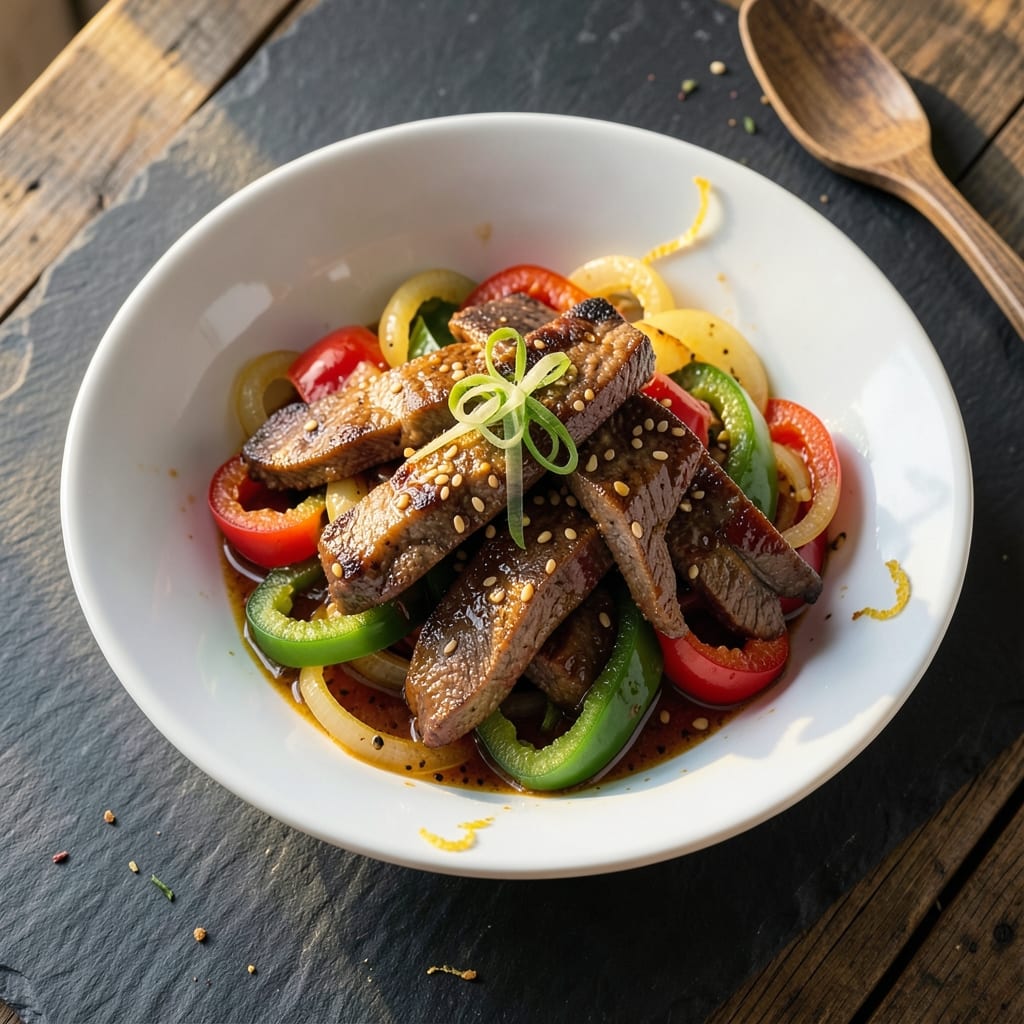
This Asian beef and peppers recipe delivers the perfect balance of savory, spicy, and sweet in just 20 minutes—no takeout required. The secret lies in a quick marinade that tenderizes the beef while building deep umami flavors, paired with a homemade sauce that caramelizes beautifully during stir-frying. I developed this recipe after years of testing shortcuts that still deliver restaurant-quality results at home.
The magic happens in three key steps: a 10-minute marinade that transforms tough beef into tender strips, a high-heat stir-fry that creates crisp-tender peppers and onions, and a sticky-sweet sauce that coats everything in a glossy, aromatic finish. This isn't just another stir-fry—it's a dish that transforms simple ingredients into something vibrant, flavorful, and satisfying enough for company.
By the time you're done, you'll have perfectly seared beef with a caramelized crust, crisp-tender vegetables, and a sauce that's both tangy and sweet. The aroma alone will have everyone asking what's for dinner. Serve it over steamed jasmine rice or noodles for the full experience—each bite delivers that perfect harmony of textures and flavors.
What makes this recipe truly special is its versatility. Double the sauce for leftovers, swap in different vegetables based on what you have, or adjust the spice level to suit your taste. The technique is simple enough for weeknights but impressive enough for guests. Let's get started!
Ingredients for asian beef and peppers
Restaurant-quality stir-fry starts with these 15 ingredients—simple but transformative.
| Ingredient | Amount | Notes |
|---|---|---|
| Flank Steak 🥩 | 1 ½ lb | Thinly sliced against grain |
| Bell Peppers 🌶️ | 2 whole | Mixed colors, sliced into strips |
| Yellow Onion 🧅 | 1 whole | Sliced into thin half-moons |
| Garlic Cloves 🧄 | 6 cloves | Minced finely for marinade |
| Fresh Ginger 🌿 | 1 tbsp | Finely grated, aromatic |
| Soy Sauce 🍶 | ½ cup | High-quality, low-sodium preferred |
| Hoisin Sauce 🍶 | 2 tbsp | For authentic umami depth |
| Sesame Oil 🫒 | 1 tbsp | Toasted, for aroma |
| Rice Vinegar 🍶 | 1 tbsp | White or seasoned |
| Brown Sugar 🍚 | 1 tbsp | Light or dark |
| Cornstarch 🌾 | 1 tbsp | For sauce thickening |
| Vegetable Oil 🫒 | 3 tbsp | High smoke point |
| Red Chili Flakes 🌶️ | ½ tsp | Adjust for heat preference |
| Toasted Sesame Seeds 🌱 | 1 tbsp | For garnish |
| Green Onions 🧅 | 3 whole | Sliced thin for garnish |
The beef selection is critical. Flank steak delivers that signature tender yet chewy texture when sliced thinly against the grain. Most butchers will slice it for you, but if cutting at home, freeze it 30 minutes first for easier slicing. For the vegetables, bell peppers in mixed colors add vibrant visual appeal, while the yellow onion provides the perfect balance of sweetness and bite. Trader Joe's often carries pre-sliced stir-fry vegetables that save time, though fresh is always superior. The garlic and ginger should be freshly minced—pre-minced jarred versions lack the aromatic punch that makes this dish truly sing.
No hoisin sauce? Substitute with an extra tablespoon of soy sauce plus one teaspoon of molasses for depth. The sesame oil can be omitted if you dislike its nutty aroma, but it's essential for that authentic restaurant finish. For a sweeter profile, honey or maple syrup works in place of brown sugar, though it won't caramelize the same way. The cornstarch is non-negotiable for that signature glossy sauce—arrowroot powder works equally well. If you're sensitive to heat, reduce the chili flakes to just a pinch or use Sichuan peppercorns for a tingling sensation instead of outright heat. The sesame seeds and green onions are purely decorative but elevate the dish from good to spectacular.
Prep the marinade ingredients first—they'll have time to meld while you slice the beef and vegetables. The beef can marinate for up to 2 hours in the fridge, but even 10 minutes makes a noticeable difference. For maximum efficiency, slice all vegetables and portion them into separate containers—this keeps everything crisp during cooking. The sauce will thicken as it sits, so if you're making it ahead, reheat gently over low heat, stirring constantly to prevent clumping. Leftovers keep for 3 days in the fridge, though the flavors intensify when reheated with a splash of water or broth to restore moisture.
Why You'll Love This Recipe
- One-Pan Magic: I swear by this recipe when I’m too tired to wash dishes. Slice the peppers and onion, toss them with the steak and sauce, and slide it all into one pan. That’s it—no extra pots, no fuss.
- Ginger-Garlic Bomb: Between us, the fresh ginger and minced garlic in this stir-fry are chef’s kiss. The ginger adds this bright, zesty kick that cuts through the richness of the beef, while the garlic? It’s like a little flavor explosion with every bite.
- Lunchbox Hero: This dish keeps perfectly for days, so I make a big batch on Sundays. Pack it in containers for work lunches or throw it into rice bowls all week—no sad leftovers here.
- Budget Powerhouse: Flank steak stretches far, and bell peppers and onions are cheap staples. I can feed four people for under $15, and honestly? No one complains when the food tastes this good.
Step-by-step instructions for Asian beef and peppers stir-fry
Master this technique and you'll achieve restaurant-quality texture and flavor balance every time.
Prepare the Marinade and Slice the Beef
In a small bowl, combine the 0.5 cup soy sauce, 2 tbsp hoisin sauce, 1 tbsp rice vinegar, 1 tbsp brown sugar, 1 tbsp sesame oil, 1 tbsp finely grated fresh ginger, 6 minced garlic cloves, and 0.5 tsp red chili flakes. Whisk until the sugar dissolves completely and the mixture becomes homogeneous.
Transfer the 1.5 lb flank steak to a resealable plastic bag and pour the marinade over it. Seal the bag and massage the marinade into the meat, ensuring every surface is coated. Refrigerate for at least 30 minutes (or up to 2 hours for deeper flavor). During this time, slice the 2 whole bell peppers into ¼-inch strips and the 1 whole yellow onion into thin half-moons. Keep all prepped ingredients within easy reach for the quick cooking process.
Cook the Beef to Perfect Tenderness
Heat 2 tablespoons vegetable oil in a 14-inch wok or large skillet over high heat until shimmering. Add the marinated beef in a single layer, being careful not to overcrowd the pan. Cook undisturbed for 1 minute until the beef develops a deep brown crust on one side.
Use tongs to flip each piece and cook another 1 minute until the second side is also browned. Remove the beef to a warm plate and set aside. The beef should be deep brown on the outside but still slightly pink in the center—it will continue cooking when combined with the vegetables. Keep the rendered beef juices in the pan; they're packed with flavor.
Stir-Fry Vegetables with Aromatics
Add the remaining 1 tablespoon vegetable oil to the same wok over high heat. Add the sliced bell peppers and yellow onion, spreading them evenly across the pan. Stir-fry vigorously for 2-3 minutes until the vegetables begin to soften and develop a slight char on the edges.
Push the vegetables to one side of the wok, then add the 1 tablespoon cornstarch to the empty space. Stir continuously for 30 seconds to toast the cornstarch lightly—this prevents the sauce from becoming gluey. Immediately pour in ¼ cup water, scraping up any browned bits from the bottom of the pan with a wooden spoon. This creates a flavorful slurry that will thicken the sauce beautifully.
Combine and Finish the Sauce
Return the beef to the wok along with any accumulated juices from the plate. Add the 3 whole sliced green onions and toss everything together for 1-2 minutes until the vegetables are tender-crisp and the beef reaches 160°F internally. The sauce should coat the ingredients evenly without being overly thick.
Taste and adjust seasoning if needed—add a splash of rice vinegar for brightness or a pinch of salt if the flavors seem muted. Remove from heat and let the stir-fry rest for 2 minutes to allow the sauce to slightly thicken. Garnish with 1 tablespoon toasted sesame seeds just before serving to add texture and aroma.
Serve Immediately with Perfect Texture
Divide the stir-fry among 4 serving plates, ensuring each portion contains an even distribution of beef, vegetables, and sauce. Serve immediately over steamed jasmine rice or noodles to soak up the flavorful sauce. The beef should be tender but still slightly chewy, the vegetables crisp-tender, and the sauce glossy with balanced sweet, salty, and umami notes.
For best results, serve while hot—this stir-fry's magic lies in its freshness and the contrast between the smoky beef, vibrant vegetables, and glossy sauce. Each bite should deliver a harmonious blend of textures and flavors that defines authentic Asian stir-fry technique.
Pro Tips For Making Asian Beef And Peppers
- Slice Flank Steak Against the Grain: I learned this the hard way—thin slices that don’t follow the muscle fibers stay chewy no matter how long you cook them. Cut the flank steak at a 45-degree angle against the grain into strips about ¼-inch thick. If you’re unsure which way the grain runs, look for the natural lines on the meat (they’re subtle but there).
- Char the Peppers First: High heat. Seriously, crank it up. Sear the bell peppers and onions in your pan for 5-7 minutes before adding anything else—until they’re blistered and slightly blackened in spots. This deepens their flavor and cuts through the richness of the beef later. (Yes, even if you’re impatient like me.)
- Skip the Crowding in the Pan: I used to toss everything in at once, and the peppers ended up steaming instead of caramelizing. Cook the beef in batches if needed, then push it to the side and add the peppers/onions in a single layer. Give them space—they’ll brown faster and taste better for it.
- Use a Knife, Not Your Teeth for Ginger: Peeling and grating fresh ginger is non-negotiable here, but I was skeptical until I tried it. For this recipe, use a microplane or the smallest holes on a box grater—you only need about 1 teaspoon of finely grated ginger. (Your future self will thank you when you’re not spitting out fibrous chunks.)
Health benefits of this dish
Protein Powerhouse
This dish delivers a substantial 25 grams of protein per serving from the lean flank steak, making it an excellent choice for muscle repair and satiety. The beef's high-quality protein contains all nine essential amino acids, supporting everything from tissue growth to immune function. I've found that including this stir-fry in my meal rotation helps me maintain energy levels throughout the day, especially when paired with complex carbs like brown rice. 💪
Iron Boost
The beef provides a significant 3.5mg of iron per serving—about 20% of your daily value—which is crucial for oxygen transport in your blood. This is particularly beneficial if you're prone to fatigue or have active lifestyles. The iron content pairs perfectly with the vitamin C from the bell peppers, enhancing iron absorption by up to 300% when consumed together. I always
Fiber-Rich Vegetables
The colorful bell peppers and onions contribute valuable 4 grams of fiber per serving, supporting digestive health and keeping you full longer. Red bell peppers, in particular, provide vitamin C (more than an orange!) which boosts collagen production and immune function. The fiber content helps stabilize blood sugar levels, making this dish a smart choice for balanced meals. I've noticed my digestion improves noticeably when I include plenty of vegetables in my stir-fries.
Umami Flavor Benefits
The combination of soy sauce, hoisin, and sesame oil creates a powerful umami profile that not only tastes amazing but also supports gut health. Umami compounds stimulate digestive juices, potentially improving nutrient absorption. The ginger in the marinade adds anti-inflammatory benefits, while the garlic provides natural antimicrobial properties. This flavor profile makes the dish both delicious and functional for overall wellness. 🌿
Balanced Energy
With its combination of lean protein, complex carbohydrates (from rice or noodles), and healthy fats (from sesame oil), this stir-fry provides sustained energy without the crash. The brown sugar in the sauce offers quick energy, while the fiber-rich vegetables provide long-lasting fuel. I often prepare double portions to enjoy for lunch the next day, as the flavors actually improve overnight when stored properly. This makes it perfect for busy weeknights when you need both nutrition and convenience.
Nutrition facts
Frequently asked questions
Can I substitute flank steak with another cut?
Sirloin or ribeye work beautifully—just slice them thinly against the grain for tenderness. For budget-friendly options, try chuck roast (marinate longer, up to 4 hours) or chicken breast (reduce marinade time to 20 minutes). Avoid tough cuts like brisket or shank—they won't tenderize properly in this quick cooking method.
How do I adjust the spice level?
Start by reducing the 0.5 tsp red chili flakes to ¼ tsp for mild heat. For a tingling sensation without spice, add ½ tsp Sichuan peppercorns (lightly toasted). Need more kick? Stir in 1 tsp gochujang (Korean chili paste) or a dash of sriracha at the end. Always taste before serving—you can't remove excess spice once added!
What's the best way to reheat leftovers?
Reheat in a non-stick skillet over medium heat with 1 tbsp water or broth to restore moisture. Stir constantly for 2-3 minutes until warmed through. Microwaving works in a pinch (cover with a damp paper towel), but the sauce may separate. For extra flavor, add a splash of soy sauce or a drizzle of sesame oil when reheating.
Can I make this gluten-free?
Yes! Replace the soy sauce with tamari (gluten-free soy sauce) and the hoisin sauce with a mix of 1 tbsp gluten-free oyster sauce + 1 tsp maple syrup. Check labels—some brands of hoisin contain wheat. For extra umami, add 1 tsp coconut aminos to the marinade. The texture and flavor will be just as rich!
Why did my sauce turn gluey?
This usually happens when the cornstarch isn't toasted enough before adding liquid. Next time, stir the 1 tbsp cornstarch for full 2 minutes until it smells nutty and turns golden. Also, ensure your pan is completely dry before adding the slurry. If it happens, thin with 1 tsp water and stir vigorously—it'll recover!