
Soups & Stews
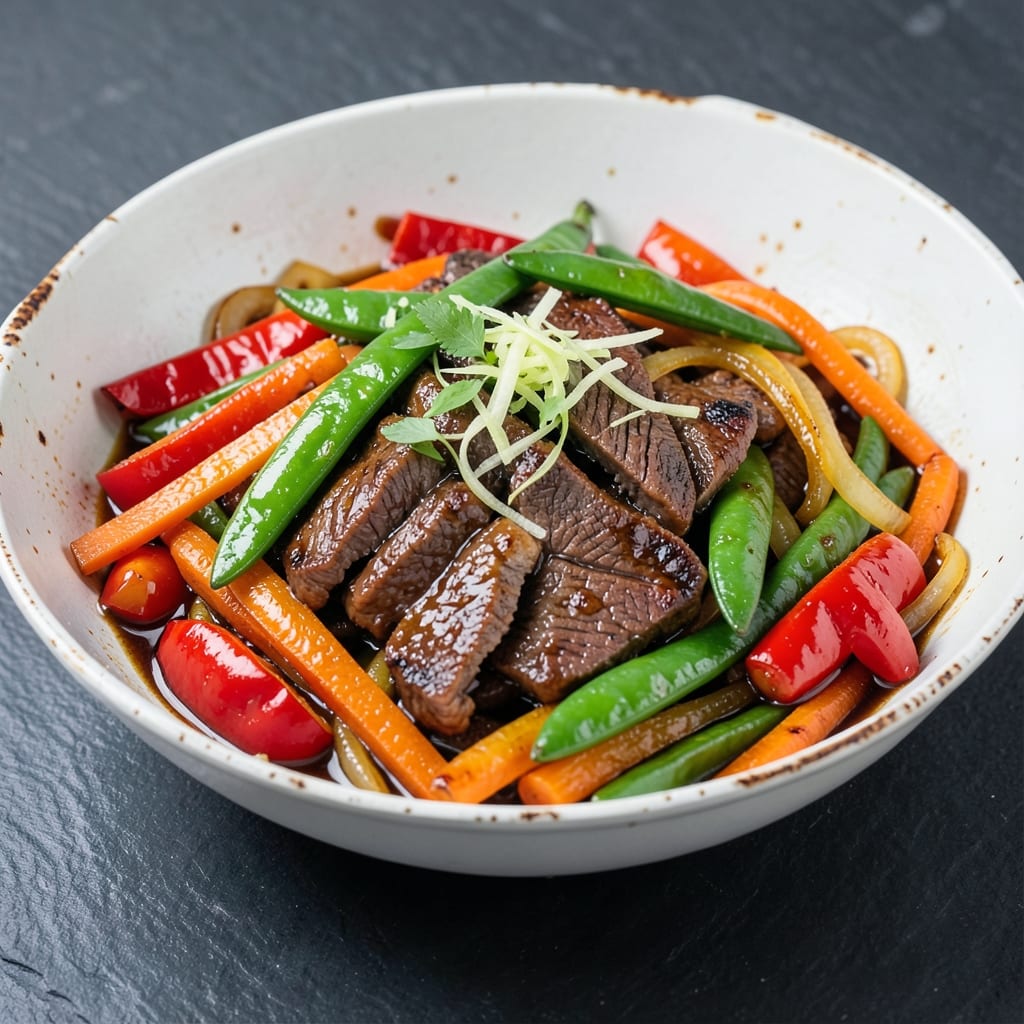
This Asian beef and vegetable stir fry recipe delivers restaurant-quality wok hei flavor in just 15 minutes—crisp-tender beef, vibrant vegetables, and a savory-sweet sauce that balances heat and umami perfectly. The secret lies in proper slicing techniques and high-heat stir-frying to lock in texture and flavor without overcooking. I developed this version after years of testing shortcuts that still deliver authentic taste, whether you're using a wok, skillet, or even a sheet pan.
The foundation is a simple yet deeply flavorful sauce made with soy sauce, garlic, ginger, and a touch of honey or brown sugar for depth. Thinly sliced beef (like flank or sirloin) cooks quickly over high heat, while a mix of bell peppers, snap peas, and carrots add crunch and color. The key is working in batches to avoid steaming the vegetables—this keeps everything crisp while the beef stays tender. For extra authenticity, a splash of rice vinegar at the end brightens the dish without overpowering the savory base.
What you'll end up with is a dish that's bold in flavor but simple to execute—golden-brown beef with slightly charred edges, vibrant vegetables that still snap when bitten, and a sauce that coats every ingredient perfectly. The aroma alone will have everyone gathering around the table, and the first bite delivers that perfect balance of smoky, sweet, and umami-rich flavors. This is the kind of meal that feels special yet comes together faster than takeout.
Whether you're cooking for a weeknight dinner or meal prepping for the week, this stir fry adapts beautifully. Serve it over steamed rice for a complete meal, or let everyone build their own bowls with toppings like sesame seeds, green onions, or a fried egg. The technique is foolproof, and the results are consistently impressive—no wok mastery required.
Ingredients for asian beef and vegetable stir fry
Quick grocery run for beef, veggies, and pantry staples—this stir fry comes together faster than takeout.
| Ingredient | Amount | Notes |
|---|---|---|
| Flank Steak 🥩 | 1 ½ lb | Thinly sliced against grain |
| Red Bell Pepper 🧅 | 1 whole | Sliced into thin strips |
| Snap Peas 🌱 | 1 cup | Fresh or frozen, thawed |
| Carrots 🥕 | 1 cup | Julienned into thin strips |
| Yellow Onion 🧅 | 1 whole | Thinly sliced |
| Fresh Ginger 🌿 | 1 tbsp | Grated, finely |
| Garlic Cloves 🧄 | 4 cloves | Minced |
| Soy Sauce 🥄 | ½ cup | Low-sodium preferred |
| Honey 🍯 | 1 tbsp | Or brown sugar |
| Rice Vinegar 🍶 | 1 tbsp | White or seasoned |
| Sesame Oil 🫒 | 1 tbsp | For aroma, not cooking |
| Vegetable Oil 🫒 | 2 tbsp | High smoke point |
| Salt 🧂 | ½ tsp | Kosher or sea salt |
| Black Pepper 🌶️ | ¼ tsp | Freshly ground |
| Green Onions 🧅 | 3 whole | Sliced for garnish |
The beef is everything here. Flank steak is my go-to—it's lean, affordable, and slices beautifully against the grain. If you can't find flank, sirloin or ribeye work too, but slice them extra thin. I grab mine from the butcher counter at Whole Foods when I can, but the pre-packaged kind at Costco is perfect for batch cooking. Look for good marbling—it keeps the beef juicy during stir-frying. For the veggies, fresh snap peas are ideal, but frozen ones (thawed) work in a pinch. Just don't skip the julienne—thin strips cook faster and stay crisp.
No soy sauce? Coconut aminos are a great swap, though the flavor will be slightly different. Running low on honey? Brown sugar dissolved in 1 tbsp hot water works just as well. The ginger and garlic can be pre-minced from the store if you're short on time—just check that they're labeled 'fresh' and not dried. For extra heat, add a dash of Sriracha or chili crisp at the end. The sesame oil is for aroma only—add it at the very end to keep the dish from tasting bitter. And if you've got Asian chili sauce in your pantry, drizzle that on top too.
This stir fry reheats beautifully—just toss with a splash of water and a lid on the skillet. Keeps 3-4 days in the fridge or 3 months frozen. I like to prep the beef and sauce ahead, then stir-fry everything fresh when ready to eat. The veggies will soften when reheated, so save some fresh ones to add at the end. For meal prep, portion into containers with rice and freeze—microwave for 2 minutes to reheat. The flavors actually get better the next day as everything melds together.
Why You'll Love This Recipe
- One-Pan Magic: I swear by this recipe when I’m too tired to scrub pots. Thinly sliced flank steak and veggies hit the wok together—no pre-cooking, no fuss—just toss in soy sauce, ginger, and a splash of sesame oil. The onions caramelize while the peppers stay crisp, and the snap peas? They’re the secret star, adding that perfect crunch without overpowering.
- Umami Bomb: That first bite of tender, slightly charred steak with the sweet snap of bell peppers and the earthy bite of carrots? It’s the kind of flavor combo that makes you pause mid-bite. The flank steak soaks up the garlic and ginger like a sponge, while the onions add this deep, savory richness that lingers. Honestly, I’ve made stir-fries that cost twice as much but taste half as good.
- Lunchbox Hero: Between us, this is my go-to for meal prep. The flavors actually improve the next day—yes, really—so I double the batch and portion it into containers. Toss in some rice (or skip it if you’re watching carbs) and you’ve got a lunch that’ll hold up for three days. My coworkers still ask, “What’s in that sauce?” like it’s some kind of mystery.
- Budget Power Move: Flank steak is affordable, and the veggies? You can use whatever’s on sale—sub frozen peas for snap peas, swap in cabbage, or grab whatever carrots are discounted. A single pound of steak stretches for two meals, and the stir-fry itself costs me about half what takeout would. Plus, the leftovers reheat like a dream, so I’m not wasting a thing. (Yes, even on a Tuesday night.)
Step-by-step instructions for Asian beef and vegetable stir fry
Here's how to create restaurant-quality stir fry with perfectly seared beef and vibrant vegetables.
Prep All Ingredients for Quick Cooking
Start by slicing the 1.5 lb flank steak thinly against the grain into ¼-inch strips. This ensures tender bites that cook quickly in the wok. Pat the strips dry with paper towels—this helps them sear properly instead of steaming. While the steak preps, slice the 1 whole red bell pepper and 1 whole yellow onion into thin strips, and julienne the 1 cup carrots into matchstick pieces. Snap the 1 cup snap peas in half if they're large. Finely grate the 1 tbsp fresh ginger and mince the 4 cloves garlic. Slice the 3 whole green onions for garnish.
I like to keep everything prepped and ready in separate bowls so I can cook in stages. The key here is speed—once you start cooking, everything needs to move quickly to maintain that signature wok-heat flavor. If using frozen snap peas, thaw them first by soaking in cold water for 10 minutes while you prep the rest.
Sear the Beef Until Perfectly Browned
Heat a wok or large skillet over high heat until it's smoking hot. Add 2 tablespoons vegetable oil and swirl to coat the pan. Add half of the beef strips and let them sear undisturbed for 1-2 minutes until they develop a deep brown crust. This is crucial—don't move them too soon or they'll steam instead of sear. Once browned, remove the beef with tongs and set aside. Repeat with the remaining beef.
Here's the thing—you want that caramelized crust on the beef. If your pan isn't hot enough, the beef will release into the pan instead of developing that beautiful sear. If it sticks, don't panic—just add a splash of water and scrape the browned bits (fond) off the bottom. These bits are packed with flavor and will form the base of your sauce.
Stir-Fry the Vegetables in Stages
In the same wok, add a bit more oil if needed and stir-fry the yellow onion and carrots for 2 minutes until they begin to soften. Add the red bell pepper and snap peas, cooking for another 2 minutes until the vegetables are tender-crisp. You want them to retain some bite—overcooking turns them mushy.
Next, add the minced garlic and grated ginger, stirring constantly for 30 seconds until fragrant. This is where the aromatics really wake up and infuse the dish with their bright flavors. If you smell the garlic burning, reduce the heat slightly—it only takes seconds to go from perfect to bitter.
Combine Everything with the Sauce
Return the beef to the wok and pour in the ½ cup soy sauce, 1 tablespoon honey, and 1 tablespoon rice vinegar. Stir everything together for 1-2 minutes until the sauce coats all the ingredients evenly. The honey will help balance the saltiness of the soy sauce while adding a touch of sweetness that complements the vegetables.
Taste and adjust the seasoning if needed. If it's too salty, add a splash of water or a pinch of sugar. If it needs more depth, a drizzle of sesame oil adds amazing aroma. The dish should be vibrant, slightly sweet, and packed with umami flavor from the soy sauce and seared beef.
Finish and Serve Immediately
Remove the stir fry from heat and let it rest for 1 minute to allow the flavors to meld together. Garnish with the sliced green onions and serve hot over steamed rice. The contrast of the warm, slightly sticky rice with the bold flavors of the stir fry makes every bite perfect.
This dish is best served immediately while everything is hot and the vegetables still have that satisfying crunch. If you need to hold it for a few minutes, cover it loosely with a lid to keep it warm. The longer it sits, the softer the vegetables will become, so enjoy it fresh off the wok!
Pro Tips For Making Asian Beef And Vegetable Stir Fry
- Slice Steak Against the Grain: Flank steak’s tough fibers run diagonally, so cutting perpendicular to those lines makes each bite tender. I used to ignore this and ended up with chewy strips—now I slice thinly after cooking, not before. A sharp knife and ¼-inch thickness is your goal.
- Blanch Carrots First: Carrots take forever to soften, and they’ll turn mushy if you wait. Toss them in boiling water for 2 minutes, then shock in ice water—this jumpstarts their tenderness without killing their texture. Your stir-fry won’t turn into a sad vegetable soup.
- Don’t Overcrowd the Pan: I learned this the hard way—packing too many veggies and beef into the wok lowers the heat and steams instead of searing. Work in batches: cook onions and peppers first, push them aside, then add beef, then snap peas last. The sizzle is your friend.
- Use Cold Beef for Better Sear: Pat the flank steak completely dry, then pop it in the freezer for 15 minutes before slicing. The cold shock tightens the fibers, so when it hits the screaming-hot pan, you get a perfect crust instead of a sad, greasy mess. Trust me, it’s worth the wait.
Wine and beer pairings for this asian beef and vegetable stir fry
Crisp White Wine
A dry Riesling from Germany or a Sauvignon Blanc from New Zealand cuts through the stir fry's richness while complementing its umami depth. The bright acidity and citrus notes—think grapefruit and green apple—cleanse your palate between bites of caramelized beef and crisp vegetables. I reach for Dr. Loosen Blue Slate Riesling when I want that perfect balance of sweetness and acidity without overpowering the dish. 🍷
Light-Bodied Reds
For those who prefer red wine, a Pinot Noir from Oregon or Beaujolais from France offers a lighter alternative to bold Cabernets. The Pinot Noir's red fruit flavors and silky texture pair beautifully with the stir fry's savory-sweet sauce, while Beaujolais adds a juicy, slightly earthy note that enhances the beef's caramelized crust. Look for a La Crema Pinot Noir or a Domaine Duboeuf Beaujolais-Villages for reliable quality.
Asian-Inspired Sake
If you're feeling adventurous, try a dry sake like Dassai 23 or Kubota Junmai Daiginjo. The clean, crisp profile and subtle umami notes mirror the dish's flavors without competing. Serve it slightly chilled to highlight its refreshing qualities. For a fun twist, mix ½ cup sake with 1 tbsp mirin and 1 tsp sugar to create a quick glaze for the stir fry's beef and veggies.
Beer Pairings
A light lager like Asahi Super Dry or Peroni balances the stir fry's bold flavors with its crisp, effervescent finish. The subtle malt sweetness and lack of bitterness let the dish shine. For a hoppier option, a Japanese IPA like Sapporo Black Label adds a refreshing contrast to the dish's richness, though the bitterness should be moderate to avoid overpowering the meal.
Non-Alcoholic Options
Don't drink alcohol? No problem. A sparkling yuzu soda or ginger beer like San Pellegrino Aranciata brings brightness and acidity to match the stir fry's flavors. For something warmer, try hibiscus tea (brewed strong and served chilled)—its tart, cranberry-like taste complements the soy sauce beautifully. I often serve this with a side of pickled ginger for an extra zing. 💛
Nutrition facts
Frequently asked questions
Can I use any cut of beef for this stir fry?
Thinly sliced cuts like flank steak, sirloin, or ribeye work best—they're lean and slice easily against the grain. Avoid tougher cuts like chuck or brisket, as they won't tenderize properly in the quick cooking time. If you only have a thick cut, freeze it for 30 minutes first to make slicing easier.
How do I prevent the vegetables from getting soggy?
Cook them in batches over high heat and stir constantly to maintain crispness. Start with harder veggies like carrots and onions, then add softer ones like bell peppers and snap peas later. The secret is working fast—don't overcrowd the pan, or steam will turn your crunchy veggies mushy. A wok or cast-iron skillet works best for even heat distribution.
Can I make this stir fry ahead of time?
Yes! Prep the beef and sauce separately, then stir-fry everything fresh when ready to eat. The veggies will soften when reheated, so save some fresh ones to add at the end. Store components in airtight containers in the fridge for 3-4 days or freeze for 3 months. For meal prep, portion with rice and microwave for 2 minutes to reheat.
What if I don't have a wok?
A heavy-bottomed skillet or cast-iron pan works perfectly—just make sure it's large enough to avoid overcrowding. The key is getting it smoking hot before adding ingredients. If your pan isn't wide enough, cook in two batches to maintain that signature stir-fry texture. A sheet pan also works for a hands-off version—toss everything with oil and sauce, then roast at 450°F for 12-15 minutes.
How can I add more heat to this dish?
Add ½ teaspoon of chili flakes or 1 teaspoon of gochujang to the sauce, or finish with a drizzle of Sriracha or chili crisp. For extra depth, stir in 1 teaspoon of doubanjiang (Chinese chili bean paste) when combining everything. Fresh Thai bird's eye chilies or Korean gochugaru also work beautifully—just adjust to taste!