
Soups & Stews
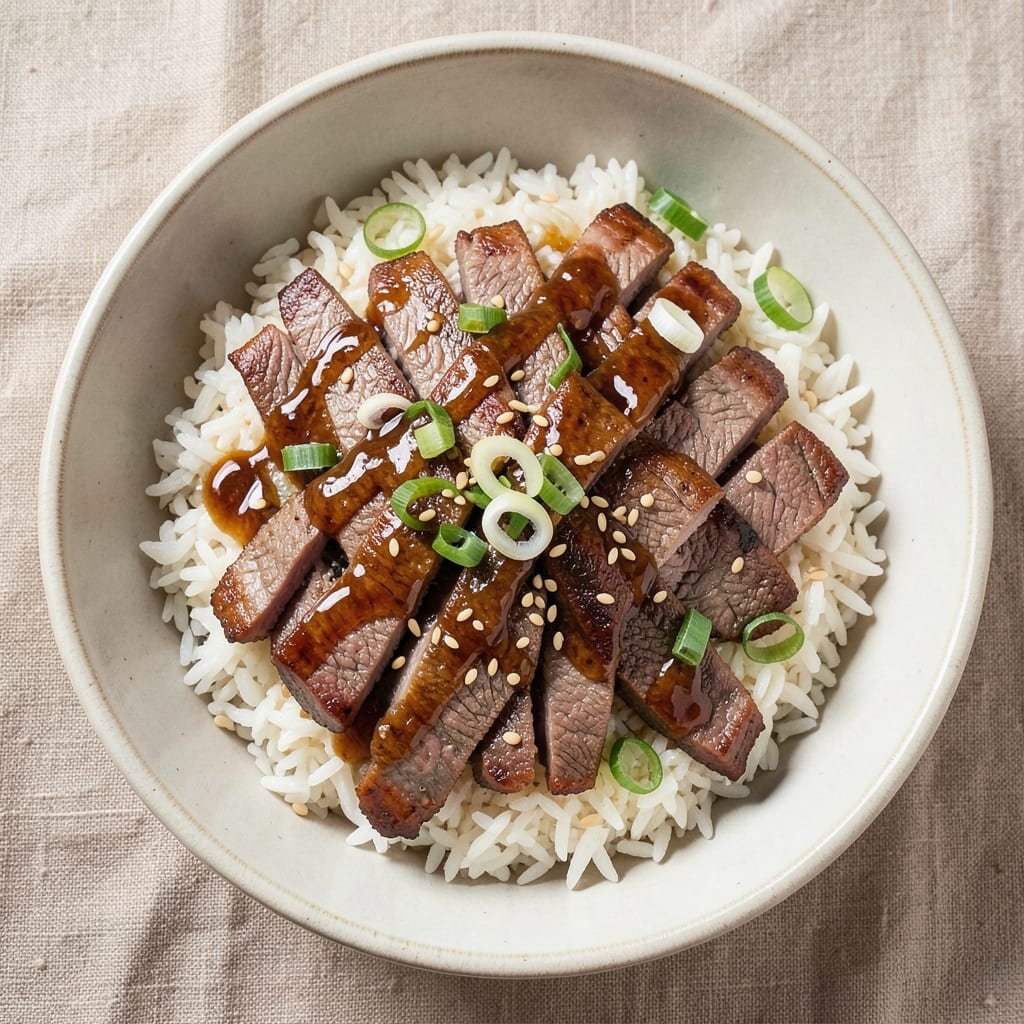
This Asian beef flank recipe transforms tough flank steak into tender, soy-glazed slices with caramelized edges that’ll impress even picky eaters. The secret lies in a marinade of soy sauce, garlic, and ginger that tenderizes while building deep umami flavor—no fancy equipment required. I’ve perfected this method over years of testing, ensuring every bite delivers that perfect balance of savory, slightly sweet, and smoky notes.
The process is straightforward but yields restaurant-quality results: thinly sliced flank steak marinated overnight, then quickly seared in a hot pan to create those prized caramelized edges. The soy glaze reduces into a sticky, flavorful coating that clings beautifully to each slice. What sets this apart is how the marinade works double duty—tenderizing the meat while infusing it with authentic Asian flavors that shine through in every bite.
By the time you’re done, you’ll have perfectly sliced beef with a glossy sheen and tender texture that melts in your mouth. Serve it over steamed rice, nestled in noodles, or alongside stir-fried vegetables for a complete meal that feels both elegant and effortless. The presentation is just as important as the flavor—think neat piles of rice with fanned-out beef slices and a drizzle of extra glaze for that final touch.
This recipe is designed to work for both weeknight dinners and special occasions, scaling easily from family meals to dinner parties. The marinade can be prepped ahead, and the cooking process takes just 15 minutes—ideal for when you want to impress without spending hours in the kitchen. Let’s get started on creating beef slices that’ll have everyone asking for seconds.
Ingredients for asian beef flank
Flank steak, soy sauce, and garlic are your flavor power trio here—simple but game-changing.
| Ingredient | Amount | Notes |
|---|---|---|
| Flank Steak 🥩 | 1 ½ lb | Thinly sliced against grain |
| Soy Sauce 🍶 | ½ cup | High-quality, preferably Japanese |
| Garlic Cloves 🧄 | 6 cloves | Minced finely for marinade |
| Fresh Ginger 🌿 | 2 tbsp | Grated, not powdered |
| Sesame Oil 🫒 | 1 tbsp | Toasted for aroma |
| Brown Sugar 🍯 | 2 tbsp | Light or dark variety |
| Vegetable Oil 🫒 | 2 tbsp | High smoke point for searing |
| Green Onions 🧅 | 3 whole | Sliced thin for garnish |
| Sesame Seeds 🌾 | 1 tbsp | Toasted lightly |
| Cornstarch 🌾 | 1 tbsp | For glaze thickening |
| Salt 🧂 | 1 tsp | Kosher or sea salt |
| Black Pepper 🌶️ | ½ tsp | Freshly ground |
| White Rice 🍚 | 2 cups | Uncooked, long-grain |
The flank steak is everything. Look for well-marbled cuts—the fat keeps it tender. I grab mine from Costco when they have it on sale, but any butcher will cut it for you if you ask. A sharp knife is key for thin slicing—against the grain, not with it. If you're nervous about slicing, freeze the meat solid for 30 minutes first. The soy sauce should be Japanese-style (like Kikkoman) for authentic depth, not the American kind. And fresh ginger makes all the difference—powdered just won't cut it here.
No sesame oil? Toasted peanut oil works in a pinch, though the flavor will differ slightly. Running short on brown sugar? Honey or maple syrup at the same amount keeps things sweet. The cornstarch is non-negotiable for that perfect glaze—it thickens beautifully when tossed with the reduced soy mixture. For extra umami, add 1 tsp fish sauce to the marinade (skip if avoiding fish products). The green onions can be swapped for regular onions if you're out, but the mild flavor works best here. And if you're feeling fancy, toast your sesame seeds in a dry pan for 30 seconds—they'll smell amazing.
Marinate the steak overnight for maximum tenderness, but at least 4 hours if you're short on time. The cornstarch glaze is best made fresh, but you can prep it ahead and store it in the fridge for up to 2 days. Leftovers? Slice thinly and reheat in a skillet with a splash of soy sauce—it reheats beautifully. The rice keeps for 4 days in the fridge, but honestly, it's better made fresh. If you're prepping for a crowd, double the marinade and cook in batches—1.5 lbs is perfect for 4 servings, but scale up as needed.
Why You'll Love This Recipe
- One-Pan Magic: I swear by this for nights when I’m too tired to wash dishes. Toss the flank steak in soy sauce, minced garlic, and ginger—no fancy prep, just a sheet pan and 20 minutes. The sesame oil finishes it with that nutty aroma that makes the whole kitchen smell like a takeout dream.
- Umami Bomb: That first bite? The soy sauce caramelizes into a glossy crust while the garlic and ginger melt into the steak’s fibers, leaving you with something dangerously addictive. Honestly, I’ve tried store-bought versions, and this one wins every time—no mystery seasoning, just pure, bold flavor.
- Meal Prep MVP: Between us, this is my go-to for lunchboxes or quick dinners. Slice it thin, and it reheats like a champ—still tender, still packed with that savory punch. (Yes, even on a Tuesday night when I’m scrambling to feed the kids.)
- Budget Flex: Flank steak is affordable, and a single pound stretches across three meals without breaking the bank. Double the marinade, cook extra, and you’ve got leftovers that taste better cold than most takeout. Plus, the ingredients? Most are pantry staples—no last-minute grocery runs.
Step-by-step instructions for soy-glazed flank steak
Master this technique and you'll get tender, caramelized beef slices with perfect balance every time.
Marinate the Flank Steak Overnight
Slice the 1.5 lb flank steak thinly against the grain into ¼-inch thick strips. Arrange the slices in a single layer in a resealable plastic bag. In a small bowl, whisk together the 0.5 cup soy sauce, 2 tbsp grated fresh ginger, 6 minced garlic cloves, 1 tbsp sesame oil, 2 tbsp brown sugar, 1 tsp salt, and 0.5 tsp black pepper. Pour this marinade over the beef and seal the bag tightly.
Massage the marinade into the meat, then refrigerate for at least 8 hours or overnight. This long marinating time ensures the beef becomes fork-tender while absorbing all those savory, sweet flavors. The longer it marinates, the more flavorful and tender your slices will be.
Prepare the Cornstarch Glaze
In a small bowl, whisk together 1 tbsp cornstarch with 2 tablespoons water until completely dissolved. This mixture will create our glossy, caramelized glaze. Set aside - you'll use it after searing to give those beef slices that signature sticky finish.
While the steak marinates, prepare the 2 cups white rice according to package instructions. I like to use a rice cooker for perfect, fluffy grains that won't compete with the star of the show - your beautifully glazed beef.
Sear the Beef in Batches
Heat 2 tablespoons vegetable oil in a large skillet over medium-high heat until shimmering. Working in batches (don't overcrowd the pan), add the marinated beef slices and cook for 2-3 minutes per side until deep golden brown and slightly charred. The high heat creates that beautiful caramelization while keeping the interior tender.
As each batch cooks, transfer the beef to a plate and tent loosely with foil to keep warm. You'll want to work quickly - the beef continues cooking even after removing from heat. If the pan gets too crowded, reduce heat slightly to prevent steaming instead of searing.
Apply the Glossy Glaze
Return all the cooked beef to the skillet and pour in the cornstarch mixture. Immediately stir to coat the beef evenly with the glaze. Cook for 1-2 minutes until the sauce thickens and becomes glossy. You'll see it transform from a thin liquid to a sticky, caramelized coating.
This is where the magic happens - the cornstarch creates that perfect balance between sweet and savory while giving each slice that irresistible sheen. The beef should be coated completely, with the glaze clinging to every surface. If it thickens too quickly, add 1 teaspoon water to loosen it.
Garnish and Serve Immediately
Transfer the glazed beef to a serving platter. Thinly slice the 3 whole green onions and sprinkle evenly over the beef. Toast the 1 tablespoon sesame seeds in a dry skillet for 30 seconds until fragrant, then sprinkle over the top. The combination of fresh green onions and nutty sesame seeds adds beautiful color contrast and freshness.
Serve the beef immediately over the prepared 2 cups white rice, allowing guests to spoon up both the tender beef slices and the flavorful sauce. The rice soaks up any remaining glaze, creating a perfect balance of textures and flavors in every bite.
Pro Tips For Making Asian Beef Flank
- Slice Against the Grain: Flank steak’s fibers run long—cutting perpendicular means each bite stays tender. I learned this the hard way after serving a plate where every forkful felt like chewing shoe leather. Use a sharp knife and angle it against the grain for clean, manageable slices.
- Blanch the Ginger First: Peeling and grating fresh ginger is messy, but blanching it for 30 seconds in boiling water makes it slip right off the skin. No more stubborn clumps or wasted time scrubbing. Just shock it in ice water afterward, and it’s ready to mince—no peeling required.
- Don’t Rush the Soy Sauce: Low and slow is the name of the game here. Simmering the soy sauce, garlic, and ginger for at least 10 minutes reduces it into a glossy, concentrated flavor bomb. Skipping this step leaves you with a thin, salty sauce that tastes more like seasoning than sauce.
- Rest the Steak Before Slicing: That 5-minute rest after cooking isn’t optional—it’s when the juices redistribute. I used to slice straight off the heat, and the first bite was always dry. Tent it with foil and let it sit while you finish the sauce. Your knife will thank you.
Essential equipment for this dish
Must-Have Pan
You’ll need a large, heavy-bottomed skillet—I recommend a 12-inch cast iron pan like the Lodge Pre-Seasoned for even heat distribution and those coveted caramelized edges. The weight helps maintain consistent temperature while searing batches of beef. If cast iron isn’t your thing, a stainless steel pan with a thick base (like All-Clad) works too. Avoid nonstick—it can’t handle the high heat needed for proper browning. 🔥
Sharp Slicing Tools
A sharp chef’s knife (8-inch minimum) is non-negotiable for slicing flank steak against the grain. My go-to is the Wüsthof Ikon—it glides through meat like butter. For extra control, use a slicing guide (like the OXO Good Grips) to keep cuts uniform. If you’re nervous about slicing raw meat, freeze the steak solid for 30 minutes first—it makes cutting cleaner and safer. Never use a dull knife; it crushes fibers instead of cleanly separating them.
Marinating Essentials
Use a resealable plastic bag (like Ziploc quart-size) for marinating—it maximizes surface area contact. For larger batches, a glass baking dish works too. Avoid metal bowls, as acidic marinades (like soy) can react with them. I also keep a small whisk (like OXO Good Grips) handy for emulsifying the marinade before pouring. A measuring spoon set ensures precise amounts of ginger, garlic, and sugar—critical for balance.
Heat Control Helpers
A kitchen thermometer (like Thermoworks Smoke) is your best friend for monitoring pan temperature—aim for 375°F for searing. For even heat distribution, use a tongs set (like Mercer Culinary Genius) to flip beef without overcrowding the pan. A small bowl (for the cornstarch glaze) and a spoonula (for stirring) keep the process smooth. Pro tip: Keep a spray bottle with water nearby to quickly adjust heat if the pan smokes too much.
Garnish & Serve
Toast sesame seeds in a small dry skillet (like Calphalon) for 30 seconds—they’ll release their nutty aroma instantly. A microplane (for ginger) and mandoline (for green onions) save time on prep. For serving, I use a large platter (like Le Creuset Stoneware) to showcase the beef. A small squeeze bottle (for extra glaze drizzle) adds that restaurant-quality finish. Don’t forget a tongs set for serving—it’s easier than forks for fanned-out beef slices. ✨
Nutrition facts
Frequently asked questions
Can I use flank steak with more fat for this recipe?
Yes, but trim excess fat before marinating—it can make the glaze greasy. A well-marbled cut is ideal, but too much fat will interfere with the caramelization. Aim for a ¼-inch fat cap max and pat dry thoroughly before cooking for best results.
How do I fix beef that's still tough after cooking?
If your slices feel chewy, you likely didn't slice against the grain or didn't marinate long enough. For immediate fixes, slice thinner (⅛-inch) and serve with extra sauce. For next time, marinate 12+ hours and slice at a 45-degree angle against the grain.
Can I make this recipe without cornstarch?
Swap the cornstarch for 1 tbsp honey or maple syrup mixed with 1 tbsp water. The glaze will be slightly less sticky but still delicious. For extra thickness, reduce the sauce by 3-4 minutes on high heat after adding the beef back to the pan.
What's the best way to reheat leftovers?
Reheat in a skillet over medium heat with 1 tsp soy sauce and 1 tsp water for 2-3 minutes until warmed through. Avoid microwaving—it makes the beef rubbery. For extra flavor, add a splash of sesame oil during reheating.
How can I make this spicier?
Add ½ tsp red pepper flakes or 1 tbsp sriracha to the marinade for heat. For extra kick, sprinkle chopped Thai chilies on top before serving. Balance with a squeeze of lime juice to keep the flavors harmonious.