
Main Courses
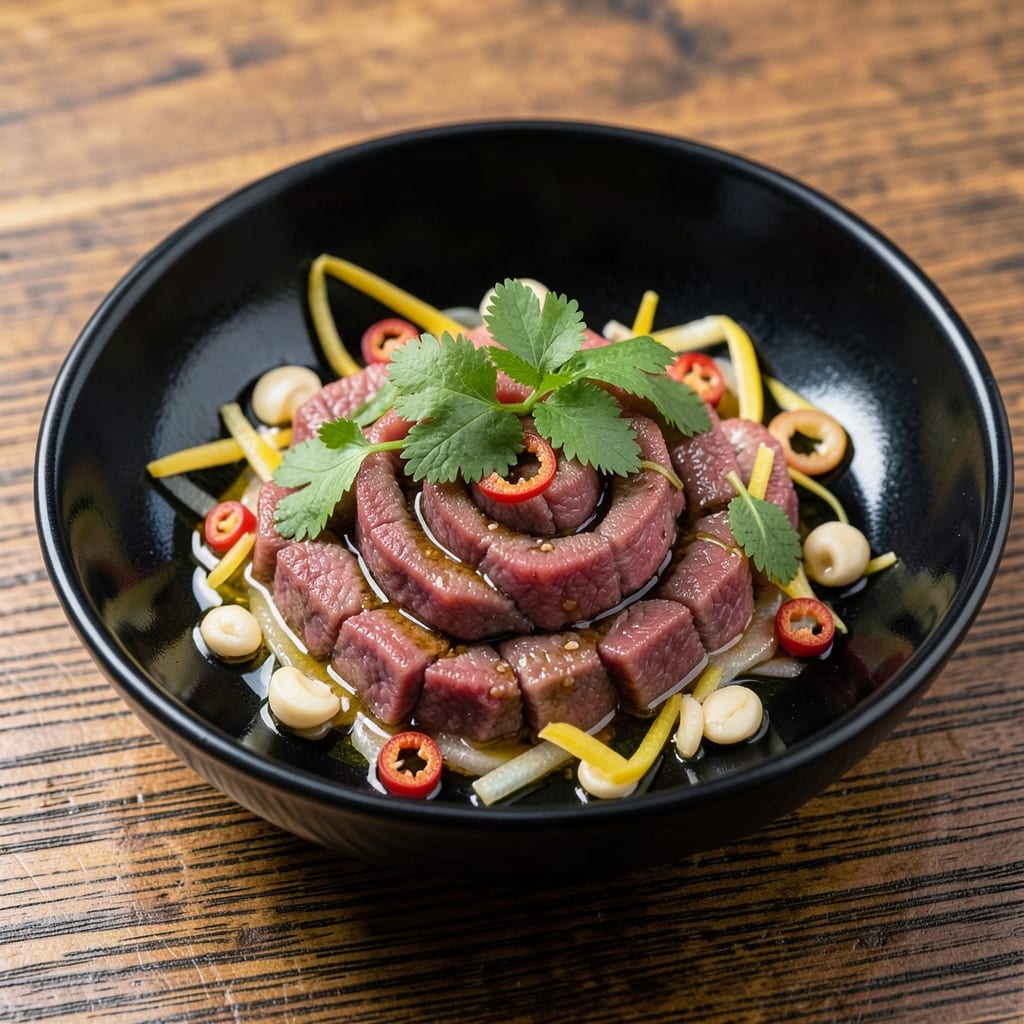
This Asian beef tartare recipe transforms raw beef into a luxurious, silky-smooth dish with vibrant herb zing and bold umami flavors. 🌟 The secret lies in perfectly thinly sliced beef—tender, fresh, and marinated just enough to enhance its natural richness without overpowering it. Unlike traditional tartare, this version incorporates fresh ginger, garlic, and aromatic herbs that bridge Japanese and Southeast Asian influences, creating a dish that's both elegant and approachable.
What sets this recipe apart is the balance of textures and flavors: the silky-smooth beef paired with crisp garnishes like toasted sesame seeds, thinly sliced scallions, and a hint of chili crisp for heat. The sauce—whether soy-ginger or ponzu—adds depth without masking the beef's quality. It's a dish that feels special yet simple to prepare, perfect for impressing guests or treating yourself to a restaurant-worthy meal at home.
Safety is paramount when working with raw beef, so we'll focus on freshness and proper handling to ensure a delicious, worry-free experience. The plating is just as important as the taste—think delicate piles of beef, vibrant garnishes, and a drizzle of sauce that ties everything together. This isn't just a dish; it's a sensory experience that celebrates the freshest ingredients and bold flavors.
Whether you're serving it as a starter or a main course with steamed rice and pickled vegetables, this Asian beef tartare delivers restaurant-quality results with a fraction of the effort. Let's dive into the steps to create a dish that's as visually stunning as it is delicious.
Ingredients for asian beef tartare
Fresh, vibrant ingredients transform raw beef into a luxurious, restaurant-worthy Asian-inspired tartare.
| Ingredient | Amount | Notes |
|---|---|---|
| Top-Quality Beef Tenderloin 🥩 | 1 lb | Extra-tender, trimmed of fat |
| Fresh Ginger Root 🌿 | 2 tbsp | Finely grated, aromatic variety |
| Garlic Cloves 🧄 | 4 cloves | Fresh, minced to paste |
| Thai Bird's Eye Chilies 🌶️ | 2 whole | Seeds removed for mild heat |
| Fresh Cilantro Stems and Leaves 🌿 | ½ cup | Stems finely chopped, leaves reserved |
| Fresh Mint Leaves 🌿 | ¼ cup | Finely chopped, bright flavor |
| Scallions 🧅 | 3 whole | Thinly sliced, white and green parts |
| Sesame Seeds 🌰 | 1 tbsp | Toasted for nutty aroma |
| Light Soy Sauce 🍶 | 2 tbsp | Kikkoman preferred |
| Sesame Oil 🫒 | 1 tbsp | Toasted, for aroma |
| Lime Juice 🍋 | 1 tbsp | Freshly squeezed |
| Chili Crisp 🔥 | 1 tbsp | For garnish, optional |
| Diamond Crystal Kosher Salt 🧂 | ½ tsp | For seasoning |
| Freshly Ground Black Pepper 🌶️ | ¼ tsp | Cracked peppercorns preferred |
| Coconut Aminos 🍶 | 1 tbsp | For umami depth |
The beef tenderloin is non-negotiable here—look for USDA Prime with excellent marbling at specialty butchers like D'Artagnan or high-end grocery stores. Whole Foods Market often carries pre-sliced beef tartare cuts, but for authenticity, slice it yourself on a sharp sushi knife against the grain into paper-thin strips. Freshness is critical: purchase within 24 hours of serving and keep refrigerated at 40°F or below. The ginger should be organic, with no woody core—Trader Joe's carries excellent pre-peeled varieties. For the chilies, seek out Thai bird's eye at Asian markets; their heat is balanced by the dish's other components. Toast the sesame seeds in a dry skillet over medium heat until golden—just 30 seconds—to maximize their nutty aroma.
No fresh cilantro? Coriander seeds ground into a paste works in a pinch, though texture will differ. Substitute Thai basil for mint if unavailable, but reduce to 0.125 cup—its anise flavor can overpower. For heat control, omit the chili crisp entirely and add 0.5 tsp red pepper flakes instead. The soy sauce and coconut aminos can be swapped for tamari (gluten-free) or fish sauce (if not avoiding seafood), but reduce to 1.5 tbsp total to prevent overpowering. Lime juice can be substituted with yuzu kosho for a more refined citrus note, available at specialty stores. Always taste as you go—this dish thrives on balance.
Store prepped beef in an airtight container with a paper towel pressed against it to absorb moisture; use within 24 hours. The marinade components (ginger, garlic, herbs, oils) keep separately for 3 days in the fridge or 3 months frozen. When ready to serve, assemble components last-minute—raw beef should never sit at room temperature. Garnishes like toasted sesame seeds and chili crisp add visual appeal; keep them separate until plating. For meal prep, portion the marinade into ice cube trays, freeze, and thaw as needed. The dish pairs beautifully with steamed jasmine rice or pickled vegetables—both keep well for 4-5 days in the fridge.
Why You'll Love This Recipe
- No-Fuss Prep: I’m talking five minutes of actual work—just dice the beef, mince the ginger and garlic, and toss with cilantro. The chili gives it a kick without needing a recipe card.
- Umami Bomb: That tenderloin, seared just until warm, soaks up the ginger’s zing and garlic’s punch while the cilantro keeps it bright. Honestly, the first bite makes me question why I don’t make this weekly.
- Party or Pantry: Serve it on toasted baguettes for guests or pack it in containers for lunch—same bold flavors, zero fuss. My roommates steal it from my fridge when I forget to eat it myself.
- Budget-Smart Luxury: Tenderloin feels fancy, but a little goes a long way here. The ginger and chili stretch the flavor so you’re not left with expensive leftovers. (I’ve had it last three days in the fridge—still delicious.)
Step-by-step instructions for Asian beef tartare
Master this delicate technique for silky texture and vibrant Asian flavors.
🔪 Step 1: Prepare the Beef for Perfect Texture
Remove the 1 lb top-quality beef tenderloin from the refrigerator and let it sit at room temperature for 30 minutes. This ensures even cooking and prevents cold spots in your tartare. Using a sharp boning knife, trim away any visible fat or silver skin—this keeps your tartare clean and luxurious.
Cut the tenderloin into ¼-inch thick slices against the grain, then finely dice each slice into pea-sized pieces using a sharp chef's knife. I like to work in batches, keeping the diced beef in the refrigerator until ready to combine—this prevents premature softening. The goal is uniform, silky-smooth texture that melts in your mouth.
👨🍳 Step 2: Build the Flavor Base with Aromatics
In a medium bowl, combine the 2 tbsp finely grated fresh ginger root and 4 cloves minced garlic cloves (paste consistency). Add the 2 whole Thai bird's eye chilies (seeds removed) and 0.5 cup chopped cilantro stems and leaves, reserving the tender leaves for garnish. This aromatic blend forms the flavor foundation of your tartare.
Add 0.25 cup chopped fresh mint leaves and 3 whole thinly sliced scallions (white and green parts). The mint brightens the dish while the scallions add fresh, crisp contrast. Gently fold these ingredients together with a silicone spatula—you're creating a vibrant herb matrix that will infuse the beef with complex flavors.
🥘 Step 3: Combine Wet Ingredients for Balance
In a small measuring cup, whisk together the 2 tbsp light soy sauce, 1 tbsp sesame oil, 1 tbsp lime juice, 1 tbsp coconut aminos, 0.5 tsp diamond crystal kosher salt, and 0.25 tsp freshly ground black pepper. The soy sauce and coconut aminos provide umami depth, while the lime juice brightens the overall profile.
Slowly pour this wet mixture over the herb blend, gently folding with the spatula to distribute evenly. The sesame oil adds nutty aroma, but be careful not to overmix—you want the herbs to remain vibrant and distinct. This is where the magic happens: the acidity from lime and ginger's heat marry with the beef's richness.
🍳 Step 4: Fold in the Beef for Silky Perfection
Add the diced beef tenderloin to the herb mixture and fold gently but thoroughly with the spatula. Work in small batches if needed to ensure even distribution of the marinade. The beef should be completely coated in the herb mixture—this guarantees consistent flavor in every bite.
Let the tartare rest for 15 minutes at room temperature before serving. This brief resting period allows the flavors to meld while maintaining the beef's delicate texture. The result should be a velvety-smooth mixture with vibrant herb flecks throughout, ready to impress.
🍽️ Step 5: Garnish and Serve Immediately
Transfer the tartare to a serving dish and sprinkle with 1 tbsp toasted sesame seeds for nutty crunch. Drizzle with 1 tbsp chili crisp (optional) for heat and garnish with the reserved cilantro leaves. Serve immediately with crisp lettuce cups or toasted baguette slices.
The tartare should be cool to the touch with a slight sheen from the sesame oil. Each bite should deliver silky beef texture balanced by bright herbs, subtle heat, and umami depth. For best results, serve within 30 minutes of preparation to maintain optimal texture.
Pro Tips For Making Asian Beef Tartare
- Freeze the Beef First: I learned this the hard way—skipping the 30-minute freeze makes the tenderloin turn to mush when you dice it. Pop it in the freezer before cutting, and it’ll hold its shape like a dream.
- Mince the Ginger Like You Mean It: A microplane or grater works best—none of that chopping nonsense. You want it fine enough to disappear into the mix, not leave textured bits that fight for attention.
- Taste Before You Dice: Add a pinch of salt and a splash of lime to the raw beef first. If it’s bland, adjust now—fixing flavor after dicing is a headache you don’t need.
- Toast the Cilantro Stems: Give them a quick sear in a dry pan until fragrant (about 30 seconds). It deepens their flavor and balances the fresh leaves—trust me, it’s worth the extra minute.
Serving suggestions for this recipe
Crisp Lettuce Cups
Serve your tartare in butter lettuce or romaine leaves for a refreshing, crunchy vessel that elevates presentation. I prefer romaine hearts because their sturdy leaves hold the tartare while adding a crisp bite. Chill the lettuce in ice water for 10 minutes before using to keep it crisp. For extra flair, lightly toast the edges with a kitchen torch or sprinkle with flaky sea salt before filling. 🥬
Toasted Baguette Slices
For a rustic touch, use crusty baguette slices toasted until golden. Brush with garlic-infused olive oil and sprinkle with flaky Maldon salt before serving. The warm, crisp bread contrasts beautifully with the cool tartare. I like to cut the baguette into ½-inch thick slices and toast in a 400°F oven for 5 minutes for perfect crispiness. 🥖
Pickled Vegetable Pairing
Balance the richness with quick-pickled vegetables like cucumber, carrot, or daikon radish. Toss 1 cup thinly sliced veggies with 2 tbsp rice vinegar, 1 tbsp sugar, and ½ tsp salt for 30 minutes before serving. The bright acidity cuts through the beef's richness. I often serve these on the side or as a garnish for extra freshness. 🥒
Steamed Jasmine Rice
For a heartier meal, serve with steamed jasmine rice—its delicate floral aroma complements the tartare beautifully. Cook 1 cup rice with 1.5 cups water and ½ tsp salt, then steam for 15 minutes until fluffy. A small mound of rice beside the tartare makes it feel like a complete dish. For extra luxury, drizzle with toasted sesame oil before serving. 🍚
Dipping Sauces
Offer two dipping sauces for customization:
- Spicy Ponzu (mix 2 tbsp ponzu sauce with 1 tsp sriracha and 1 tsp honey) or
- Sweet Chili Glaze (simmer 3 tbsp chili sauce with 1 tsp brown sugar until thickened). These sauces add another layer of flavor while letting guests tailor their experience. 🍶
Garnish Like a Pro
Elevate your plating with final garnishes: a drizzle of chili oil, a sprinkle of crushed peanuts, or a lime zest twist. I love adding edible flowers (like nasturtiums) for a pop of color. Keep garnishes separate until serving to maintain freshness and visual appeal. The key is balance—don’t overcrowd the plate! ✨
Nutrition facts
Frequently asked questions
Can I substitute regular ground beef for the tenderloin?
Not for this recipe—tenderloin's delicate texture is essential for the silky-smooth consistency. Ground beef lacks the finesse, and fat content can make the dish greasy. If you must use ground beef, opt for extra-lean (90% lean or higher) and pulse it in a food processor until it resembles finely chopped meat. Still, the flavor and texture won't match tenderloin's quality.
How do I handle the raw beef safely?
Always use USDA Prime or Choice grade beef purchased within 24 hours of serving. Keep it refrigerated at 40°F or below until ready to use. Wash hands, knives, and surfaces with hot soapy water after handling raw beef. Serve immediately after plating—never let it sit at room temperature for more than 2 hours. For extra safety, sear the beef lightly (125°F internal temp) if concerned about freshness.
Can I make this ahead of time?
The beef should be prepped last-minute (within 30 minutes of serving) to maintain freshness. However, you can pre-mix the herb marinade (ginger, garlic, herbs, oils) and store it in an airtight container for 3 days in the fridge or 3 months frozen. Assemble the tartare just before serving. Garnishes like sesame seeds and chili crisp should be added fresh for best flavor.
What if I don't like spicy food?
Skip the Thai bird's eye chilies entirely and reduce the chili crisp to ½ tbsp. The dish already has bright flavors from ginger, lime, and herbs—no heat is needed. For extra mildness, add 1 tsp honey to the soy sauce mixture to balance any residual spice. The mint and scallions will keep the dish fresh and vibrant without heat.
How do I adjust the recipe for gluten-free guests?
Replace the soy sauce with tamari (gluten-free soy sauce) and the coconut aminos with fish sauce (if avoiding seafood, use additional tamari + ½ tsp MSG for umami). Check labels on chili crisp—some contain wheat. For extra safety, serve with rice crackers or lettuce cups instead of baguette slices. The dish remains delicious while being fully gluten-free!