
Main Courses
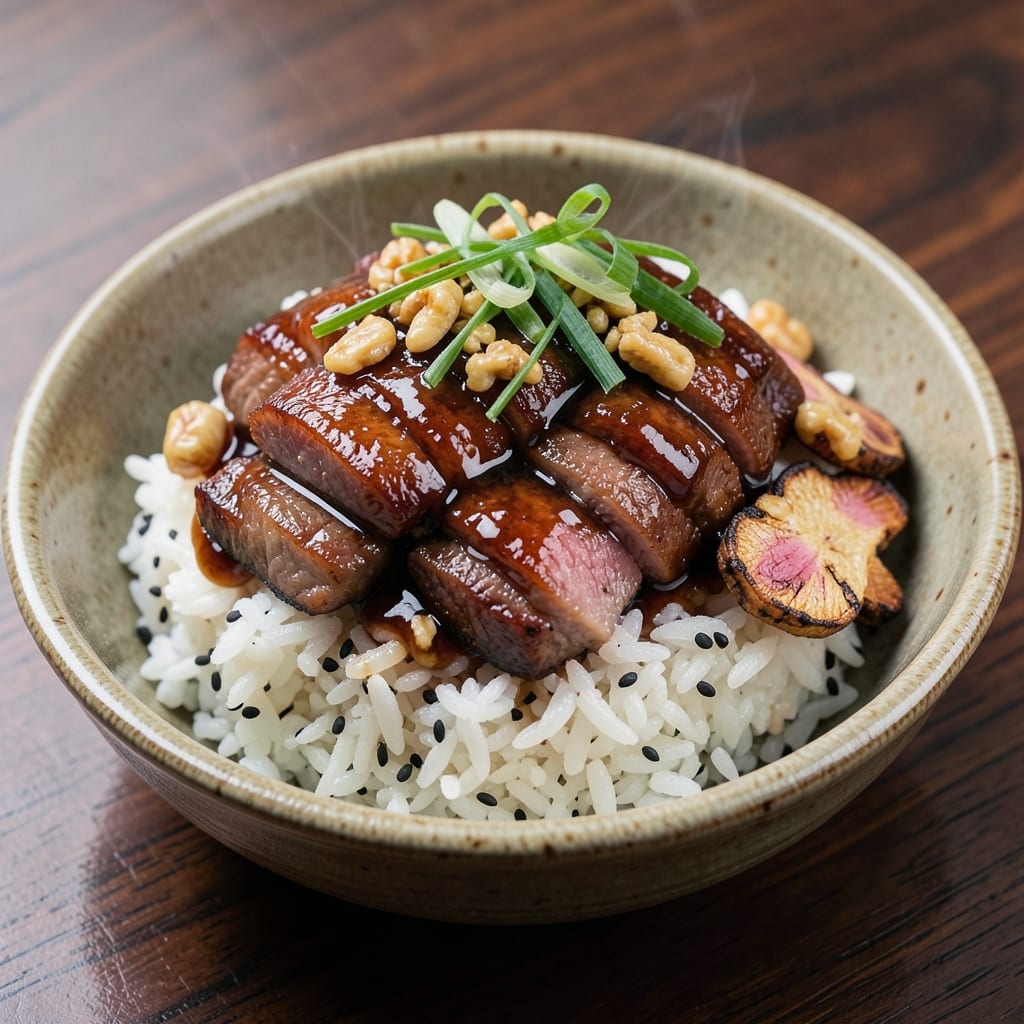
This Asian beef tongue recipe transforms humble beef tongue into a luxurious centerpiece with deep five-spice aromatics and velvety braising. Unlike traditional recipes that require hours of simmering, this method delivers restaurant-quality results in under 3 hours—perfect for special occasions or when you crave something truly memorable. The key lies in the slow braising process, where the tough connective tissue melts into tender, buttery richness while absorbing complex flavors.
Inspired by Korean and Chinese techniques, this recipe balances sweet, savory, and umami through a carefully crafted marinade and braising liquid. The five-spice blend adds warmth and depth, while soy sauce and brown sugar create that signature caramelized sheen. What sets this apart is the pressure-cooking shortcut that cuts prep time without sacrificing texture—your beef tongue will emerge fork-tender with a glossy, appetizing finish.
Serve this dish with steamed jasmine rice to soak up the rich braising liquid, or pair it with quick-pickled radishes for a tangy contrast. The leftovers reheat beautifully, making it ideal for meal prep—just slice and serve over noodles for an easy lunch. Whether you're hosting a dinner party or treating yourself to a luxurious weeknight meal, this recipe delivers professional results with minimal effort.
For those new to beef tongue, don’t be intimidated—the secret is patience and the right technique. The marinade tenderizes the meat while the braising process infuses it with layers of flavor. By the final bite, you’ll understand why this dish is a staple in Asian households and restaurants alike. Ready to elevate your cooking game?
Ingredients for asian beef tongue
Elevate humble beef tongue with aromatic spices and velvety braising for a luxurious Asian-inspired centerpiece.
| Ingredient | Amount | Notes |
|---|---|---|
| Beef Tongue 🥩 | 2 lb | Whole, cleaned and trimmed |
| Five-Spice Powder 🌶️ | 1 ½ tbsp | Toasted for enhanced aroma |
| Soy Sauce 🍶 | ½ cup | High-quality, preferably Japanese |
| Brown Sugar 🍚 | ½ cup | Light or dark, packed |
| Garlic Cloves 🧄 | 6 cloves | Smashed for maximum flavor |
| Fresh Ginger 🌿 | ½ cup | Julienned, peeled |
| Star Anise 🌟 | 2 whole | For anise depth |
| Cinnamon Sticks 🌿 | 2 whole | 1-inch pieces |
| Bay Leaves 🌿 | 2 whole | Dried, for aromatic base |
| Red Wine 🍷 | ½ cup | Bold, dry variety |
| Water 💧 | 2 cups | For braising liquid |
| Olive Oil 🫒 | 2 tbsp | For searing |
| Salt 🧂 | 1 ½ tsp | Diamond Crystal preferred |
| Black Peppercorns 🌶️ | 1 tsp | Crushed, for texture |
The beef tongue is the star, so source it from a trusted butcher or specialty market—look for vibrant color and firm texture. Whole Foods or high-end Asian grocers like H Mart carry excellent quality, often pre-cleaned for convenience. Five-spice powder should be freshly toasted in a dry pan for 30 seconds to deepen its aroma. For the red wine, any bold, dry variety like Cabernet Sauvignon or Merlot works, but avoid overly oaky choices that can overpower the delicate flavors. The star anise and cinnamon sticks should be whole and aromatic—if they smell musty, replace them for optimal flavor.
No five-spice powder? Combine 1 tsp each of ground cloves, fennel seeds, and cardamom for a DIY blend. Substitute brown sugar with honey (use half the amount) for a different depth, though the caramelization will differ. Fresh ginger can be swapped for ground ginger (reduce to 1 tsp), but the texture will be less vibrant. Running short on red wine? Dry sherry or even beef broth with a splash of vinegar works in a pinch. The bay leaves are non-negotiable—they provide that subtle herbal backbone, so don’t skip them. For a quicker prep, use pre-minced garlic and ginger from a tube, though freshly smashed garlic adds superior flavor.
Braised beef tongue keeps beautifully in the fridge for 5-6 days, with flavors deepening over time. For longer storage, freeze it for up to 3 months—slice before freezing for easy reheating. To reheat, simmer gently in the braising liquid until warmed through. The leftovers make incredible sandwiches with a smear of spicy mayo or as a cold appetizer with pickled vegetables. Portion the braising liquid separately—it’s liquid gold for sauces or gravies later. Always cool the tongue quickly after cooking to prevent bacterial growth, then store it submerged in its braising liquid.
Why You'll Love This Recipe
- One-Pot Magic: I swear by this recipe when I’m too tired to wash dishes. Simmer the beef tongue with garlic, five-spice, and soy sauce—just stir, cover, and forget about it for 90 minutes. The only cleanup is a single pot, and honestly, that’s my kind of cooking.
- Umami Bomb: That first bite? Rich, caramelized beef with a deep garlic punch and just enough sweetness from the brown sugar. The five-spice powder gives it this warm, slightly floral note that makes it taste like a restaurant dish, not something you threw together.
- Lunchbox Hero: Between us, this is my secret weapon for meal prep. Slice the cooked tongue thin, toss it in rice bowls with quick-pickled veggies, and boom—you’ve got a week’s worth of lunches that actually taste exciting. (My coworkers still ask how I make it so good.)
- Budget Powerhouse: A whole beef tongue feeds four for way less than takeout. The five-spice and soy sauce stretch the flavor, so you’re not sacrificing taste for savings. Plus, leftovers reheat like a dream—just a splash of water, and it’s just as good the next day.
Step-by-step instructions for braised beef tongue
Transform tough beef tongue into melt-in-your-mouth tenderness with this precise braising method.
Prepare the Beef Tongue for Cooking
Begin by thoroughly cleaning the 2 lb beef tongue under cold running water. Use a sharp knife to trim away any excess fat or connective tissue, focusing on the edges and surface. This preparation ensures even cooking and better flavor penetration.
Place the cleaned tongue in a large pot and cover it with cold water. Add the 1.5 tsp salt and bring to a boil over medium-high heat. Once boiling, reduce the heat to medium-low and simmer for 45-60 minutes, skimming off any foam that rises to the surface. This step removes impurities and begins tenderizing the meat.
Sear and Build the Aromatic Base
While the tongue simmers, heat a large Dutch oven over medium-high heat and add the 2 tbsp olive oil. Once the oil shimmers, carefully remove the tongue from the pot and pat it dry with paper towels. Place the tongue in the Dutch oven and sear on all sides until deeply browned, about 3-4 minutes per side. This step develops a rich, caramelized crust that enhances the final dish.
Remove the seared tongue and set it aside. In the same Dutch oven, add the 6 smashed garlic cloves and 0.5 cup julienned fresh ginger. Sauté for 1-2 minutes until fragrant, being careful not to let the garlic burn. Add the 2 whole star anise, 2 whole cinnamon sticks, and 2 whole bay leaves, stirring for 30 seconds to toast the spices and release their aromatic oils.
Create the Braising Liquid
Pour in the 0.5 cup red wine and scrape up any browned bits from the bottom of the Dutch oven with a wooden spoon. This deglazing step captures all the flavorful fond. Add the 0.5 cup soy sauce and 0.5 cup brown sugar, stirring to dissolve the sugar completely. Pour in the 2 cups water and bring the mixture to a gentle simmer.
Return the seared beef tongue to the Dutch oven, ensuring it is fully submerged in the liquid. Add the 1.5 tbsp five-spice powder and 1 tsp crushed black peppercorns, stirring gently to distribute the spices evenly. The liquid should cover the tongue by about 1 inch—if not, add a little more water.
Braise to Buttery Perfection
Cover the Dutch oven with a tight-fitting lid and transfer it to a preheated 325°F oven. Braise for 2-2.5 hours, turning the tongue halfway through cooking. The meat is done when it is fork-tender and easily pulls apart. You'll know it's ready when the internal temperature reaches 205°F and the liquid has reduced to a rich, syrupy consistency.
Remove the tongue from the Dutch oven and let it rest on a cutting board for 15-20 minutes before slicing. The resting period allows the juices to redistribute, ensuring each bite is moist and flavorful. Reserve the braising liquid for serving or use it as a sauce for rice or noodles.
Serve with Confidence
Slice the braised beef tongue against the grain into ¼-inch thick pieces. Arrange the slices on a platter and ladle the reduced braising liquid over the top. Garnish with fresh herbs, such as cilantro or Thai basil, if desired. Serve immediately with steamed jasmine rice or fresh baguette slices to soak up the rich, buttery sauce.
Each bite should deliver a perfect balance of sweet, savory, and aromatic complexity. The five-spice powder adds warmth, the red wine brings depth, and the slow braising creates an irresistibly tender texture. This method transforms a humble cut into a showstopping centerpiece.
Pro Tips For Making Asian Beef Tongue
- SCORE THE TONGUE FIRST: That thick, chewy exterior isn’t just for looks—it’s the flavor guard. Use a sharp knife to score the surface in a crosshatch pattern before cooking, about 1/4-inch deep. I learned this the hard way when my first batch stayed bland inside because the marinade couldn’t penetrate.
- USE COLD GARLIC: Toss minced garlic into the cold marinade (soy, sugar, five-spice) instead of cooking it raw. The cold shock keeps it from burning and lets it infuse flavor evenly. My grandmother swore by this, and she was right: the aroma hits different when it’s not bitter from overcooking.
- LOW AND SLOW IS NON-NEGOTIABLE: Beef tongue needs 2–2.5 hours at 300°F (150°C) to tenderize properly. I used to rush it at higher temps, and the result was always tough. Cover it loosely with foil—just enough to trap steam, not suffocate it—and check every 45 minutes after the first hour.
- BROWN THE SUGAR FIRST: Caramelize the brown sugar in the pan before adding the tongue—this adds depth that just stirring it in misses. Use 1 tablespoon of oil to help it melt smoothly, then let it bubble until it smells like a bakery. Sounds weird, but it works: the flavor sticks to the meat like glue.
Make-ahead tips for this dish
Prep Ahead for Efficiency
The marinade and braising liquid can be prepped 1 day ahead—store them in separate airtight containers in the fridge. Combine all ingredients except the beef tongue, then refrigerate until ready to use. This saves 20 minutes of active prep time on cooking day. I like to label containers with dates to track freshness. 📅
Pressure Cooker Shortcut
For a faster version, use a pressure cooker after searing. After adding the braising liquid, cook on high pressure for 60 minutes, then natural release for 15 minutes. The texture will be slightly different but still tender. This cuts total cook time to about 1.5 hours instead of 3. 💨
Storage and Reheating
Braised beef tongue keeps in the fridge for 5-6 days when stored in its braising liquid. Portion the meat and liquid into separate airtight containers—I use glass jars with tight lids. To reheat, simmer gently in the braising liquid over low heat for 10-15 minutes until warmed through. Never microwave, as it can make the meat dry. ❄️
Freezer-Friendly Slices
Slice the cooked beef tongue before freezing for easy meal prep. Place slices in a single layer on a tray, freeze until solid, then transfer to a freezer bag. Thaw overnight in the fridge before reheating. These frozen slices reheat beautifully in 5 minutes in the braising liquid, perfect for quick lunches. 🍽️
Braising Liquid Magic
Save the reduced braising liquid—it’s packed with flavor! Store it in the fridge for up to 1 week or freeze in ice cube trays for portion control. Use it to glaze roasted vegetables, as a sauce for rice, or even as a marinade for tofu. A splash in soups adds instant depth. I keep a small jar in my pantry for emergencies. 💡
Make-Ahead Serving Ideas
Prep components ahead for stress-free serving. Cook the rice and pickle the radishes 1 day ahead, then store separately. Assemble the dish just before serving to keep everything fresh. For a party, slice the beef tongue and arrange it on a platter with the braising liquid, then garnish tableside with fresh herbs. Presentation matters! ✨
Nutrition facts
Frequently asked questions
Why does beef tongue need to be simmered before braising?
Simmering first removes impurities and surface blood that can make the meat bitter. This step also jump-starts the tenderizing process by breaking down tough connective tissues. Skipping it risks a less flavorful, tougher final result.
Can I substitute five-spice powder in this recipe?
Yes! For a DIY blend, combine 1 tsp each of ground cloves, fennel seeds, and cardamom with ½ tsp cinnamon. Toast all spices together for 30 seconds to enhance aroma. The flavor won't be identical but will still deliver warm, aromatic depth.
How do I know when the beef tongue is fully cooked?
Use a meat thermometer—it's done at 205°F internal temperature. The tongue should also be fork-tender and easily pull apart with minimal resistance. If it's still slightly firm, return it to the oven for 30 more minutes.
What's the best way to serve leftover braised beef tongue?
Slice leftovers and serve cold in sandwiches with spicy mayo, or reheat gently in the braising liquid. It also makes amazing tacos with pickled onions and cilantro. For extra richness, drizzle with a little of the reserved sauce.
Can I make this recipe in a slow cooker?
After searing, transfer everything to a slow cooker and cook on low for 8-10 hours or high for 5-6 hours. The texture will be slightly different but still tender. Just ensure the tongue stays submerged in liquid.