
Main Courses
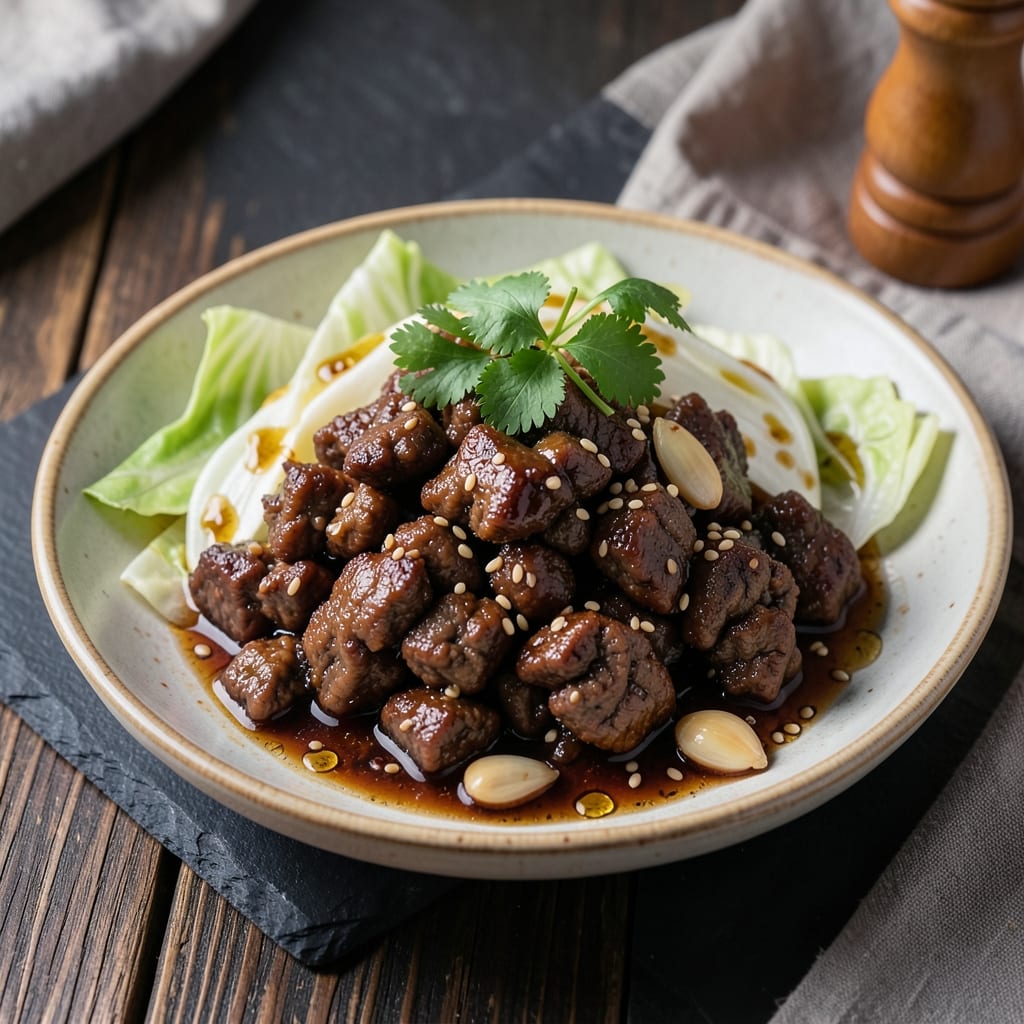
This Asian cabbage ground beef recipe delivers the perfect balance of crisp-tender cabbage and savory beef packed with umami flavor—all in just 30 minutes. The secret lies in high-heat wok-frying, which creates caramelized edges on the beef while keeping the cabbage pleasantly crunchy. I developed this dish after craving something hearty yet quick, and it’s now a weeknight staple that disappears faster than I can say "sesame seeds." What sets this recipe apart is the flavor profile: a sweet-savory sauce with a touch of tang that coats every bite, while the beef stays juicy and the cabbage holds its satisfying crunch. The dish is versatile enough to serve over rice or noodles, or even as a filling for lettuce wraps for a lighter option. Restaurant-quality results without the fuss—just one pan and minimal prep. The technique is simple but effective: sear the beef first to build deep flavor, then add the cabbage in stages so it crisps up beautifully. A splash of soy sauce, a hint of brown sugar, and a squeeze of lime at the end tie everything together. The aroma alone will have everyone gathered around the table. Whether you're feeding a family or meal prepping for the week, this dish delivers satisfaction in every bite. Let’s get cooking!
Ingredients for asian cabbage and ground beef
Quick, flavorful ingredients that create restaurant-quality wok-fried bites in 30 minutes.
| Ingredient | Amount | Notes |
|---|---|---|
| Ground Beef (80/20) 🥩 | 1 lb | 80% lean, 20% fat preferred |
| Asian Cabbage (Napa Cabbage) 🥬 | 1 whole | About 1 lb, thinly sliced |
| Low-Sodium Soy Sauce 🍶 | 3 tbsp | For balanced saltiness |
| Brown Sugar 🍯 | 2 tbsp | Light or dark variety |
| Sesame Oil 🫒 | 1 tbsp | Toasted sesame oil preferred |
| Garlic Cloves 🧄 | 4 cloves | Minced for aromatic base |
| Fresh Ginger 🌿 | 1 tbsp | Grated, peeled ginger root |
| Lime Juice 🍋 | 1 tbsp | Freshly squeezed lime |
| Vegetable Oil 🫒 | 2 tbsp | High smoke point oil |
| Green Onions 🧅 | 3 whole | Sliced, white and green parts |
| Toasted Sesame Seeds 🌰 | 1 tbsp | For garnish and crunch |
| Salt 🧂 | ½ tsp | Kosher or sea salt |
| Black Pepper 🌶️ | ¼ tsp | Freshly ground preferred |
| White Rice 🍚 | 1 ½ cups | Uncooked, long-grain rice |
The ground beef is the star here—80/20 fat ratio keeps it juicy while caramelizing beautifully. Trader Joe's or Costco carry pre-packaged 80/20 blends that save time. For cabbage, Napa cabbage is ideal, but regular green cabbage works in a pinch—just slice it thinner. Fresh ginger and garlic are non-negotiable for that authentic umami punch. I always grab organic ginger from the produce section, but any fresh ginger works if it's plump and firm. The sesame oil should be toasted—La Choy or Kallo brands are reliable for consistent flavor.
No sesame oil? Avocado oil at half the amount works, but you'll lose that nutty aroma. Substitute brown sugar with honey or maple syrup if you prefer, though brown sugar's caramel notes are key. For extra crunch, swap sesame seeds with crushed peanuts or slivered almonds. The soy sauce can be regular, but low-sodium gives you better control over seasoning. If you're short on time, pre-sliced cabbage from the salad bar section saves chopping. The green onions add freshness—use the white parts for cooking and the green for garnish.
Prep the cabbage and beef ahead to save time during cooking. Store sliced cabbage in a sealed container with a paper towel for up to 3 days—it stays crisp longer this way. The cooked mixture reheats beautifully—just warm in a skillet with a splash of water or soy sauce. Keeps for 4 days in the fridge or 3 months frozen. Double the recipe and freeze half for lazy weeknights. The rice portion can be cooked separately and stored in the fridge for 5 days or frozen for 6 months.
Why You'll Love This Recipe
- One-Pan Magic: I swear by this recipe when I’m too tired to scrub pots—just brown the beef, toss in the cabbage, and let it all caramelize together. The sesame oil finishes it with that golden aroma that makes the whole kitchen smell like a takeout spot.
- Sweet-Savory Balance: That little pinch of brown sugar? It’s the secret. The cabbage soaks up the sticky-sweet soy glaze while the beef stays juicy, giving you crispy edges and a depth of flavor that’s weirdly addictive. Honestly, I’ve made it three times this week already.
- Lunchbox Hero: Between us, this is my go-to for meal prep. The cabbage stays crunchy even after reheating, and the beef’s rich flavor means it doesn’t get soggy. Pack it in bento boxes for work or school—it’s the kind of dish that makes you the popular one.
- Budget Stretch: Ground beef and cabbage are cheap, but this recipe makes them feel fancy. A pound of beef and half a cabbage feed four people, and leftovers reheat like a dream. I’ll be real: it’s saved me from ordering takeout more times than I can count.
Step-by-step instructions for wok-fried Asian cabbage and ground beef
Here's how to create a perfect balance of tender beef and crisp-tender cabbage with a savory-sweet sauce.
Prepare the Cabbage and Rice
Start by thoroughly rinsing the whole Asian cabbage (Napa cabbage) under cold water to remove any dirt between the leaves. Carefully separate the leaves, keeping the core intact, and slice them into ¼-inch thick strips. You should have about 8 cups of sliced cabbage—set aside.
In a separate bowl, combine the 1.5 cups white rice with 3 cups water (standard ratio for white rice). Bring to a boil in a pot, then reduce heat to low, cover, and simmer for 15 minutes until the water is absorbed. Remove from heat and let it steam covered for another 5 minutes. Fluff with a fork and keep warm.
Create the Flavor Base
In a large wok or skillet, heat the 2 tablespoons vegetable oil over medium-high heat until shimmering. Add the 4 cloves minced garlic and 1 tablespoon grated fresh ginger, cooking for 30 seconds until fragrant but not browned. Immediately add the 1 lb ground beef (80/20) and cook, breaking it apart with a wooden spoon, until no longer pink and the meat pulls away from the pan in 5-6 minutes.
Drain any excess fat if needed, leaving just enough to coat the bottom. Stir in the 3 tablespoons low-sodium soy sauce and 2 tablespoons brown sugar, letting the mixture simmer for 1 minute until the sugar dissolves and the flavors meld.
Wok-Fry the Cabbage
Add the sliced Asian cabbage to the wok in batches, stirring constantly to ensure even cooking. Cook for 4-5 minutes until the cabbage begins to wilt and soften slightly but still maintains a slight crunch. The high heat is key here—it should sizzle vigorously.
Once the cabbage is tender-crisp, pour in the 1 tablespoon lime juice and 1 tablespoon sesame oil, tossing everything together for another 1 minute. The lime brightens the dish while the sesame oil adds depth. Season with the 0.5 teaspoon salt and 0.25 teaspoon black pepper, adjusting to taste.
Combine and Garnish
Return the cooked rice to the wok and gently fold everything together, coating each grain with the beef and cabbage mixture. The residual heat will finish cooking the rice slightly, creating a cohesive dish. Taste and adjust seasoning if needed—you want a balance of sweet, savory, and umami.
Transfer to serving plates and garnish with the 3 sliced green onions and 1 tablespoon toasted sesame seeds. The sesame seeds add a delightful crunch and visual appeal. Serve immediately while the cabbage maintains its slight crispness and the beef stays juicy.
Pro Tips For Making Asian Cabbage And Ground Beef
- CRANK THE HEAT FIRST: High heat for the beef—until it’s no longer pink. I used to cook it low and slow, and it’d turn out greasy and bland. Now I sear it hard for 3-4 minutes, breaking it into chunks with a spoon, then lower the heat to finish. That crust makes all the difference in flavor.
- SHRED THE CABBAGE THIN: Slice the Napa cabbage paper-thin—about 1/8-inch or less. Thick strips stay crunchy and won’t soften properly. Use a sharp knife and work in batches if needed. (Yes, it’s tedious, but the texture is worth it.)
- DON’T DROWN THE PAN: After browning the beef, add just enough liquid to deglaze—about 2 tablespoons of water or a splash of soy sauce. Too much turns the sauce watery. Let it reduce by half before adding the rest of the ingredients. Patience here keeps the dish rich, not soupy.
- SAVE THE SESAME OIL: Add sesame oil last, right before serving. Heat destroys its delicate nutty aroma, so drizzle it over the finished dish instead. A few drops (about 1 teaspoon) elevate the flavor without overpowering. (Trust me, your nose will thank you.)
Troubleshooting perfect results
Beef Overcooking
If your ground beef turns out dry or rubbery, it’s likely cooked too long at high heat. The key is to cook it just until it loses its pink color—about 5-6 minutes max over medium-high heat. I’ve learned to set a timer to avoid overcooking. Also, avoid stirring constantly, which breaks up the meat fibers and releases moisture. Let it sear in small batches if needed, but don’t crowd the pan. 💡
Mushy Cabbage
Cabbage that turns into a sad, limp pile happens when it cooks too long or at too low heat. To keep it crisp-tender, work in batches and stir constantly over high heat for only 4-5 minutes. I like to add the cabbage after the beef is already cooked and draining slightly—this ensures it gets the heat without wilting completely. A splash of ice water at the end can also help revive texture if needed.
Sauce Too Salty
If the soy sauce makes the dish taste overwhelmingly salty, balance it with a squeeze of lime juice or a pinch of brown sugar. The acidity brightens the flavors while the sweetness cuts through the saltiness. I also like to add a ½ cup water or beef broth to dilute the sauce slightly if needed. Taste as you go—it’s easier to adjust early than later. 🧂
Lack of Crunch
For extra crunch in the cabbage, add it to the wok just before serving and cook for no more than 2-3 minutes. Alternatively, blanch the cabbage in boiling water for 1 minute, then shock it in ice water before stir-frying. This preserves its texture. If you’re reheating leftovers, add a splash of water or soy sauce and cover the pan to steam the cabbage slightly—it’ll still have some bite.
Flat Flavors
If your dish tastes bland, it’s likely missing the umami boost. Make sure you’re using fresh ginger and garlic (not powdered) and toasted sesame oil for depth. A dash of fish sauce (½ tsp) or a pinch of white pepper can also elevate the flavor. I keep a small bottle of Kikkoman fish sauce on hand for these moments—it’s a game-changer. 🌶️
Sticky Rice
If your rice turns out mushy or sticky, it’s likely overcooked or the wrong type. Use long-grain white rice and follow the 1:2 rice-to-water ratio (1 cup rice to 2 cups water). Let it sit off the heat for 5 minutes after cooking to absorb excess moisture. If it’s already sticky, spread it on a tray and let it cool slightly—this helps separate the grains. For extra insurance, use a rice cooker with a steaming function. ✨
Nutrition facts
Frequently asked questions
Can I use regular green cabbage instead of Asian cabbage?
Yes, you can! Regular green cabbage works in a pinch, but it has a stronger flavor and tougher texture. For best results, slice it thinner (⅛-inch strips) and cook it for 2-3 minutes less than Asian cabbage to maintain some crunch. The dish will still be delicious, just with a slightly different texture profile.
What if I don't have a wok? Can I make this in a regular skillet? A 12-inch cast-iron skillet or non-stick pan works perfectly—just
How can I make this dish spicier?
Add ½ teaspoon red pepper flakes or 1 teaspoon gochujang (Korean chili paste) when cooking the beef. For extra heat, stir in 1 chopped Thai chili with the garlic and ginger. Adjust to taste—start with less and add more gradually to avoid overwhelming the dish.
Can I make this recipe without rice? What are some good alternatives?
Yes! Serve it over steamed jasmine rice, cauliflower rice, or zucchini noodles for a lighter option. For a handheld meal, use lettuce wraps or rice paper rolls. The dish also pairs well with egg noodles or even as a filling for tacos with tortillas.
How long will leftovers keep, and can I freeze this dish?
Leftovers stay fresh in the fridge for 4 days and freeze beautifully for 3 months. To reheat, warm in a skillet with 1 tablespoon water or soy sauce over medium heat for 3-4 minutes, stirring constantly. For best texture, add a splash of water when reheating to prevent drying.