
Soups & Stews
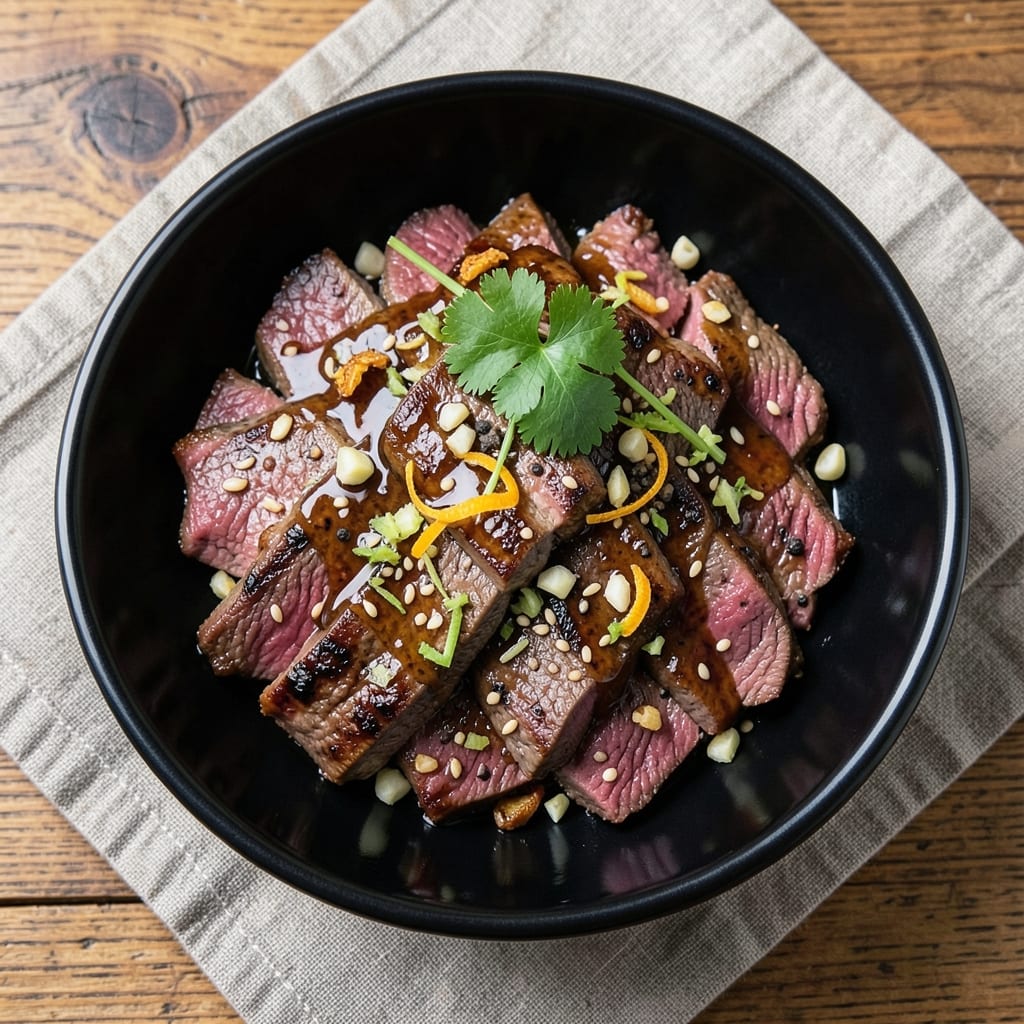
This Asian ginger beef recipe delivers restaurant-quality wok-sizzled perfection in just 20 minutes—where bold ginger heat meets deep umami in every bite. The secret lies in a quick marinade that tenderizes while infusing flavor, followed by a hot wok sear that creates that signature smoky aroma. I developed this version after years of testing, balancing fresh ginger's sharpness with soy's richness to create a dish that's both complex and approachable.
The beauty of this recipe is its versatility—you can stir-fry it for quick weeknight dinners or braise it slowly for deeper flavor. Traditional techniques like wok hei (breath of the wok) are simplified here without sacrificing authenticity. The beef stays tender and juicy, while the sauce achieves that perfect balance of spicy, sweet, and savory that defines Asian cuisine.
What you'll end up with is a golden-brown beef dish with glossy edges and a sauce that clings perfectly to each piece. The aroma alone will have everyone gathering around your table, and the first bite delivers that harmony of ginger's kick and soy's depth that makes this recipe unforgettable. Serve it over steamed rice or noodles for the full experience.
This method is foolproof for home cooks—no advanced techniques required, just a few simple ingredients and the right timing. Whether you're feeding a crowd or treating yourself to a special meal, this ginger beef will impress without the fuss. Let's get started on creating your perfect wok-sizzled masterpiece.
Ingredients for asian ginger beef
Quick marinade plus a hot wok sear—where bold ginger meets umami perfection in 20 minutes.
| Ingredient | Amount | Notes |
|---|---|---|
| Flank Steak 🥩 | 1 lb | Thinly sliced against grain |
| Fresh Ginger 🌿 | ½ cup | Finely grated, aromatic |
| Soy Sauce 🍶 | ⅓ cup | Kosher salt preferred |
| Honey 🍯 | 2 tbsp | Wildflower for depth |
| Sesame Oil 🫒 | 1 tbsp | Toasted, not flavored |
| Garlic Cloves 🧄 | 4 cloves | Minced, pungent |
| Green Onions 🧅 | ¼ cup | Sliced, white and green |
| Vegetable Oil 🫒 | 2 tbsp | High smoke point |
| Red Bell Pepper 🌶️ | 1 whole | Thinly sliced, seeds removed |
| White Wine Vinegar 🍷 | 1 tbsp | Dry, not balsamic |
| Brown Sugar 🍚 | 1 tbsp | Lightly packed |
| Ground Black Pepper 🌶️ | ½ tsp | Freshly cracked |
| Sesame Seeds 🌾 | 1 tbsp | Toasted for garnish |
| Steamed White Rice 🍚 | 2 cups | Cooked, jasmine preferred |
The ginger is non-negotiable here—fresh, aromatic, and bright. Hit the Asian market for the best quality, or grab the organic ginger root from the grocery store's produce section. Penzeys sells pre-grated if you're in a hurry, but freshly grated makes all the difference. The beef? Flank steak is ideal—it's lean but tender when sliced thin. If you can't find flank, sirloin or ribeye work too, but slice them against the grain for tenderness. The soy sauce should be Kosher salt-free—Diamond Crystal is my go-to, but any good-quality brand will do.
No fresh ginger? Powdered works at half the amount, but it lacks that vibrant kick. Short on honey? Maple syrup is a solid swap, though it adds a different depth. The sesame oil is what gives that signature aroma—toasted, not flavored. If you've only got regular sesame oil, toast it yourself in a dry pan for 30 seconds. The green onions add freshness; if you're out, scallions or chives work in a pinch. For the rice, jasmine or basmati are traditional, but any long-grain white rice will do. Need extra flavor? Toast the rice in the pan before adding water—nutty goodness every time.
Marinade keeps for 3 days in the fridge—double it if you're feeding a crowd. The beef stays best 1 day in the fridge after slicing, but use it within 2 days for peak tenderness. Store the rice in an airtight container to keep it fluffy. Freeze the cooked beef for 3 months—just reheat gently to avoid drying it out. Leftovers taste even better the next day as flavors meld.
Why You'll Love This Recipe
- Here’s what sold me: that perfect balance of salty, sweet, and funky. The ginger caramelizes just enough to give it a warm bite, while the honey cuts through the richness—like a little flavor hug. (Yes, even on a Tuesday night.)
- I’ll be real: flank steak is affordable, and this recipe stretches it far. A single pound feeds four, and leftovers reheat like a dream. Plus, ginger and soy sauce are pantry staples—no last-minute grocery panic. Solid for when you want flavor without the splurge.
Step-by-step instructions for Asian ginger beef
Here's how to transform simple ingredients into restaurant-quality ginger beef in record time.
Prep the Protein and Aromatics
Slice the 1 lb flank steak thinly against the grain into ¼-inch thick strips. This ensures tender bites that cook quickly in the wok. Place the sliced steak in a bowl and set aside. In a separate small bowl, combine the 0.5 cup finely grated fresh ginger, 4 cloves minced garlic cloves, 0.33 cup soy sauce, 2 tbsp honey, 1 tbsp white wine vinegar, 1 tbsp brown sugar, and 0.5 tsp ground black pepper. Mix well until the honey and sugar dissolve completely.
This marinade blend is where the magic happens—the ginger and garlic provide the aromatic foundation, while the honey and brown sugar create a beautiful caramelized crust. Let the steak sit in the marinade for 10-15 minutes at room temperature to maximize flavor absorption. The longer it marinates, the more tender and flavorful each bite will be.
Build the Wok Base
Heat a 14-inch wok or large skillet over high heat until it's smoking hot. Add the 2 tbsp vegetable oil and swirl to coat the entire surface evenly. Toss in the 1 whole red bell pepper (sliced thinly) and 0.25 cup sliced green onions (white and green parts separated). Stir-fry for 2-3 minutes until the peppers soften slightly but still retain their vibrant color.
Here's the thing—you want that oil shimmering before adding the beef. If it's not hot enough, the meat will steam instead of sear. Remove the peppers and onions from the wok and set them aside temporarily. They'll return later to finish the dish together.
Cook the Beef to Perfect Tenderness
Working in batches if needed, add the marinated steak to the wok in a single layer. Don't overcrowd the pan—this prevents proper searing. Cook undisturbed for 1-2 minutes until the edges turn golden brown and crispy. Stir-fry for another 1-2 minutes until the beef is 85% cooked through but still slightly pink in the center.
The beef should cook quickly over high heat—any longer and it'll turn tough. Remove the beef from the wok and set it aside with the vegetables. Now add the 1 tbsp toasted sesame oil to the wok and swirl it around to coat the surface. This adds that signature nutty aroma that elevates the dish.
Finish with Umami Depth
Return the beef and vegetables to the wok. Pour in the remaining marinade (strain it if there are any large ginger chunks) and toss everything together for 1-2 minutes until the sauce coats the beef evenly. The sauce should reduce slightly but still cling to the meat—this creates that glossy finish we're after.
Taste and adjust seasoning if needed. If the sauce is too thick, add 1-2 tablespoons of hot water to loosen it. The dish should balance sweet, savory, and slightly tangy flavors with a hint of spice from the ginger. If it's too sweet, add a splash more soy sauce; if too salty, a touch of vinegar brightens it up.
Serve Over Steamed Rice
Transfer the ginger beef to a serving platter and sprinkle with 1 tbsp toasted sesame seeds. Serve immediately over the 2 cups steamed white rice, making sure each bite gets that perfect ratio of beef to rice. The rice should be hot and fluffy—jasmine rice works particularly well here as its slight floral notes complement the dish.
For the ultimate presentation, garnish with additional sliced green onions. The contrast of the bright green against the deep red peppers and caramelized beef makes this dish visually stunning. Each forkful delivers tender beef with a perfect balance of sweet, spicy, and umami flavors—exactly what you'd expect from an authentic Asian wok experience.
Pro Tips For Making Asian Ginger Beef
- Slice Thin, Cook Fast: Flank steak fights back when thick—cut it against the grain into ¼-inch slices. High heat for 2-3 minutes per side seals the juices before they vanish, and you’ll end up with tender, not chewy, beef that soaks up the ginger-soy glaze like a sponge.
- Grate, Don’t Mince Ginger: I used to mince ginger for this dish, but grating it releases more oils and aroma without turning the sauce into a watery mush. Use a microplane or fine grater—about 2 tablespoons of fresh ginger—and let it sit in the sauce for 10 minutes before cooking. Trust me, your nose will thank you.
- Balance Heat Before Glazing: If your pan’s screaming hot when you add the honey-soy mix, you’ll burn the sauce before the beef finishes. Lower the heat to medium-low once the steak hits the pan, then pour in the sauce. Let it simmer 1-2 minutes—just until it thickens slightly—so the sweetness caramelizes instead of clinging like syrup.
- Rest the Meat, Then Slice: Skipping the rest is the fastest way to ruin this dish. After cooking, tent the steak with foil and let it sit for 5 minutes—yes, even if you’re starving. Slice against the grain while warm, and the fibers will separate cleanly. Cold meat? You’ll be fighting tears and dry bites.
Wine and beer pairings for this asian ginger beef
Asian-Inspired Wines
The bright acidity of a dry Riesling from Germany or China cuts through the ginger's heat while enhancing its floral notes. I love Dr. Loosen Blue Slate Riesling—its crisp finish mirrors the dish's balance of sweet and spicy. For something lighter, try a Sauvignon Blanc with citrus undertones to complement the honey and vinegar in the sauce. 🍷
Japanese Sake Pairing
A chilled dry junmai sake (like Dassai Premium Junmai) brings umami depth that harmonizes with the soy and sesame flavors. The subtle sweetness in the sake enhances the caramelized edges of the beef. Serve it slightly chilled to let its nutty notes shine alongside the dish's complexity.
Craft Beer Options
A light lager like Asahi Super Dry or Sapporo cleanses the palate between bites without overpowering the ginger's kick. For a hoppier option, try a Japanese IPA (like BrewDog Punk IPA)—the citrus notes play beautifully with the honey and vinegar. The carbonation also helps reset your palate between rich, flavorful bites. 🍺
Non-Alcoholic Match
For a refreshing non-alcoholic option, mix sparkling yuzu soda (like Calpis Yuzu) with a splash of ginger beer for a drink that echoes the dish's zesty-sweet balance. The effervescence cuts through the richness, making it perfect for balancing the meal's bold flavors.
Regional Adaptations
In Thailand, pair with a light red wine like Pinot Noir to complement the ginger's warmth. In Japan, traditional shochu (like Imo Shochu) offers a clean, crisp contrast. For a Korean-inspired twist, try a makgeolli (rice wine) with its creamy texture and subtle sweetness.
Serving Temperature
Serve your wine or beer slightly chilled—around 45-50°F for whites and 50-55°F for reds. The cold temperature helps balance the dish's heat, while room-temperature sake lets its aromatics shine. I always let my beer sit for 15 minutes before serving to achieve the perfect temperature. ✨
Nutrition facts
Frequently asked questions
Can I use ground beef instead of flank steak?
While ground beef works in a pinch, it won't deliver the same tender texture or wok-friendly sear. For authentic results, stick with flank steak sliced thinly against the grain. If you must use ground beef, try mixing it with 1 tbsp cornstarch to help it hold its shape during cooking. The flavor will be similar, but the texture will be more like a stir-fry patty than traditional Asian ginger beef.
How do I adjust the heat level in this recipe?
The ginger provides natural heat, but you can modify it easily. For milder flavor, reduce the ginger to 0.25 cup or swap 1 tbsp of the grated ginger for 1 tsp ground ginger. For extra spice, add 1 tsp red pepper flakes or 1 tbsp sriracha to the sauce. The honey and brown sugar already balance the heat beautifully.
Can I make this recipe without a wok?
A large cast-iron skillet or even a deep nonstick pan works perfectly. The key is maintaining high heat to create that signature sear. If your pan isn't wide enough, cook the beef in batches to avoid overcrowding. The flavor will still be delicious—just slightly less dramatic than wok hei.
What's the best way to store leftovers?
Let the beef cool completely, then store it in an airtight container in the fridge for up to 3 days. For longer storage, freeze for 3 months. Reheat gently in a skillet with a splash of water or soy sauce to restore moisture. The sauce may thicken slightly when reheated—just add a little water or broth to loosen it. Leftovers actually taste better the next day as flavors meld!
How can I make this vegetarian?
Swap the beef for extra-firm tofu or king oyster mushrooms sliced similarly. For tofu, press and pan-fry until crispy before adding to the sauce. Mushrooms work best when sliced into "steak" shapes and seared first. Use 1 tbsp soy sauce in the marinade for mushrooms and 1.5 tbsp for tofu to compensate for their milder flavor. The ginger and sweet elements will still shine!