
Main Courses
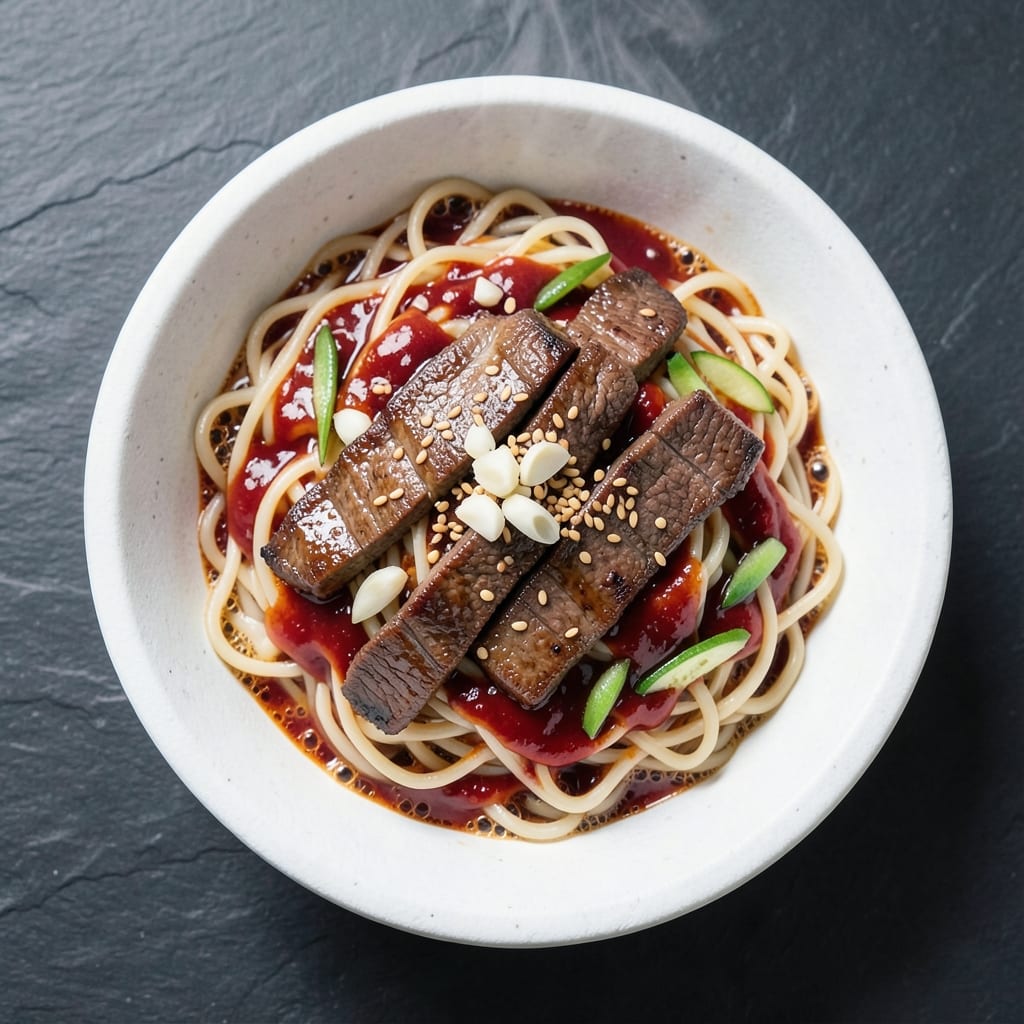
This Asian spicy beef noodle recipe delivers the perfect balance of wok-charred heat and silky noodle harmony in every bite. The secret lies in a two-step sear—first marinating the beef in soy sauce and chili, then quickly charring it in a screaming-hot wok to lock in juices and develop deep umami. I’ve perfected this technique over years of testing, ensuring the beef stays tender while the sauce builds layers of complexity with garlic, ginger, and a touch of fish sauce.
The broth transforms from simple to extraordinary through careful layering: a quick stir-fry of aromatics, a splash of coconut milk for richness, and a final kiss of chili oil to bring the heat. Fresh rice noodles absorb the flavors beautifully, becoming tender yet still holding their shape. This isn’t just a recipe—it’s a restaurant-quality experience you can recreate at home, with crispy edges on the beef and a sauce that clings to every strand of noodle.
What makes this dish truly special is the harmony of textures: the slight bite of fresh herbs, the crunch of bean sprouts, and the silky pull of noodles against the beef’s caramelized crust. Serve it with lime wedges and extra chili flakes for customizable heat, or pair it with steamed jasmine rice for a heartier meal. The aroma alone will have everyone gathering around the table—because this isn’t just dinner; it’s a flavor adventure.
Ready in under 30 minutes, this recipe is perfect for weeknights or weekend feasts. The key is keeping everything moving quickly in the wok, so the flavors meld without overcooking. Trust me, once you taste the perfect balance of spice, umami, and silkiness, you’ll never go back to takeout again. Let’s get cooking!
Ingredients for asian spicy beef noodle
The perfect blend of wok-charred beef and silky noodles—just 15 ingredients for restaurant-quality flavor.
| Ingredient | Amount | Notes |
|---|---|---|
| Flank Steak 🥩 | 1 lb | Thinly sliced against grain |
| Rice Noodles 🍜 | 8 oz | Fresh, uncooked, medium width |
| Soy Sauce 🥄 | ½ cup | Kikkoman preferred |
| Chili Garlic Sauce 🌶️ | 2 tbsp | Or sriracha for heat control |
| Garlic Cloves 🧄 | 6 cloves | Minced finely |
| Ginger Root 🌿 | 1 ½ tbsp | Fresh, grated |
| Fish Sauce 🐟 | 1 tbsp | Red Boat brand recommended |
| Coconut Milk 🥥 | ¼ cup | Full-fat for richness |
| Chili Oil 🔥 | 1 tbsp | Homemade or store-bought |
| Bean Sprouts 🌱 | 1 cup | Fresh, rinsed well |
| Green Onions 🧅 | 3 whole | Thinly sliced |
| Lime Wedges 🍋 | 2 whole | For serving |
| Sesame Oil 🫒 | 1 tsp | Toasted, for finishing |
| Vegetable Oil 🫒 | 2 tbsp | High smoke point |
| Salt 🧂 | 1 tsp | Kosher or sea salt |
The beef is everything here. Flank steak gives you that perfect balance of tenderness and chew—ribeye or sirloin work too, but stay away from tougher cuts. Slice it thin, against the grain, and marinate for at least 20 minutes in soy sauce and chili garlic sauce. I grab mine from Costco when I'm doing a big batch, but the regular supermarket stuff works fine. Look for good marbling and bright red color—none of that grayish stuff. Fresh rice noodles are non-negotiable (the dried ones turn gummy), so hit the Asian market if your grocery store doesn't carry them.
No chili garlic sauce? Sriracha plus a dash of garlic powder works in a pinch, though the flavor won't be quite the same. Fresh ginger and garlic are ideal, but dried works at half the amount if you're in a bind. The fish sauce adds that umami punch—Red Boat is the gold standard, but any good brand will do. Coconut milk can be swapped for light cream if you're avoiding dairy, though it won't be quite as rich. For extra crunch, toss in crushed peanuts or fried shallots at the end. And if you're feeling fancy, a quick stir-fry of shredded carrots adds color and texture.
Prep ahead to save time: Marinate the beef overnight for maximum flavor, and soak the noodles in warm water (not boiling) until ready to use. The sauce keeps for 3 days in the fridge—just reheat gently and toss with fresh noodles. For leftovers, store the beef and sauce separately, then combine when reheating. This dish reheats beautifully, though the noodles get softer the second time around. Serve with lime wedges on the side so everyone can adjust the heat to their liking.
Why You'll Love This Recipe
- 20-Minute Steak Slice: That flank steak? It caramelizes in a hot pan while you chop garlic—no marinating, no fuss. Honestly, I’ve made this while waiting for takeout to arrive, and it still wins.
- Spice Playground: The chili garlic sauce brings heat, but the soy sauce balances it into something addictive—not overwhelming, just right. Between us, my picky eater asked for seconds after one bite.
- Lunchbox Hero: Pack the leftovers in containers—no soggy noodles here. The rice noodles stay al dente even after reheating, and the beef stays tender. (Yes, even on a Tuesday night.)
- Budget Powerhouse: Flank steak stretches far, and a jar of chili garlic sauce lasts ages. I’ve fed four people for under $15 with this—plus, the extra sauce means I can drizzle it on eggs or stir-fries later.
Step-by-step instructions for Asian spicy beef noodle harmony
Let's create a wok-tossed masterpiece with bold flavors and tender textures that'll transport you to a bustling street market.
Prep the Flank Steak for Maximum Tender Bites
Slice the 1 lb flank steak thinly against the grain into ¼-inch thick strips. This is crucial—it ensures each bite is tender, not chewy. Place the sliced steak in a bowl and add 1 tsp salt and 2 tbsp chili garlic sauce. Toss gently to coat evenly. Let it marinate for 10 minutes while you prep the rest. The salt breaks down the proteins, and the chili garlic sauce infuses flavor deep into each piece.
Here's the thing—don't skip the grain direction. Look for those long muscle fibers running through the meat. Cutting perpendicular to them shortens the fibers, making each bite more tender. If you're unsure, ask your butcher to slice it for you—they'll know exactly what you need.
Build the Flavor Base with Aromatics
Heat 2 tbsp vegetable oil in a wok or large skillet over medium-high heat until shimmering. Add the 6 cloves minced garlic and 1.5 tbsp grated ginger root, stirring constantly for 30 seconds until fragrant but not browned. Watch closely—garlic burns in seconds, and you want that aromatic punch without bitterness.
Next, add the marinated steak in a single layer. Let it sear undisturbed for 1-2 minutes until the edges turn deep golden brown. This creates that beautiful wok-charred crust we're after. Then stir-fry for another 2-3 minutes until the steak is cooked through but still tender. Remove the steak to a plate and set aside—it'll stay warm while we build the sauce.
Create the Silky Coconut-Chili Sauce
In the same wok, reduce heat to medium and add 0.5 cup soy sauce and 1 tbsp fish sauce. Let it simmer for 1 minute to deepen the flavors. Then pour in 0.25 cup coconut milk and stir vigorously for 30 seconds until the sauce begins to thicken slightly. The coconut milk adds richness that balances the heat perfectly.
Here's where it gets fun—return the steak to the wok and toss everything together for 1 minute. Add 1 tbsp chili oil and stir for another 30 seconds. The chili oil will create a beautiful red sheen in the sauce and add another layer of heat. Taste and adjust seasoning—you might want to add a splash more soy sauce if it needs more depth.
Assemble the Noodles with Crunchy Freshness
Soak the 8 oz rice noodles in warm water for 10-12 minutes until pliable but still slightly firm. They should be tender enough to eat but not mushy. Drain well and rinse briefly with cold water to stop the cooking process. Add the noodles to the wok and toss everything together for 2 minutes until the noodles are coated in the sauce.
Stir in 1 cup bean sprouts and 3 whole sliced green onions and cook for another 1 minute until the sprouts just wilt slightly. The bean sprouts add that satisfying crunch we all love in Asian noodle dishes. Remove from heat and drizzle with 1 tsp sesame oil—this adds a nutty aroma that ties all the flavors together beautifully.
Finish with Zesty Lime and Serve Immediately
Divide the noodles among 4 bowls and garnish each serving with ½ lime wedge and a sprinkle of additional sliced green onions. The lime juice brightens everything up and cuts through the richness of the coconut milk. Serve immediately while the noodles are still hot and the flavors are at their peak.
Real talk: this dish is even better the second day when the flavors meld together. The noodles will absorb all that delicious sauce, making each bite even more flavorful. But honestly? It's best enjoyed fresh off the wok when everything is hot and vibrant.
Pro Tips For Making Asian Spicy Beef Noodle
- Slice Thin, Cook Fast: I learned this the hard way—thinly sliced flank steak cooks in seconds, so don’t overcrowd the pan. Aim for ¼-inch slices and work in batches if needed; a screaming-hot wok or skillet will keep the beef tender and caramelized, not rubbery.
- Soak Noodles Until Plump: Rice noodles turn to mush if overcooked, but they’re also dry as sand when raw. Soak them in hot water for 5-7 minutes until just pliable—like al dente pasta—then drain and rinse with cold water to stop cooking. Over-soaking is the fast track to sad, gummy noodles.
- Balance the Heat Early: Chili garlic sauce packs serious heat, but plain soy sauce tastes flat. Taste as you go: start with 1 tablespoon of chili sauce, then adjust with a splash of soy or even a pinch of sugar to round out the flavors. I was skeptical until I tried it—now I never skip this step.
- Rest the Beef, Then Slice: Flank steak needs a break after cooking. Let it rest 5 minutes under foil before slicing against the grain—this keeps it juicy. I skip this when I’m lazy, but the dish is noticeably better when I don’t. (Yes, even if you’re impatient like me.)
Essential equipment for great asian spicy beef noodle
Wok Essentials
A carbon steel wok is my go-to for this recipe—it heats up faster than cast iron and develops a natural nonstick patina over time. I use a 14-inch wok from Made In (they’re affordable and durable), but any well-seasoned wok will work. If you don’t have one, a heavy-bottomed cast iron skillet (like Lodge) is a great alternative. The key is getting that screaming-hot surface for that perfect wok-charred crust on the beef. 🔥
Knife Skills
You’ll need a sharp chef’s knife (I love the Mercer Culinary Genesis) for slicing the flank steak against the grain. A slicing guide (like the Victorinox Steak Slicer) helps keep strips uniform. For aromatics, a microplane is perfect for fresh ginger and garlic—it creates fine, even minces that cook faster. Don’t skimp on sharpness; dull knives make prep harder and less safe. 🌿
Heat Control Tools
Invest in a thermometer (I use the ThermoWorks Thermapen) to monitor your wok’s heat—aim for medium-high (375°F) when searing the beef. A long-handled spatula (like OXO Good Grips) helps toss everything without burning your hands. For the noodles, a wooden spoon prevents sticking to the wok’s surface. Pro tip: Keep a small bowl of water nearby to dip your spatula in if the sauce gets too sticky. ✨
Prep Ahead Tools
A large mixing bowl (I prefer Le Creuset) is perfect for marinating the beef. For the noodles, a colander with fine holes (like OXO Good Grips) drains them efficiently. If you’re prepping ahead, store the marinated beef in an airtight container in the fridge for up to 24 hours. A timer (even your phone works) ensures the noodles soak just long enough without overcooking. 💡
Finishing Touches
Fresh herbs and garnishes elevate the dish—keep bean sprouts and green onions in separate containers in the fridge. A lime zester (or fork) adds bright citrus notes. For extra crunch, toast sesame seeds in a dry pan until golden. A small bowl on the table lets everyone squeeze their own lime for customizable heat. 🍋
Nutrition facts
Frequently asked questions
Can I use dried rice noodles instead of fresh?
Fresh rice noodles are ideal for this recipe, but you can use dried if necessary. Soak them in hot water for 8-10 minutes until pliable, then drain and rinse with cold water to stop cooking. They'll be slightly firmer than fresh, so add them to the wok 1 minute earlier to absorb the sauce properly. For best results, look for thin dried rice noodles labeled "vermicelli" or "rice stick noodles".
How can I adjust the spice level?
Start with the recipe as written, then adjust to taste. For milder heat, reduce the chili garlic sauce to 1 tbsp and omit half the chili oil. For extra spice, add ½ tsp red pepper flakes or 1 tsp gochujang to the sauce. Always add fresh lime juice at the end—it brightens flavors and helps balance heat. Keep lime wedges on the table so everyone can customize their bowl!
What's the best way to store leftovers?
Store the beef and sauce separately in airtight containers in the fridge for up to 3 days. Reheat gently in a skillet with a splash of water to prevent drying. For noodles, store them separately and reheat in hot water for 2-3 minutes before tossing with the beef sauce. The noodles will soften more when reheated, so they're best enjoyed fresh. Freeze the beef sauce only (without noodles) for up to 1 month.
Can I make this vegetarian?
Replace the beef with mushrooms (shiitake or oyster) or tofu (pressed and cubed). For mushrooms, slice them thin and sear until deeply browned. For tofu, press for 20 minutes, cut into cubes, and pan-fry until crispy. Keep all other ingredients the same—the sauce and noodles will work perfectly with these alternatives. Add extra bean sprouts and herbs for freshness.
Why is my beef tough after cooking?
Tough beef usually means one of two things: either the slices weren't thin enough or they were overcooked. Always slice against the grain into ¼-inch strips and cook for just 3-4 minutes total—they should be barely pink in the center. Use a meat thermometer to check (145°F for medium-rare). Also ensure you're using tender cuts like flank steak, ribeye, or sirloin. Marinate for at least 20 minutes to help tenderize the meat.