
Main Courses
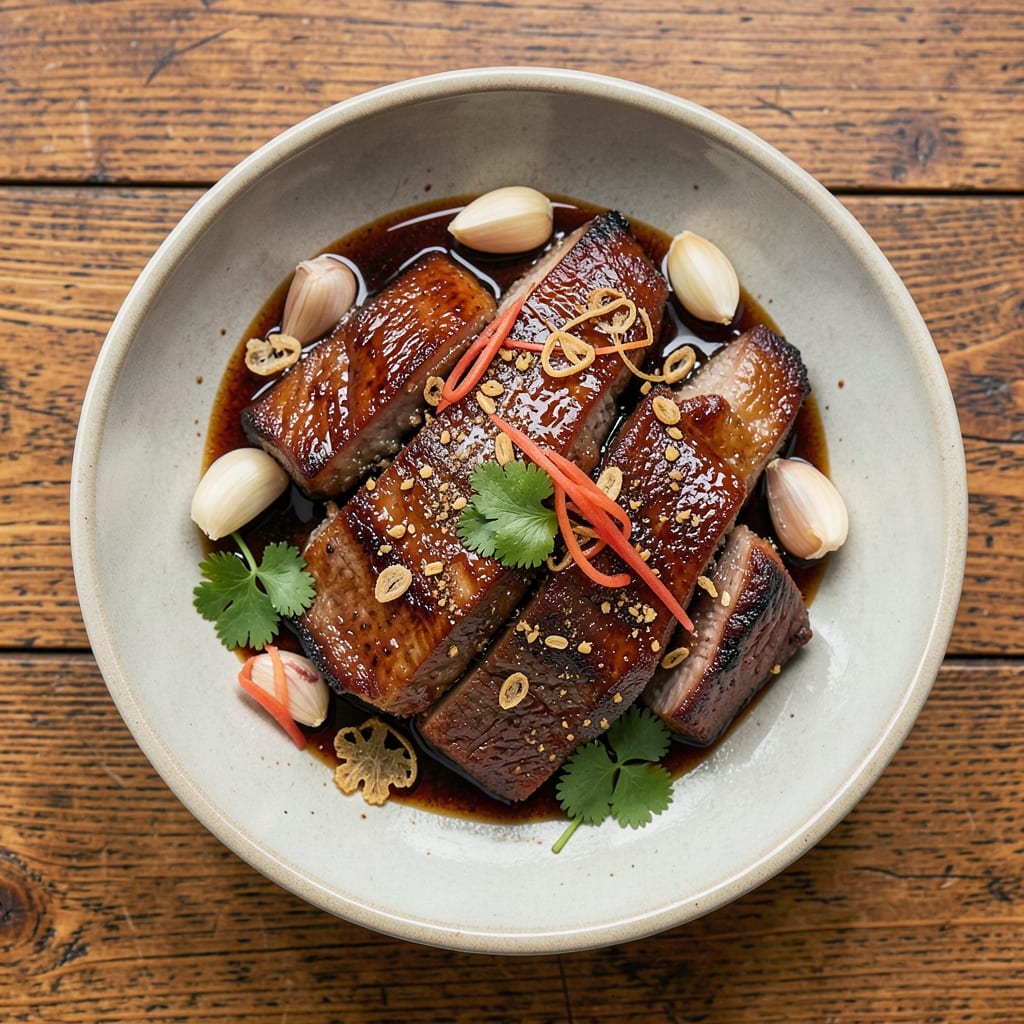
This Asian-style beef cheek recipe transforms tough cuts into melt-in-your-mouth perfection with a fragrant five-spice marinade. The slow braising process unlocks deep, savory flavors that make every bite irresistible—no matter how busy your schedule. What starts as a simple marinade evolves into a rich, aromatic sauce that tenderizes the meat to near-silky texture, all while keeping prep straightforward.
The secret lies in balancing traditional techniques with modern convenience. You’ll start with a bold marinade of soy, garlic, and five-spice powder, then slow-cook the beef until it effortlessly shreds—whether you use a Dutch oven, pressure cooker, or sous vide for precision. This method ensures restaurant-quality results at home, with minimal effort and maximum flavor impact.
By the end, you’ll have tender, glossy beef cheeks that pair beautifully with steamed jasmine rice and quick-pickled vegetables. The aromatic sauce clings to each bite, delivering layers of umami, sweetness, and warmth. Perfect for weeknight dinners or special occasions, this dish proves that slow-cooked meals can be both impressive and foolproof.
Serve with a side of garlic chili oil or sesame seeds for extra depth, and watch as everyone at the table asks for seconds. The technique is simple, but the reward is a dish that feels like a labor of love—without the hours in the kitchen.
Ingredients for asian style beef cheek
Bold flavors and aromatic spices transform tough beef cheeks into melt-in-your-mouth perfection.
| Ingredient | Amount | Notes |
|---|---|---|
| Beef Cheeks 🥩 | 2 lb | Bone-in for maximum flavor |
| Soy Sauce 🍶 | ½ cup | High-quality, preferably Japanese |
| Five-Spice Powder 🌶️ | 2 tsp | Authentic Chinese blend preferred |
| Garlic Cloves 🧄 | 6 cloves | Minced for even distribution |
| Fresh Ginger 🌿 | 1 tbsp | Grated, aromatic variety |
| Brown Sugar 🍯 | ¼ cup | Light or dark, packed |
| Red Wine 🍷 | ½ cup | Bold, dry variety like Cabernet |
| Beef Broth 💧 | 1 ½ cups | Homemade or quality low-sodium |
| Sesame Oil 🫒 | 1 tbsp | Toasted for nutty aroma |
| Star Anise 🌟 | 2 whole | For subtle licorice note |
| Cinnamon Stick 🌿 | 1 whole | Optional, for warmth |
| Black Peppercorns 🌶️ | 10 whole | Crushed for depth |
| Jasmine Rice 🍚 | 1 ½ cups | Uncooked, long-grain |
| Green Onions 🧅 | 4 whole | Sliced, for garnish |
The beef cheeks are the star—look for marbled, bone-in cuts at specialty butchers or Asian markets. Costco or Whole Foods often carry them pre-cut, but if you're buying whole, ask for the cheeks near the jaw. The five-spice powder should be freshly ground—check the label for a 2023 date if buying pre-mixed. For garlic, I always grab elephant garlic if available—it's milder and sweeter, but regular works too. The ginger should smell bright and citrusy, not musty. If you can't find star anise, a pinch of ground anise will do in a pinch (literally).
No red wine? Dry sherry or extra beef broth with a splash of balsamic works beautifully. Substituting the five-spice? Mix 1 tsp cinnamon, 1 tsp fennel seeds, and ½ tsp cloves for a similar profile. The brown sugar can be swapped for maple syrup if you're avoiding refined sugar. For a quicker version, use pre-minced garlic from the jar—just rinse it well first. The sesame oil should be toasted, not the cheap, flavorless kind. If you can't find it, toasted sesame seeds ground in a spice grinder work too.
This dish tastes even better the next day as flavors meld. Store leftovers in the sauce for up to 5 days in the fridge, or freeze for 3 months. The rice reheats well—just add a splash of water and microwave. For extra richness, spoon some of the braising sauce over the rice before serving. The green onions add a fresh pop of color—don't skip them! If you make a double batch, the sauce freezes perfectly for future meals.
Why You'll Love This Recipe
- One-Pot Magic: I swear by this recipe because it’s literally hands-off after the initial sear. Toss everything—beef cheeks, soy sauce, five-spice, garlic, ginger—into one pot and let it braise while you handle the rest of your day. (Yes, even on a Tuesday night.)
- Umami Bomb: That first bite? Rich, deep, and so satisfying. The beef cheeks melt like butter, while the five-spice powder and ginger add warmth that lingers—like a hug in flavor form. Honestly, the soy sauce ties it all together in the best way.
- Leftovers That Don’t Suck: Between us, most braised dishes turn into sad, dry leftovers. Not this one. The beef stays tender for days, and the sauce only gets better as it sits. I’ve reheated this for lunch three times this week, and no one’s complained—yet.
- Budget Stretch: Beef cheeks are way cheaper than steak, but they taste like you spent a fortune. A single pound feeds four, and the spices cost pennies. I’ll be real: this is my go-to when I want to impress without breaking the bank.
Step-by-step instructions for Asian-style beef cheek braising
Transform tough beef cheeks into melt-in-your-mouth silkiness with this aromatic five-spice braise.
Prepare the Beef Cheeks for Maximum Flavor
Start by rinsing the 2 lb beef cheeks under cold water and patting them completely dry with paper towels. I like to make a few shallow slashes on the surface with a sharp knife—this helps the marinade penetrate deeper and speeds up the cooking process. Place the beef cheeks in a large bowl and rub them generously with 1 tablespoon of the soy sauce, all 2 teaspoons of five-spice powder, and 1 teaspoon of the brown sugar.
Let them marinate at room temperature for 30 minutes while you prepare the aromatics. This initial seasoning creates a flavorful crust that will develop beautifully during the braising process. The five-spice powder adds layers of warmth that balance the richness of the beef.
Build the Aromatic Braising Base
In a large Dutch oven or heavy pot, heat 1 tablespoon of sesame oil over medium heat. Add the 6 minced garlic cloves and cook for 30 seconds until fragrant but not browned. Immediately add the 1 tablespoon of grated fresh ginger and the remaining 1 tablespoon of brown sugar, stirring constantly for 1 minute until the sugar begins to caramelize slightly.
Add the 2 whole star anise, 1 whole cinnamon stick, and 10 whole black peppercorns to the pot. Pour in the 0.5 cup red wine and scrape up any browned bits from the bottom with a wooden spoon. This deglazing step captures all the flavor that will infuse into your beef cheeks. Let the wine simmer for 2-3 minutes until reduced by half.
Braise the Beef Cheeks Low and Slow
Carefully place the beef cheeks in the Dutch oven, nestling them among the aromatics. Pour in the 1.5 cups beef broth and the remaining 0.25 cup soy sauce. The liquid should come about halfway up the sides of the beef cheeks. Bring to a gentle simmer over medium-low heat, then reduce to the lowest setting that maintains a bare bubble at the surface.
Cover the pot with a tight-fitting lid and let it cook undisturbed for 3 hours. This long, slow braise is crucial—it breaks down the connective tissue in the beef cheeks, transforming them from tough to silky. After 3 hours, check the beef cheeks with a fork. They should be fork-tender but still have some resistance. If they're not quite there, add 0.25 cup more beef broth and continue cooking for another 30-60 minutes.
Finish with Jasmine Rice and Garnish
While the beef cheeks are braising, prepare the jasmine rice according to package instructions using 1.5 cups of rice. I like to cook it separately so it absorbs all the fragrant steam from the braising beef. When the beef cheeks are fork-tender, carefully transfer them to a plate and tent with foil to keep warm.
Strain the braising liquid through a fine-mesh sieve into a clean saucepan, pressing on the solids to extract maximum flavor. Return the strained liquid to medium heat and simmer for 5-7 minutes until slightly thickened. Taste and adjust seasoning with additional soy sauce or brown sugar if needed. Slice the beef cheeks against the grain into 0.5-inch thick pieces and serve over the jasmine rice, drizzled with the reduced braising sauce. Garnish with the sliced 4 green onions for freshness and color.
Pro Tips For Making Asian Style Beef Cheek
- Sear the Cheeks First: I learned this the hard way—skipping the sear means your beef cheeks will turn out tender but bland. Hit them with high heat in a dry pan for 3-4 minutes per side until deep brown before adding any liquid. That crust locks in flavor and keeps the meat from falling apart later.
- Slice Ginger Thinly: Those thick ginger slabs you see in some recipes? They just sit there like decorative rocks. For this dish, use a mandoline or sharp knife to slice ginger paper-thin—about 1/16-inch. It infuses faster and blends seamlessly into the sauce without overpowering.
- Don’t Rush the Braise: Low and slow is the only way. After searing, simmer the beef cheeks in liquid (soy sauce, broth, whatever you’re using) at 300°F (150°C) for at least 3 hours. I know, I know—you’ll want to check it every 10 minutes, but resist. The collagen needs time to melt into silk.
- Toast the Five-Spice: Sounds weird, but it works: dry-toast the five-spice powder in the same pan you seared the beef for 30 seconds until fragrant. This wakes up the spices and deepens their flavor before you deglaze with soy sauce. Just don’t walk away—it burns faster than you think.
Pro cooking tips for this recipe
Marinade Mastery
The five-spice powder is the game-changer here—use authentic Chinese blend (not the pre-mixed grocery store version) for true depth. I recommend Penzeys Spices for their freshly ground quality. For extra penetration, make shallow slashes in the beef cheeks with a sharp knife before marinating. Let the beef sit at room temperature for 30 minutes while you prep aromatics—this jumpstarts flavor development. 🌶️
Low-Temp Control
Your Dutch oven should maintain a bare simmer—never a rolling boil. Use a meat thermometer to monitor internal temperature: beef cheeks are perfect at 195-203°F. If your stove runs hot, place the pot on the back burner and reduce heat to medium-low. The slow cook transforms tough fibers into silkiness without drying the meat. 🌡️
Wine Reduction Trick
Don't skip the wine reduction step—it builds complex flavor. After adding red wine, let it simmer until reduced by half (about 2-3 minutes). This concentrated liquid becomes the base for your braising sauce. For extra depth, add a bay leaf during this phase. The alcohol evaporates, leaving behind rich, wine-infused aromatics. 🍷
Sauce Thickening
After straining the braising liquid, simmer it uncovered for 5-7 minutes to reduce slightly. For extra thickness, mix 1 teaspoon cornstarch with 1 tablespoon water, then stir into the sauce at the end. The sauce should coat the back of a spoon but remain pourable. Taste and adjust with soy sauce (for salt) or brown sugar (for sweetness). 💡
Pressure Cooker Hack
For a 3-hour shortcut, use a pressure cooker on high pressure for 90 minutes, then natural release for 15 minutes. The high heat breaks down collagen faster, but you'll lose some of the deep caramelization from stovetop braising. If using this method, add 1 extra tablespoon soy sauce to compensate for lost depth. ⚡
Garnish Like a Pro
Fresh green onions add brightness, but don't overlook toasted sesame seeds for crunch. For a restaurant-worthy finish, drizzle with chili oil (store-bought or homemade) and sprinkle with cilantro if you love herby notes. The contrast of textures makes every bite exciting. 🌿
Nutrition facts
Frequently asked questions
Why does this recipe use five-spice powder instead of regular spices?
The five-spice blend creates a complex aromatic profile that's signature in many Asian braised dishes. It combines star anise, cloves, cinnamon, fennel, and Szechuan peppercorns for a warm, slightly sweet, and peppery depth that perfectly complements the rich beef cheeks. Using individual spices won't give you that same balanced warmth and complexity.
Can I substitute beef cheeks with another cut like short ribs?
While you can use short ribs, beef cheeks have a unique texture and higher collagen content that makes them ideal for braising. Short ribs will work but may not become as silky. If substituting, increase braising time by 30-60 minutes and use 1 extra tablespoon soy sauce to compensate for the different fat content.
How do I know when the beef cheeks are fully tender?
They're done when they easily shred with a fork but still have slight resistance. The internal temperature should reach 195-203°F. If they feel slightly firm, add 0.25 cup more broth and cook another 30 minutes. Overcooking can make them mushy, so always check with a meat thermometer for precision.
What's the best way to reheat leftovers?
Reheat gently in the braising liquid over low heat for 10-15 minutes until warmed through. Avoid microwaving as it can make the meat dry. For extra richness, spoon some of the reheated sauce over the beef cheeks before serving. Leftovers actually taste better the next day as flavors meld further!
Can I make this dish in an Instant Pot instead of a Dutch oven?
Yes! Use the high pressure setting for 90 minutes, then natural release for 15 minutes. The pressure cooker speeds up collagen breakdown but may lose some caramelization. Add 1 extra tablespoon soy sauce and 1 teaspoon brown sugar to compensate. The texture will be slightly different but still delicious.