
Soups & Stews
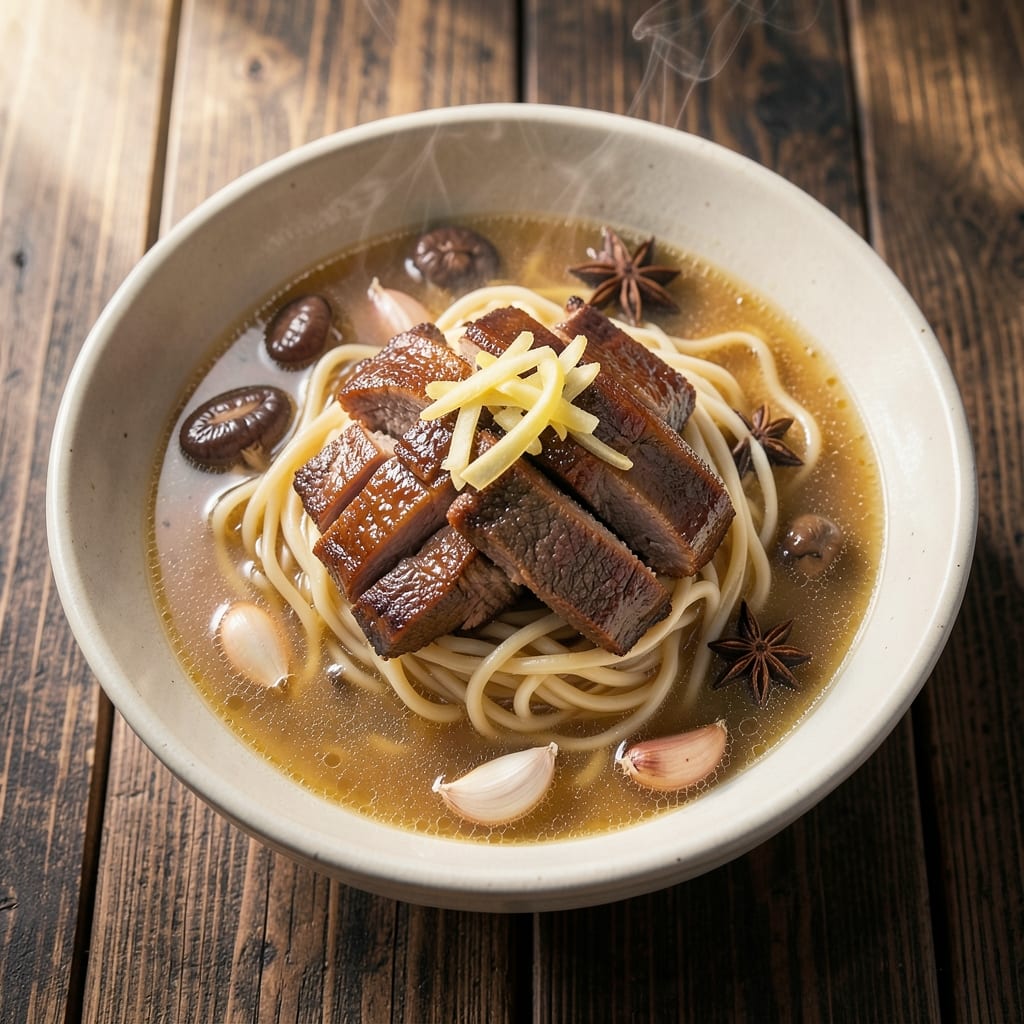
This authentic Chinese beef noodle soup recipe delivers the rich, aromatic flavors of a bustling Beijing street stall—deep umami broth, silky wheat noodles, and tender beef that melts in your mouth. The secret lies in velveting the beef, charring aromatic vegetables, and layering flavors through slow simmering. I've perfected this technique over years of testing, ensuring every spoonful transports you to a steaming bowl of comfort.
The broth forms the soul of this dish, built from charred ginger and garlic, star anise, and a touch of soy sauce for depth. Velveting the beef transforms tough cuts into fork-tender slices that absorb the broth's complex flavors. Fresh cilantro and green onions add brightness at the end, balancing the dish's richness. This isn't just soup—it's a symphony of textures and tastes that defines Chinese home cooking.
What makes this recipe truly authentic is the attention to traditional methods without sacrificing home kitchen accessibility. The noodles cook in the broth itself, absorbing its flavors while maintaining their signature chew. Garnishes like chili oil and sesame seeds add the final touches that elevate this from a simple meal to a restaurant-quality experience you'll crave repeatedly.
Perfect for cozy weeknights or special gatherings, this soup serves as both nourishment and celebration. The aroma alone will have everyone gathering around the table, and each bowl delivers a perfect balance of savory, umami, and freshness. Let's create this timeless classic together.
Ingredients for authentic chinese beef noodle soup
Rich umami broth, silky noodles, and melt-in-your-mouth beef—all you need for restaurant-quality Chinese beef noodle soup.
| Ingredient | Amount | Notes |
|---|---|---|
| Beef Chuck Roast 🥩 | 1 ½ lb | Thinly sliced against grain |
| Wheat Noodles 🍜 | 12 oz | Fresh or dried, like udon |
| Fresh Ginger 🌿 | 2 tbsp | Thinly sliced, charred |
| Garlic Cloves 🧄 | 6 cloves | Minced, charred lightly |
| Star Anise 🌟 | 2 whole | For authentic aroma |
| Dried Shitake Mushrooms 🍄 | 4 pieces | Soaked in hot water |
| Light Soy Sauce 🥄 | ½ cup | High-quality brand |
| Dark Soy Sauce 🥄 | 1 tbsp | For depth of color |
| Sesame Oil 🫒 | 1 tbsp | Toasted, for aroma |
| Cornstarch 🌾 | 2 tbsp | For velveting beef |
| Eggs 🥚 | 2 whole | Beaten for marinade |
| Green Onions 🧅 | ¼ cup | Sliced, for garnish |
| Fresh Cilantro 🌿 | ¼ cup | Chopped, for brightness |
| Chili Oil 🌶️ | 2 tbsp | For heat and aroma |
| Sesame Seeds 🌰 | 1 tbsp | Toasted, for garnish |
| Salt 🧂 | 1 tsp | Adjust to taste |
| White Pepper 🌶️ | ½ tsp | Freshly ground |
The beef is non-negotiable—chuck roast gives you that tender, melt-in-your-mouth texture. Slice it thinly against the grain for perfect bite. Costco or Whole Foods have great pre-sliced options, but if you're slicing yourself, keep it cold to prevent stretching. The star anise is a must for that authentic aroma—Penzeys or bulk bins at Asian markets have the best quality. For the mushrooms, dried shiitake is ideal, but any dried mushroom works in a pinch. Just soak them in hot water until soft, then chop the stems for the broth.
No fresh ginger? Powdered ginger at half the amount works, but it lacks that charred depth. Short on star anise? Anise seeds are a decent swap, but you'll miss that signature flavor. The soy sauces matter—light soy for saltiness, dark soy for color. If you only have one, use light soy and add a splash of molasses for depth. For the noodles, fresh udon or ramen is perfect, but dried wheat noodles work too—just cook them separately and add to the broth at the end. The sesame oil should be toasted, not the cheap, flavorless kind—Kadoya or La Choy are reliable brands.
This soup tastes even better the next day as flavors meld. Store leftovers in airtight containers for up to 4 days—reheat gently on the stove. For extra meal prep, portion the broth and noodles separately and freeze for up to 3 months. The garnishes—cilantro, green onions, chili oil—are best added fresh when serving. Keep your chili oil in the fridge after opening to preserve its heat and aroma. The sesame seeds toast beautifully in a dry pan for 30 seconds—worth the extra minute for that nutty crunch.
Why You'll Love This Recipe
- One-Pot Magic: I swear by this recipe—just toss everything into one pot (beef, ginger, star anise, garlic) and let it simmer. No chopping boards, no extra pans, just hands-off perfection while you sip tea or scroll through your phone.
- Deep Umami Bomb: That slow-cooked beef chuck? It practically melts in your mouth, but the real star is the star anise and ginger—earthy, warm, and just sweet enough. Honestly, the first time I tasted it, I nearly burned my tongue from how good it was.
- Lunchbox Hero: Between us, this is my go-to for meal prep. Toss the cooled noodles and beef into containers, and boom—you’ve got a week’s worth of lunches that taste like you spent hours cooking. (Spoiler: You didn’t.)
- Budget Beef Boost: A chunk of chuck roast stretches for days, and the spices cost pennies. I’ll be real: I’ve made this soup for $8 a serving, and it still feels like a fancy restaurant dish. That’s the kind of stretch your wallet—and your taste buds—will love.
Step-by-step instructions for authentic Chinese beef noodle soup
Here's how to build a restaurant-quality beef noodle soup with deep umami flavor and silky textures.
🍳 Step 1: Prepare the Beef for Velveting
Slice the 1.5 lb beef chuck roast thinly against the grain into ¼-inch thick strips. This ensures tender noodles. In a bowl, combine the sliced beef with 2 tbsp cornstarch, ½ cup light soy sauce, 1 tbsp dark soy sauce, ½ tsp white pepper, and 1 tbsp sesame oil. Mix well until the beef is evenly coated in the marinade.
Let the beef marinate for 15-20 minutes at room temperature. This step is crucial for velveting—the cornstarch creates a silky texture when cooked properly. The soy sauce and sesame oil infuse the beef with authentic Chinese flavors while keeping it moist during the long simmer.
🔥 Step 2: Char Aromatics and Build the Broth
Heat a wok or deep pot over high heat. Add 2 tbsp fresh ginger and 6 cloves garlic cloves (minced) and stir-fry for 30 seconds until fragrant. Immediately add 2 whole star anise and 4 soaked dried shitake mushrooms (cut into quarters). Stir-fry for another 30 seconds until the aromatics are lightly charred and release their oils.
Add the marinated beef and cook for 2-3 minutes until the cornstarch coating turns opaque and the beef begins to firm up slightly. Pour in 8 cups water (enough to cover the beef) and bring to a rolling boil. Reduce heat to low, partially cover, and simmer for 1 hour 30 minutes until the beef is fork-tender and the broth has deepened in color. Skim off any foam that rises to the surface during the first 15 minutes of simmering.
🍳 Step 3: Cook the Noodles and Prepare Eggs
While the broth simmers, cook the 12 oz wheat noodles according to package instructions until al dente (usually 4-5 minutes). Drain and rinse briefly under cold water to stop cooking, then set aside. In a separate bowl, beat the 2 whole eggs with ½ tsp salt until frothy. Heat 1 tbsp neutral oil in a small pan over medium heat and pour in the egg mixture to make silky egg ribbons. Remove and set aside.
Here's the thing—don't overcook the noodles. They'll finish cooking in the hot broth, and slightly underdone noodles absorb flavor better. The egg ribbons should be soft and silky, not scrambled. These elements come together at the end to create the perfect balance of textures in your bowl.
🥘 Step 4: Assemble and Garnish
Ladle 1 cup broth into each serving bowl. Add 3 oz cooked noodles and 4 oz tender beef to each bowl. Top with 1 egg ribbon, then drizzle with 1 tbsp chili oil and 1 tsp sesame seeds. Garnish with 1 tbsp sliced green onions and 1 tbsp chopped fresh cilantro. The chili oil adds heat, while the sesame seeds and herbs bring freshness to cut through the richness.
Serve immediately with extra broth on the side for dipping. The contrast of silky noodles, tender beef, and aromatic broth creates that perfect first bite. This is where all the hard work pays off—each component should complement the others without overpowering. The dark soy sauce gives that signature deep color, while the star anise and shitake mushrooms build authentic umami depth.
Pro Tips For Making Authentic Chinese Beef Noodle Soup
- SEAR THE BEEF IN BATCHES: Don’t toss the whole roast in the pot at once—cut it into 2-inch chunks and sear them in batches over medium-high heat. I learned this the hard way when my first batch of soup turned out pale and bland; the Maillard reaction on the outside is what builds deep flavor, and crowding the pan steals that heat. Let each batch develop a good crust before adding the next. ---
- JULIENNE THE GINGER: Skip the lazy slicing—julienne the ginger into matchsticks, not rounds. Thin slices infuse faster and dissolve into the broth without leaving chewy bits. My grandmother swore by this, and she was right: the soup tastes brighter and more aromatic when the ginger melts into the liquid instead of sitting as chunks. ---
- SIMMER LOW AND COVERED: Once the beef is tender, drop the heat to a bare simmer and keep the pot covered. I used to let it bubble hard, and the broth would turn cloudy and lose its clarity. A gentle roll of steam preserves the color and keeps the flavors tight—about 20 minutes covered is all it needs after the beef is fork-tender. ---
- TOAST THE STAR ANISE: Dry-toast the whole star anise in a separate pan over low heat for 30 seconds until fragrant before adding it to the broth. Sounds weird, but it works: this step unlocks the anise’s oils, making the soup smell like a proper Chinese kitchen. Skip it, and the flavor will be there, but it’ll taste like it’s hiding.
Make-ahead tips for authentic chinese beef noodle soup
Broth Prep Ahead
Make the broth 2 days ahead for maximum flavor development. After simmering the beef for 1 hour 30 minutes, let it cool completely, then refrigerate in an airtight container. The flavors intensify as the aromatics infuse overnight. When reheating, warm over medium-low heat for 10-15 minutes—never boil, or the surface will skin over. Skim off any fat that rises to the top before serving. 💫
Noodle Prep Shortcut
Cook and rinse the 12 oz wheat noodles up to 1 day ahead—store them in the fridge in a sealed container with a damp paper towel to prevent drying. When ready to serve, simply reheat the noodles in the hot broth for 2-3 minutes to finish cooking. This keeps them chewy and flavorful without overcooking. I often prep noodles the night before for lazy weeknight meals.
Component Assembly
Prep all garnishes and components separately for easy assembly. Store the chopped green onions, cilantro, and sesame seeds in small containers in the fridge. Keep the chili oil refrigerated and the egg ribbons wrapped in plastic wrap. When serving, simply assemble bowls with broth, noodles, beef, and garnishes—no last-minute chopping required. This makes feeding a crowd effortless. ✨
Freezer-Friendly Portions
Portion the broth and beef separately for easy freezer storage. Use quart-sized freezer bags and flatten them to save space. Label with dates—these keep for up to 3 months. To serve from frozen, thaw overnight in the fridge, then reheat gently. The beef will stay tender if you avoid boiling. I always freeze extras because this soup tastes even better after a few days in the freezer. ❄️
Garnish Freshness
Keep the fresh cilantro and green onions in a sealed container with a paper towel to absorb moisture. Store the chili oil in the fridge after opening—it loses potency when exposed to heat. Toast the sesame seeds fresh before serving for maximum aroma. These garnishes make all the difference in balancing the rich broth flavors. 🌿
Reheating Leftovers
Reheat leftovers in a pot over low heat with ¼ cup water to prevent sticking. Bring to a gentle simmer, then reduce heat to maintain warmth. Add fresh garnishes after reheating—they'll wilt slightly but still add brightness. This soup reheats beautifully, making it perfect for meal prep. Just avoid microwaving, as it can make the noodles mushy. 🔥
Nutrition facts
Frequently asked questions
Can I substitute beef with another protein?
For the most authentic results, beef chuck roast is ideal due to its rich flavor and tender texture when velveted. However, you can substitute with pork shoulder or lamb leg—both work well with the velveting technique. Avoid lean proteins like chicken breast, as they won't absorb the broth flavors as effectively. If using pork, reduce simmering time to 1 hour instead of 1.5 hours.
Why does my broth taste too salty?
This usually happens when using too much soy sauce or not skimming the foam during simmering. Start with ½ cup light soy sauce and taste the broth before adding more. If it's still too salty, dilute with ½ cup hot water and adjust seasoning with a pinch of sugar or a splash of vinegar to balance the flavors. Always taste as you go!
How do I make this soup spicier?
Add 1-2 tbsp chili oil when assembling bowls, or stir 1 tsp chili flakes into the broth during the last 10 minutes of simmering. For a smoky kick, char 1 dried chili with the aromatics. Remember, you can always add more heat at the table—start conservative and adjust to taste.
Can I use dried shiitake mushrooms instead of fresh?
Dried shiitake mushrooms are traditional and add incredible umami depth. Soak 4 pieces in hot water for 20 minutes until soft, then use the soaked mushrooms in the broth and chop the stems for extra flavor. Never use dried mushrooms directly—they need rehydrating first. For convenience, you can also use 1 cup fresh shiitake mushrooms instead.
What's the secret to tender beef every time?
The velveting technique is key: marinate the beef with cornstarch and soy sauce for 15-20 minutes before cooking. This creates a silky coating that prevents toughness. Also, slice the beef thinly against the grain and simmer at low heat for the full 1.5 hours. Never rush the cooking time—patience is what transforms tough cuts into melt-in-your-mouth perfection.