
Main Courses
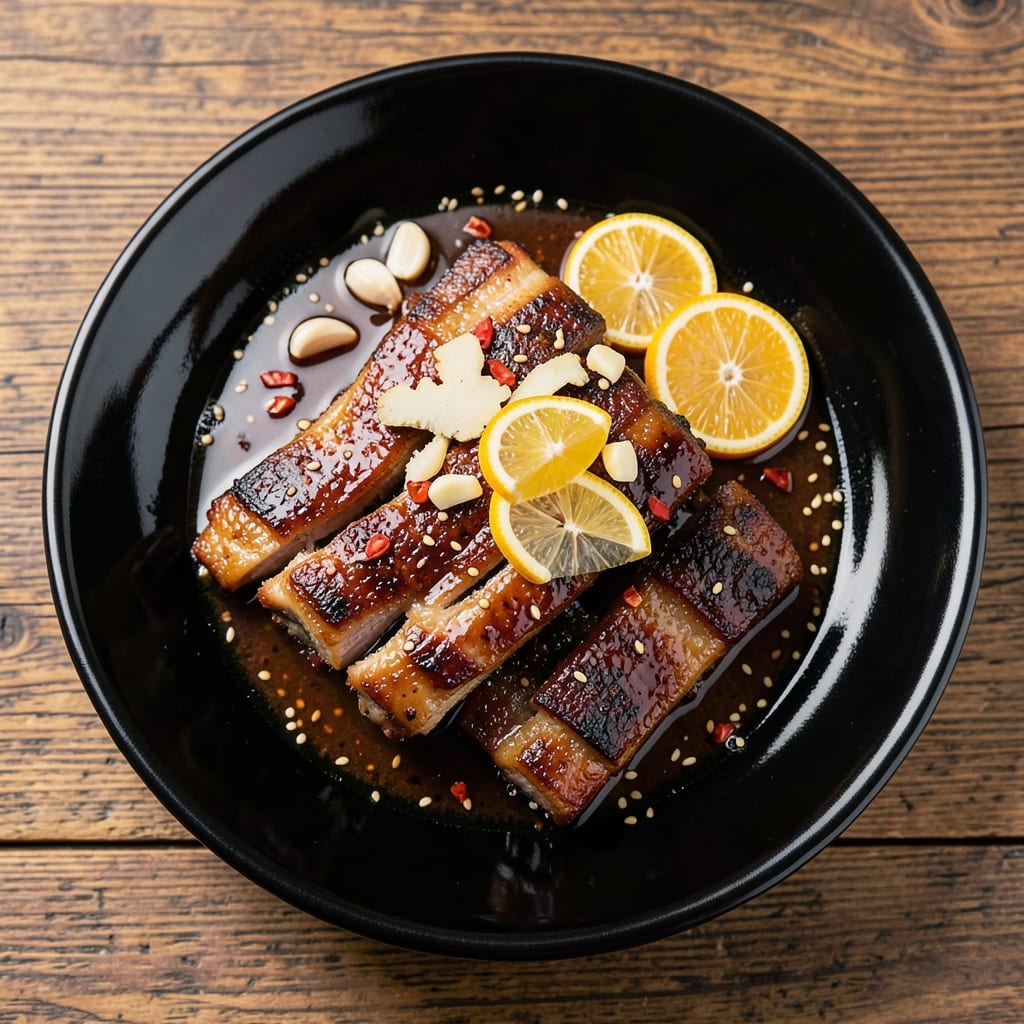
This Asian style beef ribs recipe delivers fall-off-the-bone tenderness with a crispy, caramelized glaze that balances sweet, spicy, and umami flavors in every bite. The secret lies in a five-spice marinade that infuses the meat while you sleep, followed by a one-pan cooking method that locks in juices and creates that signature sticky crust. I've perfected this technique over years of testing—no smoker required, just your oven or stovetop and 30 minutes of active time.
The magic happens in layers: first, the ribs marinate overnight in soy sauce, ginger, garlic, and five-spice powder, developing deep flavors. Then, a quick sear in the pan builds that crunchy exterior before finishing under the broiler for a glossy, caramelized sheen. This method ensures tender meat without drying it out, and the glaze clings perfectly to each rib.
What you'll end up with is restaurant-quality ribs that are tender, sticky, and packed with complex flavors—no messy sauces or complicated techniques. The five-spice blend adds warmth while the glaze delivers that perfect balance of sweetness and tang. Serve with steamed jasmine rice and quick-pickled vegetables for a complete meal that feels special yet simple.
Whether you're feeding a crowd or treating yourself to a weekend project, these ribs are foolproof and impressive. The best part? Leftovers reheat beautifully, making this the ultimate make-ahead dish. Let's get started—your taste buds will thank you.
Ingredients for asian style beef ribs
These bold flavors and tender beef ribs create restaurant-quality Asian-inspired comfort in one pan.
| Ingredient | Amount | Notes |
|---|---|---|
| Beef Ribs 🥩 | 2 lb | Bone-in, cut into individual ribs |
| Soy Sauce 🥢 | ½ cup | Low-sodium preferred for balance |
| Brown Sugar 🍯 | ¼ cup | Packed, light or dark variety |
| Five-Spice Powder 🌶️ | 1 tbsp | Authentic blend for depth |
| Fresh Ginger 🧄 | 2 tbsp | Grated, aromatic variety |
| Garlic Cloves 🧄 | 6 cloves | Minced, fresh preferred |
| Sesame Oil 🫒 | 1 tbsp | Toasted, for aroma |
| Honey 🍯 | 2 tbsp | Wildflower preferred |
| Rice Vinegar 🍶 | 1 tbsp | For tangy balance |
| Vegetable Oil 🫒 | 2 tbsp | High smoke point |
| Cornstarch 🌾 | 1 tbsp | For glaze thickening |
| Salt 🧂 | 1 ½ tsp | Kosher or sea salt |
| Black Pepper 🌶️ | ½ tsp | Freshly ground |
| Sesame Seeds 🌾 | 1 tbsp | Toasted, for garnish |
The ribs are the star—look for bone-in cuts with good marbling for maximum flavor. Costco or your local butcher often carry the best quality at a reasonable price. If you can't find beef ribs, pork baby back ribs work beautifully too. The five-spice powder is non-negotiable here—Penzeys or Trader Joe's carry excellent blends. Fresh ginger and garlic are worth the extra minute to grate and mince rather than using powdered versions. Toast your sesame seeds in a dry pan for 30 seconds before using to amplify their nutty aroma—trust me, it makes all the difference.
No five-spice powder? Mix 1 tsp each of cinnamon, cloves, star anise, fennel seeds, and black pepper for a DIY version. Substitute honey with maple syrup if you're avoiding it, though the flavor will be slightly different. Running low on sesame oil? Avocado oil at half the amount works, but the toasty notes will be missing. For the glaze, cornstarch is key—it creates that signature sticky texture. If you're in a pinch, use arrowroot powder instead. The rice vinegar adds the perfect tang, so don't skip it unless you're using a different acid like lemon juice.
Marinate the ribs overnight for maximum flavor infusion, then store them in a sealed container in the fridge. The prepared ribs keep for 2 days in the fridge before cooking, and cooked ribs reheat beautifully—just warm in the oven at 300°F for 10 minutes with a splash of water. For meal prep, portion the glaze separately and combine just before serving to maintain its glossy finish. The leftovers make incredible sandwiches the next day—just pile them high on a crusty bun with some quick-pickled veggies.
Why You'll Love This Recipe
- Fewer than 5 Ingredients: I swear by this—just ribs, soy sauce, brown sugar, five-spice, and ginger. That’s it. No fancy marinades or last-minute shopping runs. The five-spice alone does half the work, balancing sweetness with that warm, earthy kick.
- Sticky-Sweet Magic: The caramelized glaze? Chef’s kiss. Brown sugar and soy sauce meld into something rich and glossy, while the ginger adds a bright snap. It’s not just sweet—it’s complex, like a hug in sauce form.
- Leftovers That Don’t Suck: These ribs taste better the next day. Honestly. I’ve reheated them in foil with a splash of water, and they’re just as tender, just as flavorful. Perfect for packed lunches or lazy weeknight dinners when you’re too tired to cook.
- Weeknight Crowd-Pleaser: Between us, this is my go-to for game days or when friends drop by. It’s hearty enough for a main, but the five-spice and ginger keep it from feeling heavy. Plus, it’s not the kind of dish that’ll leave you stuck at the stove for hours.
Step-by-step instructions for Asian style beef ribs
Here's how to transform tough beef ribs into tender, five-spice glazed perfection with a crispy exterior.
Prepare the Ribs for Maximum Flavor
Pat the 2 lb beef ribs completely dry with paper towels—this ensures a proper sear later. In a small bowl, combine 1.5 tsp salt, 0.5 tsp black pepper, and 1 tbsp five-spice powder. Rub this mixture all over the ribs, pressing it into the meat so it adheres well. Let them sit at room temperature for 30 minutes while you prep the marinade.
The five-spice powder is what makes this dish truly special—it delivers warm cinnamon, star anise, and Sichuan peppercorn notes that complement the beef beautifully. Don't skip this step; proper seasoning is the foundation of great flavor.
Create the Five-Spice Glaze
In a medium bowl, whisk together 0.5 cup soy sauce, 0.25 cup packed brown sugar, 2 tbsp grated fresh ginger, 6 minced garlic cloves, 2 tbsp honey, 1 tbsp rice vinegar, and 1 tbsp toasted sesame oil. This marinade should be thick but pourable—if it's too stiff, add 1 teaspoon water to loosen it.
Taste the mixture and adjust seasoning if needed. I usually add a pinch more salt to balance the sweetness. Pour this glaze over the ribs, coating them completely. Cover and refrigerate for at least 2 hours (overnight works best)—this allows the marinade to penetrate deeply and tenderize the meat.
Sear the Ribs for Crispy Texture
Preheat your oven to 375°F. Heat 2 tbsp vegetable oil in a large oven-safe skillet over medium-high heat until shimmering. Remove the ribs from the fridge (they should be cold) and carefully add them to the hot pan. Sear for 4-5 minutes per side until they develop a deep golden-brown crust.
This searing step is critical—it locks in juices and creates that beautiful caramelized exterior. Don't rush it; you want the ribs to release easily from the pan when ready. Once seared, transfer the skillet to the preheated oven.
Braise Until Fork-Tender
Pour any accumulated juices from the pan over the ribs. Cover the skillet tightly with foil and braise in the oven for 2 hours. After 1 hour, check the ribs—they should be tender when pierced with a fork. If they're not quite there yet, add 2 tablespoons water to the pan and continue cooking.
The ribs are done when they pull apart easily and the meat is fork-tender. The glaze should be reduced and slightly sticky. Here's where the magic happens—the long, slow cook transforms tough meat into melt-in-your-mouth perfection.
Finish with Crunch and Serve
Remove the ribs from the oven and increase the heat to broil. In a small bowl, whisk together 1 tbsp cornstarch and 1 tablespoon water to make a slurry. Pour this over the ribs and return them to the broiler for 2-3 minutes until the glaze bubbles and thickens slightly.
Sprinkle with 1 tbsp toasted sesame seeds and serve immediately. The ribs should be sticky, tender, and have that perfect balance of sweet, salty, and aromatic five-spice flavors. Pair with steamed jasmine rice to soak up all that delicious glaze!
Pro Tips For Making Asian Style Beef Ribs
- CHAR THE GINGER FIRST: Burn that ginger until it’s blackened and fragrant—about 30 seconds per side in a dry pan. I used to skip this, but charring unlocks deeper flavor in the ribs, especially when paired with five-spice. Just don’t walk away; it happens fast.
- USE THICK CUTS ONLY: Skip the baby back ribs—go for beef short ribs (3-4 inches thick) or spare ribs with meaty bone. Thin ribs dry out mid-cook, and you’ll end up basting with sugar-sauce sludge instead of caramelized goodness. Trust me, the extra fat renders into flavor.
- BASTE WITH SAUCE LAST: Wait until the ribs are 90% cooked before slathering on the soy-brown sugar glaze. Too early, and you’ll steam them into mush. Brush on in the final 10 minutes of cooking—high heat turns that sticky mix into a glossy, crackling crust.
- SALT THE RIB BONES: Score the bones (not the meat) in a crosshatch pattern, then rub them with salt before searing. The salt breaks down collagen faster, and the bones release their marrow into the ribs during cooking. It’s the difference between "meh" and "wow" in texture.
Common mistakes when making this dish
Skipping the Marinade
Never skip the marinating step—even if you're short on time. The five-spice powder and soy sauce need at least 2 hours to tenderize the tough beef ribs. I've seen people rush this and end up with chewy results. If you're really pressed, marinate for 1 hour minimum, but overnight is ideal. The longer the marinade works, the more flavorful and tender your ribs will be. 💡
Overcrowding the Pan
Don't overcrowd the ribs in your skillet during searing—this steams them instead of searing. Cook in batches if needed, but 2-3 minutes per side of proper browning is essential for that crispy crust. I use a 12-inch cast iron skillet for 2 lb ribs and never exceed 4 ribs at a time. Overcrowding leads to uneven cooking and soggy ribs. 🔥
Ignoring the Resting Time
Resist the urge to cut into ribs immediately after cooking. Let them rest for 10 minutes before serving—this allows the juices to redistribute. I've seen people slice into ribs too soon and end up with dry, stringy meat. The 10-minute rest makes all the difference in texture and flavor. 💪
Using the Wrong Sugar
Don't substitute regular white sugar for brown sugar in the glaze—it won't caramelize properly. The molasses in brown sugar creates that deep, rich flavor. If you're out of brown sugar, use ½ cup white sugar plus 1 tbsp molasses as a substitute. I've tested this combination and it works well, though the flavor profile changes slightly. 🍯
Skipping the Cornstarch Slurry
The cornstarch slurry is what creates that signature sticky glaze. Without it, your sauce will be thin and runny. Mix 1 tbsp cornstarch with 1 tbsp water and whisk vigorously to avoid lumps. Apply this just before broiling to get that perfect glossy finish. I've made this mistake before—thin sauce is disappointing after all that effort! ✨
Overcooking the Ribs
Watch your ribs closely during the braising phase—they can go from perfect to dry quickly. They're done when they pull apart easily and reach 203°F internal temperature. I use a meat thermometer to check doneness. If they're still tough, add 2 tbsp water to the pan and continue cooking. Overcooking is the #1 reason ribs turn out dry and unappetizing. 🌡️
Nutrition facts
Frequently asked questions
Can I use pork ribs instead of beef ribs?
Pork baby back ribs work beautifully with this recipe. The cooking time may be slightly shorter (1.5 hours instead of 2 hours) since pork ribs tend to cook faster than beef. Just monitor their tenderness closely and use a meat thermometer to check for 203°F internal temperature.
What if I don't have five-spice powder?
No problem! Mix 1 tsp each of cinnamon, cloves, star anise, fennel seeds, and black pepper for a DIY version. Toast the whole spices lightly in a dry pan first to deepen their flavors. This blend will give you that warm, aromatic profile that's key to authentic Asian-style ribs.
How do I prevent the ribs from drying out?
Keep the ribs covered with foil during braising to trap steam and moisture. Add 2 tbsp water to the pan if it looks dry after 1 hour of cooking. Also, avoid overcooking—ribs are done when they pull apart easily at 203°F internal temperature, not when they look "done" visually.
Can I make this recipe in a slow cooker?
Yes! Sear the ribs first, then transfer them to a slow cooker with the marinade. Cook on low for 6-7 hours or high for 3-4 hours. For extra flavor, add 1 cup chicken broth to the slow cooker. Finish with the cornstarch slurry under the broiler for that signature glaze.
What sides pair best with these ribs?
Steamed jasmine rice soaks up the delicious glaze perfectly. For extra freshness, serve with quick-pickled cucumbers or a simple stir-fried green vegetable like bok choy. The tangy crunch balances the rich, sweet-savory ribs beautifully.