
Soups & Stews
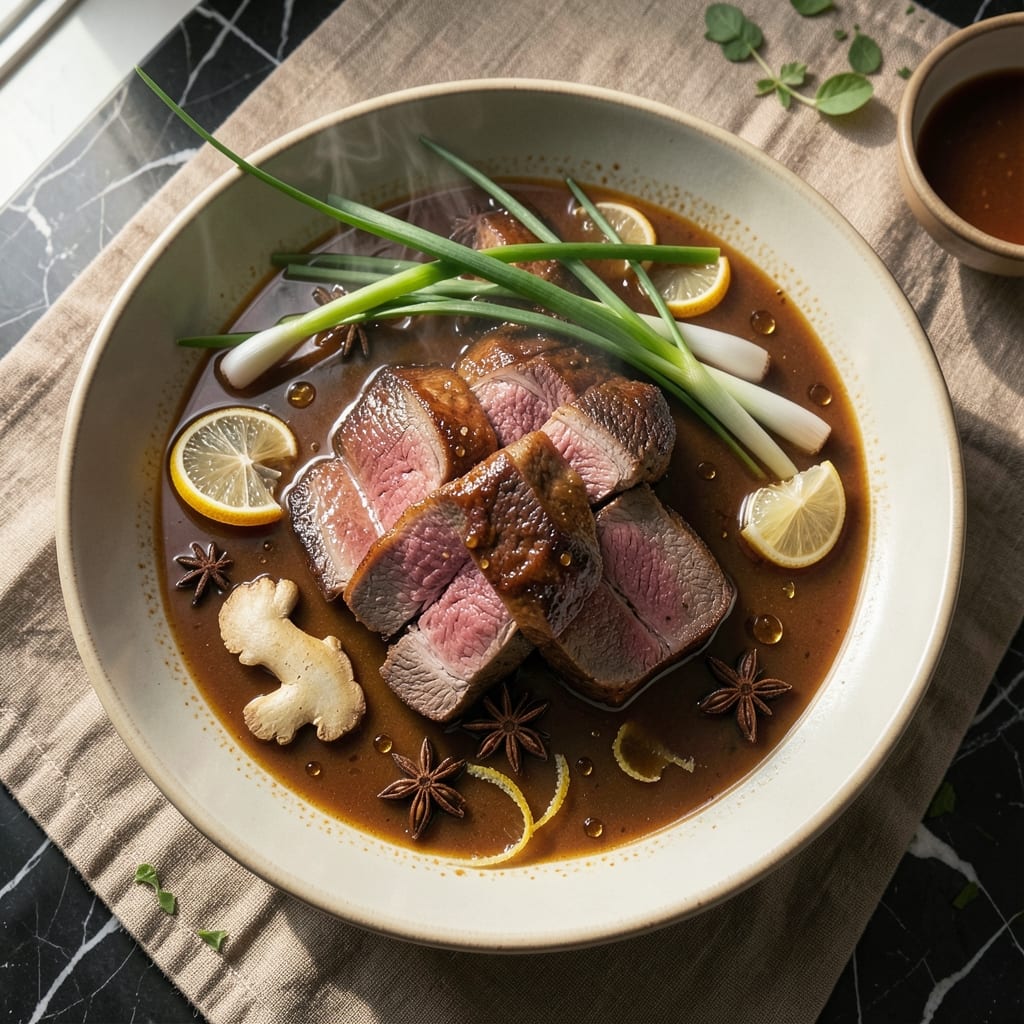
This Asian style beef stew recipe transforms tough cuts into melt-in-your-mouth tenderness with a soy-ginger flavor profile that's both comforting and complex. The secret lies in slow braising—where beef absorbs aromatic spices while developing deep umami richness. I've perfected this one-pot method over years of testing, balancing traditional techniques with modern shortcuts for home cooks.
The foundation begins with a ginger-scallion paste that forms the stew's aromatic base, while soy sauce and star anise build that signature Asian depth. Unlike Western beef stews, this version relies on pressure cooking (or slow simmering) to tenderize the meat in just 90 minutes—no tough, chewy surprises here. The result? A velvety broth with beef that practically dissolves on the tongue.
What sets this apart is the umami bomb of mushrooms and tomatoes, which caramelize beautifully during cooking. Serve over steamed rice or with fluffy dumplings to soak up every last drop of that ginger-soy goodness. The aroma alone will have your kitchen smelling like a bustling Asian eatery.
Best of all, this recipe scales effortlessly—double it for a crowd or halve it for meal prep. The pressure cooker version cuts active time to 15 minutes, while the stovetop method delivers the same rich results with patience. Let's get cooking!
Ingredients for asian style beef stew
Transform tough beef into luxurious tenderness with these carefully balanced Asian ingredients.
| Ingredient | Amount | Notes |
|---|---|---|
| Chuck Roast 🥩 | 2 lb | Pre-cubed for even cooking |
| Fresh Ginger Root 🌿 | ½ cup | Peeled and grated finely |
| Green Onions 🧅 | 1 whole | Scallions, white and green parts |
| Star Anise Pods 🌟 | 2 whole | Whole pods for infusion |
| Soy Sauce 🥢 | ½ cup | High-quality Asian soy sauce |
| Dry Sherry 🍷 | ¼ cup | Substitute with dry white wine |
| Canned Tomatoes 🍅 | 1 can | San Marzano preferred, crushed |
| Shiitake Mushrooms 🍄 | 8 oz | Fresh or rehydrated dried |
| Garlic Cloves 🧄 | 6 cloves | Minced for aromatic base |
| Yellow Onion 🧅 | 1 whole | Medium-sized, diced |
| Carrots 🥕 | 2 whole | Medium, peeled and sliced |
| Beef Broth 💧 | 2 cups | Low-sodium preferred |
| Honey 🍯 | 2 tbsp | Balances soy acidity |
| Sesame Oil 🫒 | 1 tbsp | Toasted, for finishing |
| Diamond Crystal Kosher Salt 🧂 | 1 ½ tsp | Adjust to taste |
The chuck roast is non-negotiable—its marbled fat renders beautifully during braising. Costco or Whole Foods carry excellent pre-cubed options, but if buying whole, ask your butcher to cut it into 1.5-inch cubes. Fresh ginger and scallions form the aromatic base; Penzeys Spices sells pre-peeled ginger if you prefer convenience. Star anise pods can be found in the Asian aisle at Walmart or Trader Joe's, where they're often sold in small bags. For soy sauce, Lee Kum Kee or Kikkoman deliver authentic depth, while dry sherry adds complexity—Martini or E&J brands work perfectly.
No star anise? Anise seeds or fennel seeds at half the amount create a similar anise note. Substitute dry sherry with equal parts dry white wine and beef broth. Fresh shiitake mushrooms are ideal, but dried shiitakes rehydrated in hot water work beautifully. The honey balances the soy's acidity—local raw honey adds subtle floral notes. For a deeper umami punch, add 1 tbsp fish sauce (ensure it's gluten-free if needed). The carrots can be baby carrots for convenience, but whole carrots develop better texture during braising. Always use low-sodium beef broth to control seasoning.
Prep all vegetables and ginger ahead to streamline cooking. The stew freezes exceptionally well—portion into airtight containers with a layer of broth on top to preserve texture. Thaw overnight in the fridge for best results. Store fresh ginger in a damp paper towel in the fridge for up to 3 weeks, while star anise pods keep indefinitely in a cool, dark cabinet. This stew tastes even better the next day as flavors meld—double the batch and freeze half for lazy weeknights.
Why You'll Love This Recipe
- One-Pot Magic: I swear by this recipe—just toss everything into a slow cooker or pot, and let it do the work. The chuck roast practically melts into tender perfection while I’m scrolling through my phone or reading a book. No chopping, no fuss, just hands-off flavor.
- Ginger-Soy Bomb: That fresh ginger and star anise combo? It’s like a flavor grenade in the best way. The soy sauce adds this deep, savory punch, while the ginger keeps it bright and zesty—no heavy cream or complicated spices needed. My husband licks the spoon when I’m not looking.
- Weeknight to Party Upgrade: Make it for a lazy Tuesday dinner or bring it to a potluck—no one will guess it’s this easy. The green onions add a fresh pop at the end, and the rich, aromatic broth makes it feel fancy without the effort. I’ve served it at BBQs, family dinners, and even a last-minute date night. Works every time.
- Budget-Friendly Leftovers: A single chuck roast feeds my family for days, and the flavors only get better after reheating. I freeze portions for those “I don’t wanna cook” nights, and it’s still hearty and delicious. Honestly, this stew is my wallet’s best friend—cheap, filling, and no takeout required.
Step-by-step instructions for Asian style beef stew
This one-pot braise delivers deep umami richness through precise layering of aromatics and slow cooking.
Sear the Chuck Roast for Maximum Flavor
Heat a heavy Dutch oven over medium-high heat until hot. Pat the 2 lb chuck roast dry with paper towels—this ensures a proper sear. Working in batches if needed, add the meat and sear for 3-4 minutes per side until deeply browned with a crust forming. The goal is to develop the Maillard reaction, which creates that caramelized depth of flavor that will infuse the stew.
Remove the meat from the pot and set aside. If the browned bits stick, don't scrape them—they'll form the foundation of your sauce. I press down gently on the meat during searing to prevent curling, which ensures even contact with the hot surface. This step is non-negotiable; skipping it results in a bland, watery stew rather than the rich, complex dish you're aiming for.
Build the Aromatic Base
In the same Dutch oven (those browned bits are pure flavor), add 1 tablespoon sesame oil and swirl to coat. Add the diced yellow onion and cook for 5 minutes until softened and translucent. Add the minced garlic cloves and grated fresh ginger root, stirring constantly for 1 minute until fragrant—this prevents burning and ensures the ginger's heat and garlic's sweetness develop properly.
Next, add the sliced carrots and shiitake mushrooms. Stir to coat in the oil and cook for 4 minutes until the mushrooms release their moisture and begin to soften. Add the 2 whole star anise pods and white parts of the green onions, reserving the green tops for garnish. This aromatic bundle will infuse the stew with subtle licorice notes and freshness.
Deglaze and Simmer the Stew
Pour in the 0.5 cup soy sauce and 0.25 cup dry sherry, scraping up all the browned bits from the bottom of the pot. This deglazing step captures all that concentrated flavor that would otherwise stick to the pan. Add the crushed canned tomatoes and 2 cups beef broth, bringing everything to a gentle simmer over medium heat.
Return the seared chuck roast to the pot, along with the 1.5 teaspoons diamond crystal kosher salt. The stew should come just to a simmer—no rolling boil, which can make the meat tough. Partially cover the pot and let it cook for 2 hours at a low simmer. The meat should become fork-tender, and the liquid should reduce to a rich, glossy sauce. If the liquid reduces too quickly, add a splash of water or broth to maintain the proper consistency.
Finish with Sweetness and Rest
After 2 hours, stir in the 2 tablespoons honey and the reserved green onion tops. The honey balances the soy's acidity and adds a subtle sweetness that complements the savory depth. Simmer uncovered for an additional 10 minutes to allow the flavors to meld and the sauce to thicken slightly. Taste and adjust the seasoning with more salt or a splash of soy sauce if needed.
Remove the stew from heat and let it rest for 15 minutes before serving. This resting period allows the meat to reabsorb the juices, ensuring each bite is tender and flavorful. The stew will thicken further as it rests, creating a luxurious, velvety consistency. Serve the stew hot, garnished with additional green onions if desired, and enjoy the harmonious blend of soy, ginger, and slow-cooked beef.
Pro Tips For Making Asian Style Beef Stew
- Sear the Chuck Hard: I learned this the hard way—skipping the sear means bland, gray beef instead of rich, caramelized flavor. Get that roast screaming hot in a dry pan for 5-7 minutes per side until it’s deep brown, then deglaze with a splash of soy sauce right away. That brown crust is where the depth of flavor hides.
- Slice Ginger Thin: Sounds weird, but it works: julienne that ginger into paper-thin strips instead of grating it. It melts into the stew without turning mushy, and you’ll actually taste its bright punch—not just a vague spiciness. Plus, it looks pro when you serve it on top.
- Don’t Crowd the Pot: I know, I know, you’re excited to cook everything at once. But if you dump all the veggies and beef in together, the stew will steam instead of caramelize. Start with the aromatics (star anise, ginger) in oil for 2 minutes, then add the beef in batches. Patience here means better flavor.
- Add Soy Sauce Late: My grandmother swore by this, and she was right: toss half the soy sauce in at the start for saltiness, but reserve the rest to drizzle in the last 10 minutes. This keeps the sauce glossy and bright, not bitter or overpowering. Trust me, your stew will taste fresher.
Make-ahead tips for this dish
Prep Ahead Strategy
Start by prepping all vegetables and aromatics the night before—grate the ½ cup fresh ginger, mince the 6 garlic cloves, and dice the 1 yellow onion and 2 carrots. Store them in separate airtight containers in the fridge. This saves 20 minutes of active prep time on cooking day. I keep everything in glass containers because they’re microwave-safe if I need to quickly reheat a component. 🧅
Slow Cooker Shortcut
For a hands-off approach, sear the beef as directed, then transfer everything to a 6-quart slow cooker. Cook on low for 8 hours or high for 5 hours, adding ½ cup water if needed to maintain moisture. The slow cooker’s gentle heat ensures tender beef without monitoring. I use my Hamilton Beach slow cooker because it has even heat distribution, which prevents hot spots that can dry out the meat.
Freezer-Friendly Plan
This stew freezes beautifully for up to 3 months. After cooking, let it cool completely, then portion into quart-sized freezer bags with 1 inch of headspace for expansion. Label each bag with the date and reheat directly from frozen in the microwave (70% power for 5-6 minutes) or on the stovetop (medium-low heat for 10-12 minutes). The texture remains rich and the flavors intensify after thawing. ❄️
Double Batch for Meal Prep
Make a double batch and freeze half for lazy weeknights. The extra stew reheats perfectly for lunches—just add 1-2 tablespoons water or broth when reheating to restore moisture. I portion mine into mason jars with a layer of broth on top to preserve the meat’s tenderness. Store in the fridge for up to 4 days or freeze for 3 months. The leftovers taste even better the next day as the flavors meld further.
Garnish Prep
Chop all garnishes ahead of time to streamline serving. Thinly slice the green onion tops and store them in a small airtight container in the fridge. Drizzle with 1 tablespoon sesame oil to keep them fresh for up to 3 days. I also pre-measure 1 teaspoon toasted sesame seeds in a tiny bowl for quick garnishing. This ensures your stew looks as good as it tastes with minimal effort at serving time. 🌟
Pressure Cooker Speed
For the fastest version, use an Instant Pot or similar pressure cooker. After searing the beef, add all ingredients and cook on high pressure for 45 minutes. Let the pressure release naturally for 10 minutes, then quick-release the remaining pressure. The meat will be fork-tender in under 60 minutes total. I love this method for busy nights—just 15 minutes of active prep time before walking away. The pressure cooker also helps extract more collagen from the beef, making the broth even richer. 💡
Nutrition facts
Frequently asked questions
Can I use a different cut of beef for this stew?
While chuck roast is ideal for its marbled fat and tenderness, you can substitute with brisket or short ribs. For brisket, cut into 1.5-inch cubes and increase cooking time to 2.5-3 hours on the stovetop. Short ribs will be ready in 90 minutes with the same method. Avoid lean cuts like sirloin—they'll dry out during slow cooking.
How do I make this stew less salty?
If you're concerned about sodium, reduce the soy sauce to ¼ cup and use low-sodium beef broth. Add 1-2 tablespoons coconut aminos for a similar umami flavor with less salt. Taste as you go—you can always add a splash of water or broth to dilute the seasoning if needed.
What's the best way to reheat leftovers?
For best results, reheat on the stovetop over medium-low heat for 8-10 minutes, stirring occasionally and adding 1-2 tablespoons water or broth to restore moisture. Avoid microwaving unless using 70% power for 2-3 minutes—this prevents the stew from becoming rubbery. The flavors actually improve overnight as the meat absorbs more liquid.
Can I make this vegetarian?
Replace the beef with mushrooms (like king oyster or portobello) and tofu or tempeh for protein. Use vegetable broth and add 1 tablespoon miso paste for umami depth. The cooking time reduces to 45-60 minutes since plant-based proteins cook faster. The ginger-soy flavor profile still shines through beautifully.
Why did my stew turn out watery?
Watery stews usually happen from one of three issues: insufficient searing (no flavor foundation), too much liquid added, or not enough simmering time. Always start with a proper sear and reduce the liquid to 1 cup by the end. If needed, remove the lid for the last 10 minutes to thicken the sauce. For pressure cooker versions, natural release is key—quick-release can make the broth too thin.