
Soups & Stews
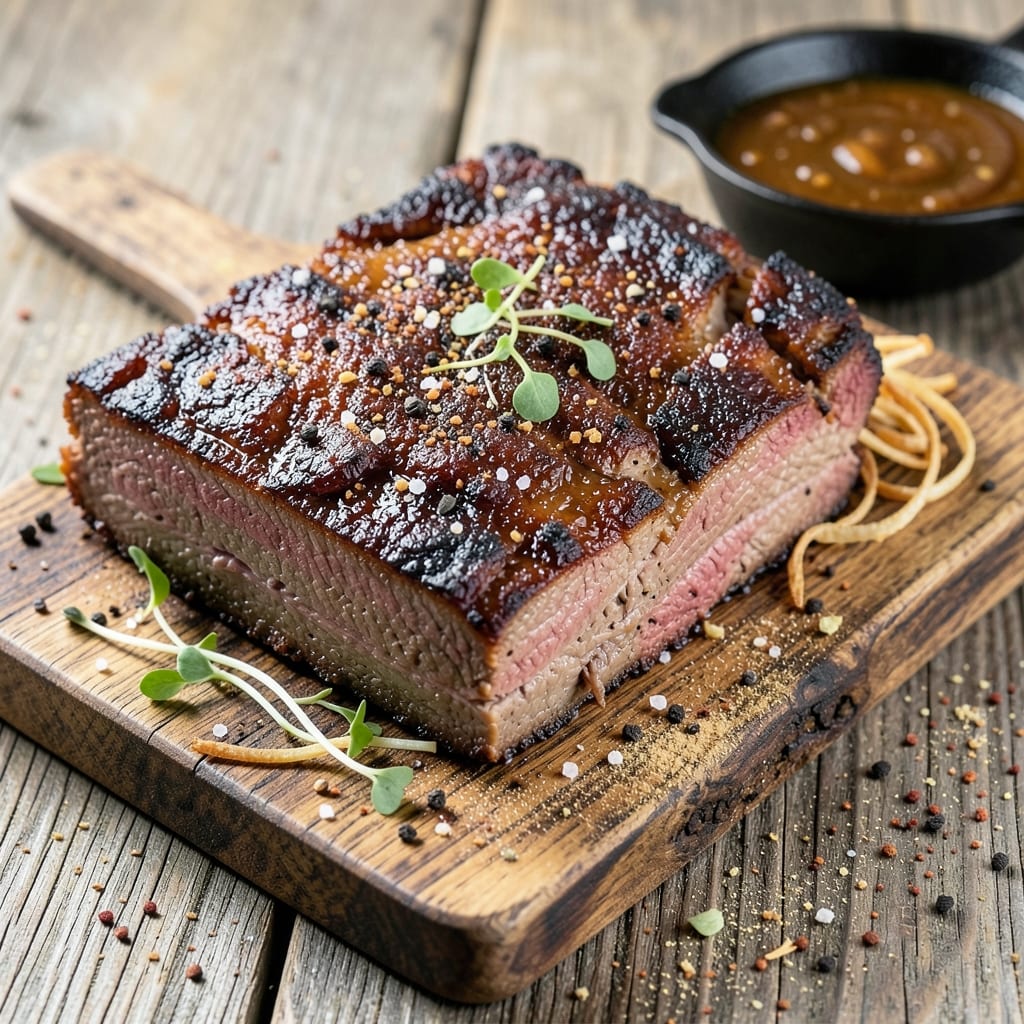
This Atlanta beef brisket recipe delivers fall-apart tenderness with deep, smoky flavors that define Southern barbecue tradition. 🔥 The secret lies in a low-and-slow 8-hour cook, where the brisket transforms from tough to melt-in-your-mouth perfection through precise temperature control and a carefully balanced dry rub. I've perfected this method over years of smoking briskets, ensuring every bite delivers that signature bark and juicy interior that makes this dish legendary.
The dry rub is the foundation—coarse black pepper, brown sugar, smoked paprika, and garlic powder create that signature crust while penetrating the meat with bold, aromatic depth. What sets this recipe apart is the two-stage cooking process: starting at 225°F to render fat and build bark, then finishing at 275°F to ensure even doneness without drying out. This method guarantees restaurant-quality results at home, even for beginners.
By the time you're done, you'll have a brisket so tender it practically falls apart at the touch, with a caramelized bark that crackles with every bite. The internal temperature should reach 195-203°F—this is non-negotiable for true tenderness. Resting for 30 minutes locks in all those juices, ensuring every slice is moist and packed with flavor.
Serve with classic Southern sides like collard greens, buttery cornbread, or a tangy vinegar-based slaw. This brisket is versatile enough for weeknight dinners or holiday feasts, but the magic lies in its simplicity—just a few ingredients and time. Let's get smoking!
Ingredients for atlanta beef brisket
Eight hours of patience and a handful of spices transform tough brisket into Southern barbecue perfection.
| Ingredient | Amount | Notes |
|---|---|---|
| Beef Brisket 🥩 | 6 lb | Packer cut, fat cap intact |
| Coarse Kosher Salt 🧂 | ½ cup | Diamond Crystal preferred |
| Dark Brown Sugar 🍚 | ¼ cup | Packed, light molasses variety |
| Smoked Paprika 🌶️ | 2 tbsp | Honduran or Spanish preferred |
| Garlic Powder 🧄 | 2 tbsp | Freshly ground preferred |
| Coarse Ground Black Pepper 🌶️ | 1 tbsp | Freshly cracked preferred |
| Onion Powder 🧅 | 1 tbsp | No added MSG |
| Chili Powder 🔥 | 1 tbsp | Medium heat preferred |
| Yellow Mustard Powder 🟡 | 1 tsp | For subtle tang |
| Apple Cider Vinegar 🍎 | 2 tbsp | Bragg preferred |
| Beef Tallow or Vegetable Shortening 🧈 | 2 tbsp | For dry rub adherence |
| Wood Chips 🌳 | 4 cups | Hickory or oak preferred |
| Water 💧 | 1 cup | For soaking wood chips |
| Butter 🧈 | ¼ cup | Unsalted, for basting |
| Fresh Garlic Cloves 🧄 | 4 cloves | For basting butter |
The brisket cut is non-negotiable—packer cut with intact fat cap delivers the best results. Source from a trusted butcher or Costco's bulk section for consistent quality. Look for good marbling and a vibrant red color, avoiding any meat with grayish hues or excessive lean. For the dry rub, Penzeys Spices or McCormick's offer reliable smoked paprika, but Honduran varieties provide deeper flavor. The Diamond Crystal kosher salt is crucial—it dissolves more slowly, creating a better crust. If you can't find beef tallow, vegetable shortening works equally well for rub adherence.
No smoked paprika? Substitute 1 tbsp regular paprika plus 1 tsp liquid smoke—though it won't be identical. Running short on brown sugar? Light molasses works at half the amount, but the texture will differ slightly. The apple cider vinegar adds subtle tang—substitute lemon juice if unavailable, though the flavor profile shifts. For wood chips, hickory is traditional, but oak or pecan add nice variations. The butter basting is optional but recommended—European-style unsalted butter melts more cleanly than American varieties. Fresh garlic cloves can be minced or left whole—just ensure they're peeled.
Store raw brisket in the coldest part of your fridge for up to 5 days before cooking. The dry rub keeps indefinitely in an airtight container away from moisture. Once cooked, brisket reheats beautifully—wrap tightly in foil and warm in a 300°F oven for 30 minutes. For leftovers, portion and freeze in vacuum-sealed bags for up to 3 months. The bark is delicate—serve immediately after slicing against the grain for optimal texture. This brisket tastes even better the next day as flavors meld further.
Why You'll Love This Recipe
- Here’s what sold me: the dark brown sugar caramelizes into a sticky, smoky glaze while the paprika adds that deep, campfire-like warmth. That crispy edge with the tender center? Chef’s kiss.
- Five-Ingredient Magic: Honestly, I swear by this mix—just brisket, salt, sugar, smoked paprika, and garlic powder. That’s it. No fancy prep, no hidden spices, and still ridiculously good.
- Sweet-Smoky Crunch: Here’s what sold me: the dark brown sugar caramelizes into a sticky, smoky glaze while the paprika adds that deep, campfire-like warmth. That crispy edge with the tender center? Chef’s kiss.
- Leftovers That Beg for More: Between us, this brisket tastes even better the next day—shredded into tacos, mashed into sandwiches, or just reheated with a splash of water. My freezer’s always stocked with it.
Step-by-step instructions for Atlanta beef brisket
Master this signature technique for brisket with deep smoky flavor and melt-in-your-mouth tenderness.
👨🍳 Step 1: Create the Dry Rub and Prep the Brisket
In a medium bowl, combine the 0.5 cup coarse kosher salt, 0.25 cup dark brown sugar, 2 tbsp smoked paprika, 2 tbsp garlic powder, 1 tbsp coarse ground black pepper, 1 tbsp onion powder, 1 tbsp chili powder, and 1 tsp yellow mustard powder. Mix thoroughly until the spices are evenly distributed and the salt crystals are fully coated.
Place the 6 lb beef brisket fat-side up on a wire rack set over a baking sheet. Generously apply the dry rub to all surfaces, pressing firmly so it adheres well. Pay special attention to the fat cap—this is where the bark will form. Let the brisket sit at room temperature for 30 minutes before smoking to ensure even cooking.
🔥 Step 2: Prepare the Smoker and Wood Chips
Soak the 4 cups wood chips in the 1 cup water for at least 30 minutes before using. This prevents flare-ups and ensures steady smoke production. Preheat your smoker to 225°F using the soaked wood chips—hickory or oak works best for this recipe.
Once the smoker reaches temperature and you see clean, blue smoke (not thick white), place the brisket fat-side up on the smoker grates. The fat will render and baste the meat as it cooks. Close the lid and resist the urge to open it—each time you peek, you lose 15-20 minutes of cook time and moisture.
⏰ Step 3: Smoke Low and Slow for Maximum Tenderness
Smoke the brisket undisturbed for 6-7 hours, maintaining a consistent 225°F temperature. You'll hit "the stall" around 165-170°F internal temperature—this is when the moisture evaporates and the temperature plateaus. Don't panic; this is normal and expected.
When the internal temperature reaches 195-200°F (about 7-8 hours total), wrap the brisket tightly in butcher paper. This technique, known as the "Texas crutch," helps push through the stall while preserving the bark. Return it to the smoker and continue cooking until the internal temperature reaches 203°F and a probe slides in easily.
🥘 Step 4: Baste with Garlic Butter for Extra Flavor
Remove the brisket from the smoker and let it rest for 15 minutes before basting. In a small saucepan, melt the 0.25 cup butter over low heat and add the 4 minced fresh garlic cloves and 2 tbsp apple cider vinegar. Simmer for 2 minutes until the garlic is fragrant but not browned.
Brush the garlic butter mixture generously over the brisket, focusing on the bark to enhance its flavor. Let the brisket rest for another 30 minutes before slicing. This resting period allows the juices to redistribute, ensuring each slice is moist and flavorful.
🔪 Step 5: Slice Against the Grain and Serve
Unwrap the brisket and locate the grain direction—you'll see lines running through the meat. Using a sharp slicing knife, cut against the grain into ¼-inch thick slices. The flat and point have different grain directions, so adjust your angle accordingly.
Serve the brisket immediately while still warm. Each slice should have a dark mahogany bark on the outside and a beautiful pink smoke ring just beneath. The meat should be tender enough to pull apart with a gentle tug, delivering smoky, spiced flavor in every bite. Pair with classic sides like coleslaw and cornbread for a complete meal.
Pro Tips For Making Atlanta Beef Brisket
- CRANK THE HEAT FIRST: Atlanta brisket needs that deep caramelized crust, and you won’t get it by playing it safe. Start your pan or grill on high—hot enough to sizzle aggressively when the meat hits the surface. I used to back off too soon, and the sugar would just melt instead of brown. Give it 3-4 minutes of full heat before dialing it back.
- SALT THE BRISKET TWICE: Don’t just slap salt on once. Coarse kosher salt works best when applied in layers—first right after searing, then again after flipping. The second round locks in flavor as the meat cooks. My first attempt with one salting left the crust bland; now I treat it like a dry-brined steak.
- STOP WHEN IT’S 195°F: Pull the brisket at 195°F internal temp, not when you think it’s done. Atlanta-style brisket should have that tender, almost falling-apart texture, and hitting 203°F risks drying it out. I learned this after overcooking a batch and serving rubbery meat—now I trust the thermometer.
- USE BUTTER FOR THE SAUCE: Skip the oil for the sugar-paprika mix—melt 1 tablespoon of butter first. It adds richness and helps the sugar caramelize faster without burning. I was skeptical until I tried it; the sauce sticks better to the meat and tastes deeper. (Yes, even if you’re impatient like me.)
Flavor customization for this dish
Spice Level Control
Adjust the chili powder and black pepper to your heat preference. For a milder brisket, reduce chili powder to ½ tbsp and black pepper to ½ tbsp, while for extra kick, double both to 2 tbsp each. I often add ½ tsp cayenne pepper for a subtle heat that lingers beautifully. 🌶️
Sweet-Savory Balance
Modify the brown sugar amount to control sweetness. For a less sugary bark, reduce to ¼ cup or replace half with light molasses for deeper caramelization. I’ve found ½ cup brown sugar works perfectly for a balanced sweet-savory crust. Save the leftover rub—it’s great for ribs or chicken thighs!
Smoky Depth Variations
Swap hickory wood chips for oak (milder, sweeter) or pecan (nutty undertones). For a bolder smoke, use mesquite (½ hickory/½ mesquite blend). I prefer 100% hickory for that classic Atlanta brisket profile, but oak adds a lovely complexity. Soak chips for 1 hour for even more aroma.
Tangy Twist Options
Boost the apple cider vinegar to 3 tbsp for extra tang, or add 1 tbsp Worcestershire sauce to the dry rub for umami depth. I love finishing with a 1:1 vinegar:water spray during the last hour of smoking—it keeps the bark crisp while adding brightness. 💫
Herb Infusions
Add 1 tbsp dried thyme or 1 tsp dried rosemary to the rub for earthy notes. For fresh herbs, finely chop 2 sprigs rosemary and mix into the garlic butter basting. I’ve also tried 1 tsp ground coriander—it adds a citrusy warmth that pairs beautifully with the smoky flavors.
Finishing Touches
After basting, sprinkle ½ tsp smoked sea salt over the bark for extra crunch. For a sweet finish, drizzle 1 tbsp honey over the hot brisket before serving. I often serve slices with pickled jalapeños on the side for heat lovers—trust me, it’s a game-changer. 🔥
Nutrition facts
Frequently asked questions
Why does Atlanta-style brisket need to cook for 8+ hours?
The low-and-slow method breaks down tough connective tissues using collagen, transforming them into gelatin that makes the meat melt-in-your-mouth tender. At 225°F, the fat renders slowly, basting the meat while developing that signature dark bark. This process creates the perfect balance of texture and flavor that defines Southern barbecue.
Can I use an oven instead of a smoker?
Yes! Preheat your oven to 225°F with a water pan on the bottom for moisture, then place the brisket on a rack over a baking sheet. Use a meat thermometer to monitor temperature and wrap in butcher paper when reaching 195°F. The bark won't be as smoky, but the tenderness will be excellent. For smoke flavor, add wood chips to a foil packet with holes and place on the oven rack.
What's the difference between the flat and point cuts?
The flat cut is leaner and cooks faster, while the point has more fat and connective tissue, making it more flavorful but requiring longer cooking. For best results, keep both on the grill together—they'll reach 203°F at slightly different times. Slice the flat against the grain (horizontal cuts) and the point against the grain (vertical cuts) for optimal texture.
How do I know when the brisket is done?
Use a meat thermometer to check the thickest part of the flat cut—it should read 203°F. The probe should slide in easily with no resistance. Look for a deep mahogany bark and a pink smoke ring just beneath the surface. If the bark cracks when you press it, it's ready. The point cut may reach 200°F—it's okay if it's slightly less done than the flat.
What's the best way to reheat leftover brisket?
Wrap slices tightly in foil and reheat in a 300°F oven for 15-20 minutes—this keeps them moist. For sandwiches, warm the bread separately to avoid sogginess. Never microwave—it turns the meat rubbery. Leftover brisket actually tastes better the next day as flavors meld further!