
Main Courses
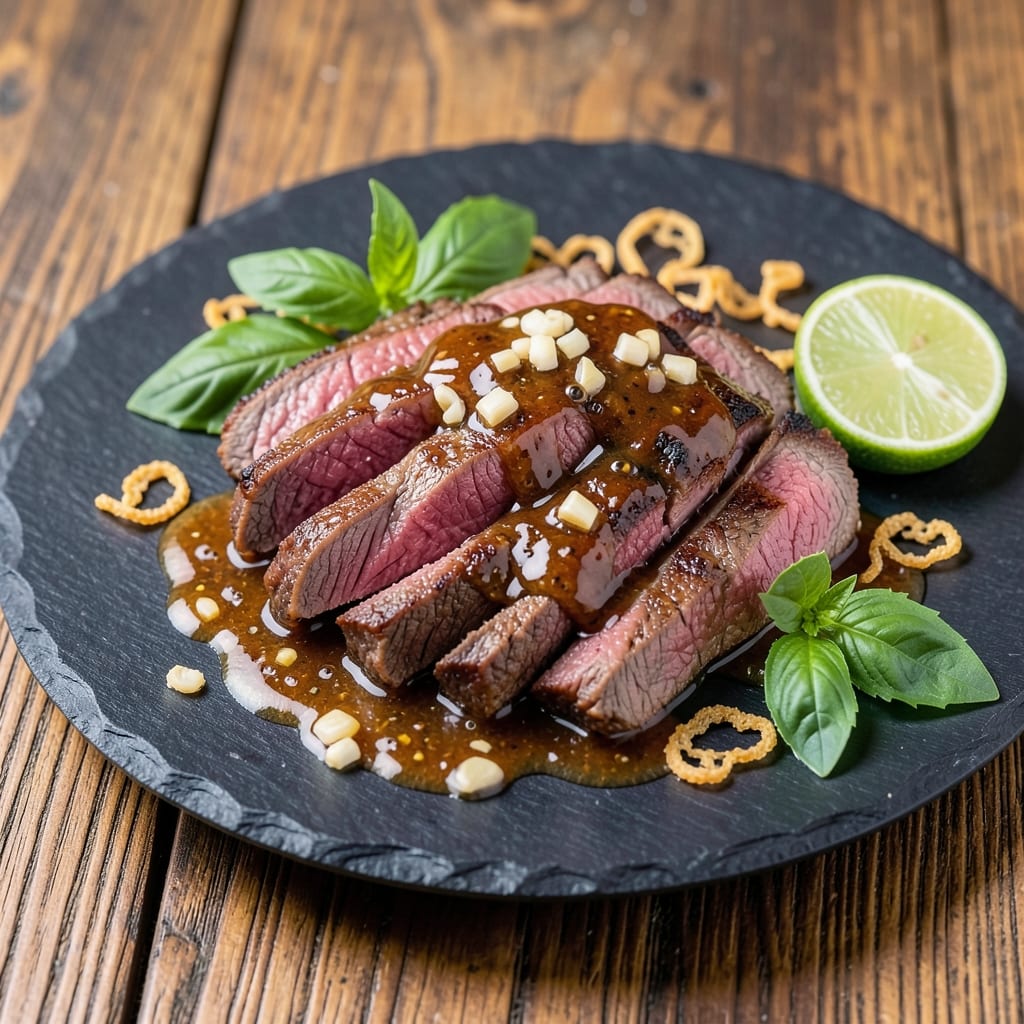
This authentic beef lok lak recipe brings the bold flavors of Singapore's street food to your kitchen with its signature tangy tamarind glaze and perfectly seared beef slices. The dish combines tender beef, crisp vegetables, and a rich peanut sauce for a restaurant-quality stir-fry experience. I've refined this recipe over years of testing to ensure every element—from the marinade to the sauce—delivers the authentic taste you crave.
The key to authentic lok lak lies in the balance of flavors: sweet, sour, and savory all come together in the tamarind-based sauce. Thinly sliced beef cooks quickly in a hot wok or skillet, achieving that signature caramelized crust while staying tender inside. Fresh vegetables like bean sprouts and cucumbers add crunch, while the peanut sauce ties everything together with its creamy, nutty richness.
What sets this recipe apart is the attention to traditional techniques, like stir-frying at high heat for maximum flavor development. The tamarind glaze adds a bright, tangy contrast to the rich peanut sauce, creating a perfect harmony of flavors. Whether you're serving this for a special dinner or a casual weeknight meal, it’s sure to impress with its authentic taste and vibrant presentation.
For those short on time, I’ve included a few modern adaptations, like using a skillet instead of a wok, without compromising on flavor. The result is a dish that’s both authentic and adaptable to your kitchen. Let’s get started on making this classic Singaporean stir-fry at home!
Ingredients for authentic beef lok lak
Authentic Singapore flavors start with these bold, tangy ingredients—simple but packed with restaurant-quality punch.
| Ingredient | Amount | Notes |
|---|---|---|
| Beef Sirloin 🥩 | 1 ½ lb | Thinly sliced against grain |
| Tamarind Paste 🍈 | ½ cup | Or 3 tbsp tamarind concentrate |
| Soy Sauce 🥫 | ⅓ cup | Light or dark preferred |
| Brown Sugar 🍚 | ¼ cup | Packed firmly |
| Garlic Cloves 🧄 | 6 cloves | Minced finely |
| Shallots 🧅 | 4 whole | Minced or finely chopped |
| Fresh Ginger 🌿 | 1 ½ tbsp | Grated finely |
| Bean Sprouts 🌱 | 4 cups | Fresh, not canned |
| Green Onions 🧅 | ½ cup | Sliced thinly |
| Cucumber 🥒 | 1 whole | Sliced into half-moons |
| Peanut Butter 🥜 | ½ cup | Natural, unsweetened |
| Peanut Oil 🫒 | ¼ cup | For high-heat frying |
| Lime Juice 🍋 | ¼ cup | Freshly squeezed |
| Sesame Oil 🫒 | 1 tbsp | For aroma |
| Toasted Sesame Seeds 🌾 | 1 tbsp | For garnish |
The beef is non-negotiable here—sirloin gives that perfect tender yet chewy texture when sliced thin. Ask your butcher to slice it against the grain if they won’t do it for you, or use a sharp knife and freeze it for 30 minutes before slicing. For tamarind, Trader Joe's or Asian markets have the best blocks or paste. If you can’t find tamarind paste, 3 tbsp tamarind concentrate works in a pinch. The peanut butter should be natural—no sugar or oils added. Crumble it with your fingers before mixing for that authentic texture.
No tamarind? Lime juice plus 1 tbsp brown sugar mimics the tang, though it won’t be identical. Swap shallots for onion if needed, but shallots add that signature depth. Fresh ginger is ideal, but substitute with 1 tbsp ground ginger at half the amount. For the peanut sauce, creamy peanut butter is key—skip the crunchy kind. If you’re avoiding peanuts, cashew butter works beautifully. The bean sprouts should be crisp and fresh—soak them in ice water for 10 minutes before using if they’re limp. Cucumber needs to be seedless and firm for that perfect crunch.
Prep ahead to save time: Marinate the beef for at least 30 minutes (or overnight for deeper flavor), and make the peanut sauce first—it keeps 5 days in the fridge or 3 months frozen. Store the tamarind glaze separately in an airtight container for up to 1 week. The cooked beef reheats beautifully in a skillet with a splash of water. For extra authenticity, serve with steamed jasmine rice and a side of cucumber slices. The leftovers? Even better the next day—the flavors meld perfectly.
Why You'll Love This Recipe
- Here’s what sold me: that first bite of crispy beef with the glaze clinging—sweet from brown sugar, sharp from tamarind, and deepened by garlic that caramelizes right into the sauce. It’s the kind of balance that makes you reach for seconds without even thinking.
- I’ll be real: sirloin can be pricey, but you’re using less than you’d think. A pound stretches for two meals, and the sauce ingredients cost pennies. Plus, the tamarind paste lasts forever—once you make this, you’ll find reasons to use it everywhere.
Step-by-step instructions for Singapore-style beef lok lak
Here's how to recreate this beloved Singapore street food dish with its signature tangy-sweet glaze and tender beef.
Prepare the Tamarind-Peanut Sauce
In a small saucepan, combine the 0.5 cup tamarind paste, 0.33 cup soy sauce, 0.25 cup brown sugar, 6 cloves minced garlic, 4 whole minced shallots, and 1.5 tbsp grated ginger. Bring to a gentle simmer over medium heat and cook for 5-7 minutes until the sugar dissolves completely. The mixture should thicken slightly and develop a rich, aromatic fragrance.
While it simmers, whisk together the 0.5 cup peanut butter and 0.25 cup lime juice in a separate bowl until smooth. Once the tamarind mixture is ready, remove it from heat and let it cool for 2 minutes. Slowly drizzle in the peanut-lime mixture while whisking continuously. This creates the signature creamy, tangy sauce that balances the sweetness. The sauce should be thick enough to coat the back of a spoon but still pourable.
Marinate and Sear the Beef
Place the 1.5 lb thinly sliced beef sirloin in a bowl and pour half of the warm tamarind sauce over it. Massage the sauce into the beef using your hands, ensuring every slice is well coated. Let it marinate for 15-20 minutes at room temperature while you prepare the vegetables. This step is crucial for infusing the beef with the authentic flavors.
Heat 0.25 cup peanut oil in a large wok or skillet over high heat until shimmering. Working in batches if needed, add the marinated beef and sear for 1-2 minutes per side until the edges turn a beautiful golden brown. The beef should still be slightly pink in the center—it will finish cooking when combined with the sauce. Remove the beef and set aside on a plate.
Stir-Fry the Vegetables
In the same wok, add 1 tbsp sesame oil and swirl to coat the bottom. Toss in 4 cups bean sprouts and stir-fry for 1-2 minutes until they just begin to wilt. Add 0.5 cup sliced green onions and 1 whole sliced cucumber, cooking for another 30 seconds until the cucumber is slightly softened but still crisp. The vegetables should retain their vibrant colors and crunch.
Return the seared beef to the wok along with any accumulated juices. Pour the remaining tamarind sauce over everything and toss vigorously for 1-2 minutes until the beef is fully coated and heated through. The sauce should cling beautifully to both the beef and vegetables, creating that signature lok lak glaze.
Finish and Serve
Taste the mixture and adjust seasoning if needed—add a splash of soy sauce for more saltiness or lime juice for extra tang. Remove from heat and let it sit for 1 minute to allow the flavors to meld together. This resting period ensures the sauce coats everything evenly without overcooking the vegetables.
Serve immediately, garnished with 1 tbsp toasted sesame seeds and additional sliced green onions. The dish should be vibrant with contrasting textures—tender beef, crisp vegetables, and that glossy, tangy-sweet sauce. Traditionally served with steamed jasmine rice, this authentic lok lak captures the perfect balance of sweet, sour, and umami flavors that make it so beloved.
Pro Tips For Making Authentic Beef Lok Lak
- Slice Thin, Cook Fast: That ½-inch thick steak you’re used to cutting? Toss it. For lok lak, slice the sirloin paper-thin—about ⅛-inch—so it cooks in 30 seconds max. I learned this the hard way when my first batch turned out chewy because I was lazy with the knife. Use a sharp cleaver or ask the butcher to slice it for you—it makes all the difference when the beef should be tender but still hold its shape.
- Bloom the Garlic First: Skip the raw garlic mincing and toss it straight into the pan? Don’t. Crush the cloves with the flat side of your knife, then fry them in the oil for 30 seconds until they’re fragrant and just starting to turn golden. This step unlocks the flavor—raw garlic just doesn’t cut it in lok lak. (Yes, even if you’re impatient like me.)
- Balance the Tamarind: Tamarind paste is sour, and if you don’t dial it back, your sauce will taste like a science experiment gone wrong. After mixing with soy sauce and brown sugar, taste it—then add a splash of warm water (about 2 tablespoons) to thin it out. The sauce should coat the back of a spoon but still be vibrant, not watery. I was skeptical until I tried it: the right balance makes the beef sing.
- Rest the Beef Before Slicing: You’ve cooked the beef to medium-rare perfection—now stop. Let it rest under foil for 5 minutes before slicing, even if you’re eager to serve. This keeps the juices inside where they belong. I skip this when I’m lazy, but the dish is noticeably better when I don’t. (Your future self will thank you.)
Wine and beer pairings for this authentic beef lok lak
Tamarind Glaze Wines
The bright acidity in this dish pairs beautifully with crisp white wines that can cut through the richness. I love Singapore Sauvignon Blanc—its citrus notes mirror the tamarind's tang, while a touch of herbal complexity complements the peanut sauce. For a more accessible option, try New Zealand Sauvignon Blanc like Oyster Bay—its zesty lime and passionfruit flavors create a perfect harmony. 🍷
If you prefer red wine, opt for a light-bodied Pinot Noir with subtle fruitiness. The Marlborough Pinot Noir from New Zealand works wonderfully, as its red berry notes balance the dish's sweet and sour elements without overpowering the delicate beef flavors.
Peanut Sauce Beers
For beer lovers, a Belgian Witbier is my top recommendation—its coriander and citrus notes enhance the peanut sauce's nuttiness while refreshing the palate. Try Stella Artois (yes, it's a Belgian Witbier!) or Hoegaarden for a crisp, effervescent contrast to the dish's richness. 🍺
A light lager like Peroni or Asahi Super Dry also works beautifully, as its clean, crisp profile doesn't compete with the complex flavors. Avoid heavy stouts or IPAs, which could overpower the dish's delicate balance.
Cocktail Pairings
For a fun twist, serve this dish with a Lychee Martini—the floral, slightly sweet notes of lychee complement the tamarind's tang while the gin's botanicals echo the dish's aromatic spices. Shake 2 oz gin, 1 oz lychee juice, and ½ oz lime juice with ice, then strain into a chilled glass. Garnish with a lychee fruit. ✨
Another great option is a Singapore Sling, the national cocktail of Singapore! Mix 1.5 oz gin, ½ oz cherry brandy, ½ oz lime juice, and ½ oz grenadine, then top with soda water. The sweet-tart balance mirrors the lok lak's flavors perfectly.
Non-Alcoholic Options
For non-drinkers, a sparkling limeade made with fresh lime juice, sparkling water, and a touch of honey is refreshing and balances the dish's richness. I also recommend jasmine iced tea—its floral notes complement the peanut sauce beautifully. 💛
For something more substantial, try coconut water served over ice with a squeeze of lime. The natural sweetness and hydration make it a perfect palate cleanser between bites of the rich lok lak.
Nutrition facts
Frequently asked questions
What cut of beef works best for authentic lok lak?
Use sirloin or flank steak for the best texture—thinly sliced against the grain ensures tender results. The fat content in these cuts helps create that signature caramelized crust when seared. Avoid lean cuts like tenderloin, as they can dry out during the quick stir-fry.
Can I make the peanut sauce ahead of time?
The peanut sauce keeps for 5 days in the fridge or 3 months in the freezer. Make it a day ahead to let the flavors meld even better. Just reheat gently with a splash of water or oil to restore its creamy texture before serving.
How do I get the beef as tender as restaurant versions?
Marinate the beef for at least 4 hours (overnight is ideal) and slice it ¼-inch thick against the grain. High heat and quick cooking are key—sear the beef in batches until golden brown but still slightly pink inside. The tamarind marinade also helps tenderize the meat.
What's the secret to the tangy tamarind glaze?
The balance of tamarind paste, soy sauce, and brown sugar creates that signature tang. Simmer the mixture until slightly thickened, then let it cool before combining with the peanut sauce. The acidity from the tamarind brightens the rich peanut flavors perfectly.
Can I use a skillet instead of a wok?
Yes! While a wok is traditional, a large, heavy skillet works well. Use high heat and keep the beef in a single layer to ensure proper searing. If your skillet isn't deep enough, you may need to stir-fry the vegetables separately before combining with the beef.