
Soups & Stews
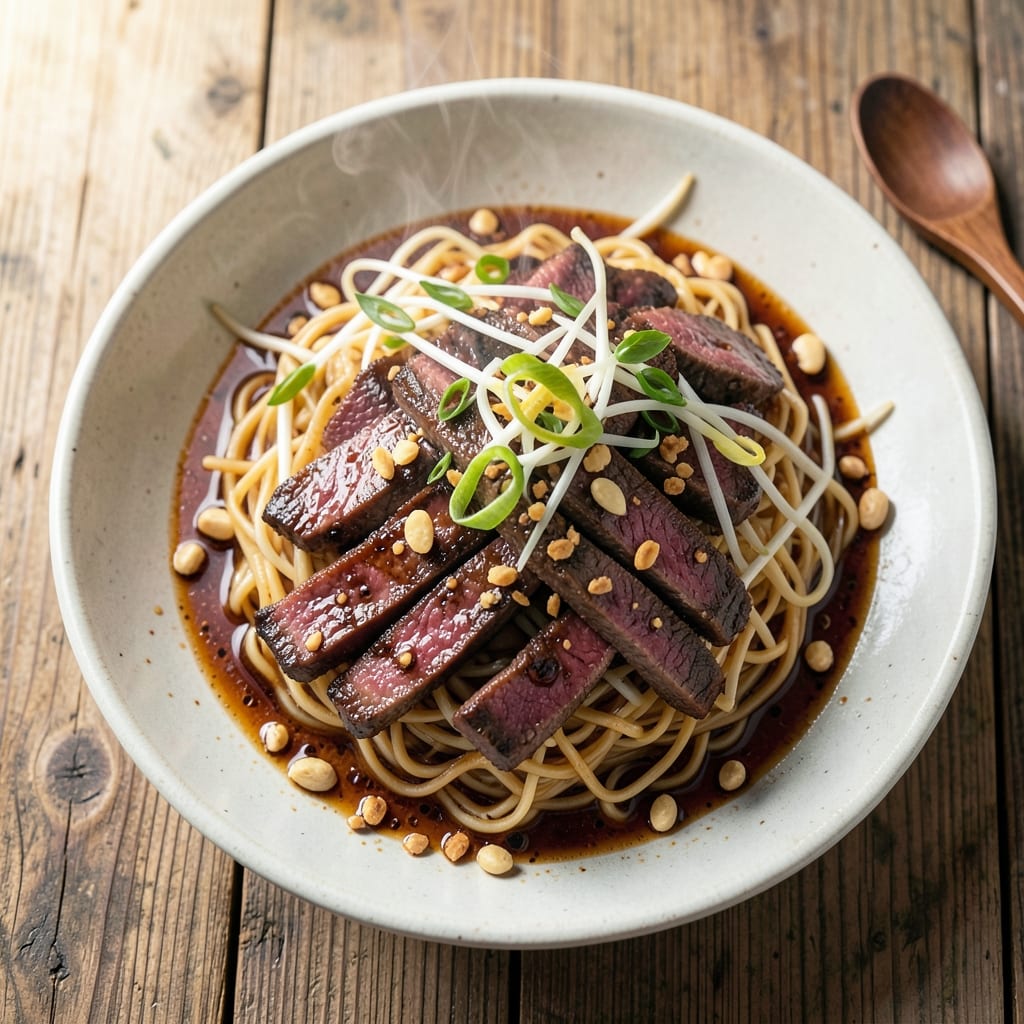
This authentic beef pad Thai recipe brings the vibrant flavors of Thailand straight to your kitchen with its signature balance of sweet, sour, and savory notes. The secret lies in the tamarind-based sauce—tangy, slightly sweet, and packed with umami from fish sauce and soy sauce. I've perfected this recipe over countless wok sessions, ensuring the rice noodles stay tender-crisp while the beef gets that perfect charred edge.
The dish starts with wide rice noodles soaked just until pliable, then tossed in a hot wok with garlic, chili, and bean sprouts for texture. The beef, thinly sliced and marinated in a touch of fish sauce, cooks quickly to retain its tenderness. What sets this apart is the sauce—simmered with tamarind paste, palm sugar, and a splash of lime, it creates a sticky, aromatic glaze that clings to every noodle and bite of beef.
By the time you're done, you'll have a plate of restaurant-quality pad Thai with glossy noodles, perfectly seared beef, and a sauce that's tangy yet balanced. The finishing touches—crushed peanuts, fresh cilantro, and a squeeze of lime—add crunch and brightness, making each bite feel like a little taste of Bangkok.
This recipe is designed to be adaptable—swap the beef for tofu or shrimp if you prefer, and adjust the sweetness or heat to your taste. The key is achieving that perfect harmony of flavors, and once you do, you'll never go back to takeout again.
Ingredients for authentic beef pad thai
These 15 ingredients transform your kitchen into a Thai street stall in minutes.
| Ingredient | Amount | Notes |
|---|---|---|
| Rice Noodles (Pad Thai Style) 🍜 | 8 oz | Wide, flat rice noodles |
| Flank Steak 🥩 | 1 lb | Thinly sliced against grain |
| Tamarind Paste 🍯 | ½ cup | Unadulterated, thick paste |
| Palm Sugar 🍚 | ¼ cup | Or substitute brown sugar |
| Fish Sauce 🍶 | ¼ cup | Red Boat preferred |
| Soy Sauce 🍶 | ¼ cup | Light soy sauce |
| Garlic Cloves 🧄 | 6 cloves | Minced, fresh preferred |
| Bird's Eye Chilies 🌶️ | 4 whole | Adjust to taste |
| Bean Sprouts 🌱 | 2 cups | Fresh, rinsed well |
| Fresh Cilantro 🌿 | ¼ cup | Chopped, for garnish |
| Peanuts 🥜 | ½ cup | Crushed, unsalted |
| Lime Wedges 🍋 | 2 whole | For serving |
| Vegetable Oil 🫒 | ½ cup | High smoke point |
| Salt 🧂 | 1 tsp | Kosher or sea salt |
| Black Pepper 🌶️ | ½ tsp | Freshly ground |
The tamarind paste is non-negotiable for that authentic tang—look for unadulterated, thick paste in Asian markets or the international aisle. Red Boat fish sauce is the gold standard, but any reputable brand works. Palm sugar adds that caramel depth, but brown sugar in a pinch won't ruin it. For the beef, flank steak is ideal—thinly sliced against the grain ensures it stays tender. Ask your butcher to slice it if you're not confident with a sharp knife. The rice noodles? 8oz makes 4 servings, and they cook in seconds once hydrated.
No tamarind paste? Substitute lime juice plus a pinch of sugar—it won't be identical, but close. Out of palm sugar? Brown sugar or coconut sugar works fine. The bird's eye chilies are key for heat—adjust to your spice tolerance. No fresh cilantro? Dried oregano at half the amount gives a similar earthy note. The peanuts? Crush them yourself for that perfect crunch—store-bought crushed peanuts taste stale. For the wok, high smoke point oil is critical—don't skimp on this.
Rice noodles keep 1 week in the pantry, but once soaked, use within 2 hours or they'll turn mushy. The tamarind paste and palm sugar can be stored 6-12 months in a cool, dark place. Make the sauce ahead—it actually tastes better the next day as the flavors meld. Portion the beef into single-serving containers if you're prepping for the week, but cook it fresh for the best texture.
Why You'll Love This Recipe
- No-Soaking Needed: I swear by the 5-minute soak trick—just hot water, a splash of oil, and the noodles soften just enough for that perfect chewy bite. No waiting around, no stress.
- Tamarind Magic: That tangy paste? It’s the secret weapon. One teaspoon transforms the sauce from "meh" to "oh hell yes"—bright, balanced, and way more complex than store-bought bottles. (Here’s what sold me: the first time I skipped it, I nearly cried.)
- Lunchbox Hero: Between us, this is my go-to for packed lunches. The noodles hold up for days, and the beef stays tender—just reheat with a splash of water, toss in a handful of peanuts, and boom. Zero sad desk lunches.
- Budget Stretch: A pound of flank steak feeds four for under $15, and the rest of the ingredients? Pantry staples. I’ve made this for date nights, lazy Sundays, and even my mom’s 70th birthday—because it’s fancy enough to impress but cheap enough to not stress over.
Step-by-step instructions for authentic beef Pad Thai
Here's the real deal—crispy wok-tossed noodles with that perfect tangy-sweet balance.
Prepare the Tamarind Sauce
In a small bowl, combine the 0.5 cup tamarind paste, 0.25 cup palm sugar, 0.25 cup fish sauce, and 0.25 cup soy sauce. Stir until the sugar dissolves completely—this should take about 2-3 minutes. The mixture will be thick and slightly sticky, almost like a syrup. Taste and adjust the balance: if it's too tart, add a pinch more palm sugar; if too mild, a splash of fish sauce. This sauce is the soul of authentic Pad Thai, so don't rush this step.
Set the sauce aside while you prep the remaining ingredients. You'll notice the tamarind gives it that signature tangy kick that separates street-style Pad Thai from the rest. I like to let it sit for 5 minutes while I work on the rest—this allows the flavors to meld slightly before hitting the wok.
Cook the Flank Steak
Heat 0.25 cup vegetable oil in a wok or large skillet over high heat until shimmering. Add the 1 lb flank steak sliced thinly against the grain and cook for 2-3 minutes, stirring constantly. The steak should turn light brown and become tender almost immediately—this quick cook prevents it from drying out. Remove the steak and set aside on a plate.
Here's the thing—flank steak is lean, so high heat and fast cooking are key. If it starts to stick, don't panic. Just add 1 tablespoon water and keep stirring. The goal is tender, slightly charred strips that'll soak up all that tangy sauce later. You want it to be 85-90% cooked now—it'll finish in the wok with the noodles.
Stir-Fry the Aromatics and Noodles
In the same wok, add 0.25 cup vegetable oil and heat over medium-high heat. Add the 6 cloves minced garlic and 4 whole bird's eye chilies (adjust to taste), cooking for 30 seconds until fragrant. You'll smell that garlic mellowing and the chilies softening—this is where the foundation of flavor builds.
Add the 8 oz rice noodles and toss vigorously for 1-2 minutes until they begin to soften. Pour in 1 cup hot water (just off the boil) and stir constantly for 1-2 minutes until the noodles are tender but still slightly chewy. Drain any excess water and return the noodles to the wok. The noodles should be bright white and coated with the garlic-chili oil—this is your signal they're ready for the sauce.
Combine Everything
Return the cooked steak to the wok along with the tamarind sauce. Toss everything together for 2-3 minutes until the noodles are well-coated and the sauce has thickened slightly. Add the 2 cups bean sprouts and stir for another 30 seconds until they're just wilted but still crisp. The dish should look vibrant—bright green sprouts against the golden noodles and dark sauce.
Season with 1 tsp salt and 0.5 tsp black pepper, then taste. You might need to adjust the balance—maybe a little more fish sauce for umami, or a pinch of sugar if it's too tangy. This is where you fine-tune the authentic flavor. The noodles should be hot and sizzling when you serve, so work quickly.
Garnish and Serve
Divide the Pad Thai among 4 plates and top each serving with 0.5 cup crushed peanuts and 0.25 cup chopped fresh cilantro. The peanuts add crunch while the cilantro brightens the dish with freshness. Serve immediately with the 2 whole lime wedges on the side—each bite should deliver that perfect harmony of tangy, sweet, salty, and umami flavors.
This is where the magic happens: the contrast of textures—crispy peanuts, chewy noodles, tender steak, and fresh sprouts—all bound together by that glossy tamarind sauce. Squeeze some lime over the top right before eating to wake up all the flavors. Trust me, this is the kind of Pad Thai that'll have you craving more the second you take that first bite.
Pro Tips For Making Authentic Beef Pad Thai
- SOAK NOODLES JUST RIGHT: Pad Thai noodles need 20-30 minutes in room-temperature water—not boiling, not ice cold. I learned this the hard way: under-soaked noodles turn mushy, over-soaked ones get gummy. Drain and rinse them right before cooking to stop the starch from turning your stir-fry into glue.
- SLICE STEAK AGAINST GRAIN: Flank steak has stubborn muscle fibers—cut it thin (⅛-inch max) and against the grain for tender bites. Freeze it for 30 minutes first if it’s stubborn, then slice while still slightly firm. Skip the grain, and you’ll be chewing like you’re in a bad action movie.
- TAMARIND FIRST, THEN SWEET: Mix tamarind paste with hot water first—it dissolves like a stubborn stain. Then add palm sugar and fish sauce after the noodles hit the wok. This keeps the sauce balanced: too much sugar upfront masks the tang, and you’ll end up chasing flavor with extra fish sauce.
- DON’T OVERSTIR THE NOODLES: Pad Thai noodles cook in seconds—1-2 minutes max over high heat. Crowd them in the wok, and they’ll turn into a sad, limp pile. Work in batches if needed, and toss them just until they’re coated, not until they look like spaghetti. Undercooked noodles? Better to finish them off in the sauce.
Storing and reheating this recipe
Refrigerator Storage
Store your cooked Pad Thai in an airtight container for up to 3 days—the tamarind sauce and garlic aromatics keep it flavorful. Let it cool completely before refrigerating to prevent condensation, which can make the noodles soggy. I like using glass containers because they don’t absorb odors like plastic. When reheating, add 1-2 tablespoons of water to prevent drying out. 🥣
Freezer Storage
For longer storage, freeze portions in single-serving containers for up to 2 months. The sauce may thicken slightly, so thaw in the fridge overnight and stir in 1-2 teaspoons of water before reheating. Avoid freezing with peanuts or cilantro—they turn mushy. I recommend freezing the sauce and beef separately from the noodles for best texture. 🧊
Reheating Methods
Stovetop is best: Heat in a wok or skillet over medium heat with 1 tablespoon oil and 2 tablespoons water for 3-4 minutes, stirring constantly. The high heat mimics the wok toss and keeps noodles crisp. For microwave reheating, cover with a damp paper towel and heat in 1-minute intervals until steaming hot. Add lime juice after reheating to revive freshness. ⚡
Reviving Texture
If noodles lose their chew, toss them with 1 teaspoon soy sauce and ½ teaspoon sesame oil while reheating. For extra crunch, sprinkle with toasted sesame seeds or crushed peanuts right before serving. The key is high heat and quick cooking—never let it sit in the sauce too long. This trick works like magic for restaurant-quality texture at home. 💫
Sauce Adjustments
If the sauce seems too thick after reheating, thin it with 1 teaspoon water or lime juice. For extra tang, add ½ teaspoon fish sauce. The balance of sweet, sour, and salty should return to perfection. I always taste and adjust before serving—this is where the magic happens. 🍋
Nutrition facts
Frequently asked questions
Can I use regular rice noodles instead of pad Thai noodles?
Regular rice noodles won't work—they're too thin and soft. Pad Thai noodles are wide, flat, and chewy, designed to hold up to wok tossing. If you can't find them, look for "sen leung" or "flat rice noodles" in Asian markets. Never substitute with spaghetti or ramen—they'll turn mushy and ruin the texture.
What's the best way to slice beef for pad Thai?
Use flank steak or sirloin, sliced ⅛-inch thick against the grain for maximum tenderness. Ask your butcher to do it professionally, or freeze the meat for 30 minutes before slicing with a sharp knife. Thin strips cook faster and stay juicy. Never use pre-sliced deli meat—it's too fatty and won't hold up.
How do I make the sauce less sweet?
Reduce the palm sugar to 2 tablespoons and increase fish sauce to 3 tablespoons for more umami. For extra tang, add ½ teaspoon lime juice. Taste as you go—the sauce should balance sweet, sour, and salty. If it's still too sweet, add a splash of water to dilute.
Can I make pad Thai without tamarind paste?
Yes, but it won't be authentic. Mix ¼ cup lime juice + 1 tablespoon sugar + 1 teaspoon rice vinegar as a substitute. For deeper flavor, add ½ teaspoon MSG to mimic tamarind's umami. The texture will be different, but the balance will still work.
Why did my noodles turn mushy?
Over-soaking or reheating with too much sauce causes mushiness. Soak noodles for only 10-15 minutes in warm water, then drain immediately. When reheating, use high heat and minimal sauce—toss with 1 teaspoon soy sauce and ½ teaspoon sesame oil to restore chew. Never microwave with sauce—it steams the noodles.