
Main Courses
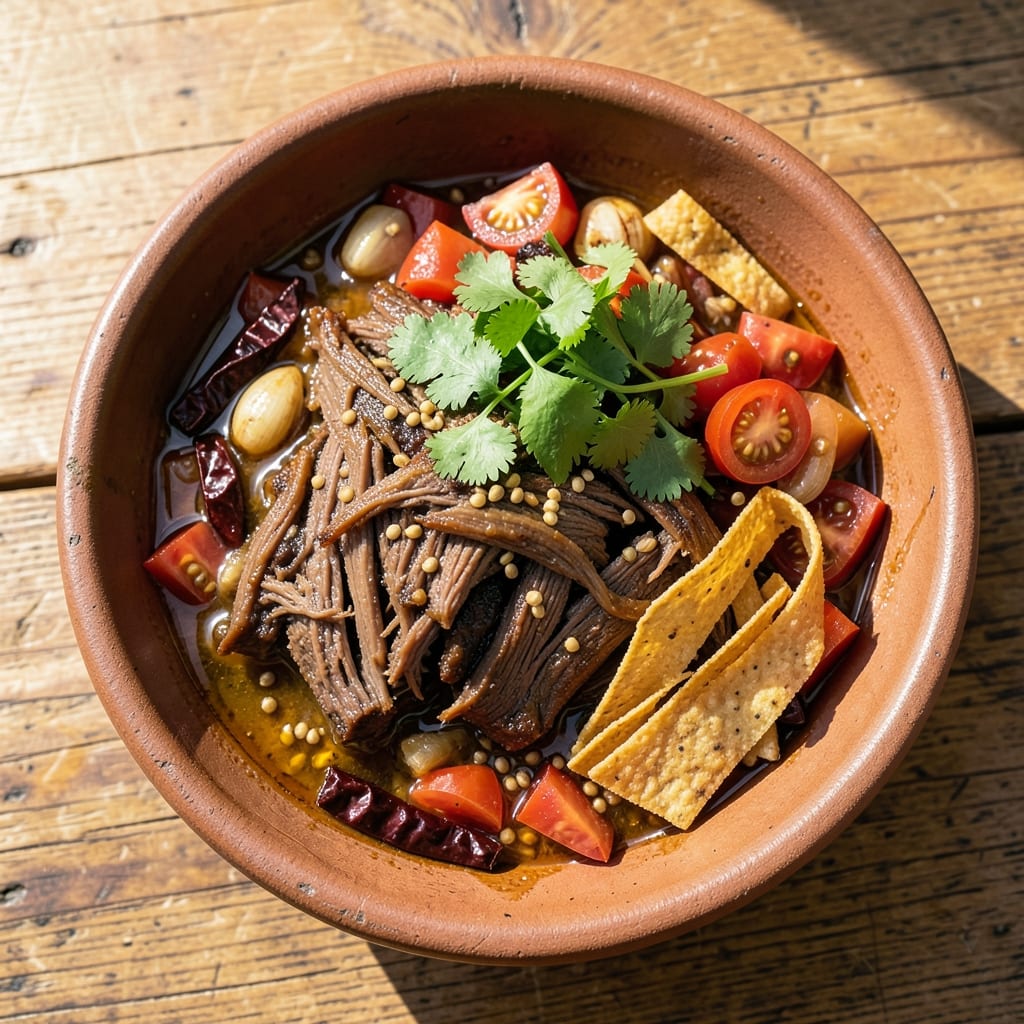
This authentic beef tinga recipe brings the smoky, spicy soul of Mexican street food to your kitchen—where tender chipotle-infused beef transforms into the star of tacos, bowls, or tostadas. The secret lies in slow-cooked tomatoes, adobo sauce, and a blend of spices that create layers of heat and depth without overpowering the beef. I developed this version after years of testing, ensuring every bite delivers that restaurant-quality smokiness you can't find in shortcut recipes.
The beauty of tinga is its versatility—this rich, flavorful beef works as a filling for tacos, a topping for rice and beans, or even a hearty bowl component. The key steps involve braising the beef until fork-tender, then shredding it into a sauce thickened with tomatoes and spices. No shortcuts here; the slow cooking ensures deep flavor penetration, while the chipotle peppers provide that signature smoky kick that defines authentic Mexican cuisine.
What you'll end up with is a smoky chipotle-shredded beef so flavorful it becomes the centerpiece of any meal. The sauce clings to the beef, creating a perfect balance of heat, acidity, and richness. Serve it with warm tortillas, crispy tostadas, or over steamed rice for a meal that feels both rustic and refined. This isn't just a recipe—it's a taste of Mexico's vibrant street food culture.
The best part? Leftovers reheat beautifully, making this a perfect meal prep option for busy weeks. Whether you're hosting a fiesta or just craving a taste of Mexico, this beef tinga delivers authentic, restaurant-quality results with every bite. Let's get started on creating this smoky, spicy masterpiece.
Ingredients for authentic beef tinga
Smoky, spicy, and packed with authentic Mexican flavors—this is your shopping list for restaurant-quality tinga.
| Ingredient | Amount | Notes |
|---|---|---|
| Chuck Roast 🥩 | 2 lb | Well-marbled, cut into 1-inch cubes |
| Fire-Roasted Diced Tomatoes 🍅 | 1 can | 15 oz can, no salt added |
| Adobo Sauce 🌶️ | ½ cup | From canned chipotle peppers |
| Yellow Onion 🧅 | 1 whole | Medium, chopped |
| Garlic Cloves 🧄 | 6 cloves | Fresh, peeled |
| Guajillo Chiles 🌶️ | 4 whole | Stems/seeds removed |
| Cumin Seeds 🌿 | 1 tsp | Toasted for aroma |
| Mexican Oregano 🍃 | 1 tsp | Dried, not Italian oregano |
| Ground Cinnamon 🌿 | ¼ tsp | For depth |
| Bay Leaves 🌿 | 2 whole | Fresh preferred |
| Beef Broth 💧 | 2 cups | Low-sodium preferred |
| Extra-Virgin Olive Oil 🫒 | 2 tbsp | For searing |
| Salt 🧂 | 1 ½ tsp | Kosher or sea salt |
| Black Pepper 🌶️ | ½ tsp | Freshly ground |
The chuck roast is non-negotiable here—look for well-marbled cuts at your butcher or the meat department. Costco and H-E-B have great options, but if you're buying pre-cubed, check for even-sized pieces. Guajillo chiles are the secret to authentic tinga; grab them at Latin markets or the international aisle at Whole Foods. For the adobo sauce, La Costeña or Goya are my go-tos—they've got that perfect smoky depth. Toast your cumin seeds in a dry pan for 30 seconds first; that aroma is everything.
No guajillo chiles? Ancho chiles work in a pinch, but soak them longer to soften. Short on adobo sauce? Mix 1 tbsp smoked paprika with 1 tbsp apple cider vinegar as a substitute. The fire-roasted tomatoes can be swapped for regular canned tomatoes if needed—just add 1 tsp extra sugar to balance the acidity. For the beef broth, low-sodium is key—you don't want to mute those smoky flavors. And if you're feeling fancy, char your own guajillo chiles in a dry skillet before soaking them for 15 minutes.
This tinga tastes even better the next day—make a double batch and freeze half for lazy weeknights. Store leftovers in an airtight container for up to 5 days in the fridge, or freeze for up to 3 months. To reheat, add a splash of broth or water and simmer for 5 minutes. The sauce thickens as it cools, so if it seems too stiff, stir in a little extra broth. Trust me, the flavors only get more complex overnight.
Why You'll Love This Recipe
- One-Pot Magic: I swear by this recipe—just brown the chuck roast, toss it all in one pot with the onions and garlic, and let the adobo sauce work its magic. No extra pans, no fuss, and the tomatoes melt right into the sauce like it’s been simmering for hours.
- Smoky, Tangy Obsession: That adobo sauce? It’s the star—deep, slightly smoky, and just a little tangy. The fire-roasted tomatoes add this sweetness that balances the richness of the beef, and honestly, the first bite makes you want to make it twice in one week.
- Taco Night Every Night: Between us, this is my secret for easy tacos, burrito bowls, or even a quick quesadilla. The beef stays tender and flavorful, so it’s perfect for meal prep—just reheat and serve. My kids grab it for school lunches, and they’ve never complained.
- Budget-Friendly Feast: Chuck roast is affordable, and a single batch stretches for four meals—leftovers taste just as good reheated. I’ll be real: I’ve made this for game nights, potlucks, and lazy Sundays, and it never lets me down. Plus, the ingredients won’t break the bank.
Step-by-step instructions for authentic beef tinga
Here's how to build the smoky, complex flavors of traditional Mexican tinga—layer by layer.
Build the Smoky Chile Paste
Toast the 4 whole guajillo chiles in a dry skillet over medium heat for 1-2 minutes until fragrant and slightly puffed. Transfer to a bowl and cover with 2 cups hot beef broth to soften for 20 minutes. Meanwhile, toast the 1 tsp cumin seeds in the same skillet for 30 seconds until aromatic—this releases their deep, earthy notes.
Drain the softened chiles and blend with the 0.5 cup adobo sauce, 2 cups beef broth, 1 tsp Mexican oregano, and 0.25 tsp ground cinnamon until completely smooth. The paste should be vibrant red with a velvety texture. This is the flavor foundation—don't skip the toasting, as it deepens the chile's natural sweetness and smokiness. Strain if needed, but I prefer the slight texture it adds.
Sear the Chuck Roast for Depth
Pat the 2 lb chuck roast dry with paper towels and cut into 1-inch cubes. Heat 2 tbsp extra-virgin olive oil in a Dutch oven over high heat until shimmering. Working in batches, sear the beef until deeply browned on all sides—3-4 minutes per batch. This Maillard reaction creates the rich, caramelized base that carries through the dish.
As you sear, add the 1 whole yellow onion and 6 cloves garlic cloves to the pot, cooking until softened and golden—about 5 minutes. Remove the beef and set aside, leaving the onions and garlic in the pot. Here's the thing—don't crowd the pan. Overloading will steam the meat instead of searing it, which is the first step toward flavor failure.
Simmer the Beef in the Chile Paste
Return the seared beef to the pot and pour in the blended chile paste. Add 1.5 tsp salt, 0.5 tsp black pepper, and 2 whole bay leaves. Bring to a gentle simmer, then reduce heat to low and cover partially. Let it cook for 1 hour 30 minutes, stirring occasionally, until the beef is fork-tender. The sauce should reduce slightly, intensifying its smoky depth.
Here's where patience pays off. The beef needs time to break down and absorb the chile flavors. If the liquid reduces too quickly, add 1-2 tablespoons of water to maintain a loose sauce. The bay leaves add subtle earthiness, so don't skip them—just remove them before serving. You'll know it's ready when the beef shreds easily with two forks.
Shred and Finish the Tinga
Remove the bay leaves and use two forks to shred the beef directly in the pot. Stir in 1 can fire-roasted diced tomatoes and simmer for an additional 10 minutes to meld all the flavors. The tomatoes add brightness that cuts through the richness of the beef and chiles. Taste and adjust seasoning—you might need a pinch more salt or a splash of lime juice to balance the smoky heat.
This is your authentic beef tinga—smoky, tender, and packed with layered flavors. The key is letting the ingredients work together over time. Serve it warm on corn tortillas with crumbled queso fresco, sliced avocado, and a sprinkle of cilantro. The sauce should coat the back of a spoon with a velvety texture, not be watery or overly thick. Trust the process, and you'll have restaurant-quality tinga at home.
Pro Tips For Making Authentic Beef Tinga
- Sear the Chuck First: High heat and a dry pan—no oil needed—until deep brown crust forms. I learned this the hard way: skipping the sear means flavorless shreds, no matter how much adobo you add later.
- Char the Onion: Cut onions into thick strips and cook them low and slow until they’re almost black at the edges. Sounds weird, but it works: that caramelized bitterness cuts through the richness of the chuck and balances the tomatoes.
- Simmer, Don’t Boil: Keep the pot at a gentle bubble, not a rolling boil, or you’ll turn the tomatoes into mush and dry out the beef. After burning three batches, I finally figured out: patience here makes all the difference.
- Use Two Tomato Cans: One for the sauce, one for the shreds—drain the second can and add it at the end. The extra acidity brightens the dish without thinning the sauce, and it’s the trick my abuela used to make hers stand out.
Essential equipment for great authentic beef tinga
Dutch Oven Essentials
A 5-7 quart Dutch oven is non-negotiable for this recipe—I use my Le Creuset Signature (it handles heat beautifully) or a Lodge cast iron for that perfect sear and slow simmer. The deep sides prevent spills when shredding beef, and the heavy base maintains even heat distribution. Avoid non-stick pans—they can't handle the high heat needed for searing the chuck roast. 🔥
Blender for Chile Paste
You'll need a high-powered blender to achieve that ultra-smooth chile paste. My Ninja BN601 handles the fibrous guajillo chiles effortlessly, but even a basic Vitamix or Blendtec works. If your blender struggles, soak the chiles longer (up to 30 minutes) and strain the mixture through a fine-mesh sieve for silky texture. A food processor won't cut it—the motor needs power to break down those tough chile skins.
Measuring Tools
Precision matters with spices and liquids. Use a digital kitchen scale for the guajillo chiles (they vary in size) and a fine-mesh measuring spoon for the 1 tsp cumin seeds and 0.25 tsp cinnamon. My OXO Good Grips set is my go-to—I love the angled spoons for scooping spices from jars. For liquids, a liquid measuring cup ensures accurate broth additions, which directly impact sauce consistency.
Tongs for Searing
Invest in a pair of long-handled tongs (I use J. Benson 12-inch) to safely flip beef cubes in the hot Dutch oven. The extra length prevents burns when working with high heat and crowded batches. Avoid metal spoons—they can dislodge meat before it's properly browned. For extra grip, I like the stainless steel variety—they're durable and heat-resistant.
Immersion Blender Backup
An immersion blender like the Ninja MagiMix is my secret weapon for blending directly in the pot—no transferring hot liquids to a separate blender. It's especially useful if you're making a double batch. Just ensure your Dutch oven has enough liquid (at least 1 cup) to prevent overheating the motor. This tool saves cleanup and keeps flavors contained in one vessel.
Serving Essentials
For presentation, grab corn tortillas (I prefer Mission brand) and a tortilla warmer to keep them pliable. A sharp chef's knife (my Wüsthof Ikon) is essential for slicing avocados and onions. For garnishes, fresh cilantro and queso fresco should be prepped in small bowls—this recipe deserves to be served immediately after assembly. Don't forget a lime wedge for that final bright note! 🌟
Nutrition facts
Frequently asked questions
Can I substitute chuck roast with another beef cut?
Yes, but choose wisely! Brisket or short ribs work well—they're well-marbled and tenderize beautifully. Avoid lean cuts like sirloin, which won't break down properly. If using brisket, cut it into 1-inch cubes and add 15 extra minutes to the cooking time. For short ribs, trim excess fat and cut into 2-inch pieces for better texture.
Why does my tinga taste too spicy?
Authentic tinga balances heat with acidity and sweetness. If it's too spicy, add 1 tablespoon lime juice or 1 teaspoon sugar to temper the heat. For future batches, reduce the adobo sauce to 0.25 cup and add 1 extra fire-roasted tomato for brightness. The guajillo chiles also mellow when soaked—soak them for 30 minutes instead of 20 to reduce intensity.
How do I make this tinga less smoky?
To reduce smokiness, cut the adobo sauce to 0.25 cup and replace 2 guajillo chiles with 1 ancho chile (which is milder). For extra brightness, add 1/4 cup tomato paste to the chile paste. If you love smoky flavor but want balance, serve with fresh avocado or pickled red onions to cut through the richness.
Can I make tinga in a slow cooker?
Brown the beef and onions in a skillet first, then transfer everything to a 6-quart slow cooker. Add all remaining ingredients and cook on low for 6-7 hours or high for 3-4 hours. The slow cooker method works well for hands-off prep, but the flavors will be slightly less concentrated. For deeper taste, finish on the stovetop for 15 minutes to reduce the sauce.
What's the best way to reheat leftovers?
Reheat gently to preserve texture. Add 2 tablespoons beef broth or water per cup of tinga, then simmer on low heat for 5-7 minutes. Stir occasionally to prevent sticking. For microwave reheating, cover with a damp paper towel and heat for 1-2 minutes (30-second intervals). Never reheat to boiling—this makes the beef tough. Leftovers taste even better the next day!