
Soups & Stews
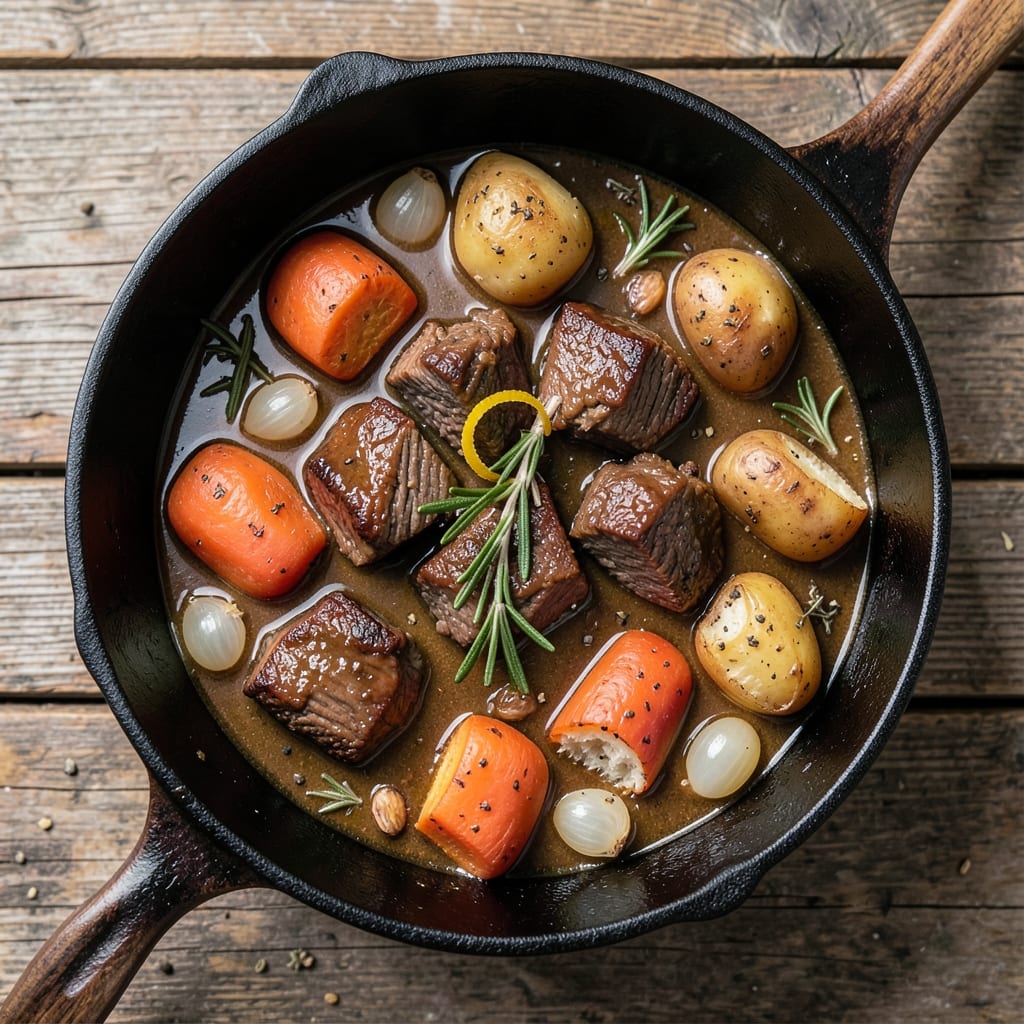
This authentic Irish beef stew brings the hearty, slow-simmered flavors of an Irish pub straight to your kitchen. The secret lies in layering rich Guinness stout, tender beef, and earthy root vegetables over hours of gentle simmering—just as it’s been made for generations. A Dutch oven is non-negotiable here, as it captures the deep, caramelized flavors that define true Irish comfort food.
The beauty of this stew is in its simplicity: a few core ingredients—chuck beef, onions, carrots, and potatoes—transformed by time and tradition. The key steps are browning the meat for depth, deglazing with Guinness for that signature malty richness, and letting it simmer until the beef falls apart effortlessly. This isn’t just a stew; it’s a meal that warms the soul and fills the house with an aroma that’s pure nostalgia.
By the time it’s done, you’ll have a pot of velvety, hearty stew where the beef is melt-in-your-mouth tender and the broth is thick with flavor. The Guinness adds a subtle bitterness that balances the sweetness of the carrots and potatoes, while fresh herbs like thyme and bay leaves tie it all together. Serve it with a slice of crusty soda bread or buttery mashed potatoes to soak up every last drop of that rich, savory broth.
This recipe is designed to be made ahead—it tastes even better the next day as the flavors meld and deepen. Whether you’re feeding a crowd or saving leftovers for lunch, this authentic Irish beef stew delivers the kind of comfort that’s hard to resist. Let’s get cooking.
Ingredients for authentic irish beef stew
Pantry staples plus a few pub-worthy ingredients for stew that tastes like home.
| Ingredient | Amount | Notes |
|---|---|---|
| Chuck Beef 🥩 | 3 lb | Pre-cubed, 1-1.5 inch pieces |
| Yellow Onions 🧅 | 2 whole | Medium size, sliced thick |
| Carrots 🥕 | 4 whole | Medium size, peeled, cut into chunks |
| Russet Potatoes 🥔 | 2 lb | Peeled, cut into 2-inch chunks |
| Garlic Cloves 🧄 | 4 cloves | Peeled, smashed |
| Guinness Stout 🍺 | 1 ½ cups | Cold, not warmed |
| Beef Broth 💧 | 4 cups | Low-sodium preferred |
| Fresh Thyme 🌿 | 1 tbsp | Leaves only, chopped |
| Bay Leaves 🍃 | 2 whole | Dried, standard size |
| All-Purpose Flour 🌾 | 1 tbsp | For thickening |
| Salt 🧂 | 1 ½ tsp | Kosher or sea salt |
| Ground Black Pepper 🌶️ | 1 tsp | Freshly ground |
| Olive Oil 🫒 | 2 tbsp | For searing meat |
The beef is everything here—chuck roast with good marbling is non-negotiable. Costco or Trader Joe's usually have pre-cubed, which saves time, but if you're buying a whole roast, ask the butcher to cut it for stew. The potatoes should be waxy but Russets work too—just peel them first. Carrots can be baby carrots if that's what's in the fridge, but whole carrots give you more control over the size. Fresh thyme is ideal, but dried works at half the amount if you're in a pinch. The Guinness matters—don't use light beer, and keep it cold until the very end.
No Guinness? Dry red wine plus a splash of soy sauce gets you close, though it won't have that exact malty depth. Fresh thyme out of season? Dried thyme or oregano works, but reduce to half. The beef broth should be low-sodium—homemade or high-quality store-bought makes a world of difference. For the flour, all-purpose is fine, but if you've got cornstarch, use that instead for a clearer broth. The bay leaves? Standard dried ones from the spice aisle work perfectly—no need to splurge. And if you're worried about the potatoes turning to mush, par-cook them 5 minutes first.
This stew tastes even better the next day—plan ahead. It keeps for 5-6 days in the fridge, and freezes beautifully for up to 3 months. I always make double batches because leftovers reheat like a dream. For freezing, portion into individual containers so you can grab one for lunch without thawing the whole pot. The broth thickens as it cools, so if it's too thin when reheating, simmer uncovered for 5 minutes to reduce it. And trust me, the aroma alone is worth the wait.
Why You'll Love This Recipe
- One-Pot Magic: I swear by this recipe for lazy nights—just brown the chuck roast, toss in onions, carrots, and potatoes, then let it simmer. No extra pans, no fuss, and the flavors meld into something hearty without me having to babysit it.
- Rich & Earthy Depth: That slow-cooked chuck beef? It falls apart like a dream, so tender it’s practically melting. The onions caramelize right in the pot, and the garlic cloves? They infuse the whole thing with a warmth that makes every bite feel like a hug.
- Weeknight & Holiday Hero: Between us—this is my go-to for both Tuesday dinners and Christmas leftovers. Serve it with crusty bread for a casual night in, or double the batch and freeze half for when you’re too tired to cook. (Yes, even on a Tuesday night.)
- Budget-Friendly Feast: A pound of chuck roast and a few veggies stretch to feed four—maybe five if you’re generous with the potatoes. The leftovers? Even better the next day, and it’s the kind of dish that makes you look like a cooking genius without breaking the bank.
Step-by-step instructions for authentic Irish beef stew
Here's how to make hearty, pub-style Irish beef stew with deep flavor and tender meat.
Sear the Chuck Beef for Rich Flavor
Heat a large Dutch oven over medium-high heat and add the 2 tablespoons olive oil. Once the oil shimmers, add the 3 lb chuck beef in batches, making sure not to overcrowd the pan. Sear each piece for 2-3 minutes per side until deeply browned—this creates the Maillard reaction that forms the stew's foundation.
As each batch browns, remove the beef and set it aside. You'll know it's ready when the meat releases easily from the pan and develops a rich, caramelized crust. Don't rush this step; well-seared beef equals deep flavor in your stew. Keep the browned bits in the pot—they'll dissolve into the sauce later.
Sauté Vegetables and Deglaze the Pot
In the same Dutch oven, add the 2 whole yellow onions and 4 whole carrots, cutting them into even chunks as you go. Cook for 5-6 minutes until the onions soften and begin to caramelize. Add the 4 cloves garlic cloves and the 1 tablespoon fresh thyme, stirring for 30 seconds until fragrant.
Pour in the 1.5 cups Guinness stout, scraping up all the browned bits from the bottom of the pot with a wooden spoon. This deglazing step captures all that meaty flavor. Let the mixture simmer for 3-4 minutes until the alcohol smell dissipates and the liquid reduces slightly. The beer should coat the back of a spoon, indicating it's ready for the next ingredients.
Build the Stew with Layered Flavors
Return all the seared beef to the pot. Add the 4 cups beef broth, 2 whole bay leaves, 1.5 teaspoons salt, and 1 teaspoon ground black pepper. Stir to combine, then bring to a gentle boil. Once boiling, reduce heat to low, cover the pot, and let it simmer for 1 hour. This initial simmer allows the beef to tenderize and the flavors to meld.
After the hour, add the 2 lb russet potatoes, cut into 2-inch chunks. The potatoes should cook submerged in the broth, so adjust the liquid if needed. Return to a simmer and continue cooking for another 1.5 to 2 hours, until the beef is fork-tender and the potatoes are easily pierced with a knife. The stew should have thickened naturally from the cooking process.
Thicken and Finish for Perfect Texture
If the stew isn't thick enough for your liking, sprinkle the 1 tablespoon all-purpose flour over the top and stir gently. Simmer uncovered for an additional 10-15 minutes to allow the flour to thicken the stew naturally. Taste and adjust seasoning—you might need a bit more salt or pepper, depending on your broth.
Remove the 2 whole bay leaves before serving. The stew should be rich, deeply flavored, and just thick enough to coat a spoon. Let it sit for 5-10 minutes off the heat before serving to allow the flavors to settle. Serve with crusty Irish soda bread for the full pub experience.
Pro Tips For Making Authentic Irish Beef Stew
- BROWN THE BEEF FIRST: Chuck roast needs that deep, crusty sear—don’t skip it. Cut the meat into 1.5-inch chunks, pat them bone-dry with paper towels, then hit a screaming-hot pot with 1 tablespoon of oil. Let them sizzle undisturbed for 3 full minutes per side until dark brown. I learned this the hard way—skipping the sear means flavorless broth, no matter how long you simmer.
- PEEL THOSE POTATOES LAST: Add potatoes too early, and they’ll turn to mush. Wait until the beef has cooked for 90 minutes before tossing in the peeled, quartered Russets—this way, they’ll soak up the rich broth without falling apart. (Yes, even if you’re impatient like me, resist the urge to rush this.)
- CHOP ONIONS UNIFORMLY: No, "chopped" doesn’t mean "random." For Irish stew, aim for ½-inch dice—big enough to stay intact but small enough to soften properly. My grandmother swore by this, and she was right: uneven pieces mean some onions stay crunchy while others dissolve into the broth. A sharp knife and a steady hand make all the difference.
- SIMMER LOW AND LONG: Start with a rolling boil to blanch the meat, then drop to a bare simmer—just a few bubbles breaking the surface. Too much heat = tough beef. Too little? It’ll never tenderize. I was skeptical until I tried it: 3 hours low and slow guarantees fork-tender chuck, not chewy disappointment. Cover the pot and let it do its thing.
Wine and beer pairings for these flavors
Guinness Stout
The rich, malty depth of Guinness is non-negotiable for authentic Irish beef stew. Its roasted barley and coffee notes balance the sweetness of the carrots and potatoes while adding a subtle bitterness that deepens the stew's complexity. I always use cold Guinness—never warmed—because heating it too soon can mute its unique flavor profile. 🍺
Dry Irish Red Wine
If Guinness isn't available, a dry Irish red wine like Bordelaise or Cabernet Sauvignon from Ireland works beautifully. The tannins mimic the Guinness's bitterness, and the acidity brightens the dish. Use 1.5 cups of wine and add 1 teaspoon soy sauce to replicate the maltiness. Let it reduce for 5 minutes before adding the broth to intensify the flavors.
Light Irish Ale
A crisp light Irish ale, such as Smithwick's or Murphy's, adds a refreshing contrast to the hearty stew. Its hoppy bitterness cuts through the richness of the beef, while its low alcohol content ensures it doesn't overpower the dish. Use 1.5 cups and reduce it by half before adding the beef broth to concentrate the flavors. This pairing is especially great for a lighter, summer-friendly version of the stew.
Irish Whiskey Finish
For an extra layer of depth, finish your stew with a splash of Irish whiskey, like Jameson or Redbreast. Add 2 tablespoons during the last 10 minutes of simmering to let the alcohol burn off and the caramel notes integrate into the broth. This adds a smoky, slightly sweet complexity that’s pure Irish pub magic. 💫
Non-Alcoholic Options
Skip the alcohol entirely with non-alcoholic Irish stout like Guinness 0.0% or Heineken 0.0%. For extra depth, add 1 teaspoon black tea (like Earl Grey) to the broth while simmering—it mimics the tannins in Guinness. Alternatively, use 1.5 cups apple cider for a naturally sweet, fruity note that pairs wonderfully with the savory beef.
Nutrition facts
Frequently asked questions
Why does authentic Irish beef stew need to simmer for so long?
The long simmering time—3-4 hours total—is what makes this stew truly authentic. The slow cooking breaks down the tough beef chuck into tender, melt-in-your-mouth pieces while allowing all the flavors to meld together beautifully. This method also helps thicken the broth naturally, creating that rich, hearty texture that defines Irish comfort food.
Can I use a slow cooker instead of a Dutch oven?
For a slow cooker version, brown the beef first in a skillet, then transfer everything to the slow cooker. Cook on low for 8 hours or high for 4-5 hours. The key is patience—the beef needs that long time to become tender. Just add the potatoes during the last 1.5 hours of cooking so they don't turn to mush.
What's the best way to reheat leftovers?
Reheat gently on the stove over low-medium heat until piping hot—never microwave directly as it can make the potatoes gummy. For best results, add a splash of beef broth or water to restore the stew's original consistency. If the stew seems too thick after reheating, simmer uncovered for 5-10 minutes to reduce it back to the perfect texture.
How do I know when the beef is tender enough?
The beef should be fork-tender, meaning it should easily pull apart with a fork but still hold its shape. Test a piece by piercing it with a fork—if it offers no resistance and the juices run clear, it's ready. For best results, aim for 2-2.5 hours of simmering time after adding the potatoes. The longer it cooks, the more flavorful it becomes!
What if I don't have Guinness? What's the best substitute?
For the most authentic flavor, use a mix of 1 cup dry red wine (like Cabernet) and ½ cup beef broth plus 1 teaspoon soy sauce. This combination mimics the maltiness and depth of Guinness. Alternatively, use 1.5 cups strong black tea (like Earl Grey) for a non-alcoholic option that still adds complexity. The key is to reduce the liquid by half before adding the broth.