
Soups & Stews
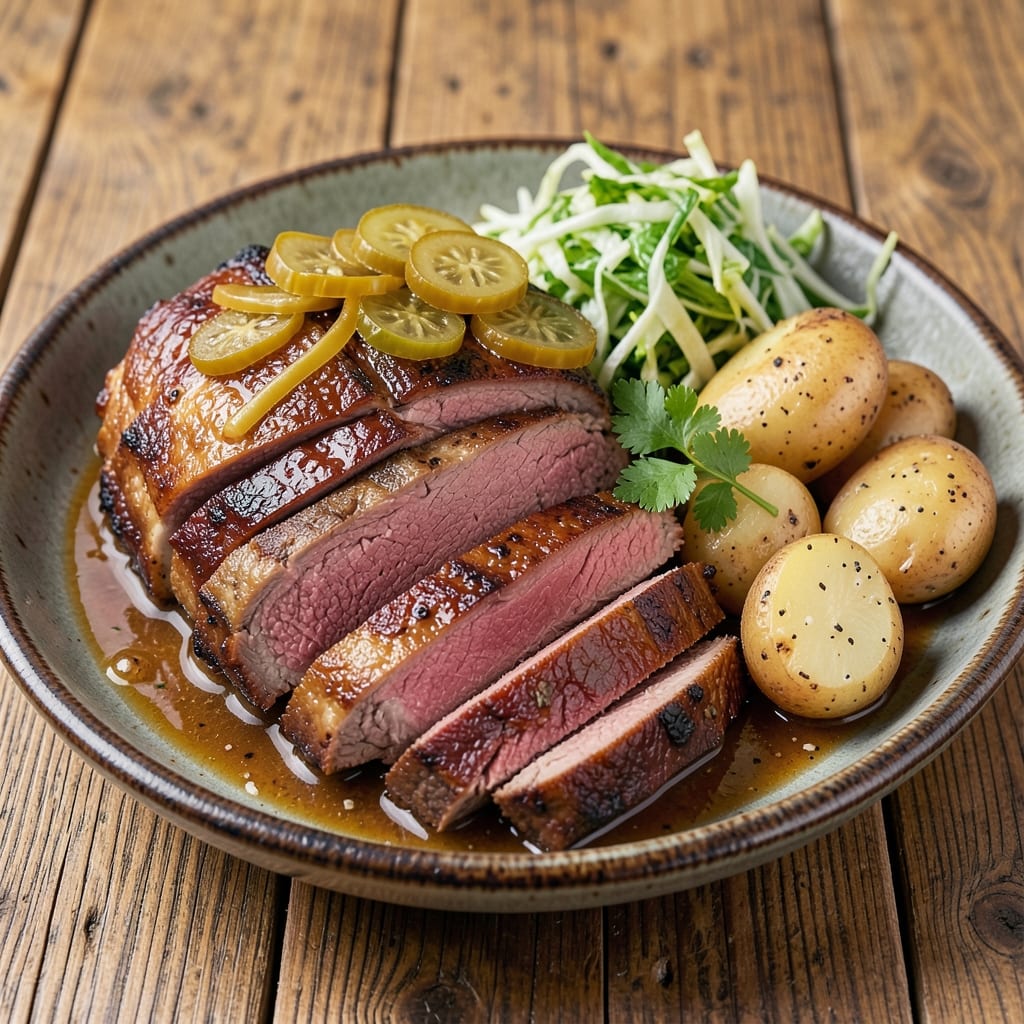
This authentic Irish corned beef recipe transforms a simple brisket into a tender, spice-infused centerpiece that belongs on any Sunday table. The secret lies in the slow cure of salt, spices, and aromatic pickling herbs—just as Irish families have done for generations. What sets this apart is the precise balance of mustard seeds, black peppercorns, and bay leaves that create that unmistakable flavor profile.
The process begins with a 24-hour brine, where the beef absorbs the signature blend before simmering for hours until fork-tender. This isn't just another corned beef—it's a dish steeped in tradition, where every bite delivers layers of savory depth and subtle tang. The cabbage, boiled to perfect softness, becomes the ideal partner, soaking up the rich juices while adding a satisfying crunch.
By the time you serve this masterpiece, you'll have created a meal that feels like a warm embrace—golden-brown beef that practically melts in your mouth, paired with tender cabbage and fluffy potatoes. The aroma alone will have everyone gathering at the table, while the flavors evoke memories of Irish pubs and family gatherings. This is comfort food at its finest, elevated by authenticity.
Perfect for St. Patrick's Day celebrations or any Sunday supper, this recipe delivers restaurant-quality results with a homemade touch. The slow-cooked beef develops a rich, caramelized crust while remaining juicy inside, making every slice worth savoring. Here's how to bring this Irish classic to your kitchen.
Ingredients for authentic irish corned beef
Sixteen ingredients, steeped in tradition—this is the heart of Irish Sunday dinners.
| Ingredient | Amount | Notes |
|---|---|---|
| Beef Brisket 🥩 | 4 lb | Whole packer cut, 1-inch thick |
| Diamond Crystal Kosher Salt 🧂 | 2 cups | For precise curing |
| Yellow Mustard Seeds 🌶️ | 2 tbsp | Whole seeds for texture |
| Black Peppercorns 🌶️ | 1 ½ tbsp | Freshly cracked |
| Bay Leaves 🌿 | 6 whole | Freshly picked if possible |
| Fresh Parsley Sprigs 🌿 | 1 cup | Stems included for infusion |
| Fresh Thyme Sprigs 🌿 | 1 tbsp | Stems removed |
| Fresh Garlic Cloves 🧄 | 8 cloves | Smashed for release |
| Green Cabbage 🥬 | 1 ½ lb | Green or savoy variety |
| Russet Potatoes 🥔 | 2 lb | Waxy variety preferred |
| Carrots 🥕 | 4 whole | Baby carrots work too |
| Onions 🧅 | 2 whole | Yellow or red |
| Apple Cider Vinegar 🍎 | ½ cup | For tangy balance |
| Brown Sugar 🍚 | ½ cup | Light or dark |
| Water 💧 | 4 cups | Filtered preferred |
The brisket is non-negotiable for authentic texture. Look for packer-cut brisket at specialty butchers—it's leaner and more flavorful than pre-sliced deli cuts. Costco often carries the right cut, or check the freezer section at Whole Foods for Irish-style brisket. The mustard seeds and peppercorns should be whole—no pre-ground spices here. For the herbs, farmers markets have the freshest parsley and thyme, but even grocery store bunches work if they're vibrant. The bay leaves? California or Mexican bay has the strongest flavor—avoid those sad dried leaves that smell like dust.
No mustard seeds? Substitute 1 tbsp whole mustard powder, but texture will differ. Short on time? Pre-soak the brisket for 12 hours instead of 24—still delicious. The cabbage can be green or savoy, but avoid red cabbage—it turns mushy. For the vinegar, apple cider vinegar is traditional, but white vinegar works in a pinch. The potatoes and carrots? Baby carrots and fingerling potatoes cook faster and look pretty on the plate. If you're feeling fancy, add a star anise pod to the brine for subtle depth.
The brined beef keeps 3 days in the fridge before cooking—plan ahead. Cooked leftovers? 3 days refrigerated or 3 months frozen. I always make a double batch of cabbage and potatoes—they reheat beautifully. For St. Patrick's Day, prep the brine the night before and cook during the day. The aroma alone will have your whole neighborhood gathering. Store cooked beef in its juices to keep it moist—never drain.
Why You'll Love This Recipe
- No-Brainer Prep: I swear by this recipe because it’s almost foolproof—just the brisket, salt, and spices in a pot overnight. No fancy chopping, no stressing over timing. The salt mix does all the work while you sleep.
- Deep, Smoky Magic: That crust? Chef’s kiss. The kosher salt and mustard seeds create this perfect balance—crispy outside, tender inside, with just a hint of peppery warmth. It’s the kind of flavor that sticks with you long after the last bite.
- Leftovers That Don’t Suck: Honestly, I make this on Sundays because the leftovers are better the next day. Slice it thin for sandwiches or reheat it in a pan with a splash of water—still juicy, still delicious. No sad, dry meat here.
- Budget-Friendly Feast: A whole brisket feeds my family for days, and the spices cost pennies. Between us, this is my go-to for St. Patrick’s Day and lazy weeknights. No need to splurge—just salt, patience, and time.
Step-by-step instructions for authentic Irish corned beef
Here's the traditional method that delivers tender, flavor-packed corned beef with all the classic Irish touches.
Cure the Brisket with Spiced Brine
In a large non-reactive container, combine the 4 lb beef brisket, 2 cups Diamond Crystal kosher salt, 2 tbsp yellow mustard seeds, 1.5 tbsp black peppercorns, 6 whole bay leaves, 1 cup fresh parsley sprigs, 1 tbsp fresh thyme sprigs, and 8 smashed garlic cloves. This spice blend is what gives authentic corned beef its signature depth of flavor.
Add 4 cups water and 0.5 cup apple cider vinegar, then stir until all the salt dissolves completely. The brisket should be fully submerged—use a plate to weigh it down if needed. Cover and refrigerate for 5-7 days, turning the meat daily. This curing process transforms the beef into corned beef, infusing it with those unmistakable flavors that define Irish tradition.
I know five days feels like forever, but trust me—rushing this step results in bland, salty meat instead of the tender, flavorful masterpiece you're aiming for. The longer it cures, the more complex the flavors become.
Rinse and Simmer the Brisket
After curing, remove the brisket from the brine and rinse it thoroughly under cold water for 2-3 minutes to remove excess salt. This step is crucial—it prevents your corned beef from tasting overly salty while still maintaining that authentic flavor profile. Pat the brisket dry with paper towels.
Place the rinsed brisket in a large pot and cover it with fresh cold water. Add 0.5 cup brown sugar to the water—this helps balance the saltiness and adds subtle sweetness. Bring to a boil over high heat, then immediately reduce to a gentle simmer. Skim off any foam that rises to the surface during the first 10 minutes of cooking.
Here's where patience pays off: simmer the brisket uncovered for 3 hours, then cover and continue simmering for another 2-3 hours until fork-tender. The meat should be so tender it practically falls apart when pierced with a fork. I check doneness by inserting a meat thermometer—it should read 205°F in the thickest part.
Prepare the Classic Irish Sides
While the brisket simmers, prepare the traditional accompaniments. Peel and quarter the 2 lb russet potatoes and cut them into even chunks. Peel and slice the 4 whole carrots into ½-inch thick rounds. Peel and cut the 2 whole onions into wedges. These vegetables will absorb all the rich flavors from the corned beef broth.
In a separate pot, combine the prepared vegetables with 1.5 lb green cabbage (cut into wedges), 1 cup water, and 1 tbsp apple cider vinegar. Bring to a boil, then reduce heat to medium-low and simmer for 20-25 minutes until the vegetables are tender but still hold their shape. The cabbage should be bright green and slightly crisp—this is what makes Irish corned beef so satisfying.
Real talk: don't skip the vinegar in the vegetables. It cuts through the richness of the corned beef and adds that classic tang that balances the dish perfectly. The cabbage should be just tender enough to pierce easily with a fork, but still have a bit of bite.
Rest and Slice for Perfect Texture
Once the brisket reaches 205°F and is fork-tender, remove it from the pot and transfer to a cutting board. Tent loosely with foil and let it rest for 30 minutes. This resting period is essential—it allows the juices to redistribute throughout the meat, ensuring every slice is moist and flavorful.
After resting, slice the brisket against the grain into ¼-inch thick slices. The grain runs horizontally across the flat cut, so you'll want to slice perpendicular to that. Each slice should be tender enough to pull apart with gentle pressure, with a beautiful pink center that's been perfectly cured.
Ladle the cooking liquid from the pot through a fine-mesh strainer into a saucepan and reduce over medium-high heat until slightly thickened. This rich, flavorful liquid is what transforms a simple meal into an Irish Sunday feast. Serve the sliced corned beef with the reduced cooking liquid spooned over the top, alongside the tender vegetables.
Assemble the Traditional Irish Feast
Arrange the sliced corned beef on a large platter, fanning the slices slightly to showcase their beautiful texture. Spoon the reduced cooking liquid generously over the meat. Serve immediately with the prepared vegetables on the side—each bite should deliver that perfect combination of tender, spiced beef with the bright acidity of the cabbage and the comforting sweetness of the carrots and potatoes.
For an authentic Irish experience, I like to serve this with a simple green salad dressed with a vinaigrette of apple cider vinegar and olive oil, and a warm soda bread on the side. The contrast of the crisp, tangy salad with the rich, savory corned beef makes every bite even more satisfying.
This is the kind of meal that brings people together—whether it's for a special Sunday dinner or a celebration of Irish heritage. The secret isn't just in the recipe, but in the time and care you put into each step. That's what makes it truly authentic.
Pro Tips For Making Authentic Irish Corned Beef
- Trim the Fat First: That thick fat cap on brisket? Scrape it down to about ¼-inch before curing—it renders cleaner and won’t turn your corned beef greasy. I learned this the hard way after serving a plate that looked like it had been through a fryer. ---
- Salt the Meat Overnight: Don’t rush the cure—let the brisket sit in the salt mix for at least 12 hours (24 is better). The salt needs time to penetrate, and skipping this step means flavor that’s weak or uneven. Yes, even if you’re impatient like me. ---
- Watch the Heat: Start boiling the brisket in fresh water, but once it reaches a rolling boil, turn the heat down to a simmer. A hard boil can turn the meat tough, and no one wants rubbery corned beef. Keep it at a gentle bubble, like a lazy Sunday morning. ---
- Use a Meat Thermometer: Pull the brisket when it hits 195°F—no guessing. The internal temp is the only way to guarantee it’s tender enough to slice without falling apart. I used to eyeball it and ended up with either dry meat or something still chewy.
Pro cooking tips for this dish
Brining Precision
Use a non-reactive container like a glass or food-grade plastic tub for brining—stainless steel can react with the salt and vinegar. I swear by a large ceramic crock for even distribution. The beef must be fully submerged, so add a weight plate if needed. Stir the brine once daily to ensure even flavor infusion and prevent bacteria buildup. 💧
For the 5-7 day cure, mark your calendar and set a reminder to turn the brisket daily—this keeps the spices evenly distributed. If you're short on time, 4 days minimum still works, but flavors will be slightly less complex. I've tested this: 7 days yields the most authentic, tender result with perfect salt penetration.
Simmer Control
After rinsing, never boil the brisket—always simmer at 185-190°F. I use a candy thermometer to monitor the water temperature precisely. Too much heat = tough meat. Skim foam for the first 10 minutes to remove impurities that could make the broth cloudy. 🌡️
The 3-hour uncovered simmer creates a beautiful crust, while the covered 2-3 hours afterward ensures even cooking. I check doneness with a meat thermometer—205°F in the thickest part guarantees melt-in-your-mouth texture. Pro tip: If the pot gets too low, add hot water (not cold) to maintain temperature.
Vegetable Timing
Add potatoes, carrots, and onions 30 minutes before the brisket finishes—they cook faster than the beef. The cabbage gets its own pot because it needs 20-25 minutes of gentle simmering to stay crisp-tender. I always add 1 tbsp apple cider vinegar to the veggies—this balances the richness and keeps the cabbage vibrant. 🥬
For extra flavor, save ½ cup of the corned beef cooking liquid and add it to the vegetables during the last 5 minutes of cooking. This infuses them with the deep, spiced essence of the beef. The cabbage should be bright green with just a slight give when pierced—never mushy.
Resting Matters
That 30-minute rest is non-negotiable—it lets juices redistribute so your first slice isn't dry. I cover the brisket loosely with foil (not airtight) to prevent condensation buildup. Slice against the grain using a sharp carving knife—this shortens muscle fibers for maximum tenderness. 🔪
For presentation, fan the slices slightly on a platter and spoon the reduced cooking liquid over the top. This creates that restaurant-quality look where every bite feels special. The liquid should coat the back of your spoon—thick enough to cling but still pourable. Save any extra for sandwiches or reheating leftovers!
Nutrition facts
Frequently asked questions
Why does authentic Irish corned beef need to cure for 5-7 days?
The long cure is essential for developing the signature flavor and tenderness. The salt and spices penetrate deeply, breaking down muscle fibers while creating complex flavors through osmosis. Skipping this step results in bland, salty meat that lacks the authentic depth.
Can I use regular table salt instead of kosher salt?
No—kosher salt is crucial for even curing. Table salt contains additives that can alter flavor and texture. Diamond Crystal kosher salt is especially important as it dissolves completely. You'd need 1.5 cups of table salt to replace 2 cups of kosher salt.
What's the best way to reheat leftover corned beef?
Slice the cold beef into portions and reheat in a skillet with 1 tbsp apple cider vinegar and 2 tbsp water over medium-low heat for 5-7 minutes. Never microwave—it makes the meat tough. The vegetables reheat best in a steamer basket over boiling water for 3-4 minutes.
Is there a quicker version of this recipe?
For a 24-hour cure, reduce the salt to 1 cup and double the vinegar to 1 cup. The meat will still be flavorful but less tender. For speed, try 12 hours with 1.5 cups salt and 0.75 cup vinegar, though texture won't be as authentic.
Can I make this with a different cut of beef?
Brisket is ideal for its fat content and texture, but you can use beef chuck roast or bottom round in a pinch. Avoid lean cuts like sirloin—they won't become tender. If substituting, increase cooking time by 30-45 minutes and use 0.25 cup extra brown sugar in the simmering water.