
Main Courses
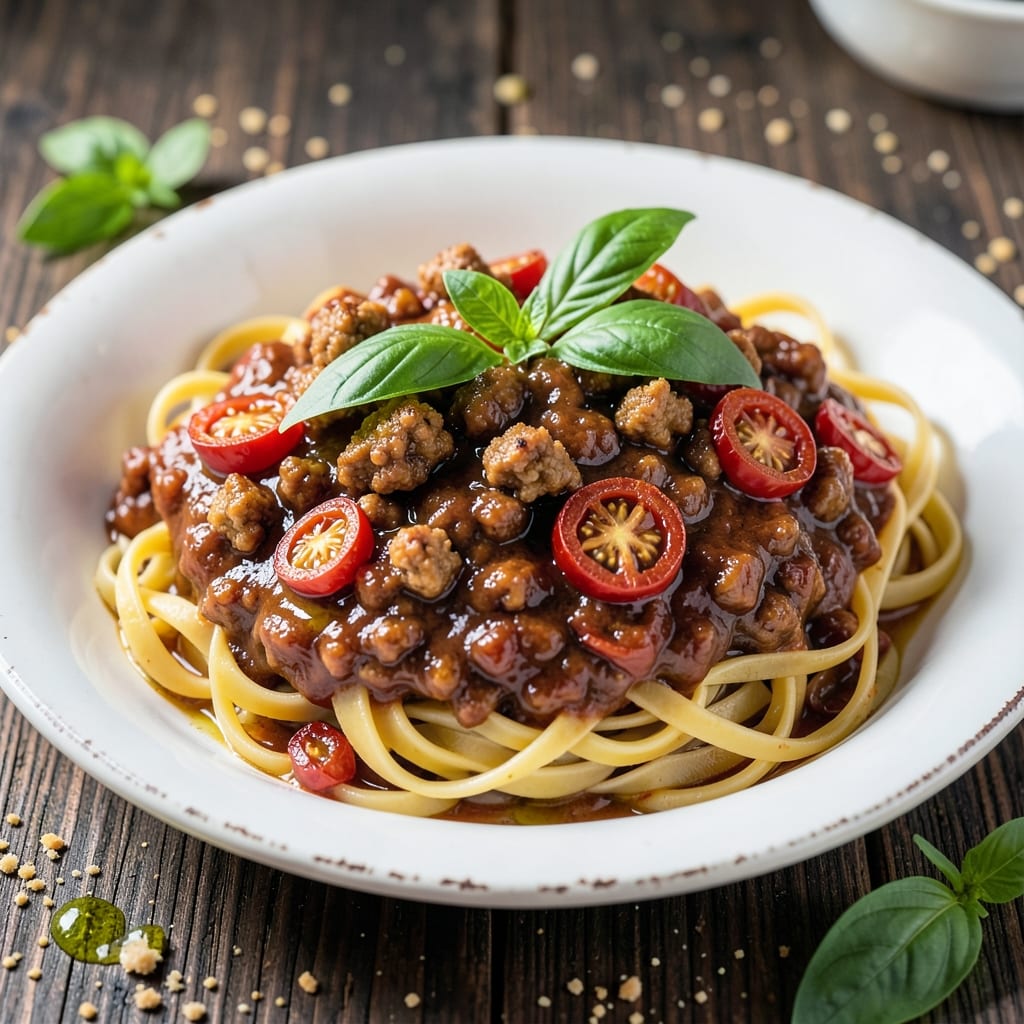
This authentic Italian beef ragu recipe transforms simple ingredients into a rich, slow-simmered masterpiece that defines Italian comfort food. 🔥 The secret lies in patient cooking—browning the meat deeply, deglazing with wine, and letting flavors meld for hours until the sauce achieves that signature depth. Unlike quick versions, this method delivers the complex umami and tender meat that make traditional ragù unforgettable.
The foundation begins with quality ground beef, slowly cooked until it releases its natural juices, then combined with tomatoes, aromatics, and herbs that build flavor layer by layer. What sets this apart is the attention to technique: browning the meat creates a flavorful crust, while simmering low and slow prevents the sauce from becoming heavy. The result is a sauce so rich it clings to every strand of al dente pasta, making each bite a taste of Italy.
Serving this ragù over tagliatelle or creamy polenta elevates it to restaurant-quality, but its versatility extends beyond pasta—pair it with crusty bread or mashed potatoes for a hearty meal. The key to authenticity is balancing sweet tomatoes with bold herbs and letting the sauce reduce naturally, never rushing the process. This is the kind of dish that improves with time, rewarding patience with layers of flavor.
Once mastered, this ragù becomes a weeknight staple or a showstopper for dinner guests. The aroma alone will have everyone gathering at the table, and the first bite delivers on the promise of Italian home cooking. Let’s get started on creating a sauce that tastes like tradition.
Ingredients for authentic italian beef ragu
Quality ingredients and patience create this restaurant-style Italian beef ragu masterpiece.
| Ingredient | Amount | Notes |
|---|---|---|
| Ground Beef (Chuck Roast) 🥩 | 2 ½ lb | 80/20 fat ratio preferred |
| Extra-Virgin Olive Oil 🫒 | ¼ cup | For browning meat |
| Yellow Onion 🧅 | 1 whole | Finely chopped, about 1.5 cups |
| Carrot 🥕 | 2 whole | Chopped into small dice |
| Celery Stalks 🌿 | 2 whole | Chopped into small dice |
| Garlic Cloves 🧄 | 4 cloves | Minced finely |
| Dry Red Wine 🍷 | 1 cup | Bold variety like Cabernet |
| San Marzano Crushed Tomatoes 🍅 | 28 oz | High-quality canned tomatoes |
| Tomato Paste 🍅 | 2 tbsp | Smooth, not chunky |
| Fresh Rosemary 🌿 | ¼ cup | Chopped finely, stems removed |
| Fresh Thyme 🌿 | ¼ cup | Leaves only, stems removed |
| Bay Leaves 🍃 | 2 whole | Dried, standard size |
| Kosher Salt 🧂 | 1 ½ tsp | Diamond Crystal preferred |
| Freshly Ground Black Pepper 🌶️ | ½ tsp | Freshly cracked |
| Whole Milk 🥛 | ½ cup | For finishing, optional |
The beef is non-negotiable—chuck roast ground to 80/20 fat ratio delivers the rich, tender texture traditional ragù demands. Costco or Whole Foods carry the best quality, but any well-marbled ground beef works. Look for deep red color and visible fat flecks. The San Marzano tomatoes are worth the investment; their natural sweetness balances the acidity perfectly. Trader Joe's often carries them at a reasonable price, or find them in the Italian section of larger grocery stores. Fresh herbs are critical—rosemary and thyme from the grocery store's produce section should smell vibrant, not wilted.
No red wine? Substitute beef broth with a splash of balsamic vinegar for acidity. Swap the tomato paste for an extra 1/4 cup crushed tomatoes if needed. The milk at the end is optional but adds a velvety finish—whole milk works best, but any milk will do. For a quicker version, use pre-minced garlic and finely chopped onions from the grocery store, but fresh is always superior. The bay leaves can be omitted if unavailable, but they add subtle earthiness that complements the wine and tomatoes beautifully.
This ragù tastes even better the next day as flavors meld. Store in an airtight container in the fridge for up to 5 days, or freeze for 3 months in portions. For serving, reheat gently on the stove with a splash of water or broth. The sauce will thicken as it cools, so add a little liquid if needed. Portion into individual containers for easy lunches—just reheat and serve over pasta or polenta.
Why You'll Love This Recipe
- Chop Once, Simmer Long: Honestly, that onion-carrot-celery combo (sofrito) takes 5 minutes max—just slice, not dice—and then you let the beef do all the work. I swear, the slow simmer turns tough chuck into melt-in-your-mouth goodness with almost no effort after that.
- Umami Bomb: The chuck roast develops this deep, savory richness when cooked low and slow—like a secret weapon. Between us, that crispy edge on the beef with the creamy, wine-infused sauce? It’s the kind of flavor that makes you pause mid-bite and go, “Oh yeah.”
- Weeknight to Weekend: I make this for busy weeknights (freezes like a dream), but it’s also the star of my holiday potluck. Serve it over pasta, dump it on polenta, or even stuff it in dumplings—it’s the one dish that never lets you down, no matter the occasion.
- Budget Stretch: A pound of chuck roast and a few pantry staples feed four for under $15, and leftovers taste even better the next day. Here’s what sold me—it’s the most satisfying way to stretch a dollar without sacrificing flavor. (Yes, even on a Tuesday night.)
Step-by-step instructions for authentic Italian beef ragu
This traditional method delivers deep, complex flavors through careful technique and patience.
🔥 Step 1: Brown the Ground Beef for Maximum Flavor
Heat the 0.25 cup extra-virgin olive oil in a large, heavy-bottomed pot over medium-high heat. Add the 2.5 lb ground beef (chuck roast) in batches, breaking it up with a wooden spoon as it cooks. Work in 3-4 batches to avoid overcrowding—the goal is to develop a deep brown crust on each piece.
Cook until the beef is deeply browned, about 8-10 minutes total. This browning creates the Maillard reaction, which builds the ragu's rich umami foundation. Don't drain the fat—it's essential for flavor. Once fully browned, transfer the beef to a plate and set aside.
👨🍳 Step 2: Sauté the Vegetable Base
In the same pot, reduce heat to medium and add the finely chopped yellow onion, diced carrot, and diced celery stalks. Cook for 8-10 minutes, stirring occasionally, until the vegetables soften and release their moisture. They should be tender but not browned.
Add the minced garlic cloves and cook for another 30 seconds until fragrant—this prevents bitterness. Stir in the 2 tbsp tomato paste and cook for 1 minute to deepen its flavor. The paste will darken slightly, creating a rich base for your sauce.
🍳 Step 3: Deglaze and Simmer with Wine and Tomatoes
Pour in the 1 cup dry red wine and scrape up any browned bits from the bottom of the pot with a wooden spoon. Let it simmer for 3-4 minutes until mostly evaporated. This step, called deglazing, captures all the meaty flavors that stuck to the pot.
Add the 28 oz San Marzano crushed tomatoes, 1.5 tsp kosher salt, 0.5 tsp freshly ground black pepper, and the reserved beef. Stir well to combine, then add the 2 whole bay leaves, 0.25 cup chopped fresh rosemary, and 0.25 cup fresh thyme leaves. Bring to a gentle simmer.
⏰ Step 4: Slow-Simmer for Deep Flavor Development
Reduce heat to low and let the ragu simmer uncovered for 3-4 hours. Stir occasionally, breaking up the meat with a spoon. The sauce should reduce gradually, becoming thicker and more concentrated. This long cooking time is essential—it allows the flavors to meld and develop that authentic Italian depth.
After 2 hours, check the consistency. If it's too thick, add ¼ cup water to loosen it. In the final 30 minutes, stir in the 0.5 cup whole milk (if using) for a silky texture. The ragu is ready when it coats the back of a spoon and has a rich, velvety consistency.
🍽️ Step 5: Serve with Al Dente Pasta
Remove the bay leaves and adjust seasoning if needed. Serve the ragu immediately over al dente pasta, such as pappardelle or tagliatelle. The pasta should be cooked just shy of perfect—it will finish cooking in the hot sauce. Ladle the ragu generously over the pasta and garnish with extra fresh rosemary or fresh thyme for brightness.
Each bite should deliver layers of umami from the slow-cooked beef, sweetness from the tomatoes, and herbal notes from the fresh rosemary and thyme. The milk at the end adds a subtle richness that balances the acidity of the wine and tomatoes—this is the secret to an authentic Italian touch.
Pro Tips For Making Authentic Italian Beef Ragu
- CRUSH THE SOFFRITTO: Cook the onion, carrot, and celery in olive oil until they’re actually caramelized—no, not just soft, but deep golden brown with spots of black. I used to rush this, and the ragu always tasted flat; now I let it go for 15-20 minutes, stirring occasionally, and the flavor builds like a slow simmering storm.
- SALT THE MEAT FIRST: Chuck roast is lean when raw, so season it generously with salt and pepper before browning—about 1.5 teaspoons salt per pound. This keeps it juicy during the long cook and ensures every bite has depth. (Yes, even if you’re impatient like me, resist the urge to skip this.)
- LOW AND SLOW WINS: After browning, reduce heat to the absolute lowest setting—think "barely there"—and cover the pot. Too much heat now means tough, dry ragu later. I learned this the hard way when my first attempt turned out like shoe leather.
- USE A LITTLE WINE: Deglaze that browned beef with ½ cup dry red wine (no substitutions—this isn’t a martini). Let it reduce by half before adding tomatoes; the alcohol burns off, but the wine’s acidity cuts through the richness. Skip it, and the ragu will taste heavy and one-dimensional.
Wine and beer pairings for this authentic italian beef ragu
Classic Italian Reds
For this rich, slow-cooked ragù, Italian red wines are your best friends. A Chianti Classico from Tuscany—look for brands like Castello di Volpaia—pairs beautifully with its bold acidity and cherry notes that complement the deep umami flavors. The wine’s earthy undertones mirror the rosemary and thyme in the sauce, creating a harmonious balance. 🍷
Bold Cabernet Sauvignon
If you prefer something with more structure, a California Cabernet Sauvignon like Louis M. Martini works surprisingly well. Its dark fruit and oak notes stand up to the ragù’s intensity, especially if you’ve added a touch of milk for creaminess. The wine’s tannins also help cut through the richness, making each bite feel lighter. I often reach for this when serving ragù with polenta.
Light White Options
Don’t overlook crisp whites if you prefer them. A Vermentino from Sardinia or a Pinot Grigio from Alto Adige refreshes your palate between rich bites. Their citrus and mineral notes contrast the ragù’s depth without overpowering it. I’ll admit, this pairing surprised me at first—until I realized how well the acidity cleanses the palate for another forkful. 💫
Beer Pairings
A Malty Italian Lager like Peroni or Moretti is my go-to beer pairing. The smooth, slightly sweet malt profile balances the ragù’s acidity and saltiness, while the effervescence cuts through the sauce’s richness. For craft beer lovers, a Belgian Dubbel with its caramel and spice notes adds an unexpected but delightful contrast.
Dessert Wine Finish
Save a small glass of Vin Santo for dessert—its nutty, honeyed sweetness contrasts perfectly with the savory ragù. The wine’s caramelized notes echo the caramelized onions in the sauce, creating a satisfying flavor loop. I’ve found that even a 1-ounce pour after dinner elevates the entire meal to restaurant-quality. 🍷
Nutrition facts
Frequently asked questions
Why does authentic Italian beef ragu need such a long cooking time?
The 3-4 hour simmer is essential for developing deep, complex flavors through the Maillard reaction and collagen breakdown. This slow process transforms tougher cuts into tender meat while allowing the sauce to reduce naturally, creating that signature rich, velvety texture. Rushing this step results in a heavy, one-dimensional sauce that lacks the authentic Italian depth.
Can I make this ragu in a slow cooker or Instant Pot?
Yes! For a slow cooker, brown the meat first, then combine all ingredients and cook on low for 6-8 hours or high for 4-5 hours. For an Instant Pot, sauté the vegetables and meat, then pressure cook for 45 minutes on high with a natural release. The Instant Pot version will be quicker but may need extra time to reduce the sauce further.
What's the difference between Italian beef ragu and Bolognese?
While both are slow-cooked meat sauces, traditional Bolognese uses minced beef, pork, and sometimes veal, with a creamy milk finish and often includes pancetta. Authentic Italian beef ragu typically uses just beef (or a beef-pork blend) and focuses on tomato-based richness without cream. The key difference is Bolognese's milder, creamier profile versus ragu's bold, tomato-forward depth.
How do I fix a ragu that's too thick or too thin?
For a thick sauce, stir in ¼ cup water or broth and simmer for 10-15 minutes to reduce again. If too thin, simmer uncovered for 15-20 minutes to evaporate excess liquid. For extra richness, stir in 1 tbsp tomato paste or a splash of red wine. The sauce should coat the back of a spoon but remain smooth.
Can I freeze this beef ragu?
Let it cool completely, then store in an airtight container for up to 3 months. Portion into individual servings for easy reheating. Thaw overnight in the fridge and reheat gently on the stove with a splash of water or broth. The flavor actually improves after freezing as the ingredients meld further.