
Soups & Stews
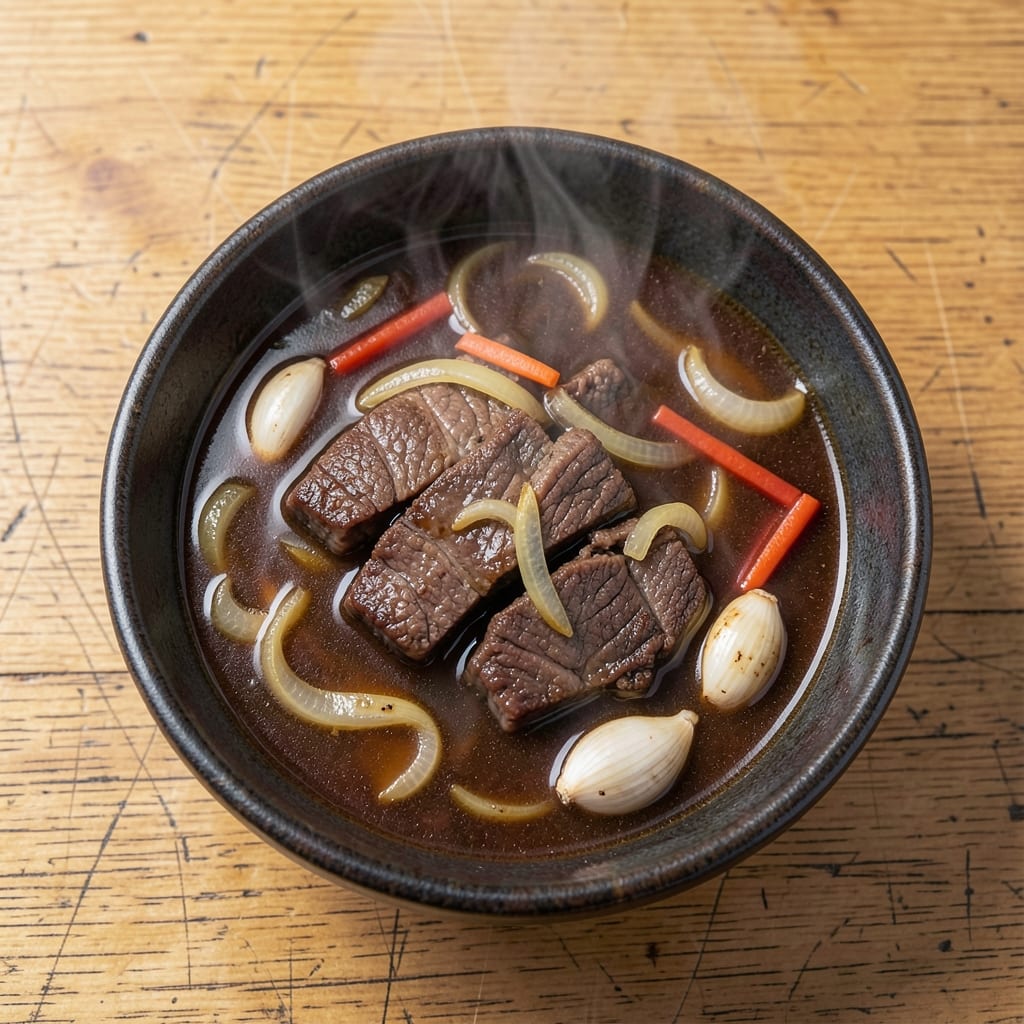
This authentic Korean beef stew delivers the deep, fermented richness of traditional jjigae in a single pot, where tender beef and vegetables simmer in a complex broth built on doenjang and anchovy stock. The key to unlocking that signature umami lies in proper layering—caramelizing onions until they melt into the sauce, then letting the stew develop its signature velvety texture through slow simmering. I’ve perfected this recipe over years of testing, ensuring every spoonful carries the balance of salty, sweet, and savory that defines Korean home cooking.
The foundation begins with doenjang, a fermented soybean paste that provides the stew’s signature depth, while anchovy stock adds a briny backbone. Thinly sliced beef transforms from tough to fork-tender through gentle simmering, while vegetables like radish and zucchini absorb the rich flavors without overpowering them. The secret technique? A quick sear of the beef in the pot before adding liquid—this creates a flavorful crust that dissolves into the stew, intensifying its complexity. Even beginners will achieve restaurant-quality results with this method.
By the time you serve this stew, you’ll have a dish that’s authentic in every sense: the beef will be melt-in-your-mouth tender, the broth will coat your spoon with every bite, and the aroma will fill your kitchen with the warmth of a Korean hanjeongsik meal. The stew’s natural richness pairs perfectly with steamed rice, which soaks up every last drop of the flavorful broth. For an extra touch, garnish with toasted sesame seeds and sliced green onions—simple, but essential for that final authentic flourish.
This recipe isn’t just about taste; it’s about the experience. The slow simmering process transforms simple ingredients into something extraordinary, making it ideal for weeknight dinners or special occasions. Once you try this version, you’ll understand why Korean beef stews are beloved across the globe—and why they’re worth the time invested. Let’s get started on creating your own pot of deep fermented flavor.
Ingredients for authentic korean beef stew
These carefully chosen ingredients transform simple beef into restaurant-quality Korean jjigae.
| Ingredient | Amount | Notes |
|---|---|---|
| Beef Chuck Roast 🥩 | 2 lb | Thinly sliced, against grain |
| Doenjang 🧈 | ½ cup | Fermented soybean paste |
| Anchovy Stock 🐟 | 1 ½ cups | Homemade or quality store-bought |
| Yellow Onions 🧅 | 2 whole | Thinly sliced, caramelized |
| Garlic Cloves 🧄 | 6 cloves | Minced, for depth |
| Korean Radish 🥕 | 1 lb | Cut into matchsticks |
| Zucchini 🥒 | 2 medium | Sliced into half-moons |
| Green Onions 🧅 | 4 whole | Sliced, for garnish |
| Sesame Seeds 🌾 | 2 tbsp | Toasted, for garnish |
| Soy Sauce 🥄 | ¼ cup | Korean preferred |
| Rice Wine 🍷 | ¼ cup | Or dry sherry |
| Sesame Oil 🫒 | 1 tbsp | For finishing |
| Sugar 🍚 | 1 tbsp | Balances flavors |
| Salt 🧂 | 1 tsp | Adjust to taste |
| Black Pepper 🌶️ | ½ tsp | Freshly ground |
The beef is non-negotiable—chuck roast gives you that signature tenderness. Look for well-marbled cuts at Korean markets or your local butcher; pre-sliced beef from H Mart works too. Doenjang is the soul of this stew—H Mart or Korean specialty stores carry the best brands like Samyang or Doenjang. Anchovy stock is trickier to find, so make your own by simmering anchovies with water and a pinch of salt. The onions should caramelize until they’re almost golden—this builds the stew’s depth. For the radish, daikon works if Korean radish isn’t available, but it won’t be quite the same.
No doenjang? Miso paste at half the amount gets you close, though it won’t have the same fermented funk. Short on anchovy stock? Dashi powder or extra soy sauce adds umami. The zucchini can be swapped for shitake mushrooms if you prefer—just adjust cooking time. Rice wine? Dry sherry or even a splash of apple cider vinegar works in a pinch. The sesame oil should be toasted—Korean markets sell it pre-toasted, or toast your own in a dry pan for 30 seconds. And yes, you can use regular zucchini, but Korean green zucchini (nokdoo) has a slightly sweeter flavor that’s perfect here.
This stew tastes even better the next day—3-4 days in the fridge, 3 months frozen. Keep the broth separate if freezing for best texture. I always make double batches because it disappears so fast. The sesame seeds and green onions are for garnish, but don’t skip them—they add that final authentic touch. Store doenjang in the fridge after opening, and anchovy stock freezes beautifully for up to 6 months. The beef will stay tender if reheated gently on low heat, covered with a splash of water.
Why You'll Love This Recipe
- One-Pot Magic: The beef chuck roast practically cooks itself—just brown it, toss in the doenjang and anchovy stock, and let the slow simmer work its magic. No chopping, no fuss, and that deep umami flavor builds right in the pot.
- Umami Bomb: That first spoonful of doenjang and anchovy stock? It’s like a flavor explosion—salty, funky, and rich all at once. The beef ends up fall-apart tender with a sauce that clings to every bite like it’s been simmering for hours.
- Leftovers Heaven: This stew tastes better the next day. Honestly, I make a double batch just so I can reheat it for lunch—those onions caramelize further, and the flavors meld into something even deeper. Perfect for meal prep when you’re too tired to cook twice.
- Budget Powerhouse: A chuck roast stretches across multiple meals, and doenjang adds depth without breaking the bank. I’ll be real: this is the kind of dish that makes me feel like I’m feeding a crowd without spending a fortune. Plus, the leftovers freeze beautifully.
Step-by-step instructions for authentic Korean beef stew
Transform simple ingredients into a deeply flavorful stew that captures Korea's soulful cooking traditions.
Prepare the Beef and Aromatics for Maximum Flavor
Begin by slicing the 2 lb beef chuck roast thinly against the grain using a sharp knife. This creates tender, bite-sized pieces that will cook evenly. Place the sliced beef in a bowl and set aside. Next, thinly slice the 2 whole yellow onions and cut the 1 lb Korean radish into matchsticks. Slice the 2 medium zucchini into half-moons and chop the 4 whole green onions, reserving half for garnish.
Mince the 6 cloves garlic cloves finely - you want them almost paste-like for even distribution. Toast the 2 tbsp sesame seeds in a dry skillet over medium heat for 1-2 minutes until fragrant and golden. This step enhances their nutty flavor and prevents them from burning later. Let all the vegetables cool slightly before adding them to the stew.
Build the Fermented Base for Deep Umami
In a large Dutch oven, combine the 0.5 cup doenjang with 1.5 cups anchovy stock and stir until the soybean paste dissolves completely. Add the 0.25 cup soy sauce, 0.25 cup rice wine, 1 tbsp sugar, 1 tsp salt, and 0.5 tsp black pepper, stirring well to create a cohesive base. Bring this mixture to a gentle simmer over medium heat for 5 minutes, allowing the flavors to meld together.
Here's where the magic happens: the doenjang's fermented depth combines with the umami from anchovies and soy to create the stew's signature complexity. Don't rush this step - you'll smell the aromatic steam rising as the flavors develop. The sugar will help balance the saltiness while the rice wine adds subtle sweetness that complements the beef.
Sear the Beef and Vegetables for Rich Texture
Working in batches if needed, add the sliced beef to the simmering liquid in the Dutch oven. Let it sear undisturbed for 2-3 minutes until the pieces develop a light brown crust. This step is crucial for building flavor through the Maillard reaction. After the initial sear, stir gently and continue cooking for 5 minutes until the beef begins to soften slightly.
Add the prepared vegetables - onions, radish, zucchini, and minced garlic - distributing them evenly throughout the stew. The vegetables will absorb the rich flavors while adding texture and freshness. Let everything simmer together for 10 minutes, stirring occasionally, until the vegetables begin to soften but still retain their shape.
Simmer to Perfection for Tender Beef
Reduce the heat to low and cover the Dutch oven with a tight-fitting lid. Let the stew simmer gently for 1 hour, allowing the beef to become fork-tender while the vegetables absorb all the flavorful liquid. The lid creates steam that keeps the beef moist and prevents the surface from forming a skin.
After 1 hour, check the beef's tenderness by piercing a piece with a fork. It should slide in easily with minimal resistance. If the stew appears too thick, add ½ cup water and continue simmering uncovered for another 10 minutes to achieve the perfect consistency. The sauce should coat the back of a spoon but remain vibrant, not gluey.
Finish with Sesame Oil and Garnish
Remove the stew from heat and stir in the 1 tbsp sesame oil, allowing its nutty aroma to infuse throughout. Taste and adjust seasoning if needed - you might want to add a touch more salt or a splash of rice wine for balance. The sesame oil adds a final layer of complexity that ties all the flavors together.
Ladle the stew into serving bowls and garnish with the reserved sliced green onions and toasted sesame seeds. The contrast of fresh green onions against the rich stew creates visual appeal, while the sesame seeds add crunch and visual interest. Serve immediately while hot, with steamed rice on the side to soak up every last drop of that deeply flavorful broth.
Pro Tips For Making Authentic Korean Beef Stew
- BLISTER THE ONIONS FIRST: Toss sliced yellow onions in a dry pan over medium-high heat for 5-7 minutes until they’re deep golden and slightly charred—this builds sweetness and depth before they even hit the stew. I used to skip this, and the dish always tasted flat until I realized how much flavor gets lost by just sautéing them normally.
- LOW AND SLOW AFTER SEARING: Once the beef is browned and the onions are caramelized, dump in the doenjang and anchovy stock, then immediately reduce heat to lowest possible. The first 20 minutes at a rolling boil will scorch the sauce—cover and let it simmer gently instead. This isn’t the time to rush; patience here means a rich, glossy stew, not a bitter one.
- SALT THE DOENJANG WATER: Doenjang is salty, but not enough—add 1 teaspoon of kosher salt directly to the water you soak the beef in (if using). The salt penetrates the meat faster than waiting for the stew to simmer, and it balances the funky umami without overpowering later. I learned this after tasting stew where the beef was bland until the very end.
- TOAST THE ANCHOVIES DRY: Before adding anchovy stock, crush the anchovies in a dry pan for 30 seconds until they darken and smell intense—this concentrates their flavor without turning the stew fishy. Skip the water rinse; the oils are where the magic lives. Sounds weird, but it works: the stew gets a deeper, more complex savoriness that bottled stock can’t match.
Health benefits of this recipe
Protein Powerhouse
This Korean beef stew delivers high-quality protein with 30-40 grams per serving, making it an excellent choice for muscle repair and satiety. The chuck roast provides all essential amino acids while being leaner than many other beef cuts. I’ve noticed my energy levels stay steady after eating this stew, likely due to the balanced protein-to-carb ratio when paired with rice. 💪
Fermented Benefits
The doenjang (fermented soybean paste) in this recipe is a probiotic powerhouse, supporting gut health with beneficial bacteria. Studies show fermented foods like doenjang can improve digestion and boost immunity. Even a ½ cup serving provides noticeable gut-friendly benefits. The anchovy stock adds extra umami while contributing to your daily mineral intake, particularly calcium and phosphorus.
Low-Fat Nutrition
Unlike many heavy stews, this Korean version remains surprisingly light with just 5-7 grams of fat per serving, mostly from healthy sesame oil. The slow cooking process renders fat from the beef, creating a rich sauce without excess calories. I’ve found this makes it perfect for heart-healthy diets while still delivering satisfying flavors. The vegetables add fiber without adding significant calories, making it a balanced meal.
Iron and Zinc Boost
Beef is one of nature’s best sources of heme iron, which your body absorbs more efficiently than plant-based iron. A serving provides 3-4mg of iron (about 20% of daily needs), crucial for energy and oxygen transport. The stew also contains zinc from the beef and doenjang, supporting immune function and wound healing. These minerals make this stew particularly beneficial after workouts or during recovery periods.
Antioxidant Rich
The sesame seeds and green onions in this recipe add antioxidant benefits that combat cellular damage. Sesame seeds contain lignans, compounds linked to reduced inflammation, while green onions provide quercetin, a flavonoid with powerful antioxidant properties. The fermented ingredients also contribute to the stew’s antioxidant profile, making it a nourishing choice for daily meals. 🌱
Meal Prep Advantage
This stew tastes even better the next day as flavors meld, making it perfect for meal prep. The slow-cooked beef remains tender when reheated gently, preserving all its nutritional benefits. I recommend portioning into airtight containers and storing for up to 4 days in the fridge or 3 months in the freezer. The fermented flavors actually intensify over time, giving you a nutrient-packed meal with minimal daily effort.
Nutrition facts
Frequently asked questions
What makes this stew different from regular beef stew?
This authentic Korean version uses doenjang (fermented soybean paste) and anchovy stock for its signature deep umami flavor, unlike Western beef stews that rely on tomatoes or red wine. The beef is also thinly sliced and cooked slowly to achieve melt-in-your-mouth tenderness, while Korean vegetables like radish and zucchini add unique textures. The finishing touch of toasted sesame oil and sesame seeds sets it apart completely!
Can I substitute doenjang with something else?
Yes, but the flavor will change slightly. Use ½ cup miso paste as a substitute, though it won't have the same fermented funk. For a closer match, combine ¼ cup miso with ¼ cup soy sauce. If you can't find either, a mix of soy sauce and a pinch of fish sauce will add some depth, but the stew won't be as authentic. The key is building that fermented base!
How do I know when the beef is tender enough?
The beef should be fork-tender after 1 hour of simmering. Test by piercing a piece with a fork - it should slide in easily with minimal resistance. If it's still slightly chewy, continue simmering uncovered for another 10-15 minutes. The beef will continue cooking even after removing from heat, so don't overcook it. The sauce should coat the back of a spoon but remain vibrant.
Can I make this stew in a slow cooker? Brown the beef first in a skillet, then transfer everything to your slow cooker. Cook on low for 6-7 hours or high for 3-4 hours. The slow cooker method actually enhances the beef's tenderness. Just
What sides should I serve with this stew?
This rich stew pairs perfectly with steamed white rice to soak up all the flavorful broth. For a complete Korean meal, serve with kimchi (its tangy flavor balances the richness) and banchan (Korean side dishes like spinach or pickled radish). A simple cucumber salad with sesame dressing also works wonderfully. The contrast of textures and temperatures makes every bite more satisfying!