
Soups & Stews
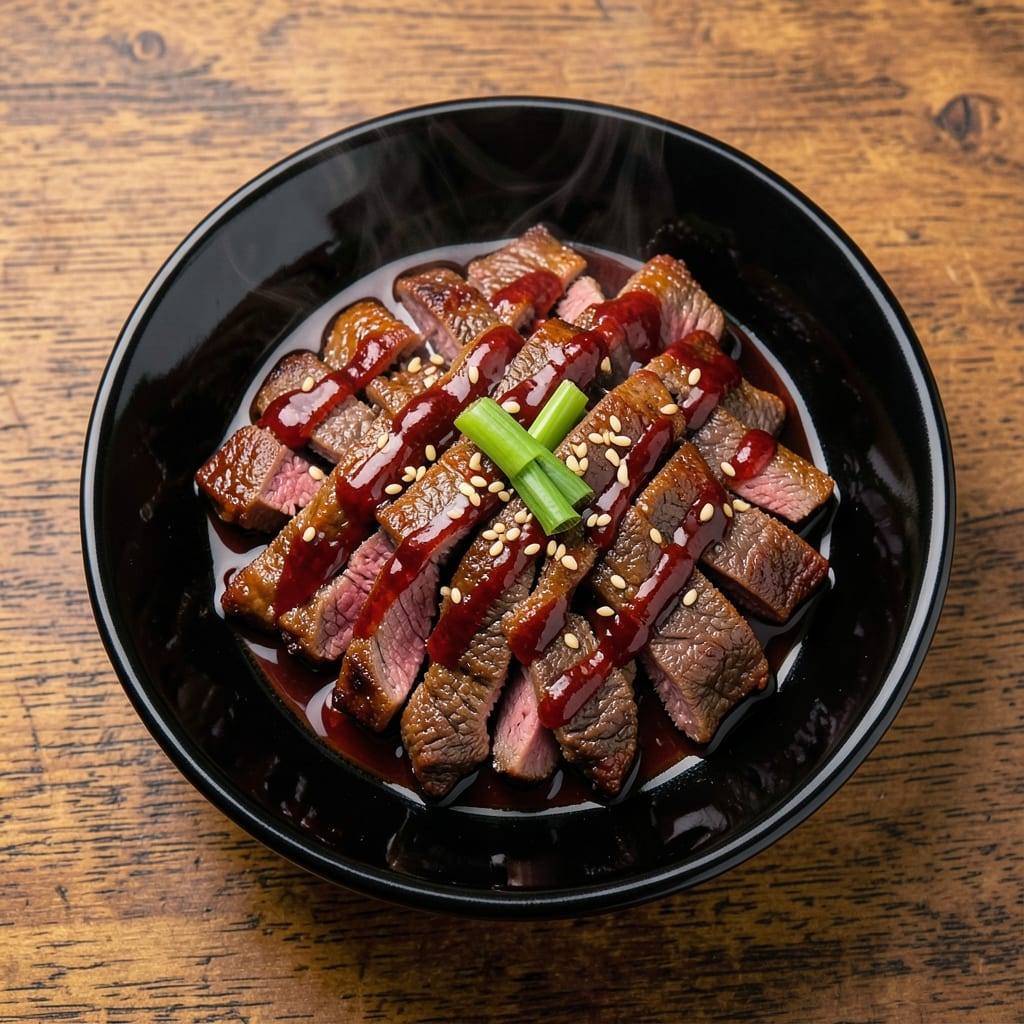
This authentic spicy Mongolian beef recipe delivers restaurant-quality heat and umami in just 25 minutes, using a precise balance of soy sauce, vinegar, and chili for that signature tangy kick. The secret lies in properly marinating thinly sliced beef and achieving the right sauce consistency—neither too thin nor too thick—so every wok toss coats the meat perfectly. I've perfected this technique after years of testing, ensuring the beef stays tender while absorbing all those bold flavors.
The process starts with high-heat stir-frying to sear the beef quickly, locking in juices before adding the reduced sauce. This sauce is where the magic happens: a combination of dark soy sauce for depth, rice vinegar for tang, and chili paste for heat, all simmered until it reaches that perfect glossy, slightly sticky consistency. The result is a dish where every bite delivers a perfect marriage of tender beef and complex, spicy-savory sauce.
What makes this recipe truly authentic is the attention to detail—properly slicing the beef against the grain for tenderness, using the right ratio of ingredients, and finishing with fresh scallions for brightness. The aroma alone will have everyone gathering around the table, and the first bite delivers that signature Mongolian beef experience you've been craving. This is the kind of dish that transforms a weeknight dinner into a flavorful celebration.
Serve it over steamed jasmine rice to soak up every last drop of that delicious sauce, or pair it with a simple cucumber salad for freshness. The technique is straightforward once you understand the key steps, but the results are undeniably restaurant-quality. Let's get cooking!
Ingredients for authentic spicy mongolian beef
Restaurant-quality Mongolian beef starts with these precise ingredients—each playing its part in that signature spicy-savory balance.
| Ingredient | Amount | Notes |
|---|---|---|
| Flank Steak 🥩 | 1 lb | Thinly sliced against grain |
| Dark Soy Sauce 🍶 | ¼ cup | For deep umami color |
| Light Soy Sauce 🍶 | ¼ cup | For balanced saltiness |
| Rice Vinegar 🍶 | ⅛ cup | For signature tang |
| Red Chili Paste 🌶️ | ⅛ cup | For authentic heat |
| Sesame Oil 🫒 | 1 tbsp | Toasted for aroma |
| Garlic Cloves 🧄 | 4 cloves | Minced for depth |
| Ginger Root 🌿 | 1 tbsp | Freshly grated |
| Corn Starch 🌾 | 1 tbsp | For sauce thickening |
| Scallions 🧅 | ¼ cup | Thinly sliced for garnish |
| Neutral Oil 🫒 | 2 tbsp | High smoke point preferred |
| White Sugar 🍯 | 1 tbsp | Balances acidity |
| Sesame Seeds 🌰 | 1 tsp | Toasted for crunch |
| Jasmine Rice 🍚 | 1 ½ cups | Uncooked, for serving |
The beef is non-negotiable: flank steak sliced paper-thin against the grain for tenderness. Most Asian markets carry pre-sliced versions, but if you're doing it yourself, freeze the meat 30 minutes first—it slices cleaner. For the soy sauces, Kikkoman dark soy sauce gives that authentic deep color, while light soy sauce adds saltiness. Rice vinegar should be seasoned—Mushroom brand works best. The chili paste? Maesri or Thai Kitchen brands deliver the right heat level without overpowering. Toast your sesame oil in a dry pan for 30 seconds before using—never cook with it directly.
No dark soy sauce? Add 1 tsp molasses to light soy sauce for color, though it won't be identical. Substituting vinegar? Apple cider vinegar at half the amount works, but you'll lose some brightness. For the chili paste, red pepper flakes at one-third the amount is a pinch-hit option, but the umami will suffer. The cornstarch is critical—arrowroot powder works too. If you're making this ahead, prep the sauce first and store it separately; the beef stays fresh longer uncooked. The scallions should be white and light green parts only—the green gets bitter when cooked.
This sauce reheats beautifully—simmer on medium heat for 2-3 minutes with a splash of water. The beef? Best served immediately, though it reheats well if you're gentle with the heat. Store components separately: raw beef in fridge for 1 day max, cooked beef for 3-4 days, sauce for 5 days. Freeze sauce for up to 3 months—just thaw in the fridge overnight. For next-level prep, cook the jasmine rice in advance and keep warm in a rice cooker; it absorbs the sauce better when reheated.
Why You'll Love This Recipe
- One-Pan Magic: I swear by this recipe when I’m too tired to scrub a million dishes. Slice the flank steak thin, toss it in that tangy dark soy-light soy mix with rice vinegar and chili paste, and let the skillet do the work—no flipping, no fuss, just caramelized edges and tender beef.
- Umami Bomb: That combo of dark and light soy sauce? It’s like a flavor explosion in your mouth. The dark soy gives this dish its deep, savory richness, while the rice vinegar cuts through the heat from the chili paste—every bite is balanced, bold, and impossible to resist.
- Lunchbox Hero: Between us, this is my secret weapon for meal prep. Cook a big batch on Sunday, and you’ve got weeknight dinners covered—toss it over rice, noodles, or even in a wrap. Honestly, I’ve taken it to potlucks, and no one’s ever left with an empty plate.
- Budget Flex: Flank steak stretches further than you’d think when sliced thin, and a little goes a long way with the soy and vinegar. I’ve made this feed four people for under $15, and the leftovers? Even better the second day—if there are any left. (Spoiler: There usually aren’t.)
Step-by-step instructions for authentic spicy Mongolian beef
Master the wok technique and flavor balance for restaurant-quality Mongolian beef at home.
Prepare the Marinade and Slice the Flank Steak
In a medium bowl, whisk together the 0.25 cup dark soy sauce, 0.25 cup light soy sauce, 0.125 cup rice vinegar, 0.125 cup red chili paste, 1 tbsp white sugar, 1 tbsp sesame oil, and 1 tbsp corn starch until fully combined. This marinade should be thick enough to coat the meat but still flow freely.
Place the 1 lb flank steak between two sheets of plastic wrap and slice thinly against the grain into ¼-inch thick strips. Arrange the sliced steak in a single layer in a shallow dish and pour the marinade evenly over the top. Make sure each piece is thoroughly coated. Let it marinate for 15-20 minutes at room temperature, turning occasionally for even exposure to the sauce.
Toast the Aromatics and Prep the Wok
Heat a wok over high heat until it's smoking hot. Add the 2 tbsp neutral oil and swirl to coat the bottom evenly. Once the oil shimmers, add the 4 minced garlic cloves and 1 tbsp freshly grated ginger root, stirring constantly for 30 seconds until fragrant and lightly golden. Be careful not to let the garlic burn—it should smell sweet and pungent, not bitter.
Remove the wok from heat and set aside. This quick toasting of aromatics builds the flavor foundation without overpowering the dish. The residual heat will keep everything warm while you prepare the next components.
Cook the Steak in Batches for Perfect Texture
Return the wok to high heat and add half of the marinated steak strips in a single layer. Stir-fry vigorously for 1-2 minutes until the beef is 75% cooked through but still slightly translucent in the center. This high-heat cooking creates that signature wok-tossed texture while preserving juiciness.
Transfer the cooked beef to a clean plate and repeat with the remaining beef. The key here is working in batches—overcrowding the wok steams the beef instead of searing it. You'll know it's ready when the edges are lightly browned but the center remains slightly pink.
Combine and Finish with Garnishes
Return all the cooked beef to the wok and add the 0.25 cup thinly sliced scallions. Stir-fry for an additional 30 seconds to wilt the scallions and distribute their fresh flavor throughout the dish. The scallions should soften slightly but retain some bite for texture contrast.
Remove the wok from heat and drizzle with the 1 tsp toasted sesame seeds, tossing gently to distribute them evenly. The sesame seeds add a nutty crunch that balances the rich, spicy-sweet sauce. Serve immediately over the 1.5 cups cooked jasmine rice, ensuring each bite gets both the tender beef and aromatic rice.
Master the Timing for Perfect Results
While the beef cooks, prepare the jasmine rice according to package instructions. It should be fully cooked and steaming hot when ready to serve. The rice should be fluffy with individual grains distinct—this texture contrasts beautifully with the saucy beef.
This dish works best when served immediately, as the flavors meld best when hot. The beef should be tender with a slight chew, perfectly coated in the glossy sauce that balances sweet, salty, tangy, and spicy notes. Each bite should deliver a complex interplay of textures—tender beef, crisp sesame seeds, and silky sauce.
Pro Tips For Making Authentic Spicy Mongolian Beef
- Slice Against the Grain: I learned this the hard way—thin slices that tear when you cut them ruin the whole dish. For flank steak, slice perpendicular to the grain after cooking, not parallel. If you’re unsure which is the grain, look for the long muscle fibers and cut across them. A sharp knife and quick strokes make all the difference.
- Bloom the Chili Paste: Don’t just toss that red chili paste in like an afterthought. Heat it in the wok with a splash of oil for 30 seconds first—this releases its aroma and deepens the flavor. I used to skip this, and the dish always tasted flat until I tried it. (Yes, even if you’re impatient like me.)
- Balance the Soy Sauces: Dark soy sauce is for color, light soy sauce is for flavor—don’t swap them. Use about 2 tablespoons of light soy sauce for every 1 tablespoon of dark. I once accidentally used only dark soy sauce, and the dish looked great but tasted one-dimensional. The light soy sauce carries the umami punch.
- Deglaze with Vinegar Last: Add the rice vinegar after the beef is mostly cooked, not at the start. It needs to react with the caramelized bits in the wok to brighten the sauce. Pour it in slowly while stirring—this cuts through the richness and keeps the heat balanced. (Your future self will thank you.)
Serving suggestions for this authentic spicy mongolian beef
Rice Pairings
Serve your Mongolian beef over steamed jasmine rice—it absorbs the sauce beautifully while providing a neutral base that lets the beef shine. I always cook 1.5 cups uncooked (about 3 cups cooked) to soak up every last drop of that glossy sauce. For extra fluffiness, use a rice cooker or steamer basket. 🍚
Fresh Contrasts
Add a cucumber salad with a light dressing of 1 tbsp rice vinegar, 1 tsp sesame oil, and a pinch of sugar to cut through the richness. Thinly slice 1 English cucumber and toss with 2 tbsp chopped scallions and 1 tsp toasted sesame seeds. The cool crunch balances the spicy heat perfectly.
Warm Breads
Warm mantou (steamed buns) or congee (rice porridge) make excellent sides. For mantou, brush with 1 tbsp melted butter and sprinkle with flaky sea salt before serving. The soft texture contrasts wonderfully with the chewy beef. Congee adds a comforting element—simmer 1 cup jasmine rice in 4 cups broth until creamy, then top with a spoonful of beef and sauce. 🥖
Dipping Sauces
Offer a ginger-scallion sauce for dipping: blend 2 tbsp soy sauce, 1 tbsp rice vinegar, 1 tsp minced ginger, 2 scallions, and 1 tsp sesame oil. This lets guests adjust the heat and flavor to their preference. For a sweeter option, mix 1 tbsp hoisin sauce with 1 tsp chili oil—it’s a crowd-pleaser.
Presentation Tips
Garnish the dish with extra scallions and sesame seeds right before serving to keep everything fresh. Use a wide, shallow bowl to showcase the vibrant colors—dark sauce, tender beef, and bright greens. For a restaurant-style touch, serve family-style in the wok with chopsticks. The aroma alone will draw everyone to the table! ✨
Nutrition facts
Frequently asked questions
Can I substitute flank steak with another cut?
Yes, but choose thinly cut, tender options like sirloin, ribeye, or even chicken thighs. The key is ¼-inch thick slices cut against the grain for tenderness. Flank steak's lean texture works best, but avoid tougher cuts like chuck or round—they won't achieve the same wok-tossed result.
How do I adjust the heat level?
For milder heat, reduce the red chili paste to 2 tbsp instead of ¼ cup and add ½ tsp sugar to balance. For extra spice, increase chili paste to ⅓ cup and add a pinch of cayenne pepper. Always taste the sauce before combining with beef.
Why is my sauce too thin or too thick?
Too thin? Simmer the sauce 2-3 minutes longer to reduce. Too thick? Thin with 1 tsp warm water at a time while stirring. The ideal consistency coats the back of a spoon but remains glossy. The corn starch is your secret weapon—it thickens as it cooks, so don't over-stir.
Can I make this ahead of time?
Yes! Prep the sauce 1 day ahead and store it refrigerated. For the beef, marinate it up to 4 hours (not longer) and cook it fresh. Reheat sauce gently on medium heat with a splash of water, then toss with pre-cooked beef. The flavors meld better when served fresh, but reheating works for leftovers.
What's the secret to tender beef?
Slice against the grain and marinate for exactly 15-20 minutes—no longer. The acid in the sauce tenderizes, but over-marinating makes the beef mushy. Also, cook in batches on high heat to sear quickly without overcrowding. A hot wok is your best friend here!