
Soups & Stews
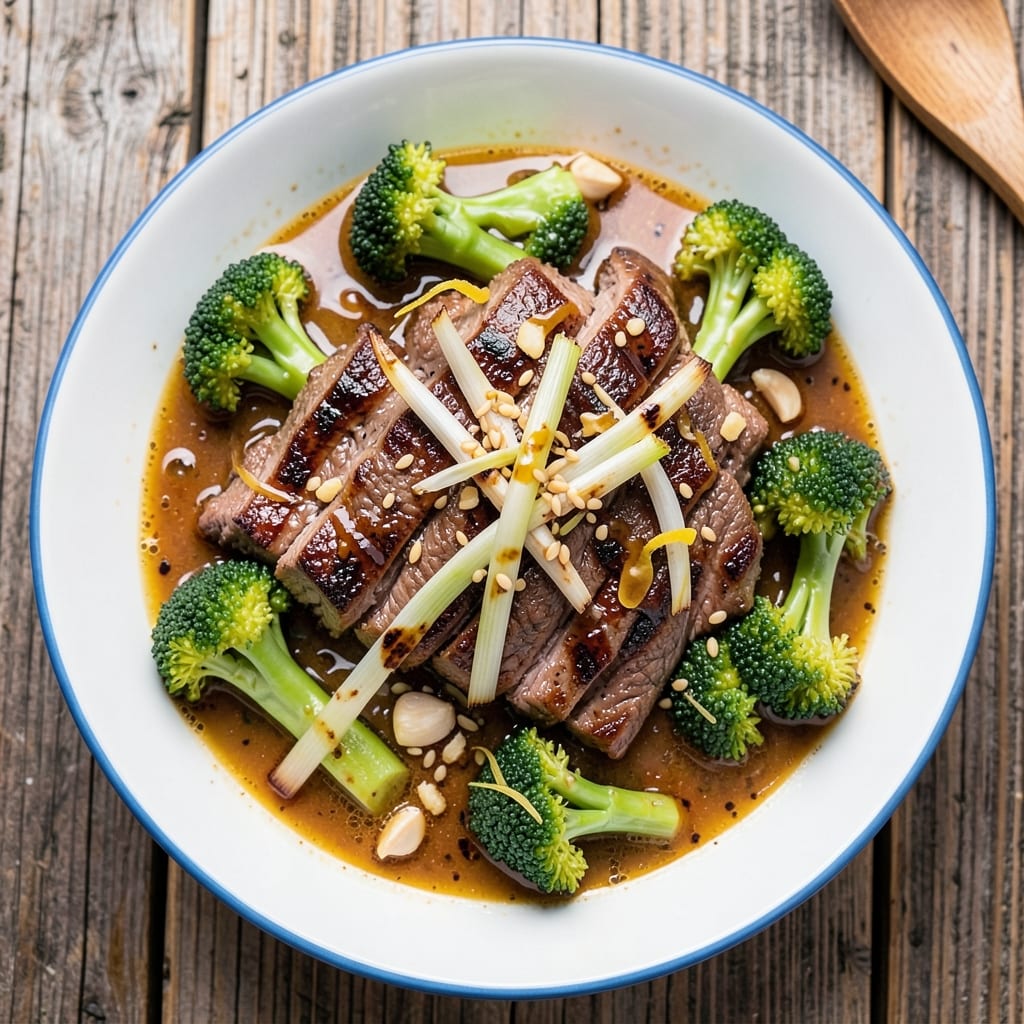
This authentic Thai beef and broccoli delivers restaurant-quality wok heat in just 25 minutes, capturing the bold flavors of lemongrass, ginger, and chili. The secret lies in balancing traditional Thai ingredients—fish sauce, oyster sauce, and garlic—with the smoky wok hei technique that transforms simple beef and broccoli into a fragrant, umami-packed dish. I’ve perfected this recipe after years of testing, ensuring every bite delivers that perfect harmony of sweet, spicy, and savory notes.
The marinade is where the magic begins, tenderizing the beef while infusing it with aromatic lemongrass and garlic. Stir-frying at high heat ensures the beef stays juicy while the broccoli achieves that signature crisp-tender texture. What sets this apart is the layered sauce—thickened just enough to coat the beef and broccoli without overwhelming the dish, leaving behind a glossy, flavorful glaze that clings to every bite.
By the time you plate it, you’ll have a dish that looks as impressive as it tastes: bright green broccoli florets, glossy beef slices, and a sauce that’s rich yet balanced. Serve it over steamed jasmine rice to soak up every last drop, or pair it with a simple cucumber salad for freshness. This isn’t just another beef and broccoli—it’s a taste of Thailand’s bustling street food culture, brought to your kitchen.
Whether you’re cooking for a weeknight dinner or a special occasion, this recipe delivers authentic Thai flavors without the fuss. The ingredients are simple, the technique is straightforward, and the results are undeniably restaurant-worthy. Let’s get cooking!
Ingredients for authentic thai beef and broccoli
Authentic Thai flavors start with these carefully chosen ingredients, balancing heat, sweetness, and umami for restaurant-quality wok heat.
| Ingredient | Amount | Notes |
|---|---|---|
| Flank Steak 🥩 | 1 ½ lb | Thinly sliced against grain |
| Broccoli Florets 🥦 | 2 cups | Fresh, large stems trimmed |
| Lemongrass 🌿 | 1 whole | Stalks only, bruised slightly |
| Fresh Ginger 🌶️ | 2 tbsp | Finely minced, aromatic |
| Garlic Cloves 🧄 | 6 cloves | Minced, not pressed |
| Fish Sauce 🍶 | 2 tbsp | Red Boat brand preferred |
| Oyster Sauce 🍴 | 2 tbsp | High-quality, not imitation |
| Thai Chili Paste 🔥 | 1 tbsp | Maesri or similar |
| Brown Sugar 🍯 | 1 tbsp | Light or dark preferred |
| Sesame Oil 🫒 | 1 tbsp | Toasted, for aroma |
| Vegetable Oil 🫒 | 2 tbsp | High smoke point |
| Lime Juice 🍋 | 2 tbsp | Freshly squeezed |
| Green Onions 🧅 | 3 whole | Thinly sliced, for garnish |
| Jasmine Rice 🍚 | 1 ½ cups | Uncooked, long grain |
| Salt 🧂 | 1 tsp | Diamond Crystal preferred |
| Black Pepper 🌶️ | ½ tsp | Freshly cracked |
The beef is non-negotiable—flank steak delivers the right texture, but sirloin works in a pinch. Slice it thinly against the grain for tenderness. For lemongrass, Asian markets often sell pre-cut stalks, but if buying whole, remove tough outer leaves and bruise the stalks with the flat side of your knife. Red Boat fish sauce is the gold standard here, but Thai Kitchen brand from regular grocery stores works fine. The broccoli should be bright green—avoid any with yellowing florets, as they’ll turn bitter when cooked.
No fish sauce? Soy sauce plus a splash of Worcestershire mimics the umami, though it won’t be identical. Substituting Thai chili paste? Sriracha at half the amount adds heat but lacks complexity. The ginger and garlic are critical—toast the whole cloves in oil for 30 seconds before mincing to deepen their flavor. Brown sugar can be swapped for white sugar or coconut sugar, though the molasses notes in brown sugar enhance the sauce’s depth. For extra authenticity, add a pinch of white pepper to the marinade alongside black pepper.
Marinate the beef for at least 30 minutes—overnight is ideal. Store any unused fish sauce in the fridge for up to 1 year, though once opened, use it within 6 months. The chili paste freezes beautifully for up to 6 months, preserving its heat. Cooked beef and broccoli reheat well—microwave for 1 minute with a splash of water to revive the sauce. The rice keeps for 2 days in the fridge, but the sauce is best used fresh for maximum flavor impact.
Why You'll Love This Recipe
- One-Pan Magic: I swear by this recipe for lazy nights—just sear the steak, toss in the broccoli and aromatics, and let the wok do the work. No chopping boards full of mess, no switching pans every five minutes. That fragrant lemongrass and ginger steam right into the beef while you’re still slicing the garlic.
- Umami Bomb: The moment the garlic hits the hot wok and those ginger slices sizzle—oh man, the aroma alone makes my mouth water. Then the steak caramelizes just enough to stay tender, while the broccoli gets that perfect crisp-tender bite. It’s the kind of dish where every forkful tastes like you’ve been eating at a Thai street stall for a week.
- Lunchbox Hero: Between us, this is my secret weapon for meal prep. Toss the leftovers into rice bowls with a fried egg on top, and suddenly you’ve got a lunch that’ll keep you full until dinner. (Yes, even on a Tuesday night.) The flavors only get better the next day—honestly, the ginger mellows into something deeper.
- Budget Flex: Flank steak stretches further than you’d think when sliced thin, and broccoli’s one of those veggies that’s always affordable. I’ll be real: the lemongrass and fresh ginger might feel like a splurge at first, but a few stalks go a long way. Plus, you’re getting restaurant-quality depth for a fraction of the cost. Worth every penny.
Step-by-step instructions for authentic Thai beef and broccoli
Master this wok technique for restaurant-quality Thai beef and broccoli with bold lemongrass flavors.
Prepare the Flank Steak and Aromatics
Slice the 1.5 lb flank steak thinly against the grain into ¼-inch strips—this ensures tender bites. Pat dry with paper towels to remove surface moisture, which prevents the meat from steaming instead of searing. In a small bowl, combine the 2 tbsp minced fresh ginger, 6 cloves minced garlic, and 1 tbsp brown sugar. Set aside for now.
Bruise the 1 whole lemongrass stalks by pounding gently with the side of a knife—this releases the fragrant oils without breaking the stalks. Cut the stalks into 2-inch pieces and tie them together with kitchen twine. This bundle will infuse the oil with authentic lemongrass aroma.
Build the Flavor Base in the Wok
Heat a wok or large skillet over high heat until smoking, then add 2 tbsp vegetable oil. Once shimmering, add the lemongrass bundle and cook for 30 seconds until fragrant. Remove the bundle and set aside. Add the steak strips to the wok in a single layer, cooking undisturbed for 1-2 minutes until deep brown on one side. Flip and repeat for the other side, then remove and set aside.
In the same wok, add the 2 cups broccoli florets and stir-fry for 2 minutes until bright green and slightly blistered. Return the steak to the wok and add the ginger-garlic-sugar mixture. Stir-fry for 1 minute until the aromatics are fragrant and the steak begins to caramelize.
Create the Signature Thai Sauce
Lower the heat to medium and add 2 tbsp fish sauce, 2 tbsp oyster sauce, 1 tbsp Thai chili paste, and 2 tbsp lime juice. Stir well to combine, letting the sauce simmer for 1 minute until slightly thickened. Taste and adjust seasoning—this is where the authentic Thai balance comes together. The sauce should coat the back of a spoon with a tangy, umami-rich consistency.
Return the lemongrass bundle to the wok and let it steep for 30 seconds to infuse the sauce with its citrusy aroma. Remove and discard the bundle. Stir in 1 tbsp sesame oil and toss everything together for 30 seconds to coat the beef and broccoli evenly. The dish should sizzle with residual heat, creating a glossy finish.
Finish and Serve with Jasmine Rice
Rinse the 1.5 cups jasmine rice thoroughly under cold water, then cook according to package instructions for fluffy, separate grains. While the rice cooks, garnish the beef and broccoli with 3 thinly sliced green onions and a final squeeze of lime juice if desired. The dish should be vibrant, with bright green broccoli, caramelized steak, and a glossy sauce that clings to every bite.
Serve immediately over the jasmine rice, ensuring each serving gets a generous portion of both the rice and the beef-broccoli mixture. The contrast of the fragrant rice with the bold, aromatic beef creates the perfect balance of textures and flavors—just like in an authentic Thai restaurant.
Pro Tips For Making Authentic Thai Beef And Broccoli
- Slice Against the Grain: Flank steak fights you if you cut it wrong—look for the muscle fibers and slice perpendicular to them. Thin strips (¼-inch thick) cook faster and stay tender, but don’t overcrowd the pan or they’ll steam instead of sear.
- Blanch Broccoli First: I learned this the hard way—raw broccoli florets release water and dilute your sauce. Give them a 2-minute blanch in boiling salted water, then shock in ice water. They’ll crisp up perfectly in the stir-fry and won’t turn to mush.
- Pound the Ginger: Fresh ginger loses its punch when minced—it oxidizes fast. Instead, peel and pound it with the flat side of your knife (or a mortar) until it’s a rough paste. This releases more oils and aroma without turning bitter.
- Use Two Stages for Heat: Start with a screaming-hot wok or skillet for the beef—you want a deep sear in 30 seconds. Once the beef is removed, drop the heat to medium-low for the sauce. Rushing the sauce will make it taste raw and unfinished.
Flavor customization for authentic thai beef and broccoli
Spice Level Control
Adjust the heat to your preference by tweaking the Thai chili paste. For mild heat, use ½ tbsp and add ½ tsp honey to balance. For medium heat, stick to the 1 tbsp called for. If you love fiery flavors, increase to 1.5 tbsp and add a pinch of sugar to balance the acidity. I often make a small batch with extra chili paste to serve on the side for those who crave more heat. 🌶️
Sweet & Tangy Twist
For a sweeter, tangier profile, add 1 tbsp tamarind paste or 1 tbsp coconut aminos to the sauce. These ingredients deepen the umami while adding a fruity brightness that pairs beautifully with the beef. If you don’t have tamarind, a splash of pineapple juice (just 1 tbsp) works in a pinch for a tropical twist. 🍍
Umami Boost Options
Elevate the savory depth by adding 1 tsp miso paste or 1 tbsp soy sauce to the marinade. For extra richness, stir in 1 tsp shrimp paste (common in Thai cooking) when building the sauce. If you’re vegetarian, swap shrimp paste for 1 tsp nutritional yeast—it adds a cheesy, umami kick without animal products. 🍜
Herb Variations
Swap out green onions for cilantro or Thai basil when garnishing. For a fresher, more aromatic finish, add 1 tbsp chopped mint or 1 tsp lime zest to the sauce. I love using Thai basil because its anise-like flavor complements the lemongrass beautifully. 🌿
Protein Swaps
Replace flank steak with chicken thighs (marinate for 20 minutes) for a lighter option, or use shrimp (add in the last 2 minutes of cooking) for a seafood twist. For a vegetarian version, swap beef for extra-firm tofu (press and cube before cooking) or mushrooms (shiitake or oyster). 🍤
Texture Adjustments
For extra crispiness, stir-fry the broccoli in 1 tbsp cornstarch before adding it to the wok. If you prefer softer veggies, reduce the stir-fry time to 1.5 minutes. For a crunchy finish, top with toasted cashews or crushed peanuts before serving. 🥜
Nutrition facts
Frequently asked questions
Why does the recipe call for bruising lemongrass instead of chopping it?
Bruising releases the fragrant oils without breaking the tough outer layers, giving you that authentic Thai aroma without bitterness. The bundles also infuse the oil beautifully while cooking—just remove them before serving. Think of it as unlocking the plant's full flavor potential!
Can I make this recipe without a wok?
Use a heavy-bottomed skillet or cast-iron pan—just make sure it gets smoking hot for that signature wok hei (breath of the wok). The key is high heat and minimal stirring to get those beautiful caramelized edges on the beef. A nonstick pan works too, but watch the heat closely to avoid sticking.
How do I adjust the sauce to be less salty?
If the fish sauce makes it too salty, reduce it to 1 tbsp and add 1 tsp honey or ½ tsp sugar to balance. For extra depth without salt, stir in ½ tsp miso paste—it adds umami without increasing sodium. Always taste as you go!
What's the best way to reheat leftovers?
Reheat gently in a skillet with 1 tsp oil over medium-low heat for 3-4 minutes, adding a splash of water to revive the sauce. Microwave for 1 minute (covered) but add a damp paper towel to prevent drying. The beef stays tender when reheated this way—never overcook!
Can I use frozen broccoli instead of fresh?
Fresh broccoli gives the best texture, but if using frozen, thaw and pat completely dry first. Stir-fry for 1 extra minute to crisp the florets—frozen broccoli releases more moisture, which can dilute the sauce. For best results, use high-quality frozen broccoli cut into similar-sized florets.