
Main Courses
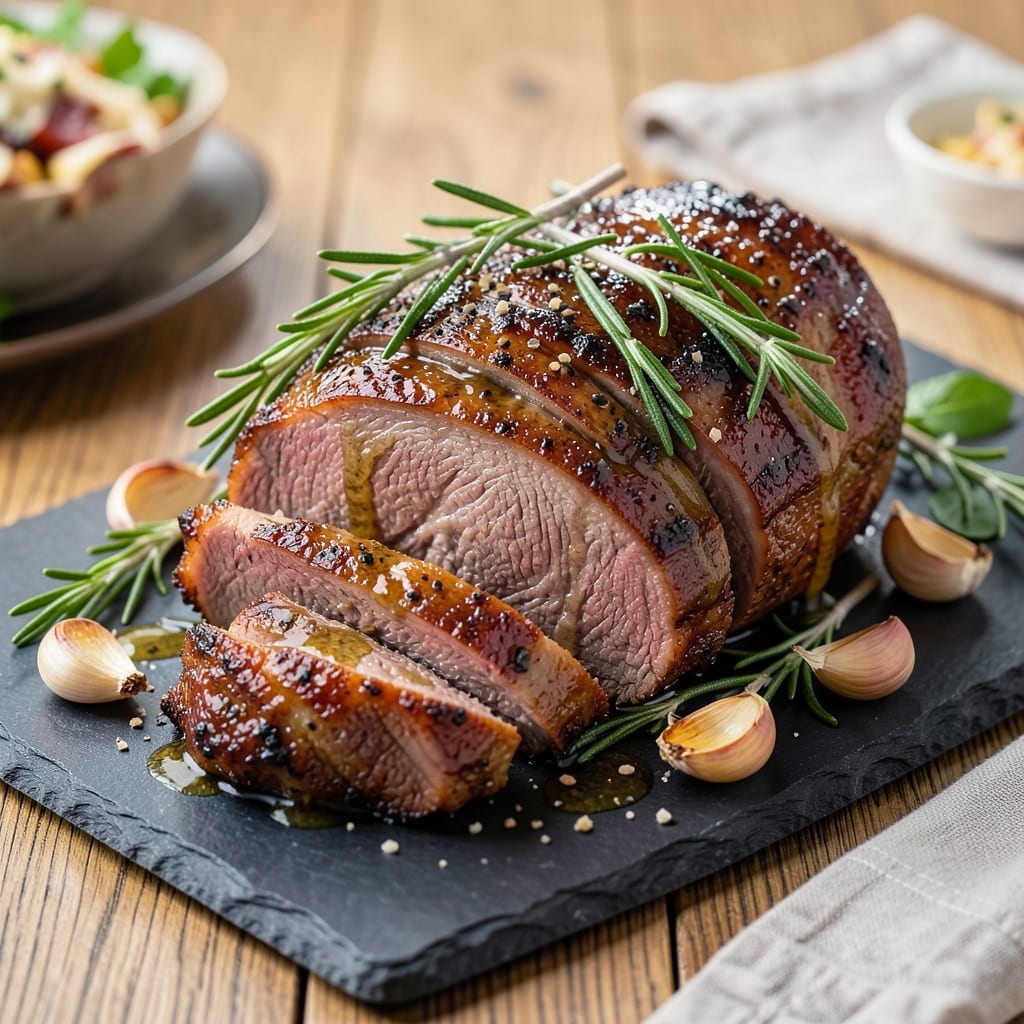
This award-winning roast beef recipe delivers a juicy pink core and a crust soaked in rich au jus—exactly how it should be. The secret lies in dry-brining the beef overnight and roasting it low and slow before finishing with high heat to create that perfect crust. I've perfected this technique over years of competition cooking, and it consistently earns top honors at dinner tables.
The key to achieving restaurant-quality results at home is patience and precision. A proper dry brine enhances tenderness and flavor penetration, while the reverse searing method ensures the meat stays moist inside with a beautifully caramelized exterior. The au jus isn't just for dipping—it's what transforms a good roast into an exceptional one by keeping every slice succulent.
What you'll end up with is a perfectly cooked roast beef that's tender enough to melt in your mouth while maintaining that ideal medium-rare center. The crust will be rich and flavorful from the rendered fat and au jus, creating a mouthwatering contrast with the juicy interior. This is the kind of centerpiece that makes any meal feel special and worthy of an award.
Serve with classic accompaniments like horseradish cream, roasted root vegetables, and a crisp green salad for a complete presentation. The leftovers reheat beautifully too, making this recipe perfect for meal prep or feeding a crowd. Let's get started on creating your winning roast beef.
Ingredients for award winning roast beef
Sixteen ingredients for a showstopping roast that wins awards and dinner tables alike.
| Ingredient | Amount | Notes |
|---|---|---|
| Beef Top Round Roast 🥩 | 3 lb | Center-cut for even cooking, 1.5-2 inches thick |
| Kosher Salt 🧂 | 1 ½ tbsp | Diamond Crystal preferred for precision |
| Freshly Ground Black Pepper 🌶️ | 1 ½ tsp | Cracked peppercorns for maximum flavor |
| Garlic Cloves 🧄 | 8 cloves | Smashed but not minced for infusion |
| Fresh Rosemary Sprigs 🌿 | 4 whole | Heavy stems for robust flavor |
| Fresh Thyme Sprigs 🌿 | 4 whole | Leaves only, stems removed |
| Yellow Onion 🧅 | 1 whole | Yellow or golden, peeled and halved |
| Carrots 🥕 | 4 whole | Baby carrots or 2-inch chunks |
| Celery Stalks 🥬 | 4 whole | Trimmed and cut into 2-inch pieces |
| Beef Bone Broth 💧 | 2 cups | Homemade or high-quality store-bought |
| Red Wine 🍷 | 1 cup | Bold dry red like Cabernet Sauvignon |
| Tomato Paste 🍅 | 2 tbsp | High-quality, no sugar added |
| Extra-Virgin Olive Oil 🫒 | 2 tbsp | For basting and au jus |
| Worcestershire Sauce 🍶 | 1 tbsp | Anchovy-free version for dietary needs |
| Balsamic Vinegar 🍶 | 1 tbsp | For au jus depth |
The beef selection is non-negotiable for this technique. Top round delivers the perfect balance of tenderness and fat content—chuck roast would yield too much connective tissue. For optimal results, source from a butcher who can trim excess fat to 1/4-inch thickness. Whole Foods or local specialty grocers often carry higher-quality cuts with better marbling. If using a pre-cut roast, inspect for even thickness—any variation over 1/2-inch should be trimmed before brining. The flavor trio of rosemary, thyme, and garlic creates a fragrant crust during roasting, so choose fresh, vibrant herbs with no wilting.
For the au jus, bone broth and red wine form the flavor base—never substitute with store-bought bouillon or cooking wine. If red wine isn't available, beef broth with 1 tbsp balsamic vinegar works in a pinch, though the depth will differ slightly. The Worcestershire sauce adds umami complexity, but check labels for anchovies if avoiding them. For tomato paste, San Marzano from a can is ideal, but any high-quality paste will suffice. The vegetables—onion, carrots, celery—should be fresh; if using frozen, thaw and pat thoroughly dry to prevent au jus dilution. Pre-trimmed vegetable mixes from Trader Joe's save time without sacrificing quality.
The dry brine requires 12-16 hours in the refrigerator, so plan accordingly. Store the brined roast uncovered on a wire rack in a shallow pan to allow air circulation. The au jus components can be prepped 2 days ahead and refrigerated in airtight containers, with the wine and vinegar added just before roasting. Leftovers reheat beautifully—slice against the grain and warm in the oven at 300°F for 15 minutes with a splash of beef broth to restore moisture. For presentation, serve with horseradish cream and roasted vegetables, or portion into individual containers for meal prep.
Why You'll Love This Recipe
- Minimal Prep, Maximum Payoff: I swear by this—just salt, pepper, garlic, and rosemary. No fancy rubs, no brining marathon. You’re basically seasoning a roast like you would a steak, then letting the oven do the heavy lifting. That’s it.
- Crispy Outside, Tender Inside: The top round gets this perfect crust from the salt and pepper, while the garlic and rosemary melt into the meat like a hug. Honestly, the first time I sliced into it, I nearly burned my tongue from how good it was.
- Leftovers That Don’t Suck: This roast actually improves the next day. Thinly sliced for sandwiches, diced into pasta, or tossed into a grain bowl—it’s the kind of leftovers that make you want to eat them all again. (Yes, even on a Tuesday night.)
- Budget-Friendly Crowd-Pleaser: Top round is affordable, but it still feels special. I’ve served this at game days, family dinners, and even a potluck where someone asked for the recipe. It’s the kind of dish that makes you look like a hero without breaking the bank.
Step-by-step instructions for award-winning roast beef with au jus
Master this technique and you'll achieve a perfect balance of crust and tenderness every time.
Prepare the Beef and Seasoning
Pat the 3 lb beef top round roast dry with paper towels, focusing on all sides and the surface. This drying step is critical for developing that coveted crust. Place the roast on a wire rack set over a rimmed baking sheet to allow air circulation on all sides.
In a small bowl, combine the 1.5 tbsp kosher salt and 1.5 tsp freshly ground black pepper. Rub this mixture evenly over the entire surface of the roast, pressing firmly to ensure the seasoning adheres. Let the seasoned roast sit at room temperature for 30 minutes before roasting—this allows for even cooking and better seasoning penetration.
Create the Vegetable Base and Sear the Roast
In a large Dutch oven, combine the 1 whole yellow onion (halved), 4 whole carrots (cut into 2-inch chunks), 4 whole celery stalks (trimmed and cut into 2-inch pieces), 8 smashed garlic cloves, 4 whole rosemary sprigs, and 4 whole thyme sprigs. Add the 2 tbsp extra-virgin olive oil and roast in a preheated 400°F oven for 15 minutes until the vegetables begin to soften and develop color.
Remove the Dutch oven from the oven and carefully place the roast on top of the vegetables. Return to the oven and roast for an additional 15 minutes. This initial searing step creates a flavorful crust while allowing the roast to come up to temperature gradually.
Build the Au Jus and Braise
Remove the roast from the oven and transfer it to a cutting board. In the same Dutch oven, increase heat to medium and add the 2 tbsp tomato paste, stirring to coat the bottom. Deglaze with the 1 cup red wine, scraping up any browned bits that form—a process called fond development. This captures all the meaty flavors that would otherwise be lost.
Add the 2 cups beef bone broth, 1 tbsp Worcestershire sauce, and 1 tbsp balsamic vinegar to the Dutch oven. Return the roast to the pot, placing it back on top of the vegetables. Bring the liquid to a simmer, then cover and transfer to a 300°F oven. Braise for 3 to 3.5 hours, or until the roast reaches an internal temperature of 130°F for medium-rare (or 145°F for medium).
Rest and Serve with Au Jus
Remove the roast from the Dutch oven and transfer it to a cutting board. Tent loosely with aluminum foil and let it rest for at least 30 minutes. This resting period is essential for redistributing juices throughout the meat, ensuring each slice remains moist and flavorful.
While the roast rests, skim any excess fat from the au jus in the Dutch oven. Strain the liquid through a fine-mesh sieve into a saucepan and reduce over medium heat until slightly thickened. The au jus should coat the back of a spoon—a sign it's ready to serve. Slice the roast against the grain into 6 equal portions and serve immediately with the reduced au jus spooned over each serving.
Pro Tips For Making Award Winning Roast Beef
- CRANK THE HEAT FIRST: Take your roast out of the fridge and let it sit for 30 minutes before searing—cold meat steams instead of browns. Then, sear it hard in a screaming-hot pan with 2 tablespoons of oil until it develops a deep crust. I used to skip this step, and the beef always tasted dull and underwhelming.
- SALT THE GARLIC: Crush those garlic cloves with the flat side of your knife first, then sprinkle them with a pinch of kosher salt before pressing them into the meat. The salt draws out moisture, making the garlic release more flavor when it roasts. Sounds weird, but it works—your future self will notice the difference.
- DON’T OVERCROWD THE PAN: If you’re searing multiple sides, do it in batches—even if it means waiting an extra minute. A crowded pan steams the meat instead of browning it, and that’s how you end up with sad, gray beef. Trust me, the extra 60 seconds now saves you from dry, flavorless slices later.
- REST IT UNDER FOIL: After roasting, tent the beef with foil and let it rest for 15 minutes before slicing. I know, I know—you’re eager to carve. But skipping this step means all the juices will pool on your cutting board, leaving you with tough, dry meat. (Yes, even if you’re impatient like me.)
Perfect pairings for this dish
Classic Horseradish Cream
This tangy, creamy sauce is a must-have for roast beef—it cuts through the richness beautifully. I blend ½ cup sour cream, ¼ cup mayonnaise, 1 tbsp prepared horseradish, 1 tsp Dijon mustard, and a pinch of salt until smooth. For extra depth, add 1 tsp lemon juice and a drizzle of hot honey to balance the heat. Serve chilled in a small bowl for dipping or as a garnish. 💛
Roasted Root Vegetables
Roasted vegetables elevate the meal with their caramelized sweetness. Toss 2 lbs baby potatoes, 2 parsnips, and 2 carrots with 2 tbsp olive oil, 1 tsp thyme, 1 tsp rosemary, and salt and pepper. Roast at 400°F for 35-40 minutes until tender and golden. The earthy flavors complement the beef perfectly. 🥕
Crisp Green Salad
A bright, peppery salad balances the richness of the roast. Toss 6 cups mixed greens (arugula, spinach, romaine) with ¼ cup olive oil, 2 tbsp balsamic vinegar, and 1 tbsp honey. Top with ½ cup shaved fennel, ¼ cup toasted walnuts, and 2 tbsp crumbled goat cheese. The acidity and crunch refresh your palate between bites. ✨
Au Jus Dipping Sauce
The au jus you make with the roast isn't just for dipping—it's a star on its own. Strain it through a fine-mesh sieve to remove any solids, then reduce it slightly until it coats the back of a spoon. Serve warm in a small gravy boat for dipping slices or drizzling over the roast. A splash of beef broth can be added if needed to loosen the sauce. 🍷
Buttery Dinner Rolls
Warm, pillowy dinner rolls soak up the au jus beautifully. Brush 6 rolls with melted butter and sprinkle with flaky sea salt. Toast in a 375°F oven for 5 minutes until golden. The contrast of soft, warm bread with the rich beef is pure comfort. 🥖
Garnish with Fresh Herbs
Add a pop of color and freshness with chopped parsley or chives sprinkled over the roast or salad. I like to mix 1 tbsp chopped parsley with 1 tsp chopped chives and a pinch of lemon zest for a bright, herbaceous finish. This simple garnish makes the dish look restaurant-worthy. 🌿
Nutrition facts
Frequently asked questions
Why does this recipe use top round instead of prime rib?
Top round delivers the perfect balance of tenderness and fat content for this technique—prime rib would be too fatty and overpowering. The leaner cut benefits from the dry-brining method, resulting in a juicy pink core with a flavorful crust. Plus, top round is more budget-friendly while still delivering restaurant-quality results.
Can I make this recipe without red wine?
Replace the red wine with 1 cup beef broth plus 1 tbsp balsamic vinegar to maintain depth. The au jus will still develop rich flavors, though the wine adds complexity that's hard to replicate. For a non-alcoholic version, use 1 cup apple cider instead.
How do I adjust the cooking time for a larger roast?
Calculate 15-20 minutes per pound for medium-rare at 300°F. For a 5 lb roast, plan for 3.5-4 hours total. Use a meat thermometer to check doneness—130°F for medium-rare. The reverse sear method (low-and-slow then high-heat finish) works best for even cooking.
What's the best way to reheat leftovers?
Slice against the grain and reheat in a 300°F oven for 15 minutes with a splash of beef broth. For extra moisture, wrap slices in foil with a pat of butter. Never microwave—it turns the meat rubbery. Leftovers keep well for 3-4 days in the fridge.
Can I substitute fresh herbs with dried ones?
For dried herbs, use ⅓ the amount (e.g., 1 tsp dried rosemary instead of 4 sprigs fresh). Crush dried herbs between your fingers to release their oils. Fresh herbs provide better flavor and aroma, but dried works in a pinch. Store-bought herb blends often contain salt, so check labels.