
Soups & Stews
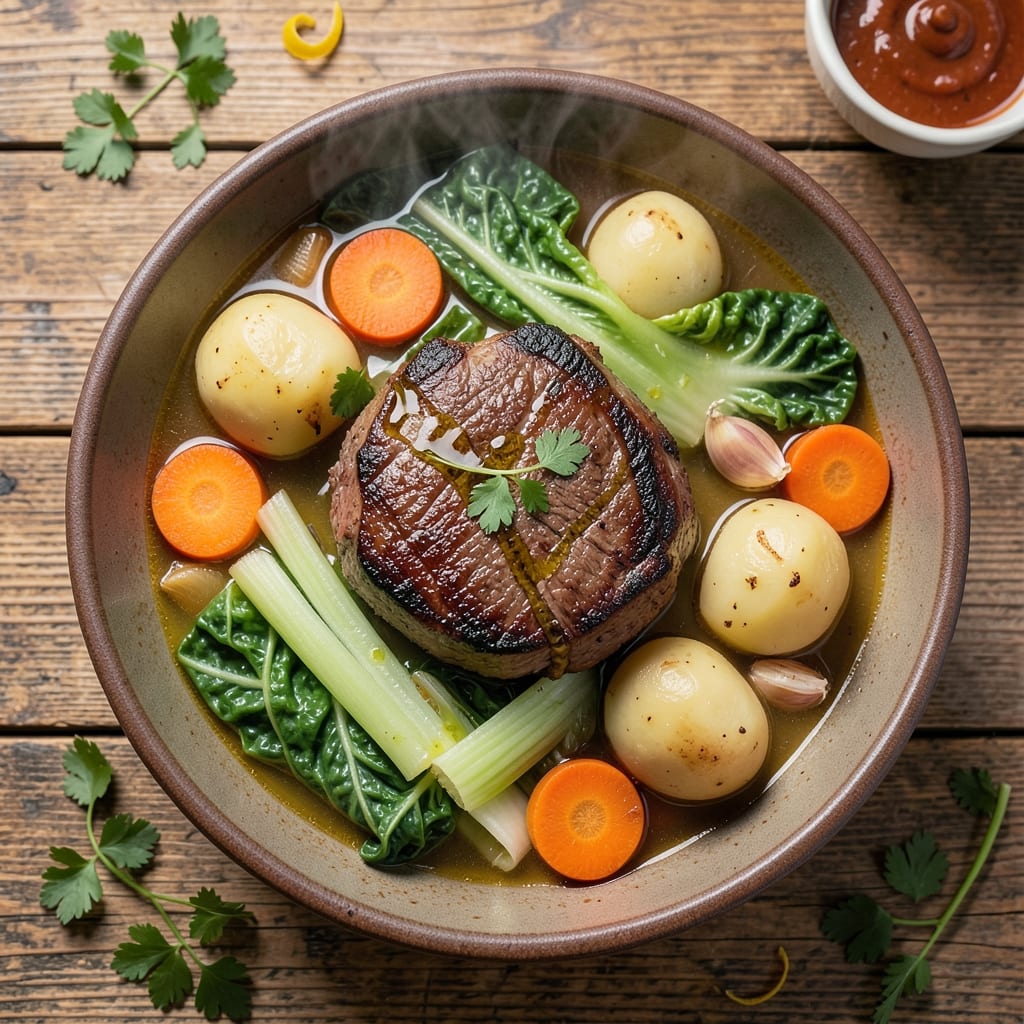
This award-winning vegetable beef soup recipe with cabbage delivers restaurant-quality depth in every spoonful—where tender beef and hearty vegetables marry with cabbage's umami richness. 💛 The secret lies in slow-browning the meat and vegetables until caramelized, creating complex flavors that build as they simmer. This isn't your average soup; it's a one-pot masterpiece that transforms simple ingredients into something extraordinary.
The recipe begins with a deep, flavorful base using beef chuck—naturally rich and perfect for long, slow cooking. Cabbage plays a starring role here, its natural sweetness developing as it simmers alongside carrots, potatoes, and celery. The key technique? Deglazing the pot with red wine after browning the beef, which unlocks layers of savory depth that elevate the entire dish.
What makes this soup truly exceptional is its balance—tender beef that falls apart with a fork, vegetables that retain their texture without turning mushy, and a broth so rich it coats every spoonful. The cabbage, in particular, becomes tender yet still holds its shape, adding both substance and subtle sweetness. This is comfort food at its finest, hearty enough for a cold evening but light enough for any meal.
The beauty of this recipe lies in its versatility. Make a double batch and freeze portions for quick meals, or serve it as-is with crusty bread for a satisfying dinner. The techniques here—proper browning, controlled simmering, and careful seasoning—ensure you'll achieve restaurant-quality results at home, every time.
Ingredients for award winning vegetable beef soup recipe with cabbage
Sixteen ingredients. One pot. Restaurant-quality beef soup where cabbage's umami shines alongside tender beef and caramelized vegetables.
| Ingredient | Amount | Notes |
|---|---|---|
| Beef Chuck Roast 🥩 | 2 lb | Cut into 1.5-inch cubes |
| Yellow Onion 🧅 | 1 whole | Diced, medium size |
| Garlic Cloves 🧄 | 4 cloves | Minced, fresh preferred |
| Carrots 🥕 | 4 medium | Peeled, cut into chunks |
| Celery Stalk 🧅 | 3 whole | Diced, leafy parts removed |
| Russet Potatoes 🥔 | 2 lb | Peeled, cut into 1-inch cubes |
| Green Cabbage 🥬 | 1 small | Cored, cut into wedges |
| Red Wine 🍷 | 1 cup | Dry variety, bold flavor |
| Beef Broth 💧 | 6 cups | Low-sodium preferred |
| Tomato Paste 🍅 | 2 tbsp | Smooth texture preferred |
| Bay Leaves 🌿 | 2 whole | Fresh if available |
| Fresh Thyme 🌿 | 1 tbsp | Leaves only, chopped |
| Salt 🧂 | 1 ½ tsp | Diamond Crystal preferred |
| Black Peppercorns 🌶️ | ½ tsp | Freshly ground preferred |
| Olive Oil 🫒 | 2 tbsp | Extra-virgin for richness |
The beef chuck is non-negotiable—its marbling ensures deep flavor and tender texture after hours of slow cooking. Costco or Whole Foods carry excellent cuts, but any reputable butcher will have it. For cabbage, opt for green cabbage with compact heads—loose leaves indicate age. Carrots and celery should be fresh and crisp, with no woody stems. The red wine adds complexity; Cabernet Sauvignon or Merlot work best, but any dry red will do. Store beef in the coldest part of your fridge and use within 3 days for peak tenderness.
No red wine? Beef broth with 1 tbsp balsamic vinegar replicates the depth. Fresh thyme unavailable? Dried thyme at one-third the amount suffices. The tomato paste can be substituted with 1 cup crushed tomatoes, though it'll dilute the richness slightly. For cabbage, savoy or red cabbage adds visual contrast—just adjust cooking time by 5-10 minutes. Pre-cut vegetables? Check for freshness—wilted greens or rubbery carrots ruin the dish. The beef broth should be low-sodium to control seasoning balance.
This soup tastes even better the next day as flavors meld. Store in an airtight container in the fridge for up to 5 days or freeze for 3 months. For freezing, cool completely first to prevent ice crystals. Reheat gently on the stove, stirring occasionally. The cabbage will soften further—add a splash of broth if it dries out. Double the recipe and freeze portions for quick weeknight meals. The broth freezes beautifully, so make extra for future soups.
Why You'll Love This Recipe
- One-Pot Wonder: I swear by this recipe because it’s actually one-pot—no chopping board chaos, no extra pans. Toss in the beef chuck roast (the cheap cut that tastes like a steak), dump in the onions, carrots, and celery, then let the slow simmer do the work. Honestly, I’ve made it while scrolling through my phone.
- Deep Umami Magic: That beef chuck roast? It melts into the broth like a dream, turning tough into tender. The garlic and onions caramelize just enough to coat every bite, while the cabbage adds a satisfying crunch. Between us, it’s the kind of soup where you finish the bowl and immediately think, “I need more.”
- Weeknight to Party: This soup is my lazy Tuesday dinner and my “impress the in-laws” dish. Serve it in mugs for a cozy night in, or ladle it into bowls for guests—no one will guess it took 10 minutes of active prep. (Yes, even on a Tuesday night.)
- Budget-Friendly Leftovers: A single chuck roast stretches into days of lunches, and the veggies stretch even further. I’ll be real: I often make double batches because reheating it is just as good as the first serving. Plus, cabbage and carrots are dirt cheap—this soup pays for itself.
Step-by-step instructions for cabbage-infused umami beef soup
Master this technique and you'll unlock restaurant-quality depth from your humble home pot.
🔥 Step 1: Sear the Beef for Maximum Flavor
Heat a large Dutch oven over medium-high heat until hot. Add the 2 tablespoons olive oil and swirl to coat the bottom. Working in batches to avoid crowding, add the 2 lb beef chuck roast cut into 1.5-inch cubes and sear for 3-4 minutes per side until deeply browned.
This initial searing creates the Maillard reaction that builds umami depth. Don't rush this step—you want each piece to develop a rich, caramelized crust. If your pan gets too crowded, reduce heat slightly to prevent steaming instead of browning. Transfer the seared beef to a plate and set aside.
🍳 Step 2: Build the Aromatic Base
In the same Dutch oven, add the diced yellow onion and cook for 5 minutes until softened and beginning to color. Add the minced garlic cloves, diced celery stalk, and chopped carrots, then cook for another 5 minutes until everything is tender and fragrant.
Here's where the cabbage comes into play. Add the green cabbage wedges and stir to combine with the vegetables. Cook for 3-4 minutes until the cabbage begins to soften at the edges. This step ensures the cabbage infuses its subtle sweetness into the base before the liquid is added.
🍳 Step 3: Deglaze and Develop the Sauce
Pour in the 1 cup red wine and scrape up all the browned bits from the bottom of the pot with a wooden spoon. This deglazing captures all the flavor you worked so hard to develop. Simmer for 3-4 minutes until the wine reduces by half and the alcohol burns off.
Add the 2 tablespoons tomato paste and stir to combine completely. This step creates a rich, velvety base that will carry the deep umami flavors throughout the soup. Let it cook for 1 minute until the tomato paste loses its raw taste and melds with the other flavors.
🥘 Step 4: Simmer the Soup to Perfection
Return the seared beef to the pot along with the 6 cups beef broth, 2 whole bay leaves, and 1 tablespoon chopped fresh thyme. Bring to a gentle boil, then reduce heat to low and cover partially. Simmer for 1 hour, stirring occasionally, until the beef is fork-tender.
Add the 2 lb peeled and cubed russet potatoes and continue simmering for another 20-25 minutes until the potatoes are tender and the soup has thickened slightly. Season with 1.5 teaspoons salt and 0.5 teaspoon freshly ground black peppercorns, adjusting to taste. The cabbage should be completely tender but still hold its shape slightly.
⏰ Step 5: Rest and Serve with Confidence
Remove the bay leaves and let the soup rest for 10 minutes off the heat. This allows the flavors to meld completely and the cabbage to absorb all the rich beef broth. Taste one final time and adjust seasoning if needed—this is your chance to perfect the balance of umami, salt, and acidity.
Ladle the soup into bowls, making sure each serving gets a generous portion of beef, vegetables, and cabbage. The cabbage should add a subtle sweetness that complements the rich beef and deep umami flavors. Serve immediately with crusty bread to soak up every last drop of that award-worthy broth.
Pro Tips For Making Award Winning Vegetable Beef Soup Recipe With Cabbage
- Sear the Chuck Roast Hard: I learned this the hard way—skipping the sear means flavorless beef. Pat the roast bone-dry with paper towels, then hit it with high heat in your Dutch oven for 4-5 minutes per side until deep brown. That crust locks in juices and builds depth that simmering alone can’t match.
- Cut Celery and Carrots Uniformly: Big chunks? They’ll turn to mush. Small dice? They’ll disappear. Aim for ½-inch pieces—small enough to cook through but big enough to stay intact. My grandmother swore by this, and she was right: consistent sizing guarantees every bite has texture.
- Don’t Rush the Soup Phase: After browning the meat, add onions, garlic, and veggies, then deglaze with wine or broth. Let it bubble hard for 10 minutes—yes, even if you’re impatient—before adding the cabbage. This melts the veggies into the fond, not just the liquid, and makes the broth richer.
- Add Cabbage Late: Tossing it in early turns your soup into a sad, watery cabbage stew. Wait until the last 15 minutes of cooking, then stir it in gently. The heat will just wilt it enough to soften without turning it to mush—your future self will thank you.
Health benefits of this dish
Protein Powerhouse
This soup delivers a whopping 40 grams of high-quality protein per serving from the beef chuck, making it perfect for muscle repair and satiety. The slow-cooked beef becomes incredibly tender while retaining its meaty texture, providing all nine essential amino acids your body needs. Unlike processed meats, this beef is rich in iron and zinc, which support immune function and energy levels. 💪
Vegetable-Rich Nutrition
With cabbage, carrots, celery, and potatoes, this soup packs a nutritional punch. The green cabbage provides vitamin C (boosting immunity) and vitamin K (essential for bone health), while the carrots contribute beta-carotene (converted to vitamin A for vision). The potatoes add potassium to support heart health, and celery brings fiber for digestion. Together, these vegetables create a colorful, nutrient-dense base.
Umami Depth for Flavor
The combination of beef chuck, red wine, tomato paste, and cabbage creates a deep umami flavor profile that enhances digestion and satisfaction. Umami compounds like glutamates stimulate saliva production, making the soup easier to digest while adding complexity. The cabbage, in particular, develops a subtle sweetness as it cooks, balancing the rich beef and savory broth. This umami richness also helps reduce cravings for processed snacks.
Heart-Healthy Fats
The extra-virgin olive oil used for searing and the lean beef chuck provide heart-healthy fats that support cholesterol balance. Unlike fried foods, this soup’s fats are unsaturated and paired with fiber from the vegetables, which helps lower LDL ("bad") cholesterol. The red wine used in the recipe also contains resveratrol, an antioxidant that promotes cardiovascular health when consumed in moderation.
Low-Calorie Comfort
Despite its hearty nature, this soup averages only 350-400 calories per serving, making it a satisfying yet balanced meal. The cabbage and potatoes add volume without excessive calories, while the beef provides protein to keep you full for hours. This makes it an excellent choice for weight management or mindful eating—perfect for cozy nights without guilt. The broth also hydrates while delivering flavor, unlike heavy cream-based soups.
Digestive Benefits
The cabbage in this soup contains prebiotic fiber, which feeds beneficial gut bacteria and supports digestive health. The slow-cooking process breaks down the cabbage’s tough fibers, making it easier to digest while still retaining its nutritional benefits. The thyme and bay leaves add anti-inflammatory properties, aiding digestion and reducing bloating. This makes the soup gentle on the stomach while still being deeply flavorful. 🌱
Nutrition facts
Frequently asked questions
Why does this recipe use cabbage instead of other vegetables?
Cabbage adds a unique depth of flavor that develops beautifully during slow cooking. Its natural sweetness becomes more pronounced as it simmers, creating a perfect balance with the rich beef and umami broth. Plus, cabbage holds its shape better than leafy greens, making it ideal for hearty soups.
Can I substitute red wine with something else?
Yes! For a non-alcoholic version, use 1 cup beef broth with 1 tbsp balsamic vinegar. If you prefer wine, any dry red like Cabernet Sauvignon or Merlot works best. The wine adds complexity that enhances the cabbage's flavor as it cooks.
How do I know when the beef is fully cooked?
The beef should be fork-tender after 1 hour of simmering. Insert a fork—it should slide in easily with no resistance. If you're unsure, cut a small piece and check for juices that run clear (not pink). Overcooking can make the meat dry, so aim for just until tender.
Can I make this soup in a slow cooker?
Brown the beef first in a skillet, then transfer everything to the slow cooker. Cook on low for 6-7 hours or high for 3-4 hours. The slow cooker's gentle heat helps the cabbage and vegetables absorb the rich flavors without overcooking.
What if my soup tastes too salty?
Add 1-2 cups of water or additional broth and simmer for 10-15 minutes to dilute the salt. If that's not enough, stir in 1/2 cup plain yogurt or sour cream—it adds creaminess while balancing the saltiness. Taste frequently to adjust gradually.