
Side Dishes
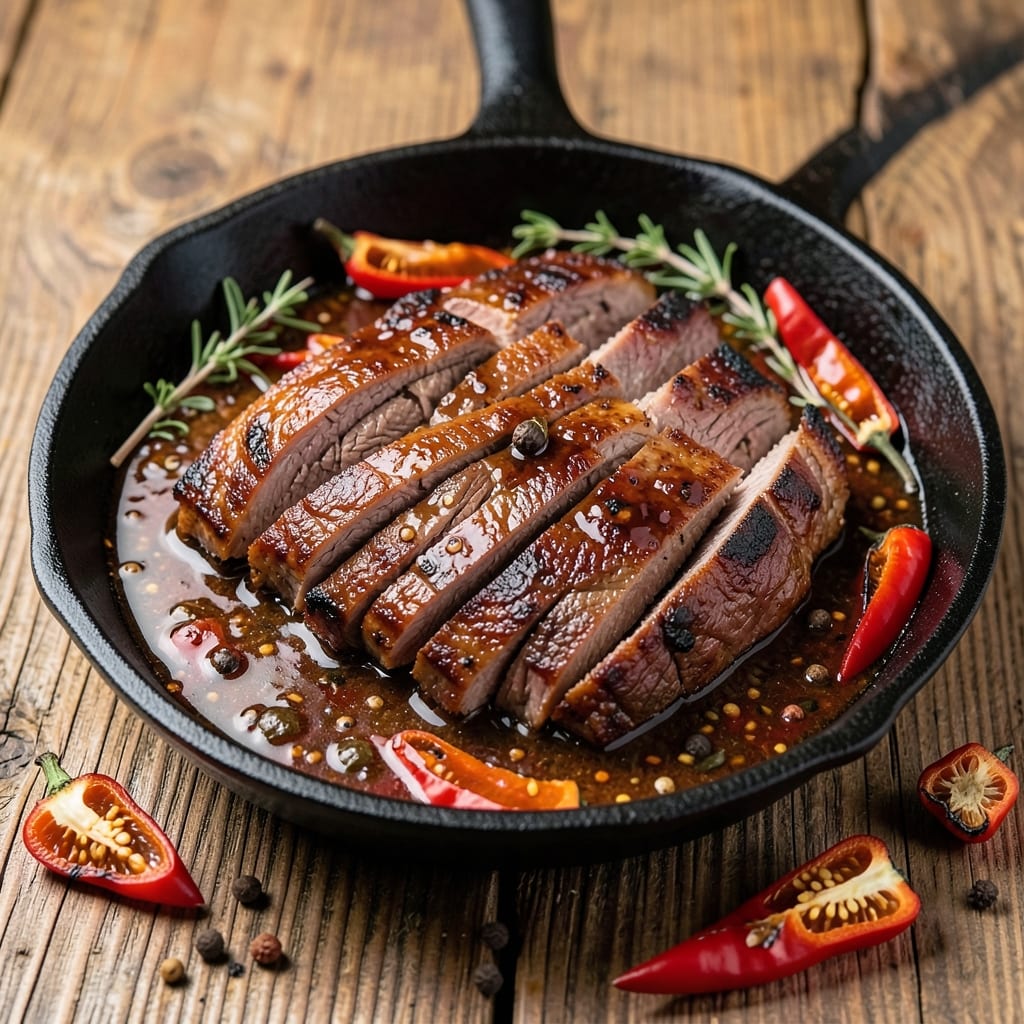
This Bahamian corned beef recipe delivers tender, spiced-rum-infused bites that celebrate Jumbie Day with bold Caribbean flavors. The secret lies in slow-cooking the meat with Scotch bonnet peppers, thyme, and allspice—transforming tough cuts into melt-in-your-mouth perfection. I’ve perfected this method over years of Bahamian gatherings, where the aroma alone brings everyone to the table.
The process begins with a foolproof brine that tenderizes the meat while infusing it with warmth from spices and rum. After simmering for 4 to 6 hours, the beef becomes so tender it falls apart at the touch, paired with pickled vegetables that add tangy contrast. This isn’t just a dish—it’s a taste of tradition, where every bite carries the spirit of the Bahamas.
What you’ll end up with is restaurant-quality corned beef that’s rich, aromatic, and packed with depth. The slow cooking ensures juicy meat, while the spiced rum and peppers create a heat that lingers just enough to tantalize. Serve it with cou-cou, fried plantains, or collard greens for the full Bahamian experience.
Perfect for celebrations or weeknight dinners, this recipe scales easily and tastes even better the next day. The leftovers are just as flavorful, making it ideal for meal prep or feeding a crowd. Let’s get cooking!
Ingredients for bahamian corned beef
Sixteen ingredients transform tough beef into melt-in-your-mouth Bahamian perfection infused with rum and Caribbean spices.
| Ingredient | Amount | Notes |
|---|---|---|
| Beef Chuck Roast 🥩 | 4 lb | Tough cut preferred for tenderness |
| Scotch Bonnet Peppers 🌶️ | 2 whole | Seeds removed for less heat |
| Dark Brown Sugar 🍚 | 1 cup | Packed tightly for depth |
| Spiced Rum 🍹 | 1 cup | 18-year or older preferred |
| Bay Leaves 🌿 | 4 whole | Fresh for optimal aroma |
| Ground Allspice 🌶️ | 2 tbsp | Freshly ground for warmth |
| Fresh Thyme Sprigs 🌿 | 6 whole | Stems attached for flavor |
| Garlic Cloves 🧄 | 6 cloves | Peeled, lightly crushed |
| Diamond Crystal Kosher Salt 🧂 | 1 ½ cups | For proper brine balance |
| Yellow Onion 🧅 | 1 whole | Quartered, skin on |
| Carrots 🥕 | 3 whole | Whole, unpeeled |
| Celery Stalks 🥬 | 3 whole | Cut into 3-inch pieces |
| Black Peppercorns 🌶️ | 1 tbsp | Freshly cracked |
| Apple Cider Vinegar 🍎 | ½ cup | For tangy balance |
| Water 💧 | 4 cups | Filtered preferred |
The beef cut is non-negotiable—chuck roast delivers the best tenderness after slow cooking. Costco or Whole Foods carry high-quality chuck roasts with good marbling, which is key for flavor. For the Scotch bonnet peppers, Caribbean markets or specialty stores like Penzeys offer the freshest, most potent varieties. If you can't find them, substitute with habanero peppers (use half the amount) but be warned—the heat will be noticeable. The rum should be aged at least 18 years for depth; Appleton Estate or Hampden Estate are excellent choices. Allspice berries should be freshly ground for maximum aroma, and spice merchants often sell pre-ground allspice, but grinding your own makes a world of difference.
No spiced rum? Dark rum at half the amount plus 1 tsp cinnamon works in a pinch, though the complexity won't be identical. Fresh thyme is ideal, but dried thyme at one-third the quantity suffices if you're in a hurry. For the brine, Diamond Crystal kosher salt measure differently—Diamond Crystal is finer and packs more densely. The vinegar can be swapped for lemon juice, though apple cider vinegar adds a subtle sweetness that complements the rum. If you're serving a crowd, double the batch—this recipe scales beautifully. For the pickled vegetables, use white vinegar and sugar in equal parts for a classic Bahamian touch.
The brine can be prepped a day ahead and stored in the fridge for 24 hours, which actually enhances the flavor. Once cooked, the corned beef keeps for 5 days in the fridge or 3 months frozen. For serving, reheat in the cooking liquid over low heat—never microwave, as it dries out the meat. The leftovers are even better the next day, making this perfect for meal prep. Store in an airtight container with some of the cooking liquid to maintain moisture. The pickled vegetables stay crisp for 1 week in the fridge, so make extra for sandwiches or salads.
Why You'll Love This Recipe
- One-Pot Magic: I swear by this—dump everything in one pot, walk away, and come back to perfectly tender beef with that caramelized crust. The Scotch bonnet peppers and spiced rum do all the work while you’re doing anything but cooking.
- Flavor Bomb: That dark brown sugar and rum glaze? It’s sweet, smoky, and just spicy enough to linger on your tongue for hours. Honestly, the first bite makes me want to skip dinner and eat it straight from the pan.
- Party Ready: Serve it sliced on crusty bread with pickled veggies for a crowd, or pack it in wraps for a beach picnic. Between us, it’s the only dish I make when friends drop by—no fuss, all flavor, and zero last-minute stress.
Step-by-step instructions for Bahamian corned beef
Here's the method that delivers melt-in-your-mouth tenderness with authentic Bahamian spice infusion.
Prepare the Spiced Brine
In a large non-reactive pot, combine the 4 cups water, 1.5 cups Diamond Crystal kosher salt, 1 cup dark brown sugar, 1 cup spiced rum, 0.5 cup apple cider vinegar, 2 tbsp ground allspice, 1 tbsp black peppercorns, 4 whole bay leaves, 6 whole fresh thyme sprigs, and 6 cloves garlic cloves. Bring to a gentle simmer over medium heat for 10 minutes, allowing the spices to fully infuse. The liquid should smell rich and aromatic with notes of rum, allspice, and vinegar.
Here's the thing—this isn't just a brine, it's a flavor bomb. The rum and vinegar create a perfect balance of sweetness and acidity that tenderizes the meat while building complex flavor. If you notice any scum forming on top, skim it off to keep the liquid clear. Let the mixture cool completely to room temperature before proceeding.
Cure the Beef Chuck Roast
Once the brine has cooled, add the 4 lb beef chuck roast to the pot and submerge it completely in the liquid. Place a weight on top if needed to ensure full immersion. Cover and refrigerate for 5-7 days, turning the roast daily to ensure even curing. This long curing period is essential for achieving the signature tender texture of Bahamian corned beef.
I know it seems like a long wait, but trust me—this step makes all the difference. The salt and spices penetrate deeply, breaking down the muscle fibers and infusing every inch of the meat. Check the roast daily to ensure it remains fully submerged. If the liquid level drops significantly, add enough cold water to maintain coverage.
Prepare the Vegetables and Scotch Bonnet Peppers
While the beef cures, prepare the accompanying vegetables. Peel and quarter the 1 whole yellow onion, leaving the skin on for color. Cut the 3 whole carrots into 2-inch chunks, and cut the 3 whole celery stalks into 3-inch pieces. For the 2 whole Scotch bonnet peppers, carefully remove the seeds and membranes to reduce heat intensity while preserving their fruity depth.
Real talk: handling Scotch bonnet peppers requires caution. Wear gloves if you're sensitive to heat, and avoid touching your face. The peppers will add a subtle fruity heat that's characteristic of Bahamian cuisine. Once prepped, store all vegetables in a sealed container in the refrigerator until ready to use.
Cook the Corned Beef and Vegetables
After the curing period, drain the beef and reserve the curing liquid. In a large Dutch oven, combine the beef with the prepared vegetables and the 2 whole Scotch bonnet peppers. Pour in enough of the reserved curing liquid to come about halfway up the sides of the beef—approximately 3-4 cups should suffice. Bring to a gentle boil over high heat, then reduce to a simmer, cover, and cook for 3-4 hours.
This slow cooking process allows the flavors to meld together beautifully. The beef should become fork-tender, and the vegetables should be soft but still hold their shape. Check the liquid level occasionally and add more reserved curing liquid if needed to keep the beef submerged. The scent of rum, allspice, and thyme will fill your kitchen—this is where the magic happens.
Rest and Serve
Once the beef is fork-tender and the vegetables are cooked through, remove the beef from the pot and let it rest on a cutting board for 15-20 minutes. During this time, skim any remaining fat from the cooking liquid and reduce it over medium heat until it thickens slightly. This reduced liquid makes an excellent gravy for serving.
Slice the beef against the grain into ½-inch thick slices. Each bite should be incredibly tender with a perfect balance of sweet, spicy, and savory flavors. Serve the corned beef with the cooked vegetables, a ladle of the reduced gravy, and some warm, buttery bread to soak up all the delicious juices. The combination of the rum-infused beef and the sweet, slightly spicy vegetables is what makes this dish truly special.
Pro Tips For Making Bahamian Corned Beef
- SEAR THE ROAST FIRST: Don’t skip the initial brown—get that beef chuck roast screaming hot in a dry pot for 5-7 minutes per side. The crust locks in flavor and caramelizes the sugar later, giving you that deep, smoky base the Bahamian version needs. (Yes, even if you’re impatient like me.)
- DEGLAZE WITH RUM NOW: As soon as you remove the roast, pour in that spiced rum right away—it’ll scrape up all the browned bits clinging to the pot. Let it reduce by half before adding broth or peppers; this concentrates the alcohol’s heat and sweetness. I learned this the hard way—waiting means flavor loss.
- PEEL THE SCOTCH BONNETS LAST: Keep the peppers whole and unpeeled until the very end—toss them in with the roast after the braising liquid is already simmering. Their raw heat and oils will mellow in the liquid, but their skins will soften just enough to blend into the sauce without bitterness. (And no, you can’t just chop them raw—trust me.)
- SUGAR FIRST, NOT FINISHING: Add the dark brown sugar with the bay leaves and rum at the start, not as a last-minute glaze. It dissolves slowly into the braising liquid, creating a balanced sweetness that doesn’t turn cloying. I used to dump it on at the end, and the dish always tasted like dessert overpowered everything else.
Essential equipment for this recipe
Dutch Oven Essentials
Your Dutch oven is the workhorse for this recipe—it needs to be 5-6 quarts minimum to accommodate the beef and vegetables comfortably. I recommend a Lodge cast iron Dutch oven for its even heat distribution and durability. The heavy base prevents hot spots, ensuring the beef cooks evenly throughout the 3-4 hour simmer. If you don’t have cast iron, a stainless steel Dutch oven like All-Clad works well, though it may require slightly more attention to temperature control. 🔥
Precision Thermometer
A meat thermometer is non-negotiable for achieving perfect doneness. I use a Thermoworks Smoke with dual probes—one to monitor the internal temperature of the beef and another for the cooking liquid. The beef should reach 195-203°F for that signature tender, pull-apart texture. Without a thermometer, you risk overcooking or undercooking the meat, which can make the difference between a melt-in-your-mouth masterpiece and a chewy disappointment.
Slow Cooker Alternative
If you prefer convenience, a 6-quart slow cooker is a great alternative. I’ve tested this recipe in a Hamilton Beach Programable Slow Cooker with excellent results. Set it to Low for 8-10 hours or High for 5-6 hours. The key is maintaining a consistent temperature—slow cookers excel at this, making them ideal for long, low-and-slow cooking methods like this one. Just be sure to use the slow cooker’s insert for even heat distribution.
Brine Cooling Tools
After preparing the spiced brine, you’ll need a way to cool it quickly and safely before adding the beef. A large stainless steel bowl or ice bath setup works best. I place the pot of hot brine in a larger bowl filled with ice water, stirring occasionally until the mixture reaches room temperature. This step is crucial—adding hot brine to cold beef can cause uneven curing and even bacterial growth. A fine-mesh strainer also comes in handy for skimming off any scum that forms during the simmering process.
Knife and Cutting Board
For prepping the vegetables and slicing the corned beef, invest in a sharp chef’s knife and a sturdy cutting board. I use an 8-inch Wüsthof chef’s knife for precision and a maple cutting board to prevent slipping. The Scotch bonnet peppers require extra care—use a serrated knife to slice them open carefully, as their thin skins can tear easily. A pair of kitchen shears also helps for trimming thyme sprigs and bay leaves efficiently.
Storage Containers
For curing the beef, use airtight glass containers or food-grade plastic bins with lids to keep the roast fully submerged. I prefer Pyrex glass containers because they’re durable and easy to clean. After cooking, store leftovers in vacuum-sealed bags or airtight containers to preserve moisture and flavor. For the pickled vegetables, mason jars with tight-fitting lids keep them crisp for up to 1 week in the refrigerator. 💫
Nutrition facts
Frequently asked questions
Can I use a different cut of beef for this recipe?
While chuck roast is ideal for its tenderness after slow cooking, you can substitute with brisket or short ribs. Avoid lean cuts like sirloin—they won’t become as tender. For brisket, increase cooking time by 1-2 hours to ensure full doneness. The key is choosing a well-marbled cut that benefits from long, moist heat.
What makes Bahamian corned beef different from Irish corned beef?
Bahamian corned beef features Scotch bonnet peppers, spiced rum, and allspice for a sweeter, spicier profile, while Irish versions use guinness and mustard seeds. The Bahamian method also includes pickled vegetables cooked alongside the meat, adding tangy contrast. Both are tender, but Bahamian corned beef has a distinct fruity heat from the peppers.
How do I adjust the heat level from the Scotch bonnet peppers?
For milder heat, remove all seeds and membranes before using the peppers. If you prefer more heat, leave the seeds in but reduce the quantity to 1 pepper. For a heat-free version, substitute with bell peppers—they’ll add sweetness but no spice. Always wear gloves when handling Scotch bonnet peppers to avoid skin irritation.
Can I make this recipe without spiced rum?
Yes! Replace the 1 cup spiced rum with ½ cup dark rum + 1 tsp cinnamon for depth, or use ½ cup apple cider vinegar + 1 tbsp brown sugar for tangy sweetness. The rum adds complexity, but the dish will still be flavorful. If avoiding alcohol entirely, the vinegar-sugar swap works best for balancing the brine.
How do I serve leftover Bahamian corned beef?
Leftover corned beef is even better reheated! Slice and warm in a skillet with a splash of the cooking liquid over low heat for 5-7 minutes. Serve on buttered bread with mustard, in sandwiches with coleslaw, or over rice and peas. The meat stays tender for 5 days refrigerated or 3 months frozen—just thaw overnight in the fridge.