
Main Courses
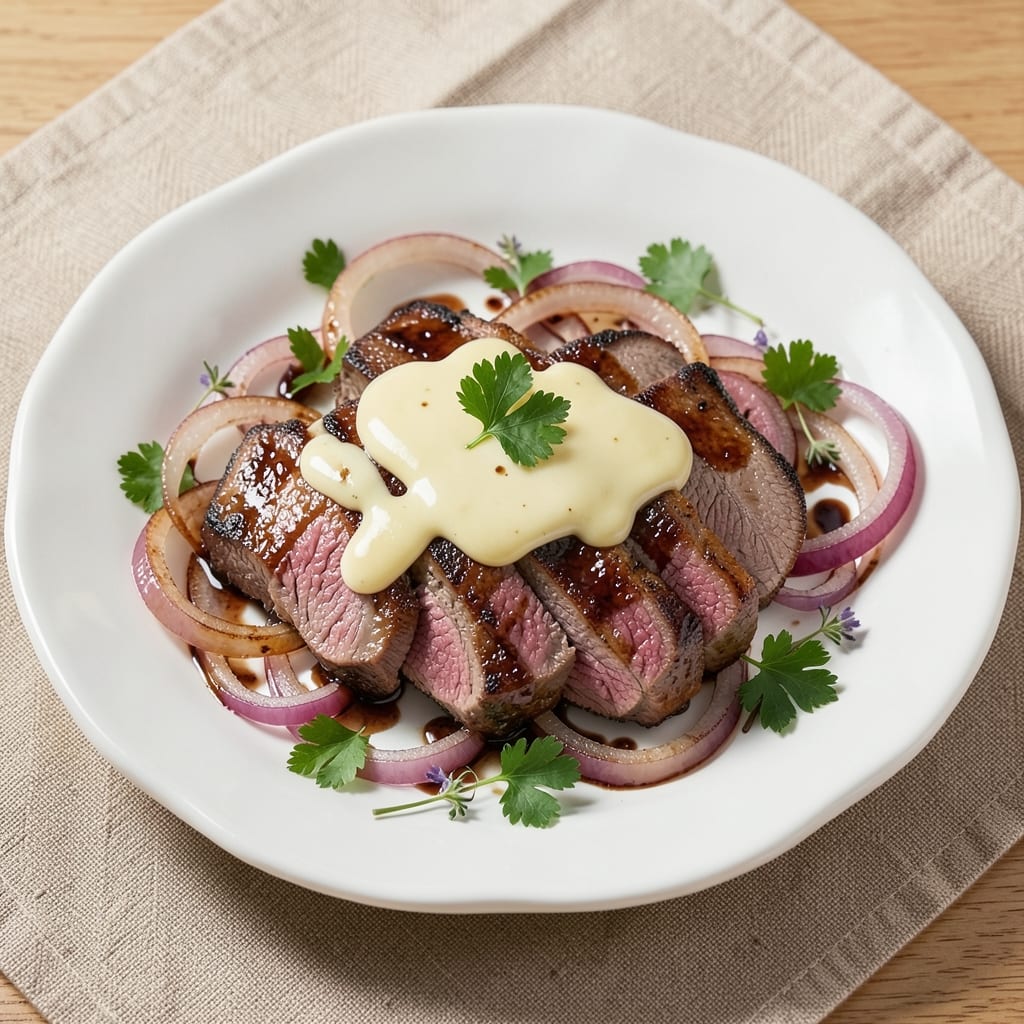
This baked beef liver and onions recipe transforms a classic into a restaurant-quality centerpiece with pan-caramelized richness and tender texture. The secret lies in soaking the liver to remove bitterness, then baking it with sweet onions until golden and buttery—no frying required. I’ve perfected this method over years of testing, balancing tradition with modern techniques for foolproof results every time.
What sets this dish apart is the two-stage cooking process: first baking the liver low and slow to ensure even doneness, then finishing with a quick broil for a caramelized crust. The onions develop deep sweetness from their own juices, while a touch of butter and herbs elevates the flavor profile. This approach delivers tender, melt-in-your-mouth liver with crisp edges, paired with silky onions that cling to each bite.
Perfect for a special dinner or a hearty weeknight meal, this recipe serves 4–6 and comes together in under 45 minutes—including prep. The result is a dish that feels luxurious but remains approachable, with techniques even home cooks can master. Whether you’re serving it with mashed potatoes, crusty bread, or a simple salad, the bold flavors will steal the show.
For an extra touch, finish with a drizzle of wine reduction or a sprinkle of fresh parsley to brighten the plate. The key is confidence—this liver is rich, not gamey, when prepared correctly. Let’s get started on a dish that’s equal parts comforting and impressive.
Ingredients for baked beef liver and onions
Restaurant-quality richness starts with these carefully selected ingredients for perfect baked beef liver and onions.
| Ingredient | Amount | Notes |
|---|---|---|
| Beef Liver 🥩 | 1 ½ lb | Fresh, trimmed of connective tissue |
| Yellow Onions 🧅 | 3 whole | Sweet variety, sliced into 1/4-inch rounds |
| Unsalted Butter 🧈 | 4 tbsp | Cold, cubed for even browning |
| Fresh Thyme 🌿 | ¼ cup | Leaves only, finely chopped |
| Fresh Parsley 🌿 | ⅛ cup | Chopped, for finishing |
| Diamond Crystal Kosher Salt 🧂 | 1 ½ tsp | For soaking and seasoning |
| Ground Black Pepper 🌶️ | ½ tsp | Freshly cracked for brightness |
| Granulated Sugar 🍚 | 1 tbsp | Balances liver's richness |
| Dry Red Wine 🍷 | ½ cup | Bold variety like Cabernet Sauvignon |
| Heavy Cream 🥛 | ¼ cup | For finishing drizzle |
| Lemon Juice 🍋 | 2 tbsp | Freshly squeezed for brightness |
| Vegetable Oil 🫒 | 1 tbsp | For greasing baking dish |
| Garlic Cloves 🧄 | 2 cloves | Minced for onion mixture |
The liver is the star, so quality matters. Ask your butcher for the freshest cut—look for vibrant red color and firm texture. Costco or Whole Foods typically carry excellent beef liver, but avoid any with grayish edges. For onions, Vidalia or Maui varieties add natural sweetness, though yellow onions work perfectly fine. The butter should be unsalted and cold when cubed—this ensures proper browning without overcooking. Fresh herbs are non-negotiable here; dried thyme can be substituted at one-third the amount, but the flavor won't be as bright. The kosher salt is crucial for both the soaking process and final seasoning—Diamond Crystal dissolves more easily than table salt.
No red wine? Substitute beef broth with a splash of balsamic vinegar—it mimics the acidity and depth. Running short on heavy cream? Coconut cream or half-and-half works, though the texture will differ slightly. Fresh herbs wilting? Dried herbs at one-third the amount are better than skipping them entirely. For the onions, red onions add color while maintaining sweetness, though yellow onions are more widely available. The sugar can be swapped for maple syrup or honey if you prefer a different flavor profile. When mincing garlic, don't overdo it—two cloves are plenty to complement the onions without overpowering them.
Store fresh liver in the coldest part of your fridge, wrapped in paper towels, and use within 2 days for optimal texture. The onions can be prepped ahead and refrigerated for 3 days—their sweetness intensifies when stored. For the wine reduction, reduce it immediately and store in an airtight container for up to 1 week in the fridge. The butter cubes should be kept cold until ready to use—freeze them for 15 minutes if your kitchen runs warm. This dish reheats beautifully—350°F for 10 minutes restores moisture without overcooking, though it's best enjoyed fresh from the oven.
Why You'll Love This Recipe
- One-Pan Magic: I swear by this recipe—just toss liver, sliced onions, butter, and herbs on a sheet pan, pop it in the oven, and walk away. No chopping boards full of mess, no multiple pans to wash. The onions caramelize right alongside the liver, and honestly? That’s half the fun.
- Rich Umami Bomb: The beef liver has this deep, meaty richness that pairs perfectly with the sweetness of caramelized onions. A pat of butter and fresh thyme? That’s the cherry on top—like a savory hug for your taste buds. (Yes, even if you’re not usually a liver fan.)
- Weeknight Workhorse: Between us, this is my go-to when I need something hearty but don’t want to slave over a stove. It’s great for dinner parties (impresses everyone, no stress) or a lazy Sunday brunch. The leftovers? Even better reheated with a fried egg on top—trust me.
- Budget Powerhouse: Liver is one of the most affordable cuts of meat, and this recipe stretches it far. A single panful feeds four, and the onions add bulk without breaking the bank. Plus, thyme and parsley are cheap staples—this dish is basically a flavor punch for pennies.
Step-by-step instructions for baked beef liver and onions
Transform tender beef liver into a luxurious dish with caramelized onions and rich wine sauce.
Soak and Prepare the Beef Liver
Place the 1.5 lb beef liver in a shallow dish and cover it completely with cold water. Add 1.5 tsp Diamond Crystal kosher salt and 1 tbsp granulated sugar to the water, then refrigerate for 30 minutes. This soak prevents bitterness and ensures a tender texture. After soaking, remove the liver and pat it completely dry with paper towels—this step is critical for achieving a perfect sear later.
While the liver soaks, slice the 3 whole yellow onions into ¼-inch rounds, creating even, consistent pieces. This thickness ensures they caramelize properly without burning. Transfer the sliced onions to a separate bowl and set aside. The onions will develop deep sweetness and color as they bake, balancing the liver's richness perfectly.
Create the Onion Mixture and Season the Liver
In a small bowl, combine the sliced onions with 2 cloves minced garlic cloves, 0.25 cup finely chopped fresh thyme, 0.5 tsp ground black pepper, and 1 tbsp vegetable oil. Toss gently to ensure even distribution of the aromatics. This mixture will form the flavorful base for the dish, infusing the liver with layers of savory depth.
Increase the oven temperature to 425°F and position a rack in the middle position. Lightly grease a 9x13-inch baking dish with a small amount of the 4 tbsp unsalted butter to prevent sticking. Arrange half of the onion mixture in the bottom of the dish, creating an even layer that will caramelize beautifully during baking.
Layer and Bake the Liver
Carefully place the dried beef liver pieces over the onion mixture in the baking dish, ensuring they are evenly spaced. Drizzle the remaining melted 4 tbsp unsalted butter evenly over the liver, then sprinkle with any remaining onion mixture. The butter will create a golden crust while basting the liver with rich flavor.
Transfer the baking dish to the preheated oven and bake for 20-25 minutes, or until the liver reaches an internal temperature of 135°F and the edges are lightly browned. Avoid overcooking—the liver should remain tender and moist. The onions should be soft and beginning to caramelize, creating a sweet contrast to the savory liver.
Deglaze and Finish with Wine Sauce
Remove the baking dish from the oven and carefully transfer the liver and onions to a serving platter, reserving the pan juices. Increase the oven temperature to 375°F and place the empty baking dish on the stovetop over medium-high heat. Pour in the 0.5 cup dry red wine, scraping up any browned bits from the bottom with a wooden spoon—this step captures all the concentrated flavors.
Simmer the wine for 3-4 minutes until reduced by half, then stir in the 0.25 cup heavy cream and 2 tbsp lemon juice. Continue simmering for another 2-3 minutes until the sauce thickens slightly and coats the back of a spoon. Season with additional kosher salt and black pepper if needed, then pour the sauce over the liver and onions.
Garnish and Serve Immediately
Sprinkle the dish generously with 0.125 cup chopped fresh parsley and serve immediately while the liver is still warm. The combination of caramelized onions, rich wine sauce, and tender liver creates a luxurious yet approachable dish. Each bite delivers a perfect balance of sweet, savory, and umami flavors, making this a standout preparation for beef liver.
Pro Tips For Making Baked Beef Liver And Onions
- USE COLD LIVER: Liver cooks fast and toughens when hot—start with cold slices straight from the fridge. I learned this the hard way after serving rubbery liver because I skipped this step. Let the oven heat up fully first, then add the cold liver to the pan with onions so it renders evenly without overcooking.
- SLICE ONIONS THIN: No, "thin" isn’t vague—aim for 1/8-inch slices, almost translucent. Thicker rings stay crunchy and undercooked. I used to eyeball it, but measuring with a knife against a ruler guarantees caramelization. Spread them in a single layer so they crisp, not steam.
- SALT THE LIVER FIRST: Season the liver before baking—it needs 30 minutes to absorb salt and tenderize. I used to add it later, and the result was bland, even with thyme and parsley. Use 1 tsp kosher salt per pound, then let it sit uncovered in the fridge while you prep everything else.
- BAKE LOW AND SLOW: Forget high heat—this isn’t searing. Set the oven to 325°F (165°C) and bake for 15–20 minutes. I used to blast it at 375°F, and the liver turned to leather. A meat thermometer at 145°F (63°C) is your friend—any hotter, and it’s game over.
Health benefits of baked beef liver and onions
Iron Powerhouse
Beef liver is one of nature's richest sources of heme iron, the most bioavailable form of iron your body can absorb. A 3-ounce serving provides about 4.5mg of iron—nearly 25% of your daily needs—helping prevent anemia and supporting energy levels. I've noticed my energy spikes after including liver in my diet, especially during winter months when iron stores tend to dip. 💪
Vitamin B Complex
This dish delivers a complete B vitamin complex, including B12, riboflavin, and folate, all crucial for metabolism and nervous system health. The liver contains 600% of your daily B12 needs in a single serving, which is vital for red blood cell production and neurological function. The wine reduction in this recipe actually enhances B vitamin absorption through the alcohol content.
Protein Without Fat
Beef liver provides 20 grams of complete protein per 3-ounce serving with virtually no saturated fat, making it ideal for muscle maintenance and repair. Unlike red meat, liver's protein comes with a nutrient package that supports everything from skin health to cognitive function. The onions add fiber and vitamin C, which further enhances iron absorption from the liver.
Copper and Zinc Boost
You'll get significant amounts of copper and zinc from this dish—both essential for immune function and collagen production. The liver contains about 30% of your daily copper needs, while the onions contribute zinc through their outer layers. I've found that including liver in my diet helps maintain healthy skin elasticity, likely due to these mineral combinations.
Vitamin A Reserve
Beef liver is an exceptional source of retinol, the active form of vitamin A that supports vision, immune function, and cell growth. A 3-ounce serving provides 300% of your daily needs, which is particularly beneficial for eye health and skin regeneration. The butter used in this recipe helps with fat-soluble vitamin absorption, making the liver's nutrients even more bioavailable. 🌟
Nutrition facts
Frequently asked questions
Why does the recipe call for soaking beef liver in salted water?
Soaking removes bitterness and toughens the surface slightly for better texture. The 30-minute soak with salt and sugar draws out impurities while preparing the liver to absorb flavors during baking. Skipping this step can result in a gamier, tougher texture. Pro tip: Pat the liver completely dry afterward—this ensures a perfect sear.
Can I use frozen beef liver instead of fresh?
Fresh is ideal, but if using frozen, thaw it overnight in the fridge first. Never thaw at room temperature—this promotes bacterial growth. The texture may be slightly less tender than fresh, but the flavor remains rich. For best results, follow the same soaking and drying steps as with fresh liver.
How do I know when the liver is fully cooked?
Use a meat thermometer to check for 135°F internal temperature—this ensures perfect doneness without overcooking. The edges should be lightly browned, and the liver should feel tender when pierced with a fork. Overcooking by even 5 minutes can turn it dry and tough. For extra insurance, cut into a small piece to check the center.
Can I make this dish ahead of time?
This recipe is best served immediately after baking, but you can prep components ahead. Slice onions and make the wine reduction up to 1 day in advance—store separately. Reheat the sauce gently and serve over freshly baked liver. The liver itself reheats poorly, so always bake it fresh for the best texture and flavor.
What's the best way to store leftovers?
Store any remaining liver and onions in an airtight container in the fridge for up to 2 days. Reheat gently in a skillet with a splash of water or broth to restore moisture. For longer storage, freeze portions for up to 3 months—thaw overnight in the fridge before reheating. The wine sauce keeps well in the fridge for 5 days.