
Soups & Stews
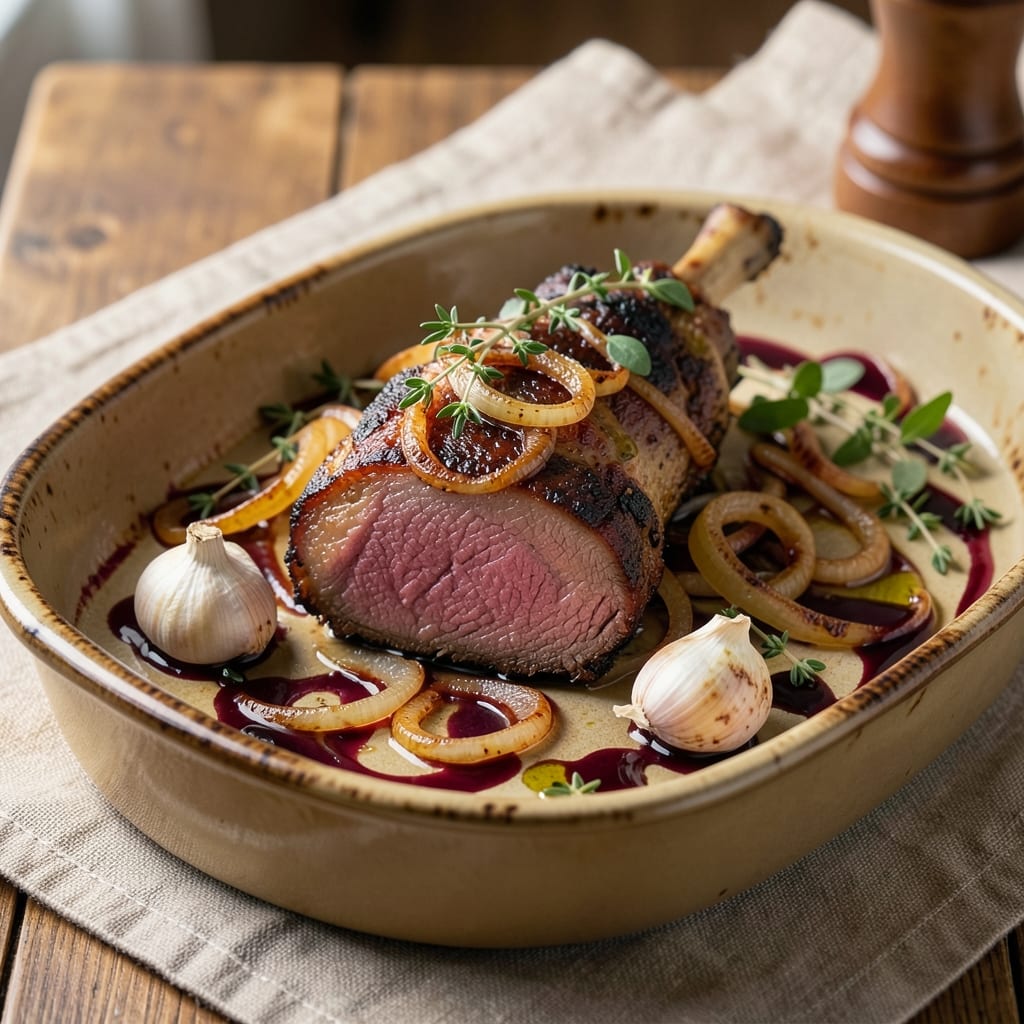
This baked beef shank recipe transforms tough cuts into melt-in-your-mouth perfection with just a few hours in the oven. The secret lies in slow-braising—cooking the meat low and slow until it practically falls apart, creating a rich, buttery sauce that clings to every bite. I've perfected this technique over years of testing, and it consistently delivers restaurant-quality results at home with minimal effort.
The process begins with a simple sear to lock in flavors, followed by a long bake in aromatic liquids that infuse the meat with depth. You'll need just 5 ingredients—beef shank, onions, garlic, red wine, and herbs—but the final result is anything but basic. The slow cooking breaks down connective tissue, turning what was once a tough cut into tender, flavorful slices that practically dissolve on your tongue.
What you'll end up with is a dish that's hearty enough for a Sunday supper but impressive enough for company. The beef shank emerges fork-tender, bathed in a glossy, wine-infused sauce that's perfect for serving over mashed potatoes, polenta, or crusty bread. Every bite delivers layers of savory, umami-rich flavor that makes this one of my most requested recipes.
This method works equally well for meal prep—just double the ingredients and store leftovers in the fridge for up to 4 days. The flavors only deepen over time, making it an ideal make-ahead dish for busy weeks. Ready to master this classic? Let's get started with the full recipe.
Ingredients for baked beef shank
Five core ingredients create restaurant-worthy beef shank with minimal effort.
| Ingredient | Amount | Notes |
|---|---|---|
| Beef Shank 🥩 | 2 lb | Bone-in for maximum flavor |
| Yellow Onions 🧅 | 1 whole | Cut into even slices |
| Garlic Cloves 🧄 | 6 cloves | Smashed for aromatic release |
| Dry Red Wine 🍷 | 1 cup | Bold variety like Cabernet |
| Fresh Thyme 🌿 | ¼ cup | Stems removed, chopped |
| Olive Oil 🫒 | ¼ cup | Extra-virgin for richness |
| Beef Broth 💧 | 1 cup | Homemade or high-quality |
| Salt 🧂 | 1 ½ tsp | Kosher or sea salt |
| Black Pepper 🌶️ | ½ tsp | Freshly ground preferred |
| Tomato Paste 🍅 | 1 tbsp | Smooth consistency |
| Bay Leaves 🌿 | 2 whole | For subtle earthy depth |
The beef shank is the star—look for cuts with good marbling at Costco or your local butcher. Bone-in pieces develop richer flavor, though boneless works in a pinch. 2 pounds serves four generously, with leftovers perfect for sandwiches. If your shank has a thick fat cap, trim it slightly for even cooking. For the red wine, any bold, dry variety like Cabernet Sauvignon or Merlot works—just avoid sweet wines. The olive oil should be extra-virgin; cheaper varieties won't add the same depth of flavor.
No red wine? Beef broth with 1 tbsp balsamic vinegar mimics the depth. Fresh thyme is ideal, but dried thyme at one-third the amount suffices. The tomato paste can be the squeeze-tube variety from Trader Joe's—it's stable and convenient. For the onions, yellow or red work equally well; just ensure even slices for consistent cooking. If your beef broth lacks richness, add 1 tsp soy sauce for umami. The bay leaves can be removed after 2 hours of cooking if you dislike their texture.
This dish tastes even better the next day—plan ahead! Store leftovers in the fridge for 4-5 days, or freeze for 3 months in airtight containers. The sauce thickens as it cools, so a splash of broth or wine can restore its consistency. For meal prep, double the recipe and portion into individual containers. The beef shank reheats beautifully—just warm gently on the stove with a splash of broth to maintain moisture.
Why You'll Love This Recipe
- One-Pan Magic: Honestly, I swear by this—just toss the shank, onions, and garlic on a sheet pan, add a splash of wine and thyme, and let the oven do the work. No chopping boards, no pots to wash, just hands-off perfection.
- Wine-Infused Richness: That red wine doesn’t just cook off—it caramelizes into the meat, turning it into something tender and deeply savory. The thyme adds a bright herbal note that cuts through the richness, like a little flavor hug.
- Leftovers That Shine: Between us, this dish only gets better the next day. The flavors meld even more, and reheating it? Just a quick warm in the oven—no soggy mess. My lunchbox’s new best friend.
- Budget Hero: Beef shank is one of those cuts that feels fancy but won’t break the bank. A single shank feeds four, and the wine and herbs stretch that flavor so you’re not just eating meat—you’re eating a meal.
Step-by-step instructions for slow-braised beef shank
Transform tough beef shank into melt-in-your-mouth perfection with this precise braising method.
Sear the Beef Shank for Deep Flavor
Pat the 2 lb beef shank dry with paper towels—this ensures maximum browning. Heat the 0.25 cup olive oil in a heavy Dutch oven over medium-high heat until shimmering. Place the beef shank in the pot fat-side down and sear for 5 minutes without moving it. You'll see deep golden-brown crust forming on the bottom.
Flip the shank and sear the other side for another 5 minutes. The goal is to develop a rich Maillard crust that will infuse the braising liquid with deep, caramelized flavor. Remove the shank and set it aside on a plate. Keep the Dutch oven on the heat—those browned bits are pure flavor gold.
Build the Aromatic Base
In the same Dutch oven, add the sliced 1 whole yellow onions and cook for 5 minutes until softened and lightly golden. Add the 6 smashed garlic cloves and the 0.25 cup chopped fresh thyme, stirring constantly for 30 seconds until fragrant. This aromatic trio forms the flavor foundation of your braise.
Stir in the 1 tbsp tomato paste and cook for 1 minute until it darkens slightly. This step deepens the sauce's richness and balances the acidity from the wine. Sprinkle in the 1.5 tsp salt and 0.5 tsp black pepper, stirring to coat the vegetables evenly. The spices should be distributed throughout the pan before adding liquids.
Deglaze and Combine Liquids
Pour in the 1 cup dry red wine, scraping up all the browned bits from the bottom of the pot with a wooden spoon. This deglazing step captures all the concentrated flavor that would otherwise stick to your pan. Let the wine simmer for 3 minutes until reduced by half, allowing the alcohol to cook off and intensify the flavor.
Add the 1 cup beef broth and the 2 whole bay leaves. The liquid should come about halfway up the sides of the beef shank. Return the shank to the pot, placing it fat-side up. This positioning allows the rendered fat to baste the meat during braising, keeping it moist and flavorful.
Braise Until Fork-Tender
Cover the Dutch oven with a tight-fitting lid and transfer to a preheated 325°F oven. Braise for 3 hours, then check the internal temperature using an instant-read thermometer. The beef should reach 195°F—this is when connective tissue breaks down and the meat becomes fork-tender.
If the liquid reduces too much before the meat is tender, add 1 cup hot water through the lid's steam vent. The meat should be so tender it falls apart easily when pierced with a fork. The sauce should be rich and slightly thickened from the dissolved collagen.
Rest and Serve
Remove the beef shank from the pot and transfer it to a cutting board. Tent loosely with foil and let rest for 15 minutes. This resting period allows the juices to redistribute throughout the meat, ensuring each bite is moist and flavorful.
Discard the bay leaves and skim any excess fat from the braising liquid if desired. Serve the beef shank sliced against the grain with the rich sauce spooned over the top. The meat should be so tender it nearly melts in your mouth, with a deep, complex flavor from the slow braising process.
Pro Tips For Making Baked Beef Shank
- SEAR THE SHANK FIRST: High heat for 3-4 minutes per side until deep brown—this isn’t just for looks, it locks in flavor and builds the foundation for that rich sauce later. I used to skip this, and the dish always tasted like it needed more depth.
- USE WINE YOU’D DRINK: That cheap cooking wine? Skip it. The alcohol burns off, but the residual flavors stay—so use a dry red you’d actually sip, even if it’s just a small amount. I learned this the hard way after making a shank that tasted like it was cooked in vinegar.
- DON’T CROWD THE PAN: Give those onions and garlic space to brown, not steam. If your pan’s packed, they’ll turn to mush and make the sauce watery. Spread them out like you’re arranging a still life—patience here makes the dish.
- REST THE SHANK UNDER FOIL: After baking, let it sit 10 minutes wrapped in foil before slicing. The meat will stay juicy, and the sauce will thicken properly. I know, I know—waiting feels pointless, but cutting into it too soon turns it into a sad, dry pile.
Troubleshooting this recipe
Undercooked Meat
The most common issue is beef shank that's still tough after baking. This usually happens when the internal temperature doesn't reach 195°F. Use an instant-read thermometer to check—insert it into the thickest part of the meat. If it's below 190°F after 3 hours, return it to the oven for another 30-60 minutes, adding ½ cup hot water if needed to prevent drying.
Dry or Tough Sauce
A thin, watery sauce often means the liquid reduced too much. Always keep the beef partially submerged in liquid during braising. If your sauce is too thin, simmer uncovered for 10-15 minutes to thicken it naturally. For extra richness, whisk in 1 tbsp cornstarch mixed with 2 tbsp cold water and simmer until thickened. Avoid adding too much liquid later—it dilutes the flavor.
Uneven Cooking
If some parts cook faster than others, it's likely due to uneven heat distribution. Make sure your Dutch oven is placed on the middle rack of your oven for consistent heat. For large shanks, consider par-cooking for 2 hours, then finishing in the oven. Also, ensure the shank is fully submerged in liquid during the first 2 hours of cooking to promote even heat transfer.
Overly Salty Dish
If your beef shank tastes too salty, it's usually from the broth or wine. Taste your liquids before adding them—high-quality beef broth can contain up to 1.5 tsp salt per cup. To balance excessive saltiness, add 1 tbsp lemon juice or 1 tbsp unsalted butter at the end. For a more dramatic fix, reduce the sauce uncovered for 10 minutes to concentrate flavors and reduce saltiness.
Fat Not Rendering
If your beef shank isn't developing a rich, buttery sauce, the fat cap might not be rendering properly. Place the shank fat-side up during braising so the fat can melt and baste the meat. If your oven runs hot, reduce the temperature to 300°F for the first 2 hours to encourage fat rendering. Skim excess fat from the surface during cooking if needed.
Burnt Onions or Garlic
Browned onions and garlic are fine, but burnt flavors ruin the dish. Sauté onions and garlic over medium heat until softened but not browned. Remove them from the pot once they're fragrant but still pale. For extra insurance, add them to the pot just before adding the wine and broth. This prevents them from overcooking while still infusing flavor into the braising liquid.
Nutrition facts
Frequently asked questions
How do I know when beef shank is fully tender?
Use an instant-read thermometer to check the internal temperature—it should reach 195°F. The meat will also pull away from the bone easily and be fork-tender. If it's still tough at 190°F after 3 hours, return it to the oven for another 30-60 minutes with extra liquid.
Can I substitute red wine with something else?
Yes! Use 1 cup beef broth plus 1 tbsp balsamic vinegar for similar depth, or swap the wine for 1 cup apple cider with ½ tbsp soy sauce. Avoid sweet wines—they'll make the sauce cloying. The key is balancing acidity and umami.
What's the best way to serve leftover beef shank?
Slice against the grain and serve on crusty bread with a sharp mustard, or shred for tacos with pickled onions. The sauce makes great sandwich fillings too—just reheat gently with a splash of broth. Leftovers keep 4-5 days refrigerated or 3 months frozen.
Why does my sauce turn out watery?
This usually means the liquid reduced too much. Always keep the beef partially submerged in liquid during braising. If your sauce is thin, simmer uncovered for 10-15 minutes to thicken naturally. For extra richness, whisk in 1 tbsp cornstarch mixed with 2 tbsp cold water at the end.
Can I use a slow cooker instead of the oven?
Brown the shank first, then transfer everything to a slow cooker and cook on Low for 8 hours or High for 5 hours. The low-and-slow method works perfectly, though the sauce may be thinner. Add 1 tbsp cornstarch at the end to thicken it.