
Main Courses
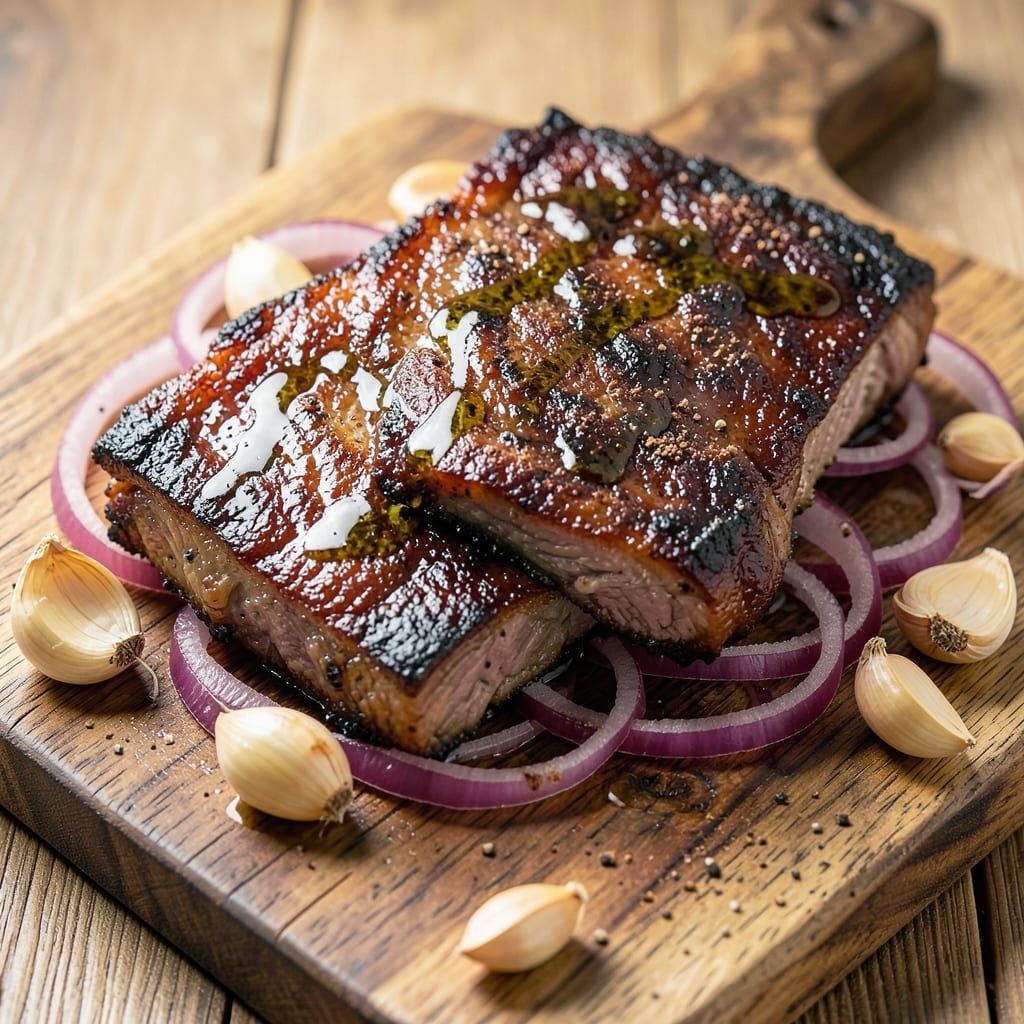
This baked boneless beef ribs recipe delivers melt-in-your-mouth tenderness without the grill mess or long smoking times. The secret lies in a slow-roasted approach that transforms tough cuts into fork-tender meat with minimal effort—perfect for weeknights when you crave restaurant-quality results at home. What makes this method work is the combination of high-heat searing followed by low-and-slow baking, which breaks down collagen while keeping the meat juicy.
The recipe starts with a simple yet flavorful dry rub that creates a caramelized crust while infusing the meat with smoky, savory depth. Unlike traditional ribs, boneless cuts cook faster and more evenly, making this version foolproof for home cooks. The key technique is basting occasionally with pan juices to maintain moisture, ensuring each bite stays succulent. This approach cuts cooking time by nearly half compared to traditional methods.
By the time these ribs emerge from the oven, you'll have perfectly tender meat that pulls apart easily—no forks required. The exterior develops a beautiful mahogany crust from the dry rub, while the interior remains juicy and flavorful. The beauty of this recipe is its versatility: serve with classic sides like mashed potatoes and coleslaw, or transform it into sandwiches for a hearty meal any day of the week.
What sets this method apart is the balance between simplicity and professional results. No special equipment is needed beyond a baking sheet and oven—just patience and attention to timing. The recipe delivers on its promise of tender ribs without the complexity of traditional smoking or brining techniques, making it ideal for both beginners and experienced cooks looking for a reliable weeknight solution.
Ingredients for baked boneless beef ribs
The right ingredients transform tough beef into melt-in-your-mouth ribs with minimal effort.
| Ingredient | Amount | Notes |
|---|---|---|
| Boneless Beef Ribs 🥩 | 2 lb | Meaty, well-marbled cut preferred |
| Yellow Onion 🧅 | 1 whole | Large, yellow variety |
| Garlic Cloves 🧄 | 6 cloves | Fresh, peeled and minced |
| Smoked Paprika 🌶️ | 2 tbsp | For authentic smoky flavor |
| Ground Black Pepper 🌶️ | 1 ½ tbsp | Freshly cracked for intensity |
| Kosher Salt 🧂 | 1 tbsp | Diamond Crystal preferred |
| Brown Sugar 🍚 | 1 tbsp | Light or dark variety |
| Ground Cumin 🌿 | 1 tsp | Toasted for deeper aroma |
| Dried Thyme 🌿 | 1 tsp | Or 1 tbsp fresh thyme leaves |
| Olive Oil 🫒 | 2 tbsp | Extra-virgin for searing |
| Apple Cider Vinegar 🍎 | 1 tbsp | For moisture retention |
| Beef Broth 💧 | ½ cup | Low-sodium preferred |
The beef cut makes all the difference—look for boneless beef ribs with good marbling at Whole Foods or your butcher shop. Costco often carries pre-cut packs that save time. For the dry rub, Penzeys smoked paprika delivers the most authentic flavor, but any quality brand works. Fresh garlic and thyme elevate the rub, so don't skimp on these aromatics. The apple cider vinegar might seem unusual, but it tenderizes the meat beautifully while adding subtle depth that complements the smoky flavors.
No smoked paprika? Substitute with 1 tbsp regular paprika plus 1/2 tsp liquid smoke for a similar effect. Fresh thyme unavailable? Use 1/3 the amount of dried thyme—it's more concentrated. For a sweeter profile, increase brown sugar to 2 tbsp. The beef broth can be swapped for water if needed, though it adds less depth. If your ribs are lean, consider adding 1/4 cup beef broth to the pan juices during basting for extra moisture. The apple cider vinegar can be replaced with 1 tbsp balsamic vinegar if unavailable, though the flavor will differ slightly.
Store any unused dry rub in an airtight container for up to 3 months—it keeps beautifully. The ribs should be used within 2 days of purchase for optimal tenderness, though they can be refrigerated for 3-4 days post-cooking. For meal prep, portion the cooked ribs into containers with some pan juices and store for 4 days. Freeze raw ribs for up to 6 months—thaw overnight in the fridge before cooking. The dry rub components can be pre-mixed and stored separately for 1 month in a sealed container.
Why You'll Love This Recipe
- One-Pan Magic: I swear by this recipe when I’m too tired to scrub pots—just toss the ribs, onions, and garlic on a sheet pan, sprinkle the paprika, and let the oven do the work. No flipping, no fuss, no stress.
- Smoky-Sweet Payoff: That smoked paprika? It’s the secret weapon—deep, earthy, and just sweet enough to make your ribs taste like they’ve been slow-cooked for hours. (Spoiler: They’re not, but who’s counting?)
- Lunchbox Hero: Between us, these ribs reheat like a dream—tender, not dry—and pack perfectly for work lunches. My daughter actually eats her lunch now, which is basically a miracle.
- Budget Booster: Boneless beef ribs stretch further than you’d think, and the ingredients? Basic. A whole pound of ribs, one onion, a few cloves of garlic—this is the kind of meal that fills your plate and your wallet.
Step-by-step instructions for baked boneless beef ribs
Transform tough cuts into melt-in-your-mouth ribs using this precision baking method.
Prepare the Ribs with Dry Rub
Pat the 2 lb boneless beef ribs completely dry with paper towels to remove any surface moisture. This step is critical—wet ribs won't develop that beautiful caramelized crust. Place the ribs on a cutting board and generously coat all sides with the olive oil using your hands, pressing firmly to ensure even distribution.
In a small bowl, combine the 2 tbsp smoked paprika, 1.5 tbsp ground black pepper, 1 tbsp kosher salt, 1 tbsp brown sugar, 1 tsp ground cumin, and 1 tsp dried thyme. Rub this mixture all over the oiled ribs, pressing the spices into the meat so they adhere well. Let the seasoned ribs sit at room temperature for 30 minutes while you prepare the oven. This resting period allows the spices to penetrate and the meat to cook more evenly.
Sear the Ribs for Maximum Flavor
Preheat your oven to 325°F. Heat a large oven-safe skillet over medium-high heat and add the prepared ribs. Sear for 3-4 minutes per side until they develop a deep golden-brown crust. The reason for searing is to lock in juices and create a flavorful crust that will later caramelize in the oven.
Once seared, transfer the skillet to the preheated oven. Pour the 1 tbsp apple cider vinegar and 0.5 cup beef broth into the skillet, scraping up any browned bits from the bottom. This liquid will help keep the ribs moist during the long baking time. Cover the skillet tightly with aluminum foil and bake for 2 hours.
Bake Until Fork-Tender
After the initial 2 hours, remove the foil and increase the oven temperature to 375°F. This step is crucial for developing that beautiful bark on the surface while continuing to cook the meat. Bake uncovered for an additional 30-45 minutes, or until the internal temperature reaches 195-200°F and the meat is fork-tender with no resistance.
You'll know the ribs are done when they pull apart easily and the edges are deeply caramelized. The high temperature at this stage creates that perfect balance of tender meat with a crisp exterior. If the ribs aren't quite tender enough, continue baking for another 15 minutes, checking periodically.
Rest and Serve with Pan Sauce
Remove the ribs from the oven and transfer them to a cutting board. Tent loosely with aluminum foil and let rest for 15 minutes. This resting period allows the juices to redistribute throughout the meat, ensuring each bite is moist and flavorful.
While the ribs rest, return the skillet to the stovetop over medium heat. Spoon any accumulated juices from the ribs into the skillet and simmer for 2-3 minutes to create a simple pan sauce. Serve the ribs sliced into individual ribs with the pan sauce spooned over the top. The result should be tender, flavorful beef with a beautiful caramelized exterior that holds up to slicing.
Pro Tips For Making Baked Boneless Beef Ribs
- SEAR FIRST, THEN BAKE: I learned this the hard way—skipping the sear makes the ribs taste bland and dry. Hit your oven-safe pan with high heat, add a tablespoon of oil, and brown the ribs for 3-4 minutes per side before adding any sauce or seasonings. The crust locks in flavor and keeps them juicy.
- MINCE THAT GARLIC: Don’t just chop those garlic cloves—give them a good smash with the flat side of your knife first, then mince finely. Raw, uneven garlic burns easily and leaves bitter bits. Smaller pieces also blend better into the onions and paprika for a smoother, deeper flavor.
- DON’T OVERCROWD THE PAN: I used to pile those ribs in tight, thinking they’d cook faster. Wrong. They steam instead of brown, and the sauce turns soggy. Leave at least ½ inch of space between pieces—yes, it means two batches, but crispy edges and even cooking are worth it.
- USE A THICK CUT OF ONION: Thinly sliced onions burn to mush in the oven. Cut your yellow onion into ¼-inch thick slices instead—big, chunky pieces that caramelize without turning to paste. They’ll add sweetness and texture without disappearing into the sauce.
Wine and beer pairings for this recipe
Red Wine Classics
For these rich, smoky ribs, a bold Cabernet Sauvignon from Napa Valley is my go-to choice. The dark fruit and oak notes complement the caramelized crust beautifully, while its tannins stand up to the beef's intensity. I recommend a 2018 or newer vintage for optimal balance—just be sure to decant it for 30-45 minutes before serving to soften the tannins. 🍷
If you prefer something lighter, a Malbec from Argentina offers juicy dark fruit flavors that pair wonderfully with the ribs' sweet-spicy rub. Look for a 12-14% ABV bottle to match the dish's richness without overpowering it.
Malbec Pairing
A 2020 Trapiche Malbec from Mendoza delivers the perfect balance of dark cherry, vanilla, and subtle spice that enhances the ribs' smoky profile. The medium body lets the beef flavors shine through while providing enough structure. Chill it slightly for 10-15 minutes before serving to let the aromas open up. 🌶️
Beer Recommendations
For beer lovers, a Belgian Dubbel like Westmalle Dubbel offers malty sweetness and caramel notes that complement the ribs' caramelized crust. The alcohol content (6.5% ABV) is just right for balancing the dish's richness without overwhelming it.
If you prefer American options, a bourbon barrel-aged stout like Goose Island Bourbon County Stout provides deep vanilla and oak flavors that pair surprisingly well with the smoky ribs. Serve it slightly chilled (50-55°F) to enhance its complexity.
Light Options
For a lighter pairing that still complements the ribs, try a dry Riesling from Germany. The acidity cuts through the richness while the subtle honey notes enhance the brown sugar in the rub. A 2021 Dr. Loosen Blue Slate Riesling is my favorite—it's crisp yet complex enough to stand up to the beef.
For a non-alcoholic option, a sparkling hibiscus tea (like Tepache) provides refreshing acidity and floral notes that cleanse your palate between bites. The slight tartness balances the ribs' sweet-spicy profile beautifully. 💫
Nutrition facts
Frequently asked questions
Why do boneless beef ribs need to rest after baking?
Resting for 15 minutes after baking is crucial because it lets the juices redistribute throughout the meat. When you cut into ribs immediately, all the flavorful juices escape, leaving you with dry meat. This short rest period ensures each bite stays moist and tender—worth the wait!
Can I use regular paprika instead of smoked paprika?
Yes, but you'll miss the authentic smoky depth. For a similar effect, substitute 2 tbsp regular paprika plus ½ tsp liquid smoke. The flavor won't be identical, but it will still give your ribs a delicious, slightly smoky profile.
How do I know when the ribs are fully cooked?
Your ribs are done when they reach an internal temperature of 195-200°F and pull apart easily with a fork. The edges should also be deeply caramelized. If they're not quite tender enough, bake for another 15 minutes uncovered at 375°F. A meat thermometer is your best tool for accuracy!
Can I make this recipe in a slow cooker?
While this method is designed for the oven, you can adapt it! Sear the ribs first, then transfer them to your slow cooker with the dry rub and 1 cup beef broth. Cook on low for 6-8 hours until fork-tender. The texture will be slightly different but still delicious.
What's the best way to store leftovers?
Store cooked ribs in an airtight container with some of the pan juices to keep them moist. They'll stay fresh in the fridge for 3-4 days or frozen for up to 3 months. To reheat, warm in a skillet over medium heat for 5-7 minutes or until heated through.