
Main Courses
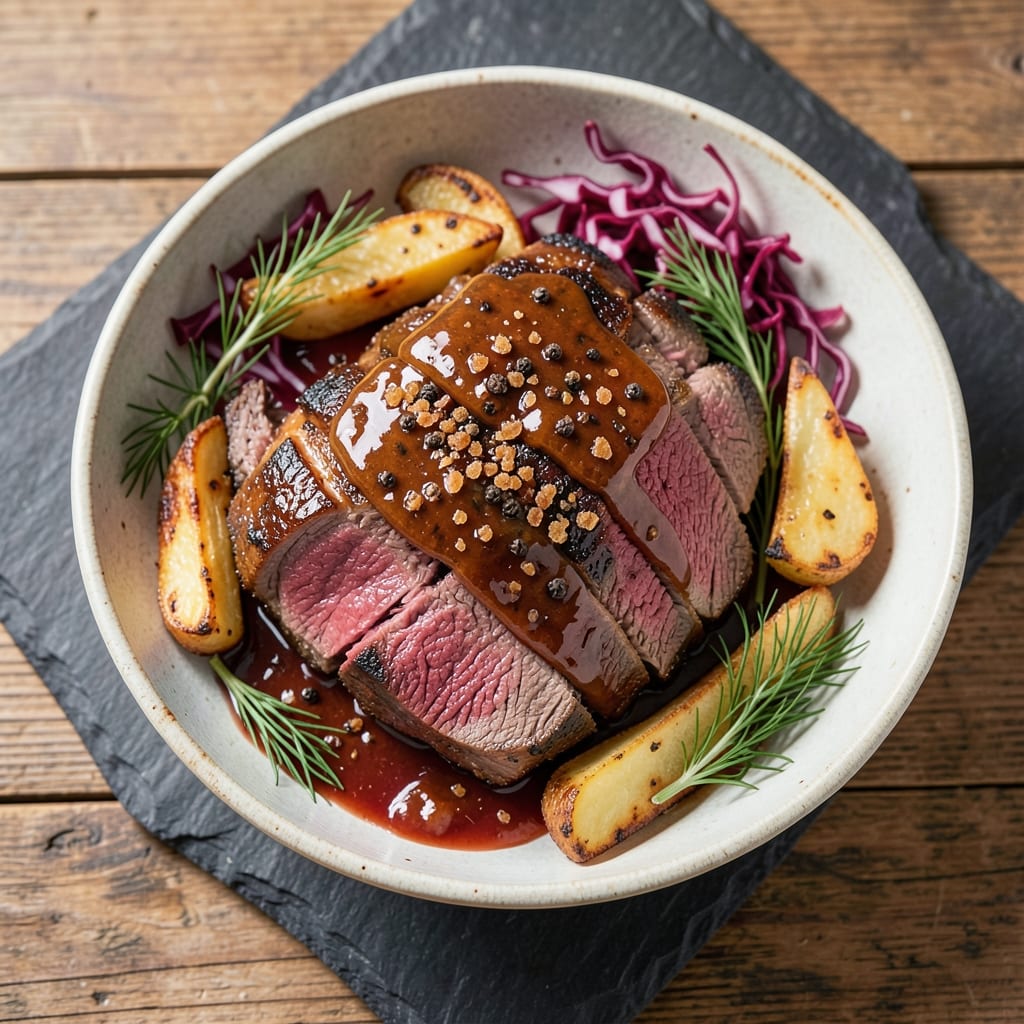
Baltimore pit beef recipe smoked delivers the iconic, smoky-sweet stacks that make this dish a regional legend—tender beef brined in vinegar, spiced with a signature rub, and smoked to a caramelized crust. The secret lies in the butterflying technique, precise temperature control, and a long rest that transforms tough cuts into melt-in-your-mouth perfection. This isn’t your average BBQ; it’s a labor of love that rewards patience with unmatched flavor.
The process begins with a vinegar brine that tenderizes the beef while adding brightness, followed by a Baltimore spice rub that balances sweet, smoky, and savory notes. Smoking at 225°F for 8-12 hours ensures the meat develops that signature bark without drying out. The key? Butterflying the beef for even cooking and letting it rest for 1 hour before slicing—this step alone makes the difference between good and legendary.
What you’ll end up with is beef so tender it nearly falls apart, with a glossy caramelized crust that’s irresistibly smoky and slightly sweet. The aroma alone will have everyone gathering at the table, and each bite delivers layers of flavor that balance richness with tang. This is the kind of dish that turns weeknights into celebrations.
Serve with classic Baltimore sides like pepper potatoes or tangy coleslaw for the full experience. The technique is precise, but the result is worth every minute of effort. Let’s get smoking.
Ingredients for baltimore pit beef recipe smoked
Six ingredients transform tough beef into legendary smoky stacks—this is where the magic happens.
| Ingredient | Amount | Notes |
|---|---|---|
| Beef Chuck Roast 🥩 | 4 lb | Center-cut, butterflied for even cooking |
| White Vinegar 💧 | 1 cup | For tenderizing brine |
| Kosher Salt 🧂 | ½ cup | Diamond Crystal preferred |
| Brown Sugar 🍚 | ¼ cup | Light or dark variety |
| Black Peppercorns 🌶️ | 1 tbsp | Freshly cracked preferred |
| Ground Allspice 🌿 | 2 tsp | Key to Baltimore flavor |
| Ground Ginger 🌿 | 1 tsp | Freshly ground for warmth |
| Garlic Powder 🧄 | 1 tbsp | Not garlic salt |
| Mustard Powder 🌶️ | 1 tsp | For subtle tang |
| Wood Chips (Hickory or Apple) 🌳 | 2 cups | Soaked overnight |
| Butter (Unsalted) 🧈 | ½ cup | Melted for basting |
| Yellow Onion 🧅 | 1 whole | For basting broth |
| Beef Broth 💧 | 1 cup | For basting liquid |
| Apple Cider Vinegar 🍎 | ¼ cup | For basting acidity |
The beef is non-negotiable: center-cut chuck roast from Costco or your local butcher delivers the best marbling. Look for a roast with visible fat—this is what keeps the meat juicy during the long smoke. Butterflying it (slicing horizontally to create a flat surface) is key for even cooking; ask your butcher to do this if you're not comfortable with it yourself. For the brine, Diamond Crystal kosher salt dissolves perfectly—no clumping. The allspice and ginger are what make this Baltimore, not just another BBQ rub. Penzeys Spices carries excellent whole spices you can grind fresh, but pre-ground works too.
No hickory chips? Apple or cherry wood works just as well—just soak them overnight. Running out of beef broth? Water plus a bouillon cube gets you close, but the depth of flavor isn't the same. The vinegar brine can be made a day ahead, but the beef should go in the fridge for at least 4 hours before smoking. For the basting liquid, Trader Joe's has great apple cider vinegar in a squeeze bottle—no waste, and it keeps forever. Want to skip the butter basting? Olive oil works in a pinch, though it lacks that rich finish.
This isn't a meal you want to rush. The beef needs 1 hour of resting after smoking before slicing—this is where the magic happens. Wrap it in foil and let it sit in a warm oven if you're impatient. The leftovers? Reheat slowly in the oven with a splash of beef broth to keep them moist. Keeps for 5 days in the fridge, freezes beautifully for 3 months. I always make double—one for dinner, one for sandwiches the next day. The bark gets crispier the longer it sits, so if you're serving soon, hold off on slicing until the last minute.
Why You'll Love This Recipe
- Smoke in Minutes: That chuck roast doesn’t need hours of prep—just a quick rub of salt, peppercorns, and brown sugar, then let the smoker do the work. Honestly, I’ve got it ready in under 20 minutes of active time while the kids argue over who’s on the couch.
- Sweet-Smoky Magic: The vinegar cut and brown sugar caramelize into this addictive glaze that clings to every bite. Between us, the first slice is always the hardest to stop at—crispy edges, tender meat, and that perfect balance of tang and sweet.
- Leftovers? More Like Leftovers: This recipe feeds a crowd but tastes just as good the next day. I’ll be real: my freezer is packed with vacuum-sealed portions because reheating smoked pit beef is basically cheating at dinner. (Yes, even on a Tuesday night.)
- Budget-Friendly Crowd-Pleaser: Chuck roast is cheap, and this method stretches it into endless sandwiches or tacos. My daughter picks out the peppercorns like they’re gold dust, but the rest of the family devours it—proof that simple ingredients can still feel special.
Step-by-step instructions for Baltimore pit beef
Here's how to transform a tough chuck roast into tender, smoky stacks with a caramelized crust.
Prepare the Tenderizing Brine
In a large bowl, combine the 1 cup white vinegar, 0.5 cup kosher salt, 0.25 cup brown sugar, 1 tablespoon black peppercorns (cracked), 2 teaspoons ground allspice, 1 teaspoon ground ginger, 1 tablespoon garlic powder, and 1 teaspoon mustard powder. Mix until the salt and sugar fully dissolve—this creates the perfect marinade to break down the beef's tough fibers. Place the 4 lb beef chuck roast in a large resealable plastic bag and pour the mixture over it, ensuring every surface is coated. Seal the bag and refrigerate for 12-24 hours, turning the bag occasionally to distribute the marinade evenly.
This step is non-negotiable. The acidity and salt work together to tenderize the meat while infusing it with the signature Baltimore spice blend. After marinating, remove the roast from the bag and pat it dry with paper towels—this is crucial for developing that coveted caramelized crust during smoking.
Set Up the Smoker for Low-and-Slow Cooking
Soak the 2 cups wood chips (hickory or apple) in water for at least 1 hour before smoking. Fill your smoker with the soaked chips and preheat to 225°F. Once the temperature stabilizes and you see a steady stream of blue smoke (not white), place the drained roast fat-side up on the smoker grate. The fat will render slowly, basting the meat and contributing to the rich flavor. Close the lid and resist the urge to peek—each time you open it, you lose heat and extend the cook time.
Let the roast smoke undisturbed for 6-8 hours, or until the internal temperature reaches 165°F. This low-and-slow approach ensures the connective tissue breaks down, resulting in fork-tender meat. If the temperature inside the smoker fluctuates, adjust the airflow to maintain a consistent 225°F. The bark should begin forming after 4-5 hours, giving the roast its signature dark, caramelized crust.
Prepare the Basting Broth and Wrap
While the roast smokes, prepare the basting broth by melting the 0.5 cup unsalted butter in a saucepan over low heat. Add the 1 whole yellow onion (quartered), 1 cup beef broth, and 0.25 cup apple cider vinegar, then simmer for 10 minutes until the onion softens. Once the roast reaches 165°F, remove it from the smoker and let it rest for 5 minutes. Then, wrap it tightly in heavy-duty aluminum foil and pour the basting broth over it. Return the roast to the smoker and continue cooking until the internal temperature reaches 203°F, about 2-3 more hours. This "Texas crutch" method ensures the meat stays moist while developing a deep, smoky flavor.
The foil trap creates steam, which helps tenderize the meat further. Every 30 minutes, rotate the roast and spoon more basting broth over it to keep it moist. The final internal temperature of 203°F guarantees the beef is probe-tender—meaning a knife should slide in like butter with no resistance.
Rest and Slice for Maximum Tenderness
Once the roast reaches 203°F, remove it from the smoker and let it rest in the foil for 1 hour. This resting period allows the juices to redistribute throughout the meat, ensuring every slice is moist and flavorful. After resting, unwrap the roast and slice it against the grain into ½-inch thick stacks. The grain will be visible as lines running through the meat, and cutting against it shortens the muscle fibers, making each bite more tender.
Serve the Baltimore pit beef immediately with the basting broth spooned over the top. The slices should be rich, smoky, and fall apart easily with minimal pressure. The caramelized crust should be dark and slightly sticky, a testament to the slow-smoked process. Pair it with classic sides like coleslaw or crusty bread to soak up the delicious juices.
Pro Tips For Making Baltimore Pit Beef Recipe Smoked
- Trim the Fat First: Cut that thick chuck fat cap down to ¼-inch—yes, even if it feels wasteful. I learned this the hard way after smoking a roast where the fat rendered unevenly, leaving some areas greasy and others dry. A sharp knife and steady hand make all the difference. ---
- Vinegar Soak Overnight: Toss the roast in white vinegar (no need to drown it—just enough to coat) and refrigerate for 12–24 hours. Sounds weird, but it works: the acid tenderizes the tough chuck and balances the sweetness later. Skip this, and you’ll fight chewiness the whole time. ---
- Start at 225°F: Low and slow is the law here—no rushing. Crank your smoker to 225°F and hold it steady, even if it means adjusting vents or fuel. I used to waver between 250°F and 200°F, and the bark turned inconsistent. Patience pays off with melt-in-your-mouth texture. ---
- Spritz with Vinegar Mix: Every 2–3 hours, hit the roast with a spray bottle of equal parts vinegar and water. The acid keeps the surface tender and cuts through the sugar’s caramelization. I was skeptical until I tried it—now it’s non-negotiable for juicy results.
Creative variations of this baltimore pit beef recipe smoked
Spiced Vinegar Brine
Skip the traditional marinade and try a spiced vinegar brine for extra tenderness. Mix 1 cup apple cider vinegar, ½ cup brown sugar, 2 tbsp cracked black pepper, and 1 tbsp mustard powder in a large bowl. Submerge the butterflied beef for 4-6 hours instead of overnight—this cuts prep time while keeping the meat incredibly juicy. The acidity breaks down fibers faster, and the sugars caramelize beautifully during smoking. 💫
Sweet Heat Rub
For a bolder flavor, swap the allspice for a sweet heat rub using 2 tbsp brown sugar, 1 tbsp smoked paprika, 1 tsp cayenne pepper, and 1 tsp garlic powder. Mix with 2 tbsp melted butter to create a sticky paste. Apply this generously before smoking—it creates a deeper, slightly spicy bark while keeping the meat tender inside. Perfect for those who love a little kick!
Applewood Smoke
While hickory is traditional, applewood chips add a fruity sweetness that pairs beautifully with the vinegar brine. Soak 2 cups applewood chips overnight and smoke the beef at 225°F for 8-10 hours. The lighter smoke lets the beef’s natural flavors shine while adding a subtle apple aroma. This variation is especially great for serving with sweet sides like apple-cider glaze or caramelized onions.
Butter-Basted Shortcut
No time for basting broth? Try the butter-baste hack: Melt ½ cup unsalted butter with 2 tbsp apple cider vinegar and brush it on the beef every 2 hours during smoking. The butter creates a glossy crust while keeping the meat moist. For extra richness, add 1 tbsp honey to the basting mixture—it balances the smokiness with a touch of sweetness. 🔥
Slow-Cooker Adaptation
No smoker? Use a slow cooker on low for 8-10 hours with a water pan and wood chips (soaked in foil packets). Add 1 cup beef broth and ½ cup apple cider vinegar to the pan to mimic the smoky environment. The result is tender beef with a milder bark—ideal for those who want the flavor without the equipment. Serve with extra vinegar-based coleslaw to keep the Baltimore theme intact!
Leftovers Reinvented
Turn leftover pit beef into Baltimore-style beef sandwiches by layering slices with sauerkraut, Swiss cheese, and a smear of garlic aioli on a toasted roll. For a hearty breakfast, shred the beef and mix it with scrambled eggs, cheddar cheese, and crispy hash browns—a Maryland brunch staple. The smoky, spiced beef adds depth to any dish, making leftovers just as exciting as the original. 💡
Nutrition facts
Frequently asked questions
Why does Baltimore pit beef need a vinegar brine?
The vinegar brine is the secret to tender, melt-in-your-mouth beef. The acidity breaks down tough muscle fibers while the salt and sugar work together to infuse flavor deep into the meat. This step transforms tough chuck roast into fork-tender stacks that nearly fall apart—something you won't get with just a dry rub.
Can I use a different cut of beef for this recipe?
While chuck roast is ideal, you can use brisket or short ribs in a pinch. However, these cuts may require longer smoking times (10-12 hours) to reach full tenderness. Avoid leaner cuts like sirloin—they won't develop the same rich flavor and may dry out during the long cook.
What's the deal with the 'Texas crutch' wrapping step?
The foil wrap (or "Texas crutch") creates steam that tenderizes the meat further while keeping it moist during the final cooking phase. After reaching 165°F, wrapping the beef with basting broth ensures it hits the perfect 203°F internal temp without drying out. This step is especially important for larger roasts that might overcook otherwise.
How do I know when the beef is done?
Use a meat thermometer to check the internal temperature—203°F is your target. The beef should be probe-tender, meaning a knife slides in like butter with no resistance. The bark should be dark and caramelized, but the meat inside should be juicy, not dry. If you don't have a thermometer, cut into the thickest part—it should be tender but not falling apart.
Can I make this in an oven instead of a smoker?
Yes, but you'll need to mimic the smoky flavor. Place soaked wood chips in a foil packet on the oven rack and cook the beef at 250°F for 4-5 hours with the oven door slightly open. For extra smoke, add a few drops of liquid smoke to the basting broth. The result won't be identical, but it'll still be delicious—just with a more subtle smoky profile.