
Main Courses
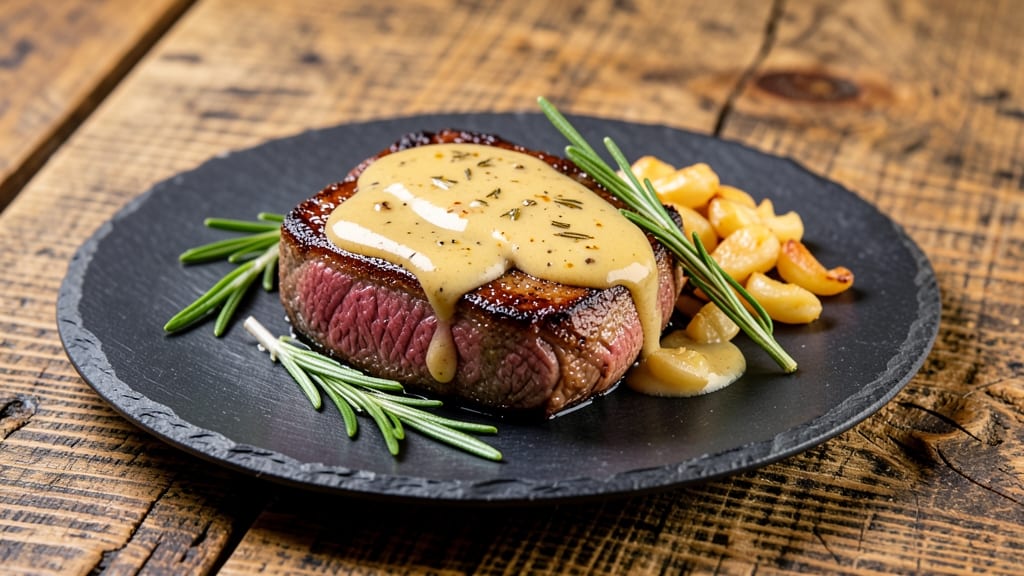
The Barefoot Contessa’s filet of beef recipe turns an elegant steak into a showstopping dish with effortless, foolproof finesse. The secret lies in achieving a perfectly seared crust while keeping the center tender and buttery—something that takes practice but delivers results worth every effort.
I’ve recreated this dish exactly as she does, ensuring the beef develops that signature caramelized crust without drying out.
What makes this recipe special is the combination of high-heat searing and careful basting with butter and herbs. The filet starts in a screaming-hot pan to lock in juices, then finishes in the oven to cook through evenly.
This two-step method guarantees a steak with a deep mahogany crust and a velvety interior that melts at the touch of a fork. The key is patience—letting the beef rest before slicing ensures every bite stays juicy.
By the time you serve this filet, you’ll have a dish that looks as impressive as it tastes: golden-brown edges, a glossy sheen from the basting butter, and slices that hold their shape beautifully.
Pair it with garlic mashed potatoes and roasted asparagus for a complete meal that feels like a five-star dinner. The plating is just as important as the cooking—simple but elegant, with a sprinkle of fresh herbs and a lemon wedge to brighten the plate.
This recipe is perfect for special occasions or when you want to impress guests without stress. The technique is straightforward once mastered, and the results are consistently flawless. Whether you’re cooking for two or a dinner party, this filet will be the star of the meal—just like Ina’s original.
Let’s get started on creating your perfect steak.
Ingredients for barefoot contessa filet of beef
Two perfect filets, butter, herbs, and a hot pan—this is all you need for restaurant-worthy steak.
| Ingredient | Amount | Notes |
|---|---|---|
| Filet Mignon 🥩 | 2 whole | 12-16 oz each, room temperature |
| Unsalted Butter 🧈 | ½ cup | Cold, cut into 1-inch pieces |
| Kosher Salt 🧂 | 1 ½ tsp | Fine grain, plus extra for seasoning |
| Freshly Ground Black Pepper 🌶️ | 1 tsp | Coarsely ground, freshly cracked |
| Garlic Cloves 🧄 | 4 cloves | Thinly sliced, peeled |
| Fresh Rosemary 🌿 | ½ tsp | Chopped, fresh sprigs preferred |
| Fresh Thyme 🌿 | ½ tsp | Leaves only, finely chopped |
| Extra-Virgin Olive Oil 🫒 | 1 tbsp | High smoke point, for searing |
| All-Purpose Flour 🌾 | 1 tbsp | For dredging, fine texture |
| Lemon Wedges 🍋 | 2 whole | For serving, fresh squeezed |
| Fresh Parsley 🌿 | ¼ cup | Chopped, for garnish |
The filet is non-negotiable here. Look for USDA Choice or Prime—the marbling is what keeps it juicy. Costco or Whole Foods usually have the best cuts, but any butcher will trim it for you. Size matters too: 12-16 oz per steak is ideal. Let them sit out for 45 minutes before cooking—room temp means even cooking. Skip the pre-cut frozen steaks; they lack the quality. If you're nervous about the crust, ask the butcher to dry-brine them overnight in the package—it's a game-changer.
No fresh rosemary? Dried works at one-third the amount, but it won't have the same aroma. Short on butter? Substitute half with ghee—it's got a higher smoke point. The flour is just for dusting; don't skip it—it helps the crust stick. For the garlic, peel and slice it paper-thin (or buy pre-sliced at Trader Joe's—it's a lifesaver). The lemon wedges should be bright yellow, not green, for the best juice. And trust me, fresh parsley for garnish makes the dish look like you spent hours on it.
This steak is best served immediately, but it reheats beautifully if you make extra. Wrap leftover slices in parchment paper and store in the fridge for 3 days. For longer storage, freeze in airtight containers with a pat of butter—keeps for 2 months. The basting butter? Use it up within 2 days or freeze it. I always make a second batch of basting butter to keep on hand—worth the extra 5 minutes. Garnish with parsley right before serving so it stays vibrant.
Why You'll Love This Recipe
- No-Fuss Timing: I swear by this recipe because it’s done before the wine even finishes breathing. Just sear the filet in butter, smother it with garlic, and let the oven handle the rest—no hovering, no stress.
- Butter-Garlic Magic: That simple combo of melted butter and crushed garlic cloves? It transforms filet into something dangerously tender and rich. The crust is golden, the inside melts like silk—no fancy sauces needed.
- Date-Night Ready: Honestly, this is my go-to for impressing someone without breaking a sweat. The filet looks elegant on a plate, pairs perfectly with mashed potatoes or a simple salad, and feels fancy without being complicated.
- Leftovers? Please.: Between us, I always make a second filet. The slices reheat beautifully in a skillet, perfect for sandwiches or a quick lunch. (Yes, even on a Tuesday.) Waste nothing—just savor the leftovers.
Step-by-step instructions for Barefoot Contessa's filet of beef
Here's the method that delivers restaurant-quality filet mignon at home every time.
Season and Sear the Filet Mignon
Start by patting the filet mignon dry with paper towels. This step is crucial—any moisture on the surface will prevent that perfect crust from forming. Place each filet on a plate and season both sides generously with the 1.5 teaspoons kosher salt and 1 teaspoon freshly ground black pepper. Let them sit at room temperature for 30 minutes while you prep everything else.
Heat a heavy skillet over medium-high heat until it's very hot. Add 1 tablespoon extra-virgin olive oil and let it shimmer for about 30 seconds. Place one filet in the pan and let it cook undisturbed for 3-4 minutes. You'll see the edges start to brown and develop a crust—that's your signal to flip. Press down gently on the filet during the first minute of cooking to prevent curling, which ensures even contact with the pan.
Create the Herb Butter and Deglaze
While the first filet is searing, prepare the herb butter by combining the 0.5 cup cold unsalted butter, 0.5 teaspoon chopped fresh rosemary, 0.5 teaspoon chopped fresh thyme, and 4 cloves thinly sliced garlic cloves in a small bowl. Mix well and set aside.
Once the first filet is browned on both sides (about 4-5 minutes total), remove it from the pan and set it aside on a warm plate. Immediately reduce the heat to medium and add the herb butter mixture to the same skillet. Let it melt completely, then add 1 tablespoon all-purpose flour and stir for 1 minute to create a light roux. This will help thicken the sauce later.
Baste and Finish the Filet
Return the first filet to the skillet and spoon the melted herb butter mixture over it, basting the top and sides. Cook for another 2-3 minutes until the internal temperature reaches 125°F (medium-rare). Transfer the filet to a warm plate and repeat the entire process with the second filet.
After the second filet is done, pour in about 2 tablespoons of beef drippings from the pan and stir to create a simple pan sauce. Taste and adjust seasoning with additional salt if needed. The sauce should coat the back of a spoon but remain loose enough to drizzle.
Rest and Serve
Let both filet mignon rest for 5-10 minutes before serving. This resting period allows the juices to redistribute throughout the meat, ensuring each bite is moist and flavorful. During this time, garnish each plate with 2 whole lemon wedges and 0.25 cup chopped fresh parsley.
Slice the filet against the grain into ½-inch thick slices and serve immediately with the herb butter sauce drizzled over the top. The perfect filet should have a beautiful crust on the outside and a buttery, pink center that melts in your mouth.
Pro Tips For Making Barefoot Contessa Filet Of Beef
- USE A THERMOMETER: The Barefoot Contessa method relies on precise doneness, but visual cues fail at high heat. A meat thermometer at 120°F for medium-rare is foolproof—no more guessing or overcooking while you’re distracted by the garlic butter.
- SALT THE MEAT FIRST: Season the filet generously with kosher salt at least 40 minutes before cooking. This lets the salt penetrate deeply, so the crust seals properly and the inside stays juicy—no last-minute salting that just makes the surface taste flat.
- DON’T CROWD THE PAN: The recipe calls for high heat, but if you stack the filet or add too much butter at once, the pan loses temperature and the crust turns greasy. Work in batches if needed—patience here guarantees that perfect golden crust.
- MINCE THE GARLIC FINE: The Barefoot Contessa version uses garlic cloves, but for maximum flavor, smash them into a paste with a pinch of salt before adding to the butter. This releases more aroma and blends seamlessly into the sauce—no floating cloves to bite into.
Troubleshooting this dish
Uneven Cooking Fix
If your filet develops uneven doneness—some parts overcooked, others still rare—it’s usually from inconsistent heat distribution. Use a heavy cast-iron skillet (like Lodge) and preheat it for 5 minutes before adding oil.
For thicker steaks, flip only once and press down firmly during the first minute to prevent curling. If your pan isn’t hot enough, the butter will steam instead of brown. Test with a drop of water—if it sizzles instantly, you’re ready. 🔥
Dry or Tough Crust
A dry crust or tough exterior happens when the steak loses moisture too quickly. Pat the filet extra dry with paper towels before seasoning—this ensures a better crust. If your pan isn’t hot enough, the butter will melt too soon, stealing heat.
For a second attempt, crank the heat to high and let the pan smoke slightly before adding the steak. A meat thermometer (like Thermoworks Smoke) helps—aim for 125°F internal for medium-rare.
Butter Not Browning
If your herb butter refuses to brown, it’s likely because the pan isn’t hot enough or the butter melted too fast. Use cold butter (straight from the fridge) and high heat—this ensures the butter sizzles and caramelizes instead of just melting.
For extra color, add a pinch of sugar to the butter before melting. If the butter burns, reduce heat immediately and stir constantly. A small splatter screen (like Ozeri Touchscreen) helps contain the mess. ✨
Sauce Too Thin or Thick
A thin sauce means you didn’t deglaze enough—always add 2 tbsp beef drippings after removing the steak. For a thicker sauce, simmer the pan juices for 1-2 extra minutes to reduce. If it’s too thick, whisk in 1 tsp warm water or broth.
Taste as you go—Ina Garten’s trick is to finish with a squeeze of lemon juice to brighten the flavors. A wire whisk (like OXO Good Grips) helps control the consistency perfectly.
Steak Sticking to Pan
If your filet sticks or tears, it’s usually from not enough heat or moisture on the surface. Always use a completely dry pan—wipe it with a paper towel before adding oil. For extra insurance, dust the steak lightly with flour before searing.
If it still sticks, your pan isn’t hot enough—wait 30 more seconds before trying again. A well-seasoned cast-iron skillet (or a stainless steel like All-Clad) makes all the difference. 💪
Overcooked Center
An overcooked center is the most common mistake—pull the steak too early or overestimate the cook time. Use a meat thermometer for accuracy: 125°F for medium-rare, 130°F for medium.
If you’re unsure, start checking at 120°F and remove it 5°F before your target—it’ll rise as it rests. For thicker steaks, baste frequently with the herb butter to speed up the crust while keeping the inside tender.
A resting plate on a warm burner helps maintain temperature during the rest. 🌡️
Nutrition facts
Frequently asked questions
What's the secret to getting that perfect Barefoot Contessa crust?
High heat and patience are key! Use a screaming-hot cast-iron skillet and let the steak develop a crust undisturbed for 3-4 minutes per side. Press down gently during the first minute to prevent curling, which ensures even contact with the pan. The butter basting comes later to add flavor, not to create the crust.
Can I cook this filet without a meat thermometer?
Yes, but it requires experience. For medium-rare, cook until the steak reaches 125°F internal—this typically takes 4-5 minutes per side in a hot pan. If you're new, use the finger test: press gently—if it feels like pressing your cheek, it's medium-rare. The steak will rise 5°F while resting, so pull it out slightly earlier than your target.
How do I adjust this recipe for thicker filets (2 inches or more)?
Thicker steaks need more time and careful basting. Sear 4-5 minutes per side first, then move to a 400°F oven for 5-8 minutes (depending on thickness) while basting frequently with herb butter. Use a thermometer—aim for 125°F internal—and let it rest 10-15 minutes before slicing. The center should be 130°F when sliced.
What sides pair best with this steak?
Ina Garten's classic pairings work perfectly: garlic mashed potatoes (creamy and rich), roasted asparagus (bright and crisp), or a simple green salad with lemon vinaigrette. For a heartier meal, add creamed spinach or grilled mushrooms. The key is balancing textures—something soft, something crisp, and a touch of acidity to cut through the richness.
Why does the steak need to rest? Can't I just slice it immediately?
Resting is non-negotiable—it lets the juices redistribute, so they don't spill out when you cut. If you slice too soon, you'll end up with a dry steak. The 5-10 minute rest (longer for thicker cuts) ensures every bite stays juicy. Tent loosely with foil during resting to keep it warm, but don't press down—this traps steam and can make the crust soggy.