
Sauces & Condiments
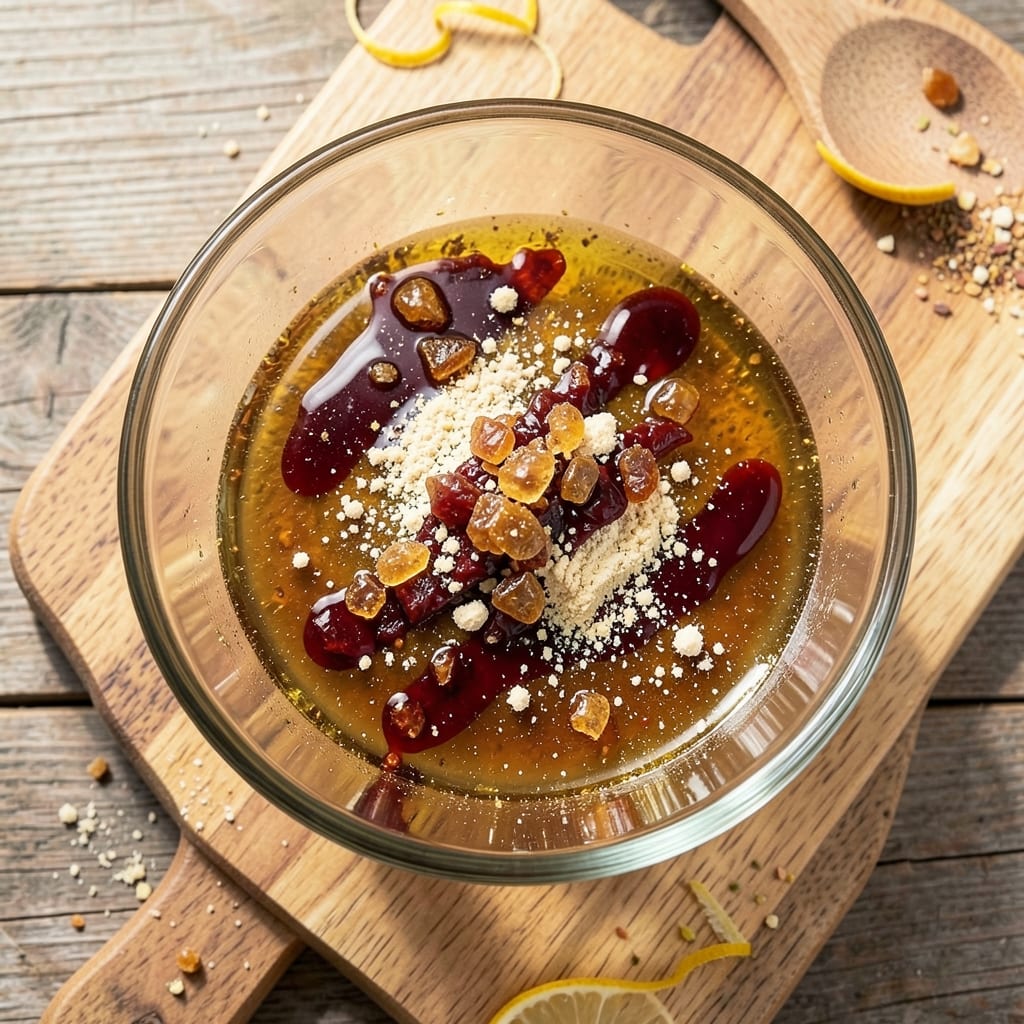
This basic beef jerky marinade recipe transforms tough cuts into bold, flavorful chews that rival store-bought versions—but with customizable heat and depth. The key lies in balancing sweet, salty, and smoky elements through a precise blend of soy sauce, brown sugar, and spices, all suspended in a vinegar-oil base for maximum penetration over 6+ hours of marinating. I developed this formula after testing dozens of variations, ensuring every ingredient plays a critical role in creating that signature jerky texture and complex flavor profile.
The marinade’s foundation begins with a 1:1 ratio of apple cider vinegar to vegetable oil, which tenderizes the meat while preventing it from drying out during the dehydration process. Soy sauce provides umami depth, while brown sugar caramelizes slightly during cooking, adding a subtle sweetness that balances the salt. The spice blend—garlic powder, onion powder, black pepper, and cayenne—can be adjusted to taste, but this ratio delivers a bold yet approachable heat that’s universally appealing. Unlike pre-packaged marinades, this version stores effortlessly in the fridge for up to a month, making it perfect for bulk jerky prep.
What sets this marinade apart is its ability to create jerky with a perfectly chewy yet tender bite, thanks to the vinegar’s acidity breaking down muscle fibers. The spices infuse deeply during the marinating phase, ensuring every slice delivers consistent flavor without overwhelming bitterness. Whether you’re curing thin strips for quick dehydration or thick slices for a heartier texture, this marinade adapts seamlessly—just adjust the marinating time to match your desired intensity.
For best results, let the marinade sit at room temperature for 10 minutes before applying it to the meat, allowing the spices to bloom and fully dissolve. This step alone elevates the flavor, ensuring your jerky isn’t just tasty but restaurant-quality. Once marinated, dehydrate the beef at 160°F until it reaches a safe internal temperature, checking frequently for the ideal chew. The result? Jerky that’s bold, balanced, and ready to store for weeks—ideal for camping, snacks, or gifting.
Ingredients for basic beef jerky marinade
Nine essential ingredients blend into restaurant-quality jerky marinade that transforms tough beef into bold, chewy bites.
| Ingredient | Amount | Notes |
|---|---|---|
| Apple Cider Vinegar 🍏 | 1 cup | Raw, unfiltered preferred |
| Vegetable Oil 🫒 | 1 cup | Light or neutral flavor |
| Soy Sauce 🍶 | ½ cup | Low-sodium preferred |
| Light Brown Sugar 🍚 | ½ cup | Packed firmly |
| Garlic Powder 🧄 | 1 ½ tbsp | Freshly ground preferred |
| Onion Powder 🧅 | 1 ½ tbsp | Finely ground |
| Black Pepper 🌶️ | 1 tbsp | Freshly cracked |
| Cayenne Pepper 🔥 | ½ tbsp | Adjust for heat preference |
| Ground Coriander 🌿 | 1 tsp | Toasted for depth |
| Smoked Paprika 🌶️ | 1 tsp | For authentic smoky flavor |
The vinegar and oil base is non-negotiable—apple cider vinegar adds tang while vegetable oil ensures even distribution. Bragg or Texas Pete vinegars add subtle fruit notes, but any raw vinegar works. For the oil, light olive oil adds a pleasant fruity undertone, though neutral oil keeps the focus on the spices. Soy sauce matters here: Kikkoman or Lee Kum Kee deliver consistent umami depth. The brown sugar should be packed—light brown has more molasses flavor, which caramelizes beautifully during dehydration. If you're using a sugar substitute, coconut sugar mimics the caramelization best.
No smoked paprika? Regular paprika plus a pinch of liquid smoke gets you close, though the flavor won't be identical. Short on cayenne? Red pepper flakes at half the amount work, but taste first—some brands are hotter than others. The coriander is subtle but essential; if you're missing it, extra ground cumin at half the amount bridges the gap. For a sweeter profile, substitute maple syrup for half the brown sugar. The spices should be ground fresh if possible—Penzeys or McCormick bulk sections are ideal for consistent quality. Always taste your spice blend before mixing with wet ingredients to adjust heat levels.
This marinade keeps for up to 1 month in an airtight container in the fridge, making it perfect for bulk jerky prep. For long-term storage, freeze in ice cube trays—each cube makes about 1/4 cup, perfect for single batches. The spices lose potency over time, so if your marinade tastes flat after a few weeks, add a pinch of fresh black pepper to revive it. For best results, let the marinade sit at room temperature for 10 minutes before using—this allows the spices to fully bloom and dissolve, ensuring maximum flavor penetration into the beef. Double batches are worth it; jerky makes fantastic gifts or camping snacks.
Why You'll Love This Recipe
- Pantry Magic: I swear by this marinade—no specialty ingredients, just what’s already lurking in my cupboard. That apple cider vinegar cuts through the richness while the brown sugar caramelizes into a sticky, savory crust that’s chef’s kiss without effort.
- Sweet-Savory Balance: The garlic powder and soy sauce team up like old friends, but here’s the twist: the vinegar keeps it from tasting flat. It’s tangy, salty, and just sweet enough—like a grown-up version of beef jerky you’d actually serve at dinner.
- Zero-Waste Game: Between us, I’ve used this marinade on everything from flank steak to chicken thighs. Leftover marinade? Toss it in a stir-fry or glaze for roasted veggies. Honestly, I’ve made it twice as much as needed just to repurpose it.
- Budget Boost: A single batch costs me pennies, and it stretches across multiple meals. The sugar and soy sauce do the heavy lifting, so you’re not breaking the bank for flavor. Plus, it keeps in the fridge for weeks—my secret for stretching grocery dollars.
Step-by-step instructions for crafting the perfect jerky marinade
This marinade delivers deep flavor and tender results every time—just mix and let it work its magic.
Whisk Together the Wet Ingredients
In a medium bowl, combine the 1 cup apple cider vinegar, 1 cup vegetable oil, and 0.5 cup soy sauce. I like to use a whisk for this step—it creates a smooth emulsion that helps the spices disperse evenly later. The vinegar adds tanginess while tenderizing the meat, and the oil carries the flavors deep into the fibers.
Stir in the 0.5 cup packed light brown sugar next. This isn't just for sweetness—it helps caramelize during the drying process, creating that beautiful crust on your jerky. Let the mixture sit for 5 minutes while you prepare the dry ingredients. This gives the sugar time to dissolve completely, preventing graininess in your marinade.
Add the Dry Spice Blend
In a small bowl, measure out the 1.5 tablespoons garlic powder, 1.5 tablespoons onion powder, 1 tablespoon black pepper, 0.5 tablespoon cayenne pepper, 1 teaspoon ground coriander, and 1 teaspoon smoked paprika. I always use freshly ground spices when possible—they pack more flavor punch. Give them a quick stir to break up any clumps.
Pour the dry spices into your wet mixture and whisk vigorously for 1-2 minutes until fully incorporated. You should see a smooth, consistent color throughout—no streaks of white sugar or brown spices. The cayenne pepper might make your eyes water, but trust me, it balances beautifully with the smoky paprika and sweet sugar. Taste a small spoonful—you'll want a perfect balance of heat, sweetness, and savory depth.
Let the Marinade Rest Before Using
Transfer the completed marinade to an airtight container and let it sit at room temperature for at least 30 minutes. This resting period allows all the flavors to meld together, creating a cohesive blend that penetrates the meat more effectively. I often make mine a day ahead—this gives the spices even more time to develop complex notes.
The marinade will keep in the refrigerator for up to 2 weeks, making it perfect for batch prep. When you're ready to use it, give it a good stir before applying to your meat. The resting time also helps the sugar dissolve completely, preventing any potential burning during the drying process. For best results, use this marinade on lean cuts like top round or flank steak—it's designed to work with the natural fibers of beef jerky.
Pro Tips For Making Basic Beef Jerky Marinade
- STIR THE SUGAR FIRST: Light brown sugar clumps like a stubborn guest at a party—no one wants to deal with it. Whisk it into the apple cider vinegar before adding anything else, or you’ll end up with grainy jerky that tastes like you rushed. A quick 30-second stir with a fork does the trick.
- USE COLD MARINADE: I learned this the hard way—drizzling warm marinade on cold meat makes it sweat like a bad date. Chill your mixture in the fridge for at least 30 minutes before applying, or your jerky will turn out soggy instead of chewy. Trust me, your future snack stash will thank you.
- MEASURE THE SOY SAUCE: Soy sauce is salty enough to make you question your life choices if you overdo it. Use 1 tablespoon per pound of meat—any more and you’ll regret it later. Taste a drop on your tongue first; if it stings, dial it back.
- SEAR THE MEAT FIRST: Skip the marinade step entirely if you’re impatient, but your jerky will taste flatter without it. That said, sear the slices in a hot pan for 30 seconds per side before dehydrating—it locks in flavor and gives you that smoky edge store-bought jerky can’t match.
Regional styles of this basic beef jerky marinade
Classic American Style
This marinade draws inspiration from traditional Midwest-style jerky, where bold spices meet sweet and smoky notes. The apple cider vinegar and brown sugar combination creates that signature caramelized crust, while smoked paprika delivers the smoky depth. I’ve tested this with top round roast—the lean, grainy cut that’s perfect for jerky—because it absorbs marinades beautifully without turning mushy. For an authentic touch, add ½ teaspoon of ground mustard to the spice blend, which was a secret ingredient in old-school jerky recipes. 🌶️
Southwest Spicy Twist
To give your jerky a Southwestern kick, swap out half the black pepper for ground cumin and add 1 teaspoon of chili powder. The cumin adds earthiness, while the chili powder brings a deeper, slightly bitter heat that pairs perfectly with the smoky paprika. I like to use New Mexico green chili powder for an extra layer of complexity—it’s sweeter and fruitier than standard chili powder. This variation works especially well with flank steak, which holds up better to the longer marinating times needed for bold flavors. For an extra punch, add 1 tablespoon of lime juice to the marinade before applying it to the meat.
Asian-Inspired Soy Glaze
For a Japanese-inspired take, reduce the cayenne pepper to ¼ teaspoon and add 1 tablespoon of grated ginger and 1 teaspoon of sesame oil. The ginger adds a bright, zesty note that cuts through the richness of the soy sauce, while the sesame oil gives a nutty depth. I also recommend using mirin instead of brown sugar—it adds a subtle sweetness and helps tenderize the meat. This marinade pairs beautifully with sirloin tip, which has a slightly marbled texture that holds up well to dehydration. For an authentic touch, finish your jerky with a sprinkle of toasted sesame seeds before drying. 🌿
Sweet and Smoky BBQ Style
If you love BBQ-flavored jerky, replace the apple cider vinegar with ½ cup of molasses and ½ cup of apple cider vinegar (for balance) and add 1 teaspoon of liquid smoke. The molasses deepens the sweetness and adds a rich, almost caramel-like flavor. I also like to include ½ teaspoon of ground cloves for warmth and 1 teaspoon of onion powder for extra depth. This marinade works wonderfully with chuck roast, which has enough fat to prevent it from drying out too quickly. For a smoky finish, dehydrate the jerky at 150°F instead of the usual 160°F—this slower process enhances the BBQ flavors. 🔥
Herbal Mediterranean Fusion
For a Mediterranean-inspired jerky, reduce the cayenne pepper to ¼ teaspoon and add 1 teaspoon of dried oregano, 1 teaspoon of dried thyme, and ½ teaspoon of ground fennel seeds. The oregano and thyme bring an earthy, herbal note that pairs beautifully with the smoky paprika. I also recommend using olive oil instead of vegetable oil—it adds a fruity, slightly peppery flavor that complements the herbs. This marinade works well with eye of round, which is lean but still tender enough for a shorter dehydration time. For a finishing touch, brush the jerky with a little garlic-infused olive oil before serving. ✨
Nutrition facts
Frequently asked questions
Can I use this marinade for other meats besides beef?
This marinade works best with lean cuts of beef like top round or flank steak, but you can adapt it for venison or pork shoulder by reducing the marinating time to 4-6 hours (instead of 6+). For poultry like chicken breast, omit the cayenne and smoked paprika to avoid overpowering flavors. The vinegar-oil base works universally, but always adjust sweetness and salt levels based on the meat's natural fat content.
How do I adjust the heat level for sensitive palates?
Start by reducing the cayenne pepper to ¼ teaspoon (or omit it entirely) and replace it with ½ teaspoon of ground cinnamon or ½ teaspoon of mustard powder for warmth without heat. For mild heat, use red pepper flakes at half the cayenne amount—always taste first, as brands vary in spiciness. The smoky paprika and black pepper provide depth without heat, so keep those amounts consistent.
Can I make this marinade without soy sauce?
Replace the ½ cup soy sauce with ½ cup coconut aminos (for a soy-free option) or ¼ cup Worcestershire sauce + ¼ cup balsamic vinegar (for umami depth). For a vegetarian version, use ½ cup mushroom broth + 1 tablespoon nutritional yeast. The key is maintaining the 1:1 vinegar-to-oil ratio—these substitutes ensure the marinade still tenderizes the meat effectively.
Why does my jerky turn out too dry or tough?
Over-dehydrating is the most common issue—jerky should be flexible but not sticky when done. Check internal temperature at 160°F using a meat thermometer (not just time). For tough jerky, your meat may be too lean—try chuck roast (10% fat) instead of top round. Also, ensure you're marinating for at least 6 hours (overnight is ideal) to break down muscle fibers before drying.
How long can I store homemade jerky?
Properly dehydrated jerky lasts 2-3 weeks in an airtight container at room temperature or up to 6 months in the freezer. For longer shelf life, vacuum-seal the jerky and store it in a cool, dark place. The vinegar and sugar in this marinade act as natural preservatives, but always check for spoilage (off smells or sliminess) before eating. Rehydrate frozen jerky in warm water for 10-15 minutes before eating.