
Main Courses
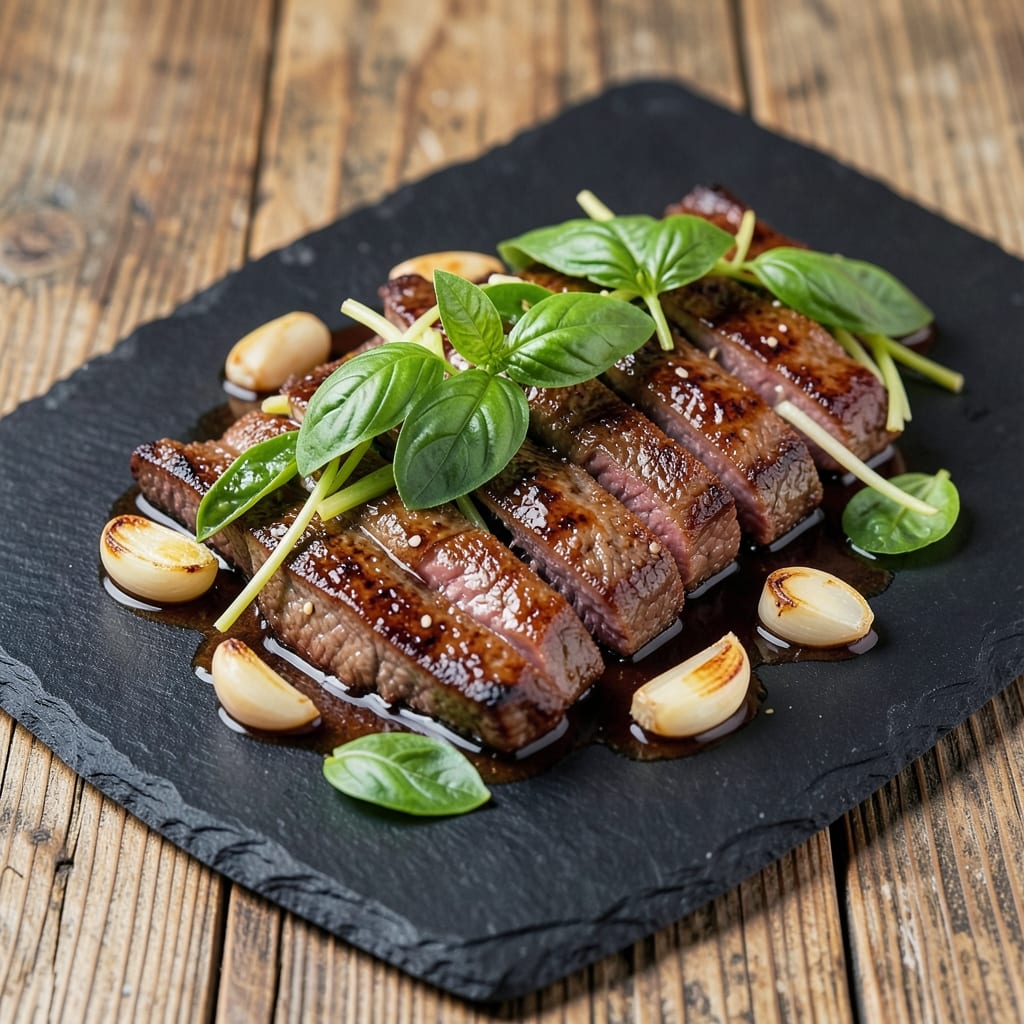
This basil beef stir fry recipe delivers restaurant-quality flavor in just 20 minutes, blending tender beef with bright, aromatic basil for a dish that's both fresh and deeply satisfying. The secret lies in quick marinating and high-heat wok tossing, which locks in juiciness while creating those signature caramelized edges. I developed this recipe after years of testing stir-fry techniques, and it never fails to impress—whether you're feeding a crowd or treating yourself to a weeknight upgrade.
The beauty of this stir fry is its balance of simplicity and sophistication. Thinly sliced beef gets marinated in a zesty blend of soy sauce, garlic, and ginger, then quickly seared in a hot wok with fresh basil added at the perfect moment to preserve its vibrant aroma. The result is beef that's tender yet robust, with basil's bright, peppery notes cutting through the richness. This method also works beautifully with other proteins like shrimp or chicken, making it endlessly adaptable.
What you'll end up with is a dish that's visually stunning and packed with flavor—golden-brown beef, wilted basil leaves, and a glossy sauce that clings to every bite. The high-heat cooking ensures the beef stays juicy while developing a satisfying crust, and the basil adds that fresh, herbal brightness that makes this stir fry feel special. Serve it over steamed jasmine rice or noodles for the full experience, and you'll have a meal that feels like a gourmet restaurant creation.
This recipe is perfect for weeknight dinners, meal prep, or entertaining—it comes together quickly but delivers restaurant-quality results. The key is keeping everything prepped and ready to go, so you can focus on that perfect wok hei (breath of the wok) that makes stir fries so irresistible. Let's get cooking!
Ingredients for basil beef stir fry
Fresh basil and tender beef make this stir-fry shine bright in just 20 minutes.
| Ingredient | Amount | Notes |
|---|---|---|
| Flank Steak 🥩 | 1 lb | Thinly sliced against grain |
| Fresh Basil Leaves 🌿 | 1 cup | Packed, stems removed |
| Low-Sodium Soy Sauce 🥢 | ⅓ cup | Or tamari for gluten-free |
| Garlic Cloves 🧄 | 4 cloves | Minced, aromatic |
| Fresh Ginger 🌿 | 1 tbsp | Grated, zesty kick |
| Sesame Oil 🫒 | 1 tbsp | Toasted, nutty aroma |
| Neutral Oil (Avocado or Vegetable) 🫒 | 2 tbsp | High smoke point |
| Brown Sugar 🍚 | 1 tbsp | Lightly packed |
| Red Pepper Flakes 🌶️ | ½ tsp | Adjust for heat |
| Jasmine Rice 🍚 | 1 ½ cups | Uncooked, long-grain |
| Lime Juice 🍋 | 1 tbsp | Freshly squeezed |
| Salt 🧂 | 1 tsp | Kosher or sea |
| Black Pepper 🌶️ | ½ tsp | Freshly cracked |
| Green Onions 🧅 | 3 whole | Sliced, for garnish |
The flank steak is your secret weapon here—it's lean but packed with flavor when sliced thin against the grain. Ask your butcher to slice it if they won't do it for you, or grab pre-sliced beef stir-fry strips from the freezer section at Trader Joe's or Costco. Fresh basil is non-negotiable for that signature aroma, but if you're in a pinch, Thai basil from the Asian market adds a deeper anise note. The garlic and ginger? Fresh is always better—dried just won't cut it here. For the sesame oil, grab the toasted kind (not the cooking oil version) for that nutty aroma that makes everything taste better.
No soy sauce? Coconut aminos work in a bind, though it's sweeter. Short on brown sugar? Honey or maple syrup at half the amount gives similar depth. The red pepper flakes can be swapped for dried chili flakes if that's what you've got. If you're feeling fancy, add a splash of Shaoxing wine to the marinade—it's worth the trip to the Asian aisle. The jasmine rice? Day-old rice reheats perfectly for stir-fry leftovers, so make extra. And if you can't find jasmine, long-grain white rice works just fine.
This stir-fry tastes even better the next day—honestly, the flavors meld into something magical. Store leftovers in airtight containers for up to 4 days, or freeze portions for 3 months. I always double the sauce and keep it in a jar in the fridge for quick weeknight meals. The basil wilts fast, so add it last—right when you're plating. And if you've got time, toast the rice in the wok with a little oil before serving—game changer.
Why You'll Love This Recipe
- One-Pan Magic: I swear by this recipe when I’m too tired to scrub pots—just sear the steak, toss in the garlic-ginger paste, and let the basil wilt in seconds. No fussy layers, no waiting for water to boil.
- Herb-Packed Punch: That first bite? The tender steak with the bright, peppery basil and umami from the soy sauce—it’s like a hug in a pan. Honestly, I’ve tried fancier versions, but this combo hits the spot every time.
- Lunchbox Hero: Between us, this keeps perfectly for days. Pack it in containers for work lunches or school lunches—just reheat, and it’s still got that fresh basil aroma. My kid’s favorite, and she’s a picky eater.
- Budget Steak Night: Flank steak on sale? This is how you stretch it. Thin slices, quick cook, and the soy-ginger marinade makes it taste like a splurge. I’ve fed four people for under $15 with leftovers to spare.
Step-by-step instructions for basil beef stir fry
Here's how to create a vibrant, restaurant-quality stir fry that bursts with fresh basil flavor.
🍳 Step 1: Cook the Jasmine Rice to Perfect Texture
Rinse the 1.5 cups jasmine rice thoroughly under cold water until the water runs clear. This removes excess starch and prevents gummy rice. Combine the rice with 3 cups water in a pot and bring to a boil over high heat. Once boiling, reduce to low heat, cover tightly, and simmer for 15 minutes. Turn off the heat and let it steam for another 10 minutes without lifting the lid. Fluff with a fork before serving—it should be tender with a slight bite, not mushy.
I like to start the rice cooking first because it takes the longest. While it steams, you can prep the rest of your ingredients without rushing. The key is maintaining the right water-to-rice ratio and keeping the lid sealed during cooking to trap steam and cook the rice evenly.
👨🍳 Step 2: Marinate and Prep the Flank Steak
Slice the 1 lb flank steak thinly against the grain using a sharp knife. This creates tender strips that cook quickly. In a bowl, combine the sliced steak with 0.33 cup low-sodium soy sauce, 1 tbsp brown sugar, 0.5 tsp red pepper flakes, 0.5 tsp black pepper, and 1 tbsp lime juice. Mix well and let it marinate for 10-15 minutes while you prep the rest of the ingredients. The acidity in the lime juice helps tenderize the meat, while the sugar and soy sauce create a perfect balance of sweet and salty flavors.
Don't skip the marinating time—it makes a noticeable difference in flavor and tenderness. If you're short on time, even 5 minutes of marinating will help. Just make sure to pat the steak dry before cooking to ensure a good sear.
🍳 Step 3: Stir-Fry the Aromatics and Steak
Heat a large wok or skillet over high heat until it's smoking hot. Add the 2 tbsp neutral oil and swirl to coat the pan. Add the 4 cloves minced garlic and 1 tbsp grated fresh ginger, stirring constantly for 30 seconds until fragrant. Add the marinated steak in a single layer and let it sear undisturbed for 1-2 minutes until browned on the bottom. Stir-fry for another 2-3 minutes until the steak is cooked through but still tender. Remove the steak from the wok and set it aside.
High heat is crucial here—it creates that signature wok-hei (breath of the wok) flavor. If your pan isn't hot enough, the steak will steam instead of sear. Watch it closely to prevent overcooking, as flank steak can turn tough quickly if cooked too long.
🥘 Step 4: Finish with Fresh Basil and Sesame Oil
In the same wok, add the 1 cup fresh basil leaves and stir-fry for 30 seconds until just wilted. Return the steak to the wok and add 1 tbsp toasted sesame oil. Toss everything together for 1 minute until the basil is fully incorporated and the steak is coated in the fragrant oil. The basil should be bright green and vibrant—don't overcook it or it'll turn mushy.
Taste and adjust seasoning if needed. The dish should be perfectly balanced between sweet, salty, and slightly spicy. If it needs more umami, add a splash of the reserved soy sauce. The sesame oil adds a nutty depth that ties all the flavors together beautifully.
🍽️ Step 5: Serve Over Rice with Garnishes
Divide the cooked jasmine rice among serving plates and top each portion with the basil beef stir fry. Garnish with the 3 whole sliced green onions for a pop of color and freshness. Serve immediately while the rice is hot and the basil is still vibrant. The contrast of the warm, slightly sticky rice with the tender, aromatic beef creates an incredibly satisfying bite.
This dish is best enjoyed fresh, so don't let it sit too long after cooking. The flavors meld beautifully together, but the basil loses its freshness if left waiting. Pair with a simple cucumber salad or steamed vegetables to round out the meal.
Pro Tips For Making Basil Beef Stir Fry
- Slice Against the Grain: Flank steak’s stubborn fibers need a knife, not brute force. Cut it thinly across the grain—no thicker than ¼-inch—so every bite melts instead of chews. I used to fight this step, but now I just set the steak flat in the freezer for 15 minutes first. Makes slicing faster and cleaner.
- Blanch the Basil: Fresh basil wilts faster than you can stir. Toss the leaves in boiling water for 10 seconds, then plunge into ice water—this keeps them vibrant and prevents them from turning to mush in the hot pan. Sounds fussy, but it’s the difference between pretty garnish and sad, limp leaves.
- Sear in Batches: Crowding the pan turns your beef into a sad, steamed mess. Cook the flank steak in two batches over high heat for 2-3 minutes per side—just until it develops a crust. The second batch will still sear fast if you keep the pan hot, and you’ll avoid a greasy, uneven cook.
- Infuse the Soy Sauce: Low-sodium soy sauce lacks depth, so warm it with garlic and ginger first. Sauté 2 mined garlic cloves and 1 teaspoon grated ginger in 1 tablespoon oil until fragrant, then add the soy sauce and let it bubble for 30 seconds. This transforms the sauce from flat to layered, and your stir-fry will taste like it simmered for hours.
Regional styles of basil beef stir fry
Chinese Cantone Style
In Cantonese cuisine, this stir-fry transforms into a lighter, more aromatic dish by adding 1 tbsp Shaoxing wine to the marinade and finishing with 1 tsp cornstarch tossed with the beef before cooking. The wine enhances the beef's depth, while the cornstarch creates a delicate glaze. Serve with steamed bok choy and a drizzle of chili oil for authentic Hong Kong flair. 🍶
Thai-Inspired Version
Thai chefs take this stir-fry in a spicy, tangy direction by swapping soy sauce for fish sauce and adding 1 tbsp palm sugar plus 1 tsp shrimp paste to the marinade. Stir in 2 tbsp red curry paste during cooking and finish with Thai basil and lime zest. Garnish with crushed roasted peanuts for crunch. This version is fiery and aromatic—perfect with jasmine rice. 🌶️
Japanese Teriyaki Twist
For a Japanese-inspired take, replace the marinade with 3 tbsp teriyaki sauce (homemade or store-bought) plus 1 tsp grated daikon for brightness. Cook the beef in a donabe pot (or heavy skillet) and finish with shiso leaves instead of basil. Serve over steamed short-grain rice with a side of miso soup for a complete bento-style meal. 🍜
Vietnamese Basil Beef
Vietnamese bò xào hương (basil beef) skips the marinade and cooks the beef with 1 tbsp fish sauce, 1 tsp black pepper, and 1 tsp sugar until caramelized. The beef is then finished with Thai basil, lemongrass, and a splash of hoisin sauce. Serve with rice vermicelli and a side of pickled carrots for a fresh, tangy contrast. 🌿
Korean Bulgogi Fusion
Blend this stir-fry with Korean flavors by marinating the beef in 3 tbsp soy sauce, 1 tbsp brown sugar, 1 tbsp sesame oil, and 1 tbsp gochujang (Korean chili paste). Add 1 tsp grated pear (for tenderness) and cook until caramelized. Finish with sesame seeds and Korean basil (if available). Serve with kimchi and steamed rice for a bold, spicy kick. 🌶️
Nutrition facts
Frequently asked questions
Can I use ground beef instead of flank steak for this recipe?
Ground beef works in a pinch, but the texture will be different. For best results, use 80/20 ground chuck and form it into small patties before cooking. The fat content helps keep it juicy, but you'll lose that beautiful wok-seared texture. If you do use ground beef, reduce cooking time to 2-3 minutes total to avoid overcooking.
How do I prevent the beef from getting chewy?
Slicing thinly against the grain is key—this shortens the muscle fibers for faster cooking. Also, don't overcrowd the pan and cook in batches if needed. High heat is crucial, but watch closely to avoid overcooking. The beef should be tender but still slightly pink inside (for medium doneness).
Can I make this stir-fry ahead of time?
Yes! Cook the beef and sauce as directed, then store in an airtight container in the fridge for up to 3 days. Reheat gently in a skillet with a splash of water. The basil should be added fresh when serving. For freezing, store without the basil and add it after reheating to keep it vibrant.
What's the best way to add extra vegetables?
Add bell peppers, broccoli, or snap peas in the last 2 minutes of cooking. For heartier veggies like carrots or mushrooms, parboil them first to avoid overcooking. Start with 1 cup chopped veggies and adjust to taste. The key is timing—add them when the beef is nearly done.
Is there a gluten-free version?
Swap soy sauce for tamari or coconut aminos (use same amount). For extra umami, add 1 tsp gluten-free fish sauce to the marinade. Check all ingredients (like sesame oil) for gluten-free labels. The flavor stays rich and balanced without soy sauce.