
Soups & Stews
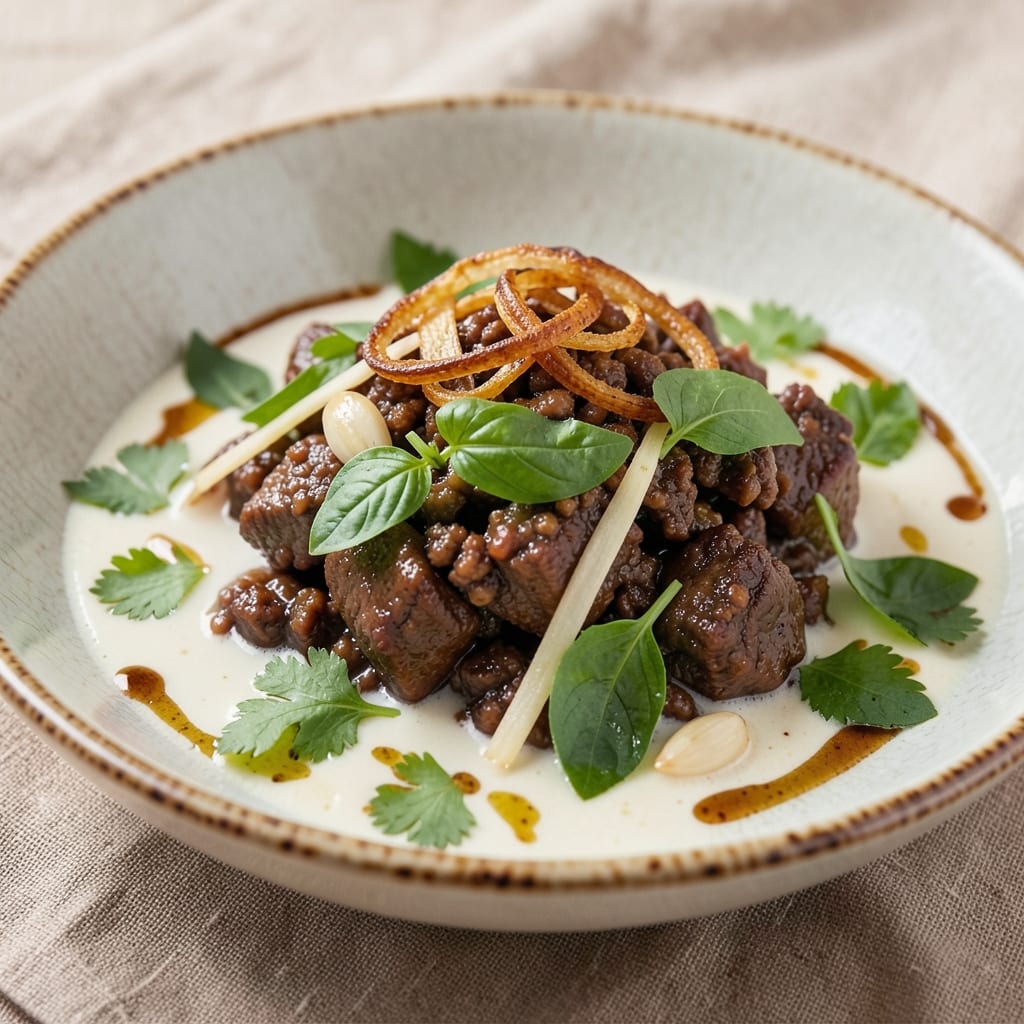
This basil minced beef recipe transforms simple ground meat into a fragrant, aromatic one-pot dish that captures the essence of Thai cuisine. The key lies in properly browning the beef first—this essential step develops deep, savory flavors that simmer beautifully with fresh basil and aromatic spices. What starts as raw ingredients becomes a rich, tender dish with layers of complexity you'd expect from a restaurant special.
The beauty of this recipe is its simplicity: just one pot, minimal prep, and ingredients you likely already have. We'll build flavor through careful cooking techniques—browning the beef until deeply caramelized, then simmering it with garlic, ginger, and Thai-inspired seasonings. The basil adds a bright, fresh contrast that cuts through the richness, creating a perfect balance of flavors. It's the kind of dish that gets better as it simmers, with aromas filling your kitchen that will have everyone gathering around the table.
By the time you're done, you'll have perfectly tender minced beef with a glossy, fragrant sauce that coats every bite. The dish is versatile enough to serve over rice or noodles, making it perfect for weeknight dinners or meal prep. What makes this recipe truly special is how it delivers restaurant-quality results with minimal effort—no fancy techniques required, just attention to the browning and simmering process.
Pair it with steamed jasmine rice or fresh herbs for garnish to complete the presentation. The one-pot method means less cleanup and more time enjoying the meal, proving that impressive dishes don't have to be complicated. Let's get started with this fragrant, flavorful recipe that brings Thai-inspired comfort to your table.
Ingredients for basil minced beef
Just 14 ingredients transform simple ground beef into fragrant, restaurant-quality Thai-inspired one-pot simmer.
| Ingredient | Amount | Notes |
|---|---|---|
| Minced Beef 🥩 | 1 lb | 80/20 fat ratio preferred |
| Fresh Basil Leaves 🌿 | ½ cup | Packed, stems removed |
| Garlic Cloves 🧄 | 4 cloves | Minced for aromatic base |
| Fresh Ginger 🌿 | 1 tbsp | Grated, not powdered |
| Coconut Milk 🥥 | 13 ½ oz | Full-fat canned preferred |
| Fish Sauce 🍶 | 1 tbsp | Red Boat brand recommended |
| Soy Sauce 🍶 | 1 tbsp | Light or dark preferred |
| Brown Sugar 🍚 | 1 tbsp | Light or dark preferred |
| Thai Chili Paste 🌶️ | 1 tbsp | Maesri or Maesod brand |
| Olive Oil 🫒 | 1 tbsp | For browning beef |
| Vegetable Oil 🫒 | 1 tbsp | For simmering sauce |
| Salt 🧂 | ½ tsp | Adjust to taste |
| Black Pepper 🌶️ | ¼ tsp | Freshly ground preferred |
| Jasmine Rice 🍚 | 1 ½ cups | Uncooked, for serving |
The beef is where flavor starts. 80/20 fat ratio gives you that perfect caramelized crust when browning—don't skip this step. Costco or local butchers usually carry pre-minced beef, but if you're grinding your own, use chuck roast for best texture. Fresh basil and ginger are non-negotiable here; Thai markets often have better quality than grocery stores. For the coconut milk, full-fat canned (like Thai Kitchen brand) creates the richest sauce—light versions won't cut it. The fish sauce should smell pungent but not fishy; Red Boat is the gold standard.
No fresh basil? Dried at half the amount works in a pinch, but you'll miss that bright freshness. Running low on Thai chili paste? Sriracha plus a pinch of sugar gets you close, though it won't be quite the same. The brown sugar can be swapped for white sugar plus a pinch of cinnamon if you're out. For a vegetarian version, replace the beef with extra-firm tofu pressed and crumbled—just add it after simmering to avoid sogginess. The jasmine rice should be uncooked, long-grain for that perfect texture; basmati works too but lacks the floral aroma.
This dish tastes even better the next day as flavors meld. Store leftovers in an airtight container for up to 4 days in the fridge. For freezing, portion into single-serving containers—it reheats beautifully straight from frozen. The sauce thickens as it cools, so add a splash of water or coconut milk when reheating. Serve over steamed rice or noodles, and always garnish with fresh basil leaves torn by hand for that restaurant touch. The one-pot method means minimal cleanup—just that one pot plus a cutting board.
Why You'll Love This Recipe
- No-Chop Needed: I swear by this one—just measure, mince, and stir. The basil and ginger do all the work while you’re chopping veggies for the side (or not, because let’s be real, sometimes you skip those too).
- Herb Bomb Flavor: That fresh basil and garlic combo? It’s like a flavor grenade—bright, punchy, and just creamy enough from the coconut milk to balance it. The ginger adds a little kick without overpowering, and honestly, it’s the kind of dish that makes you want to eat it straight from the pan.
- Lunchbox Hero: Between us, this is my go-to for packed lunches. It reheats like a dream, stays moist, and even my picky-eating coworker asks for it. Plus, the coconut milk keeps it rich enough to feel like a treat, not a sad office meal.
- Budget Stretch: Minced beef and coconut milk stretch far, and fresh basil (even a small bunch) goes a long way. I make a double batch, freeze half, and boom—next month’s dinner is sorted. No fancy ingredients, just solid, reliable flavor that won’t break the bank.
Step-by-step instructions for basil minced beef simmer
This Thai-inspired dish delivers bold flavors in a single aromatic pot.
Prepare the Aromatic Base
Heat the 1 tablespoon vegetable oil in a large pot over medium-high heat until shimmering. Add the 1 lb minced beef and cook, stirring frequently, until it loses its raw color—about 3-4 minutes. You want the beef to brown slightly but not fully cook through at this stage.
Push the beef to one side of the pot and add the 1 tablespoon olive oil, 4 cloves minced garlic, and 1 tablespoon grated fresh ginger. Stir for 30 seconds until fragrant—this releases the aromatic compounds that form the dish's foundation. If the garlic starts to brown too quickly, reduce heat to medium to prevent burning.
Build the Flavor Layers
Add the 1 tablespoon Thai chili paste, 1 tablespoon soy sauce, 1 tablespoon fish sauce, and 1 tablespoon brown sugar to the pot. Stir vigorously for 1 minute until the paste dissolves and the mixture becomes glossy. The sugar will begin to caramelize slightly, deepening the umami flavor profile.
Pour in the 13.5 oz coconut milk and bring the mixture to a gentle simmer. Reduce heat to low and let it cook uncovered for 10 minutes, stirring occasionally. You'll notice the sauce thicken slightly as the coconut milk reduces, and the aromatic oils rise to the surface—this is when the flavors truly meld.
Incorporate the Basil and Season
Add the 0.5 cup packed fresh basil leaves (stems removed) to the simmering mixture. Stir gently for 2 minutes until the basil wilts and releases its bright, herbal notes. The leaves should soften but retain some texture—this prevents the dish from becoming overly mushy.
Season with the 0.5 teaspoon salt and 0.25 teaspoon black pepper, then taste and adjust if needed. The fish sauce and soy sauce should provide enough saltiness, but the pepper adds a subtle heat that balances the coconut's richness. Let the mixture simmer uncovered for another 5 minutes to allow the basil to infuse fully.
Cook the Jasmine Rice Separately
While the beef simmer continues, prepare the 1.5 cups jasmine rice according to package instructions. I prefer using a 1:1.5 rice-to-water ratio and simmering for 15 minutes on low heat after the initial boil. The rice should be tender but still have a slight bite—jasmine rice absorbs less water than other varieties, so don't overcook it.
Fluff the rice gently with a fork and set aside. The key here is to keep the rice separate from the beef mixture until serving. This prevents the rice from absorbing too much of the rich, coconut-based sauce, which would make it gummy rather than fluffy.
Combine and Serve Immediately
Once the rice is cooked, transfer it to a serving platter and make a well in the center. Spoon the basil minced beef mixture over the rice, allowing the sauce to lightly coat the grains. The contrast between the fragrant, slightly spicy beef and the delicate jasmine rice creates the perfect balance of textures and flavors.
Serve immediately, as the basil continues to release its aroma when hot. Garnish with additional fresh basil leaves if desired, and pair with a simple cucumber salad or steamed greens to cut through the richness. The dish should be aromatic, with layers of sweet, spicy, umami, and herbal notes in every bite.
Pro Tips For Making Basil Minced Beef
- CRUSH THE GINGER: Use a microplane or mortar and pestle instead of grating—this releases more oils and flavor without watering down your sauce. I tried mincing it with a knife once, and it turned the coconut milk into soup.
- SALT THE BASIL: Toss the basil leaves in a pinch of salt before adding them to the pan—it softens the leaves so they release flavor instead of staying stubbornly crisp. Yes, it sounds odd, but it works.
- LOW AND SLOW: Don’t rush the simmer—let the minced beef cook at a gentle bubble for at least 15 minutes. I used to crank the heat, and the beef would turn rubbery; patience here makes all the difference.
- STIR IN COCONUT MILK LAST: Add the coconut milk only after the beef and aromatics are fully cooked, or it’ll dilute the flavors and make the dish taste bland. Wait until the last 5 minutes, then let it simmer just until heated through.
Best sauces and condiments for basil minced beef
Coconut Milk Sauce
The rich, velvety coconut milk sauce is the heart of this dish, providing depth and creaminess that balances the basil's brightness. I use full-fat canned coconut milk (like Thai Kitchen brand) because it creates a luxurious texture while keeping the dish light. For extra richness, simmer the sauce uncovered to let the coconut oils concentrate—this enhances the natural sweetness and reduces the sauce slightly for better texture. 🥥
If you're concerned about the coconut flavor overpowering the beef, don't be—it blends beautifully with the Thai chili paste and fish sauce. The key is to let the sauce reduce gradually over 15 minutes of simmering. For a lighter version, substitute half the coconut milk with chicken or vegetable broth, though the dish will lose some of its signature creaminess.
Thai Chili Paste
The Thai chili paste (Maesri or Maesod brand) adds layers of heat and complexity that set this dish apart. It contains dried chilies, garlic, shallots, and lemongrass, which infuse the beef with aromatic depth. For a milder version, reduce the amount to ½ tablespoon and add ½ teaspoon of sugar to balance the heat. If you can't find authentic Thai chili paste, a mix of Sriracha and a pinch of sugar works in a pinch, though it won't have the same depth of flavor.
Pro tip: Toast the chili paste in the pot for 10 seconds before adding other ingredients. This deepens its flavor by activating the oils in the paste through the Maillard reaction. Just be careful not to burn it—it should smell fragrant, not acrid.
Fish Sauce Balance
The fish sauce (Red Boat brand) is non-negotiable here—it provides the umami backbone that ties all the flavors together. Use it sparingly at first; you can always add more, but you can't take it out. Start with 1 tablespoon and adjust to taste, as some brands are saltier than others. For a vegetarian version, replace it with 1 tablespoon soy sauce plus ½ teaspoon miso paste for a similar savory depth.
If your fish sauce smells overly fishy, it's past its prime—replace it with a fresh bottle. The sauce should smell pungent but clean, with a slightly sweet, salty aroma. A quick test: if it smells like ammonia, toss it and buy a new one.
Sweet-Savory Glaze
The brown sugar in this recipe isn't just for sweetness—it caramelizes during cooking, creating a glossy, slightly sticky glaze that clings to the beef. For a deeper flavor, use dark brown sugar instead of light. If you're out, substitute white sugar plus a pinch of cinnamon for warmth. The sugar also helps balance the acidity from the fish sauce and the heat from the chili paste, creating harmony in every bite.
For a smoky twist, add ½ teaspoon of smoked paprika when you introduce the coconut milk. This works surprisingly well and adds a subtle depth that complements the basil beautifully.
Fresh Basil Finish
The fresh basil is added at the end to preserve its bright, herbal notes. Stirring it in gently for just 2 minutes ensures it wilts slightly but doesn't turn to mush. For a more intense flavor, use ½ cup basil leaves plus 1 tablespoon basil stems (chopped finely)—the stems add extra aroma. If you're using dried basil, reduce the amount to 1 tablespoon and add it with the other spices at the beginning.
For presentation, tear the basil leaves by hand rather than chopping them. This keeps the dish looking fresh and restaurant-quality. A sprinkle of toasted sesame seeds or crushed peanuts on top adds texture and a nutty contrast to the creamy sauce.
Nutrition facts
Frequently asked questions
Can I use ground beef instead of minced beef?
Yes, you can absolutely use ground beef—just make sure it's an 80/20 fat ratio for best flavor and texture. The key is to brown it properly to develop that rich, caramelized crust. If you're using leaner ground beef, add 1 teaspoon of oil to help with browning and prevent dryness.
How do I make this dish spicier?
For extra heat, add ½ teaspoon of red pepper flakes when toasting the Thai chili paste or increase the chili paste to 1.5 tablespoons. You can also stir in 1 sliced fresh chili (like Thai bird's eye) at the end. For a smoky kick, add ½ teaspoon smoked paprika with the coconut milk. Adjust to taste—spice builds as the dish cools!
Can I make this recipe without coconut milk?
Yes, but the dish will lose its creamy texture. Replace the coconut milk with 1 cup beef or chicken broth plus 2 tablespoons cornstarch (mixed with 2 tbsp water) to thicken the sauce. For a dairy option, use 1 cup heavy cream—just reduce the simmer time to 8 minutes to prevent curdling. The basil will still shine, but the sauce will be lighter.
Why does my beef turn out dry?
Overcooking is the most common cause. Brown the beef just until it loses its raw color (3-4 minutes), then remove it from the pot while you build the sauce. Add it back only when the sauce is ready to simmer. Also, avoid high heat—keep it at a gentle simmer to prevent moisture loss. For extra juiciness, add 1 tablespoon water or broth at the end.
How can I make this vegetarian?
Replace the beef with 1 lb extra-firm tofu, pressed and crumbled, or 1 lb mushrooms (like shiitake or cremini) finely chopped. Add the tofu or mushrooms after the sauce has simmered for 10 minutes to prevent sogginess. Use 1 tablespoon soy sauce plus ½ teaspoon miso paste instead of fish sauce for umami depth. The basil will still infuse beautifully!