
Main Courses
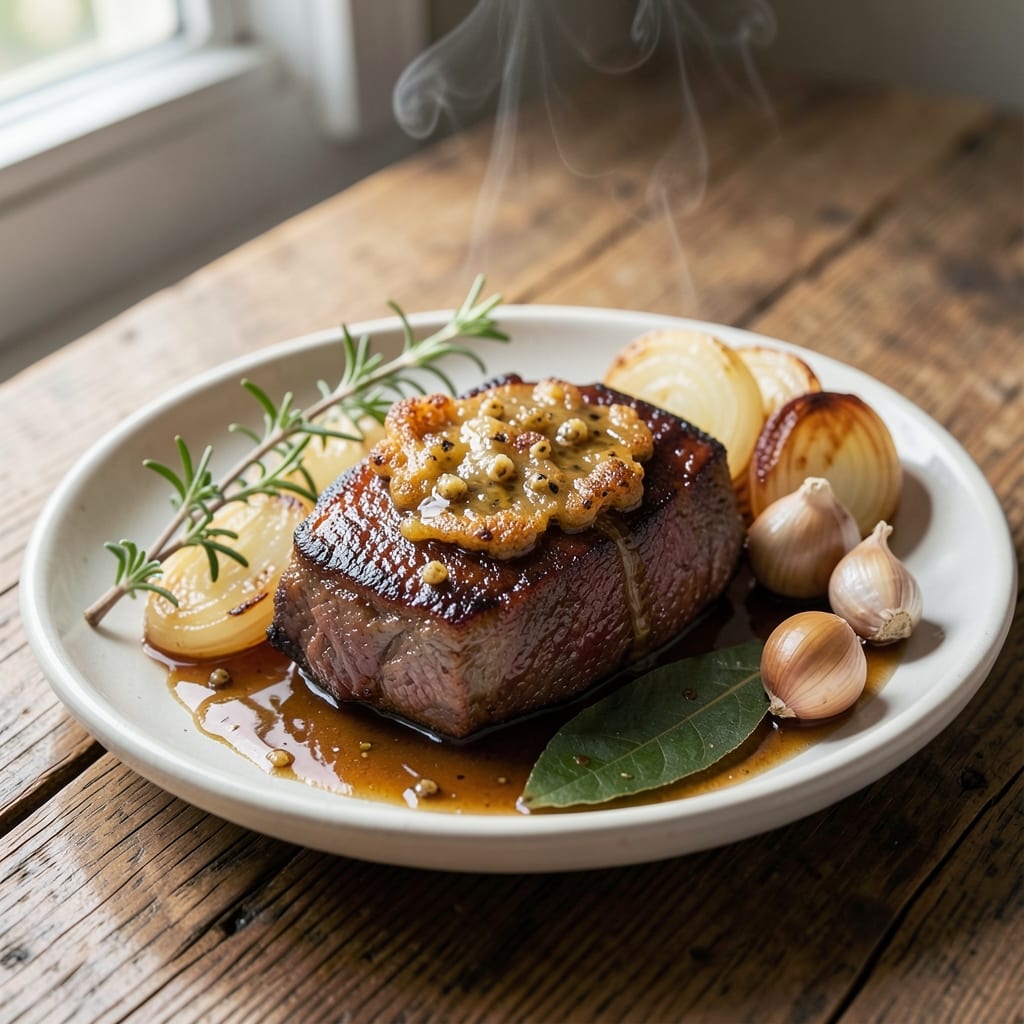
This Basque beef tongue recipe transforms a humble cut into a showstopping centerpiece with silky, melt-in-your-mouth texture and deep, savory richness. The secret lies in slow-braising, where hours of gentle cooking dissolve connective tissue into velvety perfection, while aromatic spices and vinegar create that signature Basque tang. I first made this after discovering how Basque chefs elevate simple ingredients into restaurant-worthy dishes—this became my go-to for special occasions.
The traditional method begins with marinating the tongue in white wine and vinegar to tenderize and infuse flavor, then slow-braising until fork-tender. Alongside, crispy peppers and potatoes soak up the braising liquid, creating a harmonious one-pan meal. What sets this apart is the glossy finish achieved through careful basting with its own reduced juices, a technique that turns an ordinary cut into something extraordinary.
What you’ll end up with is a dish that commands attention at any table—juicy, tender beef tongue with a caramelized exterior, served with vibrant sides that complement its deep flavors. The aroma alone will have guests asking what’s cooking, while the first bite delivers that unmistakable Basque restaurant quality at home. This is comfort food elevated to fine dining.
Perfect for holiday feasts or intimate gatherings, this recipe scales beautifully while maintaining authenticity. The slow-cooking process makes it ideal for hands-off preparation, allowing flavors to develop fully. Once you try this version, store-bought beef tongue will never compare again—it’s the kind of dish that transforms a meal into an experience.
Ingredients for basque beef tongue
Sixteen ingredients transform humble beef tongue into Basque restaurant-worthy centerpiece perfection.
| Ingredient | Amount | Notes |
|---|---|---|
| Beef Tongue 🥩 | 4 lb | Fresh, cleaned, trimmed of fat |
| Dry White Wine 🍷 | 1 cup | Sauvignon Blanc preferred |
| White Wine Vinegar 🍶 | ½ cup | For marinade acidity |
| Bay Leaves 🌿 | 4 whole | Fresh preferred, dried works |
| Garlic Cloves 🧄 | 8 cloves | Smashed for infusion |
| Yellow Onion 🧅 | 1 whole | Quartered, skin on |
| Carrots 🥕 | 4 whole | Whole, unpeeled |
| Russet Potatoes 🥔 | 2 lb | Medium size, unpeeled |
| Green Bell Peppers 🌶️ | 2 whole | Large, sliced |
| Olive Oil 🫒 | ½ cup | Extra-virgin for richness |
| Salt 🧂 | 2 tbsp | Diamond Crystal preferred |
| Black Peppercorns 🌶️ | 1 tbsp | Freshly cracked |
| Thyme Sprigs 🌿 | 4 whole | Fresh, stems intact |
| Parsley Sprigs 🌿 | ¼ cup | Fresh, for garnish |
The beef tongue is the star—look for fresh, clean-cut pieces from a trusted butcher. Costco or Whole Foods carry high-quality tongues, but ask your local butcher for the freshest cut. The skin should be smooth and the meat firm to the touch. If you're unsure about freshness, the tongue should smell clean and slightly metallic, not sour or ammonia-like. For the wine, Sauvignon Blanc works best—its crisp acidity balances the richness of the meat. Avoid heavily oaked wines, as they can overpower the delicate flavors. The vinegar should be pure, not flavored or diluted, to ensure proper tenderization.
No white wine? Dry vermouth or apple cider vinegar works in a pinch, though the flavor profile will differ slightly. Fresh herbs are ideal, but dried thyme at one-third the amount gets you close. The potatoes and carrots can be any variety, but Russets and orange carrots hold up best during slow cooking. For the peppers, green bell peppers are traditional, but red or yellow add a subtle sweetness. The olive oil should be extra-virgin—it makes a noticeable difference in the final glossy finish. If you're short on time, pre-chopped frozen vegetables work, though fresh is always better.
This dish tastes even better the next day, so plan ahead. Store the braised tongue and vegetables in an airtight container in the fridge for up to 5 days. For longer storage, freeze the components separately for 3 months. Reheat gently in the braising liquid over low heat. The potatoes and peppers can be reheated separately in a skillet with a splash of olive oil. For serving, garnish with fresh parsley just before plating—it adds a pop of color and freshness that elevates the dish. The leftovers make incredible sandwiches or salads the next day.
Why You'll Love This Recipe
- One-Pot Magic: I swear by this recipe—just toss the tongue, wine, vinegar, and garlic into a pot, then let it simmer. No chopping, no fuss, no extra dishes. Honestly, the hardest part is waiting for it to tenderize.
- Flavor Bomb: That crispy exterior with the melt-in-your-mouth center? The wine and vinegar cut through the richness while the bay leaves and garlic add depth—it’s like a fancy bistro bite without the pretension.
- Leftovers That Shine: This dish actually improves the next day. I make a big batch on Sundays, slice it thin, and serve it on toast with a sprinkle of flaky salt—my kids fight over it. (Yes, even on a Tuesday night.)
- Budget Feast: Beef tongue is cheaper than steak but feels like a splurge. A single cut feeds four, stretches for sandwiches, or gets tossed into salads. Between us, it’s my secret weapon for stretching meals without sacrificing flavor.
Step-by-step instructions for Basque beef tongue
Transform tough beef tongue into melt-in-your-mouth perfection with this traditional Basque technique.
Prepare the Beef Tongue for Braising
Begin by rinsing the 4 lb beef tongue under cold water and patting it completely dry with paper towels. This step is crucial—any moisture left on the surface will prevent proper browning later. Using a sharp chef's knife, trim away any excess fat or connective tissue, focusing on the sides and underside where fat tends to accumulate.
In a large mixing bowl, combine the 1 cup dry white wine and 0.5 cup white wine vinegar. Submerge the prepared beef tongue completely in this marinade and refrigerate for at least 4 hours, or preferably overnight. This acid bath tenderizes the collagen-rich muscle fibers while infusing flavor. The marinade should cover the entire surface of the tongue—if needed, add a splash of water to ensure complete submersion.
Build the Braising Base with Aromatics
Remove the beef tongue from the marinade (reserve the liquid) and pat dry once more. In a large Dutch oven with a tight-fitting lid, heat the 0.5 cup olive oil over medium heat until shimmering. Add the quartered yellow onion (skin on) and cook for 5 minutes until the edges begin to soften and turn translucent.
Add the 8 smashed garlic cloves, 4 whole bay leaves, and 4 whole thyme sprigs to the pot. Stir for 1 minute until fragrant, being careful not to let the garlic burn. The aromatics should release their oils and create a fragrant base that will infuse the braising liquid. This foundational step develops the complex flavor profile characteristic of Basque cuisine.
Sear the Tongue and Begin the Braise
Carefully place the beef tongue in the Dutch oven, fat-side up. Increase heat to medium-high and sear undisturbed for 8-10 minutes until the surface develops a deep golden-brown crust. This Maillard reaction creates the rich, caramelized flavor that defines the dish. Flip the tongue and repeat on the other side for another 5-7 minutes.
Pour in the reserved marinade (strain out any solids if desired) and add 4 cups of water to the pot. Bring to a gentle simmer, then reduce heat to low. The liquid should just barely bubble at the edges—this slow cooking is essential for breaking down collagen into gelatin. Cover tightly with the lid and cook for 3 hours, maintaining this gentle simmer throughout.
Add Vegetables and Complete the Braise
After the initial 3 hours, add the 4 whole carrots, 2 lb russet potatoes (cut into 2-inch chunks), and sliced green bell peppers to the pot. The vegetables should be partially submerged in the braising liquid. Return to a simmer and continue cooking uncovered for an additional 2 hours, or until the beef tongue is fork-tender and pulls away from the bone with gentle pressure.
Check the beef tongue periodically during this phase. It's done when it reaches an internal temperature of 195°F and the meat separates easily when pierced with a fork. The vegetables should be tender but still hold their shape. The braising liquid will have reduced significantly, creating a rich, concentrated sauce that coats everything.
Rest, Slice, and Garnish
Remove the beef tongue from the pot and let it rest on a cutting board for 15 minutes. This resting period allows the juices to redistribute throughout the meat, ensuring each slice remains moist. While resting, skim any excess fat from the surface of the braising liquid and discard.
Using a sharp carving knife, slice the beef tongue against the grain into ½-inch thick slices. Return the sliced tongue to the pot with the vegetables and reheat gently for 5 minutes. Garnish with the 0.25 cup parsley sprigs just before serving. The finished dish should feature silky, glossy beef tongue with tender vegetables in a rich, aromatic sauce that captures all the flavors of Basque country.
Pro Tips For Making Basque Beef Tongue
- SCORE THE CRUST FIRST: After blanching the tongue, don’t rush the browning—let it sear in a dry pan until the surface turns deep mahogany, not just light brown. I learned this the hard way when mine came out pale and tasted bland; that crust locks in flavor and texture. Use medium-high heat and resist the urge to move it around too much.
- SALT THE TONGUE LONG BEFORE COOKING: Generously salt the tongue and let it sit uncovered in the fridge for at least 12 hours—yes, even if you’re impatient. This step tenderizes the collagen and ensures it doesn’t turn rubbery during the long braise. Skip this, and you’ll end up with a chewy mess.
- DEGLAZE WITH VINEGAR LAST: Save the white wine vinegar for the very end of deglazing—after the wine and garlic have reduced. Adding it early will make the sauce taste harsh and unbalanced. A splash at the end brightens the flavors without overpowering the rich beef.
- USE WHOLE BAY LEAVES: Tuck whole bay leaves into the tongue’s crevices, not just floating in the liquid. They’ll infuse the meat directly, giving it a deeper herbal note. Remove them before serving—crushing them releases bitterness, and you don’t want that in your sauce.
Pro cooking tips for perfect results
Marinade Mastery
The 4-hour minimum marinade in white wine and vinegar is non-negotiable for Basque beef tongue. I’ve found that Sauvignon Blanc works best—its acidity tenderizes while adding brightness. For extra depth, add 1 tsp smoked paprika to the marinade; it mimics traditional Basque flavors without overpowering. Always strain solids before using the marinade to braise—this keeps your final sauce smooth and elegant. 🌶️
Searing Secrets
That golden-brown crust isn’t just for looks—it’s where the Maillard reaction transforms tough collagen into tender perfection. Use medium-high heat and resist the urge to move the tongue. I recommend a heavy-bottomed Dutch oven like All-Clad to distribute heat evenly. If your pan smokes excessively, reduce heat slightly—this means the oil is too hot. 🔥
Slow Cooking Precision
Temperature control is everything during the 5-hour braise. Maintain a gentle simmer (small bubbles at the edges) to avoid toughening the meat. I use a meat thermometer to monitor internal temp—195°F is your target. If the liquid reduces too quickly, add ½ cup water during the final hour. The key is patience; rushing this step ruins the texture. ⏰
Vegetable Timing
Add potatoes and carrots 2 hours before serving—they need time to absorb flavors but shouldn’t turn mushy. For extra crispiness, parboil them for 8 minutes before adding to the pot. Green peppers should go in last to retain their shape. I like to roast a few extra peppers separately and blend them into a pil pil sauce on the side for dipping. 🌿
Resting Ritual
Never skip the 15-minute rest—this lets juices redistribute, preventing dry slices. While resting, skim fat from the surface with a ladle or fat separator (I use Le Creuset’s handy tool). For presentation, arrange slices on a platter with vegetables fanned around them. Garnish with parsley just before serving to keep it vibrant. ✨
Make-Ahead Magic
This dish tastes even better the next day! Store components in the braising liquid in an airtight container for up to 5 days. Reheat gently on the stovetop—never microwave. For serving, I drizzle with reduced braising liquid (simmered until syrupy) and sprinkle with toasted breadcrumbs for texture contrast. Leftovers make incredible tacos or sandwiches the next lunch. 💫
Nutrition facts
Frequently asked questions
Why does Basque beef tongue need such a long marinade?
The 4-hour minimum marinade in white wine and vinegar is essential because beef tongue contains dense collagen that needs time to break down. The acidity helps tenderize while infusing deep, savory flavors. For best results, don't skip this step—it's what transforms tough meat into silky perfection.
Can I use a slow cooker instead of a Dutch oven?
Yes, but with adjustments! Transfer the seared tongue and aromatics to a slow cooker, then add the marinade and water. Cook on low for 6-7 hours instead of 5 hours. The texture will be tender, but the caramelized crust may be less pronounced. For better results, finish with a quick sear in a skillet before serving.
How do I know when the beef tongue is fully cooked?
Use a meat thermometer to check for an internal temperature of 195°F. The meat should also pull away from the bone with gentle pressure and be fork-tender. If you're unsure, slice a small piece—it should be soft and moist, not chewy. This long cooking time is what creates that signature Basque texture.
What if I don't have white wine vinegar?
Use apple cider vinegar or dry vermouth as substitutes. Both provide acidity for tenderizing, though the flavor will differ slightly. Avoid balsamic vinegar—it's too sweet and will alter the dish's balance. The key is maintaining acidity to break down the collagen properly.
Can I make this recipe without potatoes?
Replace them with 2 cups of pearl onions or butternut squash cubes for a different texture. The vegetables should complement the rich beef tongue—just ensure they're added at the same time to absorb flavors evenly. For extra richness, consider adding mushrooms or fennel instead.