Soups & Stews
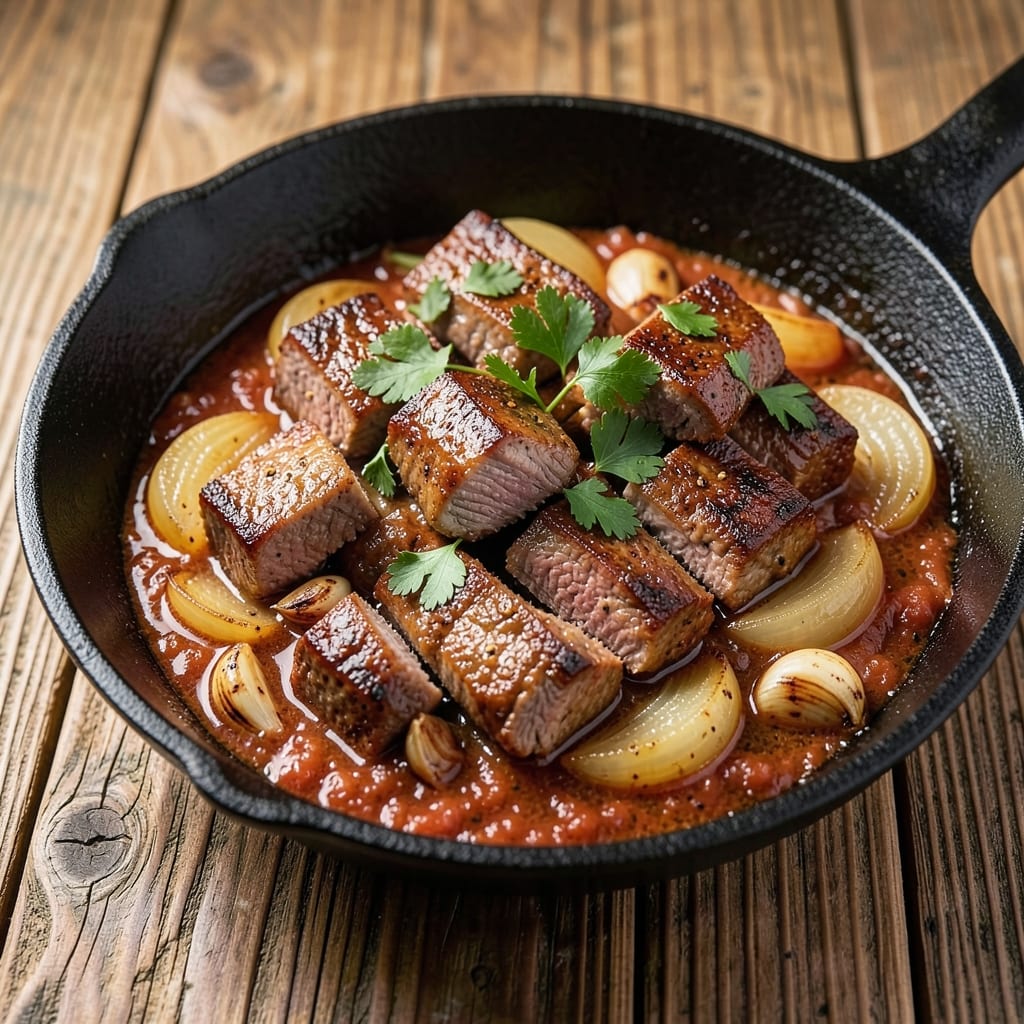
This Bavarian beef goulash recipe delivers the hearty, paprika-rich flavors of Alpine tradition in a single, comforting pot. The secret lies in slow-braising beef with sweet and smoky paprika, creating a sauce so deeply flavorful it transforms tough cuts into melt-in-your-mouth tenderness. I've perfected this version through countless batches—each one richer than the last—using techniques passed down through generations of Bavarian home cooks.
The beauty of this dish is its simplicity: just a handful of ingredients simmered together for hours, developing layers of complexity. You'll start with beef chuck, cut into even pieces for consistent cooking, then build the sauce with onions, garlic, and that signature paprika blend. The slow cook transforms simple ingredients into something extraordinary—think tender beef, caramelized vegetables, and a sauce thick enough to coat every spoonful.
What makes this recipe truly special is how it brings Bavarian comfort to your table. The result is a dish that's equally at home on a chilly weeknight or as the centerpiece of a family gathering. Served with buttery boiled potatoes or fluffy dumplings, it becomes a meal that feels like a hug in a bowl. The aroma alone will have everyone gathering around the table, and the first bite delivers that perfect balance of sweet, smoky, and savory flavors.
For those short on time, a slow cooker adaptation works beautifully—simply adjust the cooking time and liquid ratios. Pair with a crisp German lager or a robust red wine to complete the experience. This isn't just goulash; it's a taste of Bavaria's hearty traditions, made approachable for home cooks. Let's get started on creating this classic dish that's been warming kitchens for generations.
Ingredients for bavarian beef goulash
These carefully chosen ingredients transform tough beef into tender, paprika-rich Bavarian comfort.
| Ingredient | Amount | Notes |
|---|---|---|
| Beef Chuck Roast 🥩 | 2 lb | Cut into 1.5-inch cubes for even cooking |
| Yellow Onions 🧅 | 2 whole | Medium size, sliced into half-moons |
| Garlic Cloves 🧄 | 4 cloves | Minced for aromatic base |
| Sweet Paprika 🌶️ | 2 tbsp | Hungarian preferred for authentic flavor |
| Smoked Paprika 🌶️ | 1 tbsp | Adds depth to the sauce |
| Tomato Paste 🍅 | 2 tbsp | San Marzano preferred for sweetness |
| Beef Broth 💧 | 3 cups | Homemade or high-quality store-bought |
| Red Wine 🍷 | ½ cup | Dry Cabernet Sauvignon recommended |
| Carrots 🥕 | 3 whole | Medium size, cut into chunks |
| Tomatoes 🍅 | 1 lb | Roma or vine-ripened, quartered |
| Bay Leaves 🌿 | 2 whole | Fresh for optimal flavor |
| Thyme 🌿 | 1 tbsp | Fresh leaves preferred |
| Black Peppercorns 🌶️ | 1 tsp | Freshly cracked for best flavor |
| Salt 🧂 | 1 ½ tsp | Diamond Crystal kosher preferred |
| All-Purpose Flour 🌾 | 1 tbsp | For thickening the sauce |
The beef chuck is non-negotiable—its marbled fat renders during cooking, creating a sauce so rich it needs no flour. Look for well-marbled cuts at specialty butchers or the meat department of Whole Foods. If using pre-cubed beef, ensure pieces are uniform for even cooking. For the paprika, Hungarian brands like Paprika Plus deliver that authentic sweetness and smokiness that sets this dish apart. The tomato paste should be thick and frugal with no added water—San Marzano is the gold standard but any quality brand works. Fresh thyme and bay leaves elevate the dish beyond basic seasoning, so don't substitute dried unless absolutely necessary.
No red wine? Substitute with an extra 0.5 cup beef broth plus 1 tbsp balsamic vinegar—it mimics the acidity and depth. The carrots can be baby carrots if that's what's in your fridge, but whole carrots add better texture. Short on tomatoes? Two large canned San Marzano tomatoes work perfectly. For the flour, King Arthur All-Purpose is ideal, but any high-protein flour will work. The onions should caramelize beautifully—don't rush this step. If you're using a slow cooker, simply add the flour at the end to thicken rather than pre-slurrying it. For a vegetarian adaptation, replace the beef with portobello mushrooms or hearty lentils, though the flavor profile will differ significantly.
This goulash tastes even better the next day as flavors meld completely. Store in an airtight container in the fridge for up to 5 days, or freeze portions for 3 months. The sauce thickens as it cools, so you may need to loosen it with a splash of broth when reheating. For meal prep, portion into individual containers with a side of buttered egg noodles or crusty bread. The aroma alone will have everyone anticipating dinner—double the batch if you know you'll be sharing. Leftovers reheat beautifully in a skillet with a splash of water to restore moisture.
Why You'll Love This Recipe
- One-Pot Magic: The beef chuck roast practically cooks itself—just brown it, toss in onions and garlic, then let the paprika blend do the work while you sip wine (or coffee). No chopping, no fuss, just deep, slow flavor building in one pot.
- Smoky-Sweet Obsession: That mix of sweet and smoked paprika? It’s like a hug in a bowl—earthy, slightly sweet, with a warmth that lingers. The onions caramelize into sticky strands, and the garlic? It turns this into something you’ll reach for when you’re craving real comfort.
- Leftovers That Beg: Between us, this tastes even better the next day. I make a double batch on Sundays because it freezes like a dream—just reheat and serve. My kids fight over the portions, and my husband takes it to work for lunch. (Yes, even on a Tuesday night.)
- Budget Hero: A chuck roast stretches for days, and onions/garlic/paprika cost pennies. You’re feeding a crowd for less than takeout, and the flavor? Way more impressive. Honestly, this is my go-to when I need to stretch groceries without sacrificing taste.
Step-by-step instructions for Bavarian beef goulash
Transform humble ingredients into a deeply flavorful goulash through precise technique and patience.
Sear the Beef Chuck Roast for Deep Flavor
Pat the 2 lb beef chuck roast completely dry with paper towels. Cut it into 1.5-inch cubes for even cooking. Heat a large Dutch oven over medium-high heat until hot, then add the beef in batches without overcrowding the pan. Sear each side for 2-3 minutes until deeply browned—this Maillard reaction forms the foundation of your goulash's rich flavor.
As you work, remove the browned beef and set it aside. You'll notice the pan releases a caramelized aroma—this is your signal that the beef is developing that essential depth of flavor. Don't rush this step; patience here prevents a bland final dish. Once all beef is seared, reduce heat to medium and return the beef to the pot.
Build the Aromatic Base with Onions and Garlic
In the same Dutch oven, add the 2 whole yellow onions sliced into half-moons and cook for 5-6 minutes until softened and beginning to caramelize. The onions should develop a golden hue at the edges—this indicates they're releasing their natural sweetness. Add the 4 cloves minced garlic and cook for another 30 seconds until fragrant.
Here's where it gets aromatic: Stir in the 2 tbsp sweet paprika and 1 tbsp smoked paprika, coating the onions completely. The paprika will bloom immediately, filling your kitchen with its warm, earthy scent. This is the moment that matters: let the spices toast for 1 minute until their oils are released and the mixture smells deeply aromatic.
Develop the Sauce with Wine and Tomatoes
Pour in the 0.5 cup red wine and scrape up any browned bits from the bottom of the pot with a wooden spoon. This deglazing step captures all that concentrated beef flavor. Let the wine simmer for 3-4 minutes until reduced by half, allowing its alcohol to cook off and its deeper flavors to emerge.
Add the 2 tbsp tomato paste, 1 lb quartered tomatoes, 3 whole carrots cut into chunks, 2 whole bay leaves, 1 tbsp thyme, 1 tsp cracked black peppercorns, and 1.5 tsp salt. Stir everything together and cook for 5 minutes until the tomatoes begin to soften and release their juices. The mixture should smell like a complex symphony of spices and tomatoes.
Simmer the Goulash to Perfection
Pour in the 3 cups beef broth and bring the mixture to a gentle simmer. The liquid should just barely bubble at the edges. Here's the critical part: cover the pot and reduce heat to low, then simmer for 2-2.5 hours. This long cooking time breaks down the tough beef fibers, transforming them into tender, fork-tender pieces.
Check the goulash occasionally, stirring gently and adding ½ cup water if the sauce becomes too thick. You'll know it's ready when the beef easily pulls apart with a fork and the sauce has thickened into a rich, velvety consistency. The aroma should be intoxicating—earthy, smoky, and deeply savory.
Thicken and Finish the Goulash
Remove the 2 whole bay leaves and discard them. Sprinkle the 1 tbsp all-purpose flour over the goulash and stir gently to combine. Simmer uncovered for 5-7 minutes until the sauce has thickened to your desired consistency. If it's still too thin, mix 1 tbsp cornstarch with 1 tbsp water and stir it in, simmering for another 2-3 minutes.
Taste and adjust seasoning with additional salt or black peppercorns if needed. The goulash should be rich, slightly sweet from the caramelized onions and tomatoes, with a deep paprika warmth. Serve immediately over egg noodles or crusty bread, allowing each bite to deliver layers of tender beef and complex sauce.
Pro Tips For Making Bavarian Beef Goulash
- SEAR THE CHUCK ROAST: (not just brown it)
- SWEAT ONIONS LOW AND SLOW: (no rushing here)
- USE HALF THE GARLIC: (yes, really)
- DON’T SKIP THE DEGLAZE: (the sauce starts here)
Flavor customization for this dish
Sweet vs. Smoky Paprika
For authentic Bavarian flavor, I always use 2 tbsp sweet paprika and 1 tbsp smoked paprika—this combo delivers that signature warmth without overpowering the dish. The sweet paprika provides the classic red hue and mild sweetness, while the smoked paprika adds depth that's essential for that rustic goulash taste. If you only have one type, use 3 tbsp sweet paprika and add ½ tsp liquid smoke for that smoky note. 🌶️
Spice Level Adjustments
Want more heat? Add ½ tsp cayenne pepper with the paprika, or finish with chopped jalapeños for fresh spice. For a milder version, reduce the smoked paprika to ½ tbsp and add 1 tsp caraway seeds—this adds earthy warmth without heat. I've found that Penzeys Spices has excellent pre-mixed goulash spice blends if you want an easy shortcut.
Acidity Balance
The red wine and tomatoes provide natural acidity, but if your goulash tastes flat, add 1 tsp apple cider vinegar or ½ tsp lemon juice at the end. For extra tang, stir in 1 tbsp tomato paste during the final 5 minutes of cooking. This brightens the flavors beautifully, especially if you're using a slow cooker where acidity can get lost.
Herb Variations
Swap the thyme for 1 tbsp fresh marjoram for a more Mediterranean touch, or add 1 tsp dried oregano for a Greek-inspired twist. I love adding 1 sprig fresh rosemary when searing the beef—it burns off during cooking but leaves behind subtle aromatic notes. For a modern take, finish with chopped fresh parsley or cilantro for brightness.
Umami Boosters
Craving deeper flavor? Stir in 1 tbsp soy sauce or 1 tsp Worcestershire sauce with the wine. For a vegetarian-friendly boost, add 1 tbsp miso paste when simmering. These umami-rich ingredients elevate the dish without overpowering the paprika's signature taste. I often add 1 oz beef bouillon for extra depth if using a slow cooker.
Texture Contrasts
Add ½ cup cooked pearl onions or diced mushrooms for extra texture. For a creamy finish, stir in 2 tbsp sour cream or crumbled feta cheese at the end. I've also seen amazing results by adding ¼ cup cooked lentils—they soak up the sauce beautifully while adding plant-based protein. 💫
Nutrition facts
Frequently asked questions
Can I use a slow cooker for this Bavarian beef goulash?
For a slow cooker version, follow the same searing steps first, then transfer everything to your slow cooker. Use 2 cups beef broth instead of 3 and cook on low for 6-7 hours or high for 4 hours. The sauce will be thinner, so stir in 1 tbsp cornstarch mixed with 1 tbsp water during the last 30 minutes to thicken. The beef will be fork-tender and the flavors will meld beautifully.
What's the best way to store and reheat leftovers?
Store goulash in an airtight container in the fridge for up to 5 days or freeze for 3 months. To reheat, warm in a pot over medium-low heat with a splash of broth or water until bubbling. For best results, cover and simmer for 10-15 minutes, stirring occasionally. The sauce will thicken as it cools, so you may need to add a little liquid when reheating. The flavors actually improve after the first night!
What's the difference between this recipe and Hungarian goulash?
While both dishes feature paprika and beef, Bavarian goulash tends to be richer with more caramelized onions and a deeper wine reduction. Hungarian goulash often includes sour cream and more paprika (sometimes up to 3 tbsp), giving it a slightly sharper, tangier profile. This Bavarian version focuses on slow-braised beef with a velvety sauce, while Hungarian goulash might have a chunkier texture. Both are delicious—try both to compare!
Why does my goulash taste bland? Bland goulash usually means insufficient browning or insufficient cooking time.
What sides pair best with this Bavarian beef goulash?
Classic pairings include buttery boiled potatoes, egg noodles, or crusty rye bread for soaking up the sauce. For a heartier meal, serve with Bavarian dumplings or steamed green beans. A simple side salad with apple cider vinaigrette adds freshness. For a modern twist, try roasted root vegetables or garlic mashed potatoes. The key is balancing the rich goulash with something light and starchy.