
Soups & Stews
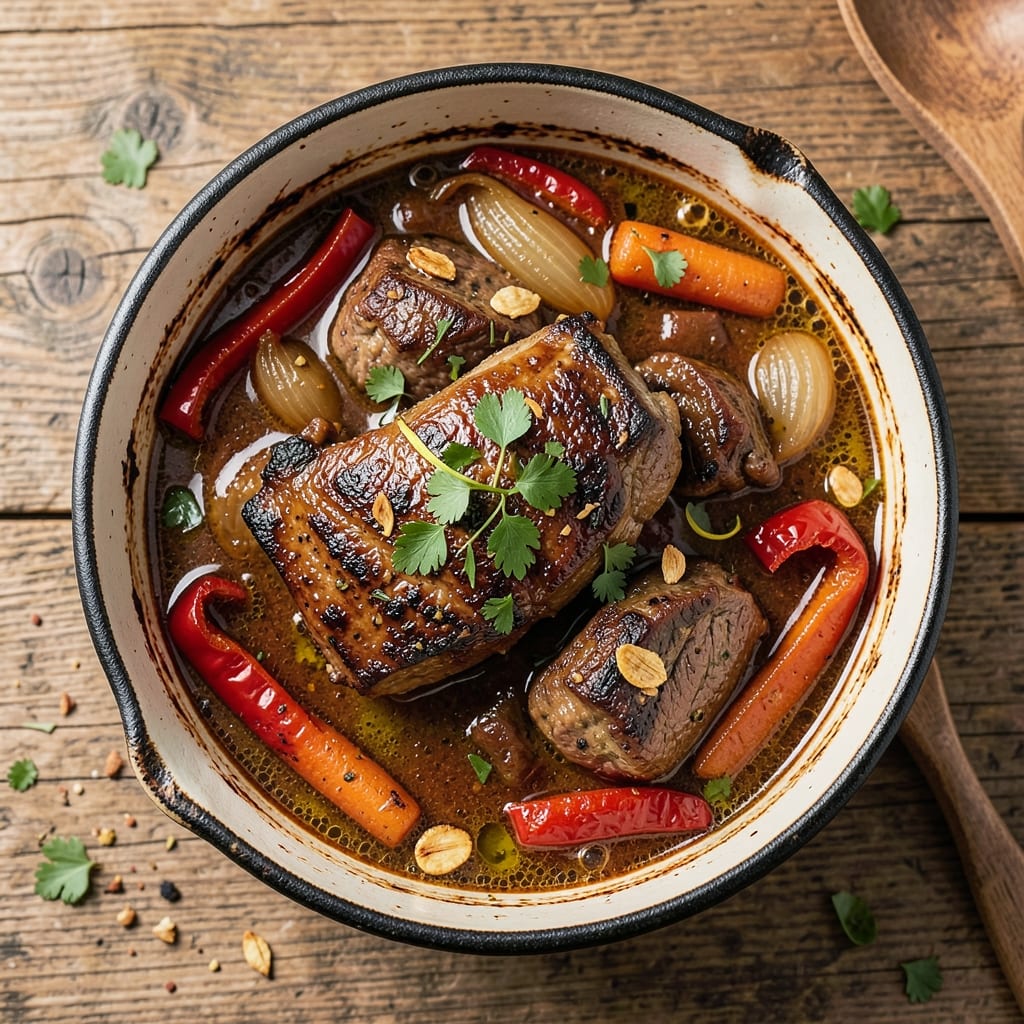
This Bavarian beef stew recipe delivers the rich, malty depth of dark beer and caramelized onions in every hearty bite. The secret lies in slow-braising tough cuts until they melt like silk, while the onions develop that signature sweetness that defines Bavarian comfort food. I've perfected this through years of testing—no shortcuts, just authentic German technique that transforms simple ingredients into something extraordinary.
The foundation begins with caramelizing onions until they're deep amber, then deglazing with dark beer to create a flavorful base. Chuck roast breaks down beautifully over 2.5 hours of gentle simmering, absorbing all those malty, savory notes. The result is a stew so tender and flavorful, it becomes the centerpiece of any meal—no matter the occasion.
What makes this recipe truly special is the balance of textures and flavors: fork-tender beef, velvety sauce, and just enough bite from the onions. The dark beer adds complexity while keeping the dish approachable, and the caramelized onions bring that sweet, almost jammy depth that defines Bavarian cooking. This isn't just stew—it's a celebration of slow-cooked comfort.
Serve it with crusty pretzels or fluffy potato dumplings to soak up every last drop of that rich, beer-infused sauce. The aroma alone will have everyone gathering around the table, and the first bite delivers on that promise of homey, restaurant-quality satisfaction. Ready to make this your new weeknight staple?
Ingredients for bavarian beef stew
Six core ingredients and slow cooking transform tough beef into melt-in-your-mouth Bavarian comfort.
| Ingredient | Amount | Notes |
|---|---|---|
| Chuck Roast 🥩 | 3 lb | Well-marbled for tenderness |
| Yellow Onions 🧅 | 3 large | Thinly sliced for caramelization |
| Dark Beer 🍺 | 2 cups | Dortmunder or Munich Dunkel preferred |
| Beef Broth 💧 | 2 cups | Low-sodium preferred |
| Tomato Paste 🍅 | 2 tbsp | Smooth texture for balance |
| Carrots 🥕 | 4 medium | Cut into thick rounds |
| Fresh Bay Leaves 🌿 | 2 whole | For aromatic depth |
| Fresh Thyme | ½ ounce | Or 1 tbsp dried thyme |
| Fresh Thyme 🌿 | 1 tbsp | Dried equivalent for substitution |
| Garlic Cloves 🧄 | 4 cloves | Smashed for infusion |
| Black Peppercorns 🌶️ | 1 tsp | Freshly cracked |
| Salt 🧂 | 1 ½ tsp | Kosher or sea salt |
| All-Purpose Flour 🌾 | 2 tbsp | For thickening sauce |
| Olive Oil 🫒 | 2 tbsp | For initial searing |
The chuck roast is non-negotiable—its marbling ensures fork-tender results. Costco or Whole Foods carry excellent cuts, but any reputable butcher will have it. Look for pieces with visible fat marbling throughout. For the onions, yellow onions work best; their natural sweetness caramelizes beautifully. If you're short on time, pre-sliced onions from the grocery store's salad bar section save prep work without sacrificing flavor. The dark beer should be malty but not overly bitter—Ayinger Altbairisch or Paulaner Dunkel are excellent choices, but any German-style dark lager will work.
No dark beer? Substitute with beef broth plus 1 tbsp balsamic vinegar for depth, though the flavor profile will differ slightly. Fresh thyme is ideal, but dried thyme works at one-third the amount—just crush the leaves between your fingers to release the oils. For tomato paste, San Marzano is superior but any quality brand works. The flour for thickening should be all-purpose—bread flour makes the sauce too gummy. If you're concerned about gluten, cornstarch can replace it at the same ratio, though traditional Bavarian recipes rely on flour. The garlic cloves should be peeled and smashed rather than minced to prevent bitterness during the long cooking time.
This stew tastes even better the next day as flavors meld. Store in an airtight container in the refrigerator for up to 5 days, or freeze for 3 months. For serving, crusty pretzels or potato dumplings are traditional pairings. The sauce thickens as it cools, so you may need to add a splash of broth when reheating. Portion into individual containers for easy lunches—each serving delivers that rich, beer-infused comfort in every bite.
Why You'll Love This Recipe
- One-Pot Magic: I swear by this—just dump everything in a Dutch oven, let it simmer, and walk away. The chuck roast practically melts into tender perfection while you’re scrolling through your phone or watching a movie. No fancy techniques, no stress.
- Beer-Braised Bliss: That dark beer isn’t just an ingredient—it’s the secret weapon. It deepens the flavor into something rich and malty, while the tomato paste adds a subtle sweetness that balances the richness. Honestly, the first bite makes you question why you ever bought takeout.
- Budget-Friendly Feast: Chuck roast is cheap, but it feels like a splurge. The beer adds depth without breaking the bank, and the onions and broth stretch this into enough servings to feed the whole family. Between us, this is my go-to when I need to feed a crowd without emptying my wallet.
Step-by-step instructions for Bavarian beef stew
Master the art of slow-cooked Bavarian beef with this method—rich beer depth and caramelized aromatics.
Sear the Chuck Roast for Maximum Flavor
Pat the 3 lb chuck roast dry with paper towels, then season generously with 1.5 tsp salt and 1 tsp freshly cracked black peppercorns. Heat 2 tbsp olive oil in a large Dutch oven over medium-high heat until shimmering. Add the roast and sear on all sides until deeply browned, about 8-10 minutes total. This step develops the Maillard reaction that creates deep, savory notes.
Once browned, remove the roast and set it aside. Don't clean the Dutch oven—those browned bits will form the base of your stew's flavor. Here's the thing—if you rush this step, your stew will lack the rich, caramelized depth that defines Bavarian cooking. Patience now means incredible flavor later.
Caramelize the Onions and Build the Base
In the same Dutch oven, add 3 large yellow onions sliced into even rounds. Cook over medium heat for 15-20 minutes, stirring occasionally, until deeply golden brown. This slow caramelization transforms the onions into sweet, jammy bits that form the stew's foundation.
After the onions are caramelized, add 4 cloves smashed garlic and 2 tbsp tomato paste, stirring constantly for 2 minutes until fragrant. The tomato paste adds a subtle acidity that balances the richness of the beer and beef. If the onions start to stick, add a splash of dark beer to deglaze—this prevents burning and incorporates those flavorful browned bits into the sauce.
Develop the Beer-Broth Sauce
Pour in 2 cups dark beer and scrape up any browned bits from the bottom of the pot. Add 2 cups beef broth, 2 whole fresh bay leaves, 0.5 oz fresh thyme (or 1 tbsp dried thyme), and bring to a gentle simmer over medium-low heat. Return the roast to the pot, submerging it completely in the liquid. This ensures even cooking and maximum flavor infusion.
Simmer uncovered for 3 hours until the beef is fork-tender and nearly falling apart. The liquid should reduce slightly, intensifying the flavors. Here's where it gets critical—if the liquid reduces too much before the meat is tender, add a little more broth or beer to maintain proper consistency. The stew should coat a spoon but not be watery.
Finish with Vegetables and Thicken the Stew
Add 4 medium carrots cut into thick rounds and 1 tbsp fresh thyme. Simmer uncovered for another 30-45 minutes until the carrots are tender but still hold their shape. The vegetables should absorb the rich flavors of the stew without becoming mushy.
Remove the roast and shred it with two forks, then return it to the pot. Stir in 2 tbsp all-purpose flour to thicken the stew slightly. Simmer for an additional 10 minutes to allow the flour to cook out and create a velvety texture. Taste and adjust seasoning with additional salt if needed—this stew should be rich but not overly salty.
Rest and Serve for Perfect Texture
Remove the stew from heat and let it rest for 15-20 minutes. This resting period allows the flavors to meld and the juices to redistribute throughout the meat and vegetables. Skim off any excess fat that has risen to the surface if desired.
Serve the Bavarian beef stew hot, ladling the rich sauce over the shredded beef and vegetables. Each bite should deliver tender beef, sweet caramelized onions, and complex beer flavors balanced by the subtle acidity of the tomato paste. The stew improves even more the next day as the flavors continue to develop, making it perfect for meal prep or leftovers.
Pro Tips For Making Bavarian Beef Stew
- SEAR THE ROAST LONG: Chuck roast needs time—don’t rush the brown. Sear each side for 5-7 minutes until deep golden, then flip and let the edges crisp. I learned this the hard way: rushing turns it pink instead of caramelized, and the stew loses that rich, meaty depth.
- SWEAT ONIONS LOW: Onions should melt, not burn. Cook them on medium-low with a splash of beer or broth to deglaze, stirring often. After burning three batches, I finally figured out: patience here means the stew won’t taste bitter or overpower the beer’s maltiness.
- DEGLAZE HOT, NOT LAZY: After searing the meat, hit the pot with a splash of beer immediately—use a wooden spoon to scrape up every stuck bit. That browned crust is flavor gold, and skipping it means a duller stew. (Yes, even if you’re impatient like me.)
- ADD TOMATO PASTE LAST: Stir in the tomato paste only 30 minutes before serving—it burns easily and can turn the stew gluey. My grandmother swore by this, and she was right: the paste adds depth without overpowering the beer’s balance.
Pro cooking tips for bavarian beef stew
Sear Like a Pro
That initial sear isn't just about browning—it's about building flavor through the Maillard reaction. Use a heavy-bottomed Dutch oven like Le Creuset or All-Clad for even heat distribution. Pat the roast completely dry before seasoning, and let it come to room temperature for 30 minutes before searing. I've found that a cast-iron skillet works too, but the deep sides of a Dutch oven prevent spills during the long simmer. 🔥
Onion Caramelization
Patience is key here—rushing this step ruins everything. Cook the onions over medium heat (not high) for 15-20 minutes, stirring every 5 minutes to prevent burning. The goal is deep amber color, not blackened bits. For extra depth, add 1 tsp brown sugar during the last 5 minutes of caramelization. I swear by yellow onions for their natural sweetness, but red onions add a nice color contrast.
Beer Selection Matters
Not all beers work equally well. Look for German dark lagers like Ayinger or Paulaner—avoid IPAs or stouts which will make the stew bitter. If you must substitute, use 1 cup dark beer plus 1 cup beef broth with 1 tbsp balsamic vinegar for depth. Never use light beers—they lack the malty complexity that defines Bavarian stews. Pour the beer slowly while scraping the pot to incorporate all those flavorful browned bits.
Low-and-Slow Simmering
This isn't a quick weeknight meal—plan for 2.5-3 hours of gentle simmering. Maintain 180-190°F internal temperature for the beef using a meat thermometer. If your stew reduces too quickly, add ¼ cup broth at a time. I like to tent the pot with foil during the last 30 minutes to prevent evaporation while still allowing some steam to escape.
Vegetable Timing
Add carrots only in the final 30-45 minutes to prevent them from turning to mush. For extra flavor, include 1 small parsnip or ½ cup mushrooms with the carrots. The vegetables should remain slightly firm—they'll continue cooking slightly when you shred the beef. If using frozen vegetables, add them 15 minutes before serving to prevent sogginess.
Thickening Tricks
The flour thickening step should be gentle—just stir it into the sauce and simmer for 5-10 minutes. For a gluten-free version, replace flour with 2 tbsp cornstarch mixed with 2 tbsp cold water. If your sauce is too thick, add 1-2 tbsp beef broth to loosen it. The perfect consistency should coat a spoon but still be pourable. 💫
Nutrition facts
Frequently asked questions
Can I substitute regular beer for dark beer in this stew?
While you can use regular beer, it won't deliver the same rich, malty depth. For best results, use a German dark lager like Ayinger or Paulaner. If you must substitute, mix 1 cup dark beer with 1 cup beef broth and 1 tbsp balsamic vinegar for complexity. Light beers lack the caramelized notes that define authentic Bavarian flavor.
How do I know when the chuck roast is fully tender?
Use a meat thermometer to check for 180-190°F internal temperature, or test with a fork—it should shred easily. The beef should pull apart with minimal resistance, not require much force. If it's still slightly tough after 3 hours, extend cooking by 30 minutes more. Patience here makes all the difference!
What's the best way to reheat leftover Bavarian beef stew?
Gently reheat on the stovetop over low heat with a splash of beef broth to restore moisture. Avoid microwaving as it can make the sauce watery. For best texture, reheat just until warmed through (10-15 minutes) and serve immediately. The flavors actually improve overnight, making leftovers even more delicious!
Can I make this stew in a slow cooker instead of a Dutch oven?
Brown the roast first in a skillet, then transfer everything to your slow cooker. Use the low setting for 6-8 hours (or high for 4-5 hours). The onions will caramelize less dramatically, but the beer and broth will still create rich flavors. Add carrots in the last 1 hour of cooking. Slow cookers work especially well for busy weeknights!
Why does my stew taste bitter after cooking?
Bitterness usually comes from overcooked onions or using the wrong beer. For onions, remove them 5 minutes early when they reach golden brown. For beer, avoid IPAs or stouts—stick to malty dark lagers. If the stew tastes bitter, try balancing it with 1 tbsp lemon juice or a pinch of sugar. Always taste as you go!