
Main Courses
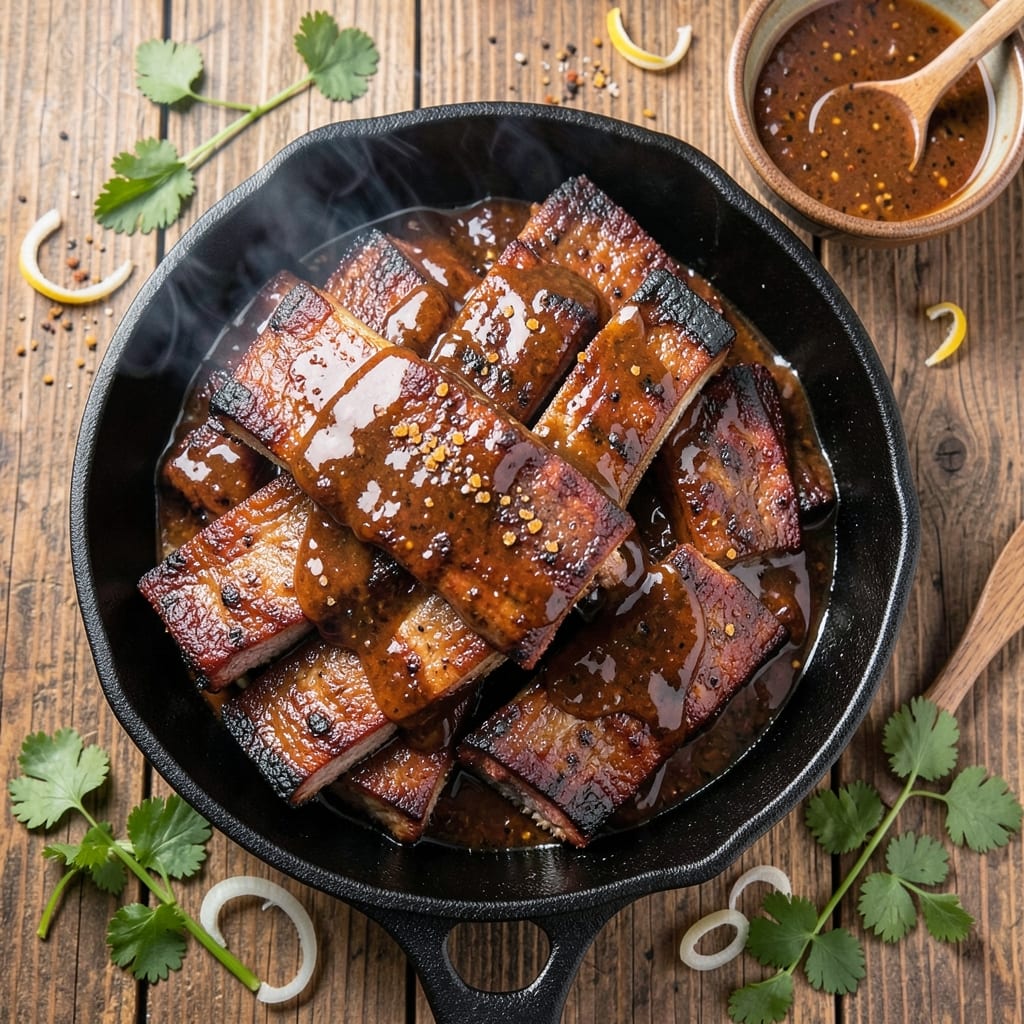
This BBQ beef spare ribs recipe for barbecue transforms tough cuts into fall-off-the-bone tenderness in just 3 hours, using a foolproof method that balances smoke, heat, and time. The secret lies in the dry rub—smoked paprika and brown sugar create that signature bark while garlic and onion powders build depth. I’ve perfected this technique over years of backyard barbecues, and it never fails to impress, even with picky eaters.
What makes this recipe work is the 3-2-1 method: 3 hours of slow cooking, 2 hours of wrapped rest, and 1 final hour of open flame for that caramelized crust. This approach ensures the meat stays juicy while developing layers of smoky, sweet flavor. The ribs get their signature bark from the dry rub, then tenderize as they cook, making every bite irresistible.
By the time you’re done, you’ll have ribs with a crispy exterior and melt-in-your-mouth centers, glazed with a sticky-sweet finish from the final basting. The aroma alone will have your guests lining up for seconds, and the leftovers? Even better the next day. This is the kind of recipe that turns a simple weeknight into a backyard feast.
Serve with classic sides like tangy coleslaw, smoky baked beans, or buttery cornbread to round out the meal. The technique is simple, but the results are restaurant-quality—no fancy equipment needed, just patience and attention to heat. Let’s get cooking!
Ingredients for bbq beef spare ribs recipe barbecue
Four pounds of ribs plus a few pantry staples—this is your shortcut to smoky, fall-off-the-bone perfection.
| Ingredient | Amount | Notes |
|---|---|---|
| Beef Spare Ribs 🥩 | 4 lb | Bone-in, meaty spare ribs |
| Brown Sugar 🍚 | ½ cup | Light or dark variety |
| Smoked Paprika 🌶️ | 2 tbsp | For deep smoky flavor |
| Garlic Powder 🧄 | 1 tbsp | Freshly ground preferred |
| Onion Powder 🧅 | 1 tbsp | For balanced depth |
| Kosher Salt 🧂 | 1 ½ tbsp | Diamond Crystal preferred |
| Black Pepper 🌶️ | 1 tsp | Freshly cracked |
| Yellow Mustard 🍯 | 2 tbsp | For binder in rub |
| Apple Cider Vinegar 🍎 | ½ cup | For tangy glaze base |
| Honey 🍯 | ¼ cup | Local honey preferred |
| Worcestershire Sauce 🍶 | 1 tbsp | For umami depth |
| Olive Oil 🫒 | 2 tbsp | For basting and moisture |
| Yellow Onion 🧅 | 1 whole | Thinly sliced for glaze |
The ribs are non-negotiable—bone-in spare ribs with good meat-to-bone ratio. Costco or local butchers are your best bets for quality cuts; avoid pre-cut slabs with too much membrane. The dry rub is where the magic happens: Penzeys smoked paprika or McCormick works, but if you're feeling fancy, toast your spices in a dry pan for 30 seconds to deepen their flavor. That yellow mustard binder? Don't skip it—it helps the rub stick like glue. For the glaze, local honey adds complexity, but store-bought works in a pinch.
No smoked paprika? Substitute 1 tbsp regular paprika plus 1 tsp liquid smoke—just don't overdo it. Running out of apple cider vinegar? White vinegar or lemon juice works, but reduce to 3 tbsp for less sharpness. The Worcestershire sauce has anchovies, so if you're avoiding that, soy sauce plus a pinch of sugar mimics the umami. For the glaze, Trader Joe's honey has a great balance of sweetness, but any honey will do. The onions? Vidalia or sweet onions caramelize beautifully, but yellow will work fine. Pro tip: Toast your sliced onions in olive oil for 5 minutes before blending—they'll add incredible depth to your glaze.
These ribs are made for leftovers—taste even better the next day as the flavors meld. Store in an airtight container with the glaze for up to 5 days in the fridge. For longer storage, wrap tightly in foil and freeze for 3 months. Reheat gently in a 300°F oven with a splash of water to keep everything moist. The glaze can be made ahead and stored in the fridge for 2 weeks—just reheat before using. And if you're planning ahead, the dry rub keeps for 6 months in an airtight container, so make extra for your next project.
Why You'll Love This Recipe
- Here’s what sold me: these ribs work everywhere. Pack them for a picnic, serve them at a backyard cookout, or toss them in a wrap when I’m too tired to eat “properly.” (Yes, even on a Tuesday night.) The rub keeps them bold no matter the occasion.
- I’ll be real: most BBQ ribs dry out by day two. Not these. The sugar keeps them tender, and they reheat like a dream—crispy edges, juicy meat. Plus, they’re cheap enough to feed four but stretch into lunches for days. My wallet and my freezer thank me.
Step-by-step instructions for BBQ beef spare ribs
Master this simple yet powerful method for ribs with a perfect bark and tender meat.
Prepare the Dry Rub
In a medium bowl, combine the 0.5 cup brown sugar, 2 tablespoons smoked paprika, 1 tablespoon garlic powder, 1 tablespoon onion powder, 1.5 tablespoons kosher salt, and 1 teaspoon black pepper. Mix thoroughly until the sugar is evenly distributed and the spices form a cohesive paste.
This blend creates a balanced flavor profile—sweet, smoky, and savory—that caramelizes beautifully on the ribs. I like to press the rub firmly into the meat so it adheres well and doesn't fall off during cooking. The brown sugar isn't just for sweetness; it helps create that coveted bark while keeping the meat moist.
Coat and Rest the Ribs
Pat the 4 lb beef spare ribs dry with paper towels, removing any excess moisture from the surface. This step is crucial—wet ribs won't develop crispy bark. Generously coat all sides of the ribs with the dry rub mixture, pressing it into the meat so it sticks.
Place the rubbed ribs on a wire rack set over a baking sheet (this allows air circulation for even cooking). Cover loosely with plastic wrap and refrigerate for at least 2 hours or up to 12 hours. This resting period lets the rub penetrate the meat and develop deeper flavor. If you're short on time, you can skip the fridge and let them sit at room temperature for 30 minutes before cooking.
Prepare the Glaze
While the ribs rest, make the glaze by combining 0.5 cup apple cider vinegar, 0.25 cup honey, 1 tablespoon Worcestershire sauce, and 2 tablespoons yellow mustard in a small saucepan. Bring to a gentle simmer over medium heat and cook for 5-7 minutes until slightly thickened.
Next, thinly slice the 1 whole yellow onion and add it to the glaze. Simmer for another 3-4 minutes until the onions soften. This glaze adds tangy sweetness and helps keep the ribs moist during cooking. Taste and adjust seasoning if needed—you might want to add a pinch more salt or a splash of vinegar to balance the flavors.
Cook the Ribs Low and Slow
Preheat your smoker, grill, or oven to 225°F. If using an oven, place a water pan on the lower rack to maintain moisture. Place the ribs on the cooking surface, meaty side up, and cook for 2 hours. This low-and-slow approach ensures tender meat without drying it out.
After 2 hours, brush the ribs generously with the onion glaze. Increase the heat to 275°F and continue cooking for another 30-45 minutes, brushing with glaze every 15 minutes. The ribs are done when they reach an internal temperature of 195-203°F and the meat pulls away from the bone easily. The glaze should caramelize into a sticky, glossy finish.
Rest and Serve
Remove the ribs from the heat and let them rest on a cutting board for 10-15 minutes. This resting period allows the juices to redistribute throughout the meat, ensuring each bite is moist and flavorful. The bark should be dark and crispy, while the meat underneath should be tender enough to pull apart with minimal effort.
Slice the ribs between the bones and serve with extra glaze drizzled on top. These ribs deliver a perfect balance of smoky, sweet, and tangy flavors with a satisfying crunch from the bark. The method is simple but produces restaurant-quality results every time.
Pro Tips For Making Bbq Beef Spare Ribs Recipe Barbecue
- CRANK THE HEAT FIRST: I learned this the hard way—start your ribs on high heat for the first 10 minutes. The brown sugar and spices need that initial sear to caramelize properly, or you’ll end up with a bland, sticky mess instead of that glossy, smoky crust.
- TRIM THE FAT, NOT THE FLAVOR: Beef spare ribs come with a layer of fat that renders down during cooking. Skip the urge to trim it all off—leave about 1/8-inch, especially on the meatier bones. That fat baste the ribs as they cook, keeping them juicier than if you went for "clean" cuts.
- DON’T DROWN THE SUGAR: Brown sugar burns faster than you’d think, especially under direct heat. When mixing your dry rub, use just enough to lightly coat the ribs—about 1 tablespoon per pound—then pat the excess off. Too much sugar means a bitter, charred mess instead of sweet, smoky perfection.
- WRAP THEM AT 160°F: The moment your ribs hit 160°F internally, wrap them tightly in foil with a splash of apple cider vinegar or beef broth. This isn’t just resting—it’s the real work of tenderizing the meat. I used to pull them too early, and the results were always chewy. Trust the thermometer.
Storing and reheating this bbq beef spare ribs recipe barbecue
Fridge Storage Tips
Let your ribs cool to room temperature for no more than 2 hours before storing. Transfer them to an airtight container with the leftover glaze—this keeps everything moist and flavorful. I use glass Pyrex containers with snap-on lids for best results. Store at 40°F or below for up to 5 days, though I've found they taste even better the next day as the flavors meld further. 🥩
Freezer Prep
For longer storage, wrap ribs tightly in heavy-duty aluminum foil or plastic wrap before placing them in a freezer bag. Squeeze out excess air to prevent freezer burn, and they'll keep for 3 months without losing quality. I like to portion them into individual servings before freezing—just reheat what you need without thawing everything. Label with the date to track freshness!
Reheating Methods
My preferred method is oven reheating at 300°F for 15-20 minutes with a splash of water or apple cider vinegar to restore moisture. For quick meals, microwave individual portions covered with a damp paper towel on 70% power for 2-3 minutes, stirring halfway. The glaze may thicken slightly—just add a few drops of water to loosen it up. 🔥
Glaze Refresh
If your glaze has thickened in storage, thin it with 1-2 tablespoons of water or apple cider vinegar. I sometimes reheat just the glaze separately in a small saucepan over low heat, then brush it over the ribs during reheating. This gives that fresh-off-the-grill shine and flavor. The onions in the glaze caramelize beautifully when reheated—it's like a mini glaze upgrade!
Leftovers Hack
Turn leftover ribs into BBQ sandwiches or ribs tacos for easy lunches. I shred the meat and mix it with a little extra glaze for tacos, or pile it high on toasted brioche buns with coleslaw. The flavors actually improve when repurposed—proof that good ribs just get better with time. My daughter Lily loves them cold in salads too! 💛
Equipment Essentials
For best results, use a wire rack when storing ribs to prevent sogginess. If you're reheating in the oven, place the rack over a baking sheet to catch any drips. I keep a small saucepan handy for reheating glaze separately—it makes all the difference. And always use tongs when handling ribs to avoid tearing the bark. Trust me, your leftovers will thank you! ✨
Nutrition facts
Frequently asked questions
Can I use beef spare ribs from the grocery store?
Yes, but choose carefully! Look for bone-in spare ribs with a good meat-to-bone ratio—avoid pre-cut slabs with excessive membrane. Costco or local butchers often carry higher quality cuts. The ribs should feel firm with minimal fat and a rich, beefy aroma. If they smell fishy or have a grayish tint, skip them.
What's the best way to make the ribs tender?
The low-and-slow method is key—cook at 225°F for 2 hours before increasing heat. The apple cider vinegar in the glaze breaks down collagen, while the yellow mustard binder in the rub helps tenderize. For extra tenderness, try the Texas crutch method: wrap ribs in foil during the first 2 hours of cooking.
How do I know when the ribs are fully cooked?
Use a meat thermometer—ribs are done when they reach 195-203°F internally. The meat should pull away from the bone easily with minimal pressure. Look for a dark, crispy bark on the outside, while the meat underneath should be fork-tender. If they're not tender enough, return them to 275°F for another 30 minutes.
Can I make this recipe without a smoker?
Use your oven at 225°F with a water pan on the lower rack to maintain moisture. For a grill, use indirect heat with the ribs on the cooler side. The 3-2-1 method (3 hours smoking, 2 hours wrapped, 1 hour glazed) works well in any oven or grill setup. Just monitor the temperature closely.
What's the best way to store leftover ribs?
Let ribs cool completely, then store in an airtight container with leftover glaze to keep them moist. They'll stay fresh in the fridge for 5 days and taste even better reheated. For longer storage, wrap tightly in foil and freeze for up to 3 months. Reheat oven-style at 300°F for 15-20 minutes with a splash of water.