
Soups & Stews
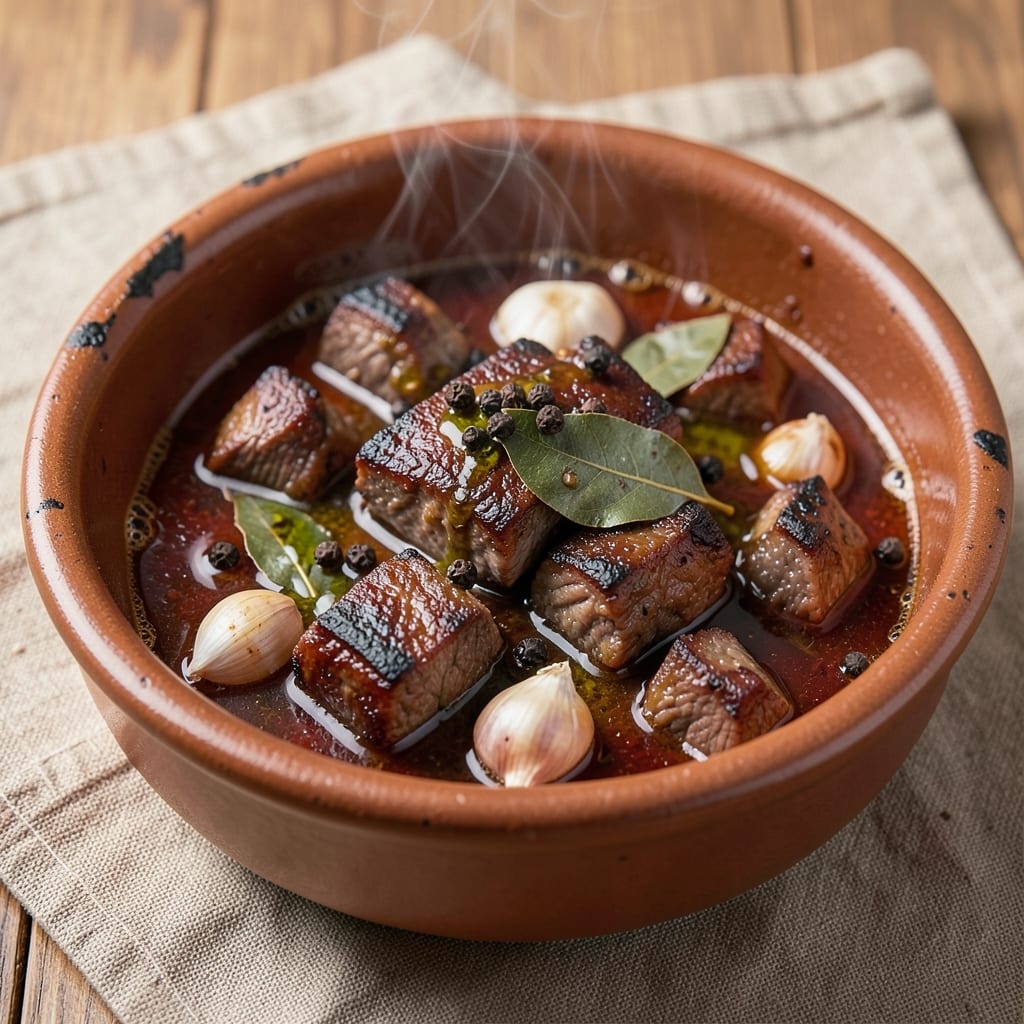
This Filipino-style beef adobo recipe delivers melt-in-your-mouth tenderness with a perfect balance of tangy vinegar and savory soy sauce. The secret lies in marinating the beef overnight, allowing the flavors to deeply penetrate before slow braising transforms tough cuts into fork-tender perfection. Every bite combines rich umami, bright acidity, and aromatic garlic—just like your favorite lola's version.
The process starts with a simple marinade of soy sauce, vinegar, garlic, and bay leaves, which tenderizes the beef while infusing it with complex flavors. Unlike quick braises, this method requires patience—low and slow cooking ensures the meat becomes so tender it practically falls apart. The result? A dish that's equally impressive for family dinners or special occasions, with that signature Filipino adobo taste you crave.
What makes this recipe special is how the flavors develop—starting with a bright, tangy broth that mellows into a rich, caramelized sauce as it simmers. The vinegar cuts through the richness while the soy adds depth, creating a balance that's both comforting and exciting. Serve it over steamed rice to soak up every last drop of that flavorful sauce, or pair it with atchara for a classic Filipino combination.
This traditional approach delivers restaurant-quality results at home, with minimal prep and maximum flavor. The key is letting the beef cook until it's fork-tender, not just barely done. Once you try this method, you'll never settle for anything less than homemade adobo again.
Ingredients for beef adobo recipe filipino style
Pantry staples plus a few specialty finds for that authentic Filipino tang and depth.
| Ingredient | Amount | Notes |
|---|---|---|
| Beef Chuck Roast 🥩 | 2 lb | Cut into 2-inch cubes |
| Cane Vinegar 🍶 | 1 cup | White vinegar substitute |
| Soy Sauce 🥄 | ¾ cup | Light or dark variety |
| Garlic Cloves 🧄 | 8 cloves | Smashed, not minced |
| Bay Leaves 🍃 | 2 whole | Fresh or dried |
| Olive Oil 🫒 | ¼ cup | For searing beef |
| Brown Sugar 🍬 | ½ cup | Light or dark |
| Black Peppercorns 🌶️ | 1 tsp | Crushed lightly |
| Salt 🧂 | 1 ½ tsp | Kosher or sea salt |
| Water 💧 | 1 ½ cups | For braising liquid |
| Onion 🧅 | 1 whole | Yellow, sliced |
| Green Bell Pepper 🌶️ | 1 whole | Sliced, optional |
| Fresh Thyme 🌿 | ¼ cup | Stems removed |
| Jasmine Rice 🍚 | 2 cups | Uncooked, for serving |
The beef is everything here. Chuck roast is the gold standard—it's tough enough to need the long braise but breaks down into melt-in-your-mouth pieces. Grab the pre-cut 2-inch cubes from the meat section to save time, or ask your butcher to do it for you. For vinegar, Filipino cane vinegar is ideal, but white vinegar works in a pinch. The soy sauce? Light or dark—your call, but avoid low-sodium since we're building flavor. Bay leaves add that classic adobo aroma, so don't skip them. I always double-check my spice rack for fresh bay leaves—they should smell piney, not musty.
No cane vinegar? White vinegar or apple cider vinegar are perfect substitutes. The garlic can be roasted ahead for a sweeter flavor—just toss whole cloves with oil and bake at 400°F for 15 minutes. For a deeper color, add 1 tbsp molasses or caramelized sugar to the braising liquid. The bell pepper is optional but adds a nice crunch. Fresh thyme is ideal, but dried at half the amount works if you're in a hurry. Pro tip: Save the braising liquid—it's amazing over rice or even as a dipping sauce for spring rolls.
This dish tastes even better the next day once the flavors meld. Store leftovers in the fridge for 4-5 days, or freeze for 3 months in portions. The rice? Cook it fresh for serving—jasmine or long-grain both work beautifully. For a restaurant-style presentation, serve the beef over rice with a side of the braising sauce spooned on top. The sauce thickens as it cools, so a splash of water or vinegar brings it back to perfection when reheating.
Why You'll Love This Recipe
- Simmering Magic: I swear by the slow cooker method—just dump in the beef, vinegar, soy sauce, and garlic, then let it melt into tender perfection while I handle the rest of dinner. No hovering, no stress, just rich flavors developing on their own.
- Umami Bomb: That balance of tangy vinegar and salty soy sauce? It’s ridiculously good—especially when the beef gets fork-tender and the sauce clings like a flavor hug. Honestly, the first bite makes me close my eyes.
- Meal Prep MVP: Between us, this is my go-to for busy weeks. The leftovers taste even better the next day, and it reheats like a dream—perfect for lunches or feeding unexpected guests. (Yes, even on a Tuesday night.)
- Budget Hero: A chuck roast stretches forever, and the other ingredients? Pantry staples. I’ve made this for $12 and fed six people—no fancy cuts, no wasted money, just pure satisfaction in every bite.
Step-by-step instructions for beef adobo Filipino style
Here's how to create that signature Filipino soy-vinegar braise with melt-in-your-mouth beef.
Sear the Beef for Deep Flavor
Heat the 0.25 cup olive oil in a large Dutch oven over medium-high heat until shimmering. Working in batches, add the 2 lb beef chuck roast cut into 2-inch cubes, letting them brown undisturbed for 2-3 minutes per side until deeply golden. This searing creates the Maillard reaction that builds rich, caramelized flavors.
Don't overcrowd the pan—if needed, work in two batches. The beef should release easily from the pan when ready to flip. Transfer the browned beef to a plate as you go, leaving all that beautiful browned fond in the pot. This fond will dissolve into the sauce later, adding layers of depth to your adobo.
Build the Braising Liquid
In the same Dutch oven, add the 1 whole sliced onion and 1 whole sliced green bell pepper (if using). Cook for 3-4 minutes until softened and just beginning to caramelize. Add the 8 smashed garlic cloves and cook for 30 seconds until fragrant—don't let them burn, as this gives bitterness.
Pour in the 1 cup cane vinegar and let it bubble vigorously for 2 minutes, scraping up any browned bits from the bottom. Add the 0.75 cup soy sauce, 0.5 cup brown sugar, 1.5 tsp salt, and 1 tsp crushed black peppercorns. Stir well to combine all ingredients into a smooth mixture. The vinegar will initially smell strong, but it mellows beautifully as it cooks.
Braise Until Fork-Tender
Return the seared beef to the pot along with the 2 whole bay leaves and 0.25 cup fresh thyme. Pour in 1.5 cups water, then bring everything to a gentle simmer. Cover and transfer to a 350°F oven for 2 hours. This slow cooking transforms the tough chuck roast into fork-tender beef that practically falls apart.
Every 30 minutes, stir the beef and check the liquid level. If it's reduced too much, add 2-3 tablespoons water to maintain adequate braising liquid. The beef is done when it easily pulls apart with two forks and the sauce has thickened into a glossy, dark brown reduction. The aroma should be irresistible—sweet, tangy, and deeply savory.
Finish and Serve
Remove the beef from the pot and strain the cooking liquid through a fine-mesh sieve into a clean saucepan. Discard the bay leaves and thyme stems. Return the sauce to medium heat and simmer uncovered for 5-7 minutes until it thickens slightly and coats the back of a spoon. Taste and adjust seasoning if needed—you might want to add a splash more soy sauce for saltiness or a touch of vinegar for tang.
Slice the beef against the grain into ½-inch thick pieces and serve over 2 cups cooked jasmine rice, ladling the rich adobo sauce generously over the top. The combination of tender beef, sweet-savory sauce, and fragrant rice creates a perfect balance of flavors that defines Filipino comfort food. Serve immediately while piping hot for the best experience.
Pro Tips For Making Beef Adobo Recipe Filipino Style
- SEAR THE BEEF FIRST: That chuck roast needs a deep brown crust before the vinegar bath—skip this, and you’ll end up with mushy meat. Hit the pan with medium-high heat and let it sit undisturbed for 3-4 minutes per side until it’s golden, even if it’s not fully cooked through. I learned this the hard way after serving tough, pale beef that tasted more like stew than adobo.
- USE STALE CANE VINEGAR: Fresh cane vinegar is sharp and overpowering—your adobo will taste like a punch to the face. Let it sit open in the fridge for 2-3 days first, or mix equal parts vinegar and water to mellow it out. My grandmother swore by this, and she was right: the flavor mellows into something rich, not harsh.
- DON’T BOIL THE GARLIC: Tossing whole garlic cloves into simmering vinegar turns them bitter and slimy. Smash them first with the flat side of your knife, then let them cook gently in the sauce—just until fragrant, not browned. After burning three batches of garlic-tasting adobo, I finally figured out that patience here makes a real difference.
- SIMMER LOW AND LONG: This isn’t a race. After the initial sear and vinegar deglaze, drop the heat to a bare simmer and let it cook uncovered for at least 2.5 hours. The sauce should reduce to a glossy, syrupy consistency—any faster, and you’ll end up with a thin, tangy soup instead of the sticky, caramelized goodness you want. I know, I know, but trust the process.
Best sauces and condiments for this dish
Classic Adobo Sauce
This is the heart of your dish—the Filipino adobo sauce—where 1 cup cane vinegar and ¾ cup soy sauce create the signature tangy-savory balance. The vinegar cuts through the richness while the soy adds umami depth. I like to use Filipino cane vinegar for authenticity, but white vinegar works in a pinch. For extra richness, add ½ cup brown sugar to caramelize the sauce naturally as it simmers. 🍶
Garlic-Infused Oil
For an extra layer of flavor, infuse ¼ cup olive oil with 8 smashed garlic cloves and 1 tsp black peppercorns before using it to sear the beef. Simmer the oil with garlic on low heat for 5 minutes to avoid burning, then strain. This aromatic oil adds a fragrant depth that elevates every bite. Store any leftover infused oil in an airtight container for up to 1 week—it’s perfect for drizzling over rice or tossing with veggies. 🧄
Sweet-Savory Glaze
For a glossy finish, reduce the braising liquid by simmering it uncovered for 5-7 minutes until it coats the back of a spoon. If the sauce thickens too much, add 1-2 tablespoons water to loosen it. Taste and adjust with extra soy sauce for saltiness or vinegar for tang. This glaze is what makes the dish shine—it’s the perfect balance of sweet, salty, and tangy flavors that define Filipino adobo. 🍯
Pickled Vegetable Pairing
Serve your adobo with atchara (pickled papaya) or pickled carrots to cut through the richness. Thinly slice 1 green papaya or 2 carrots, then soak in a mixture of ½ cup vinegar, 1 tbsp sugar, and ½ tsp salt for at least 30 minutes. This classic pairing adds a refreshing crunch and bright acidity that complements the beef beautifully. 🥒
Spicy Kick Option
For heat lovers, add 1-2 tbsp sliced siling labuyo (Filipino chili) or ½ tsp cayenne pepper to the braising liquid. The chili’s fruity heat balances the tangy-savory sauce perfectly. If you can’t find siling labuyo, fresh jalapeños work well. Stir in during the final 5 minutes of simmering to preserve the heat. 🌶️
Leftovers Sauce Boost
Reheat leftover adobo sauce by simmering it with 1-2 tablespoons water or vinegar to restore its glossy texture. If the sauce has separated, whisk in 1 tsp cornstarch mixed with 1 tbsp water to thicken it back up. The flavors actually improve overnight as the spices meld together, making this dish even better the next day. Store leftovers in an airtight container for up to 5 days. ✨
Nutrition facts
Frequently asked questions
Can I use a quicker cooking method for beef adobo?
While traditional adobo benefits from slow braising, you can speed it up by using tender cuts like sirloin or ribeye instead of chuck roast. Sear the beef first, then cook on the stovetop with the sauce at medium-low heat for 1.5-2 hours instead of oven-braising. For even faster results, use a pressure cooker (30 minutes on high pressure), but expect slightly less caramelized sauce.
What makes Filipino-style adobo different from Spanish adobo?
Filipino adobo uses vinegar and soy sauce as its core flavors, creating a tangy-savory balance, while Spanish adobo is a dry marinade of salt, vinegar, and spices. Filipino versions also include garlic, brown sugar, and aromatics like bay leaves for depth. The cooking method differs too—Filipino adobo is typically braised until tender, while Spanish adobo is often used as a marinade before grilling or frying.
Can I make adobo without vinegar?
Yes, but the dish will lose its signature tang. Substitute with lemon juice or lime juice (1 cup total) for brightness, or use 1 tbsp apple cider vinegar + 1 tbsp citrus juice for a milder version. For umami depth, add 1 tbsp fish sauce or Worcestershire sauce to compensate for the missing acidity. The texture will be less glossy, but still delicious.
Why did my adobo sauce turn cloudy?
Cloudiness usually means the sauce separated due to rapid temperature changes or insufficient reduction. To fix it, whisk in 1 tsp cornstarch mixed with 1 tbsp water while simmering for 2-3 minutes until clear. For prevention, always reduce the sauce gradually over medium-low heat and avoid adding cold liquids to hot sauce. The sauce should coat the back of a spoon when properly reduced.
What's the best way to reheat leftover adobo?
Reheat in a saucepan over medium-low heat with 1-2 tablespoons water or vinegar to restore moisture and gloss. For beef, warm it separately in the microwave for 1-2 minutes with a splash of sauce to prevent drying. Never reheat in the oven—it can make the sauce too thick. The flavors actually improve after resting overnight, so leftovers often taste even better!