
Main Courses
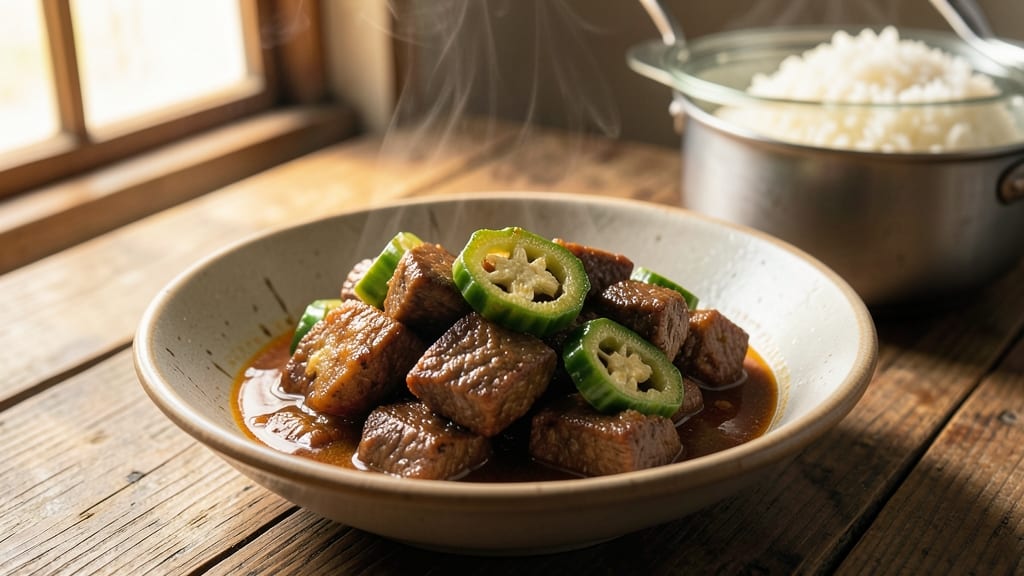
This panlasang Pinoy beef ampalaya recipe brings the soul of Filipino home cooking to your table with tender beef, crispy squash, and a sauce that balances sour, salty, and sweet in every bite. I remember the first time I tasted this dish—my abuela's version—where the squash would get perfectly crispy edges while staying tender inside, all blanketed in a rich, slightly tangy sauce. That's the magic we're recreating here, with a method that delivers restaurant-quality results at home.
The key to this dish lies in the preparation: searing the beef until deeply browned to build flavor, then braising it low and slow until it's fork-tender. Meanwhile, the ampalaya (bitter melon) gets a quick fry to remove bitterness before it's simmered until just tender—never mushy. This technique transforms a humble vegetable into the star of the dish, with that satisfying crispy texture that makes every bite irresistible.
What you'll end up with is a hearty stew that's equal parts comforting and vibrant—perfect for a family dinner or a special occasion. The beef falls apart easily, the squash has that perfect crispy edge, and the sauce is just tangy enough to cut through the richness. It's the kind of dish that tastes even better the next day, as the flavors meld and deepen.
Serve it with steamed rice to soak up every last drop of that flavorful sauce, or pair it with atchara for a bright, pickled contrast. This recipe is designed to be your go-to Filipino comfort dish, bringing a taste of home to your kitchen with minimal fuss but maximum flavor. Let's get cooking!
Ingredients for beef ampalaya recipe panlasang pinoy
Just 13 ingredients transform into the heart of Filipino home cooking—crispy ampalaya and tender beef in a tangy embrace.
| Ingredient | Amount | Notes |
|---|---|---|
| Chuck Roast 🥩 | 1 ½ lb | Cut into 1-inch cubes |
| Ampalaya (Bitter Melon) 🥒 | 2 medium | Peeled, sliced into 1-inch pieces |
| Onions 🧅 | 1 whole | Thinly sliced, yellow or red |
| Garlic Cloves 🧄 | 6 cloves | Minced, fresh preferred |
| Tomatoes 🍅 | 2 medium | Diced, ripe but firm |
| Soy Sauce 🍶 | ⅓ cup | Light or regular, not low-sodium |
| Calamansi or Lemon Juice 🍋 | ¼ cup | Freshly squeezed, calamansi preferred |
| Sugar 🍚 | 2 tbsp | White granulated |
| Cooking Oil 🫒 | ½ cup | Vegetable or canola |
| Salt 🧂 | 1 tsp | Kosher or sea salt |
| Black Pepper 🌶️ | ½ tsp | Freshly ground |
| Bay Leaf 🌿 | 2 whole | Dried, for aroma |
| Fish Sauce 🐟 | 1 tbsp | Red Boat preferred |
The beef is everything here. Chuck roast gives you that perfect fall-apart texture, but sirloin or round steak works in a pinch if you're short on time. Filipino markets often carry pre-cut beef for ampalaya, but the regular supermarket section has it too—just ask for chuck roast. Ampalaya can be tricky to find outside Filipino stores, but Asian grocery chains like 99 Ranch or H Mart usually stock it. If you can't find it, bitter gourd from a Latin market is a close substitute, though the flavor will be milder. The key is to slice it thinly—about 1/4-inch thick—and blanch it for 30 seconds in boiling water to remove some bitterness before adding to the pot.
No calamansi? Lime or lemon juice works, but you'll need about twice as much to get that bright, tangy kick. The soy sauce is non-negotiable for that umami depth, but coconut aminos can replace it in a squeeze. Sugar might sound odd, but it balances the bitterness beautifully—brown sugar works too, though white granulated is more common in Filipino cooking. Fish sauce adds that signature depth, but if you're avoiding it, a splash of Worcestershire sauce gets you close. The tomatoes can be swapped for tomato paste (1 tbsp)—it's more concentrated, so adjust the sugar slightly if needed. Fresh bay leaves are ideal, but dried are fine too—just use half the amount.
This dish tastes even better the next day—honestly, the flavors meld into something magical. Store leftovers in an airtight container in the fridge for up to 5 days. I like to portion mine into containers so lunches are ready to grab. Freezes beautifully for 3 months if you want to make a big batch. The ampalaya gets softer with time, so if you're serving it fresh, hold off on reheating until just before serving to keep those crispy edges. Serve over steamed rice—jasmine rice is traditional, but any long-grain white rice works.
Why You'll Love This Recipe
- One-Pot Magic: I swear by this recipe when I’m too tired to scrub pots—just brown the chuck roast, toss in the sliced ampalaya and tomatoes, and let the garlic and onions work their flavor spell. The bitter melon softens right in the sauce, so no extra prep.
- Tender Beef, Sweet Bite: That slow-cooked chuck roast falls apart at the touch of a fork, while the ampalaya adds a surprising depth—slightly bitter but balanced by the caramelized tomatoes. Honestly, the first bite makes me forget it’s a "healthy" dish.
- Lunchbox Hero: Between us, this reheats like a dream. Pack it for work, and it’ll still taste fresh hours later—no sad, mushy leftovers here. My kids actually ask for it in their lunches, and that’s saying something.
- Budget Stretch: A single chuck roast feeds my family for days, and ampalaya’s cheap at the market. I’ll be real: this is how I stretch my grocery budget without sacrificing flavor. Plus, the tomatoes add freshness for pennies.
Step-by-step instructions for beef ampalaya recipe panlasang Pinoy
Here's how to create this beloved Filipino comfort dish with tender beef and perfectly crispy bitter melon.
Prepare the Bitter Melon and Aromatics
Start by peeling the bitter melon and slicing it into 1-inch pieces. Place them in a colander and rinse under cold water to remove any lingering bitterness. Pat them completely dry with paper towels—this step is crucial for achieving those crispy edges we're after. While they're drying, thinly slice the onion and mince the 6 cloves garlic.
Dice the 2 medium tomatoes into small pieces, removing any seeds. The onions, garlic, and tomatoes will form the flavor base for your dish, so take your time with this prep. I like to keep the tomato pieces uniform in size so they cook evenly alongside the beef and bitter melon.
Sear the Beef for Maximum Flavor
Heat 0.25 cup of the cooking oil in a large skillet over medium-high heat until shimmering. Add the 1.5 lb chuck roast cubes in a single layer, being careful not to overcrowd the pan. Let them sear undisturbed for 3-4 minutes until they develop a deep golden brown crust on all sides.
This initial searing creates the rich, caramelized foundation for your dish. Once browned, remove the beef from the pan and set it aside. In the same pan, add the remaining 0.25 cup cooking oil and sauté the onions until translucent, about 3 minutes. Add the garlic and cook for just 30 seconds—don't let it brown or it'll turn bitter.
Build the Savory Base
Return the seared beef to the pan along with the sliced bitter melon, tomatoes, 2 whole bay leaf, 1 tsp salt, and 0.5 tsp black pepper. Stir everything together and let it cook for 5 minutes on medium heat. The bitter melon should start to soften slightly while maintaining some crispness.
Add the 0.33 cup soy sauce, 0.25 cup calamansi or lemon juice, 2 tbsp sugar, and 1 tbsp fish sauce. The sugar helps balance the bitterness of the bitter melon while the fish sauce adds that signature umami depth. Stir well to combine all ingredients, then reduce the heat to medium-low and let the mixture simmer uncovered for 20 minutes.
Achieve the Perfect Texture
After 20 minutes of simmering, the beef should be tender and the bitter melon should have softened but still retain some crispness at the edges. If the bitter melon is too soft, increase the heat slightly and cook for an additional 5 minutes to concentrate the flavors and achieve that perfect bite.
The sauce should be thick enough to coat the back of a spoon but still have a slight sheen. If it's too thin, continue simmering uncovered for another 5-10 minutes to reduce it to your desired consistency. The key is finding that balance between tender beef and crispy bitter melon pieces.
Final Adjustments and Serving
Once the beef is fork-tender and the bitter melon has reached your preferred texture, give the dish a final taste. Adjust the seasoning if needed—you might want to add a touch more sugar to balance any lingering bitterness or a splash more calamansi juice for brightness.
Serve the beef ampalaya hot, straight from the pan. The combination of tender beef, slightly crispy bitter melon, and that rich, savory sauce makes this dish incredibly comforting. I like to pair it with steamed rice to soak up every last bit of that delicious sauce.
Pro Tips For Making Beef Ampalaya Recipe Panlasang Pinoy
- Sear the Chuck Roast First: The beef won’t melt in your mouth if it’s just simmered—give it a 3-4 minute head start in a screaming-hot pan with oil until it’s deep brown on all sides. I learned this the hard way when mine turned out chewy; that crust locks in flavor and keeps the meat tender through hours of cooking.
- Peel and Slice Ampalaya Thinly: Skip the thick chunks—ampalaya needs to soften fast and absorb the sauce. Cut it paper-thin (1/8-inch slices) and soak in cold water for 10 minutes to mellow the bitterness. Trust me, your taste buds will notice the difference.
- Deglaze with Tomato Paste: After browning the onions and garlic, splash in 1 tablespoon of tomato paste before adding the beef broth. It thickens the sauce faster and gives that rich, caramelized depth you see in restaurant versions. (Yes, even if you’re impatient like me—just stir it in.)
- Simmer Low and Slow: This isn’t a fast dish—cover the pot and let it bubble gently at 180°F (70°C) for 2.5–3 hours. I used to rush it, but the beef stays fork-tender and the ampalaya absorbs the sauce perfectly. No peeking, or you’ll ruin the steam buildup.
Perfect pairings for this dish
Rice Pairings
Steamed jasmine rice is the traditional choice for beef ampalaya, its delicate floral aroma complementing the dish's rich, savory sauce. I always make a big batch—about 2 cups uncooked rice per serving—because the beef and sauce soak up every grain. For extra flavor, cook the rice with a bay leaf and a pinch of salt for the first 10 minutes of cooking, then remove it before finishing. 💛
Pickled Sides
Filipino atchara (pickled papaya) adds a bright, tangy contrast to the hearty beef ampalaya. Look for it in Asian grocery stores or make your own by thinly slicing green papaya, soaking in vinegar, sugar, and salt for 24 hours. Serve a small bowl on the side—just 2 tbsp per person—to cut through the richness. The acidity balances the dish beautifully.
Crispy Garnishes
Add texture with garlic fried rice or crispy lechon kawali (pork cracklings). I love scattering 1-2 tbsp of lechon kawali over the dish right before serving—they add a satisfying crunch and a salty depth. For a vegetarian option, toast 1 tbsp sesame seeds in a dry pan until golden and sprinkle on top for a nutty finish.
Drink Pairings
A cold calamansi soda or sugarcane juice refreshes the palate between bites. For something stronger, a San Miguel beer (Filipino lager) pairs perfectly with the dish's savory-sweet balance. If you prefer wine, a dry Riesling with its crisp acidity mirrors the calamansi's brightness and keeps the meal light. 🍷
Extra Sauce
Save any leftover sauce to drizzle over rice or use as a quick dip for extra bites. I like to reheat it in a small pot with 1 tbsp water to loosen it, then adjust seasoning with a pinch of salt or a splash of calamansi juice. This works as a marinade for quick stir-fries or even as a flavorful broth base.
Nutrition facts
Frequently asked questions
Why does my ampalaya turn mushy instead of crispy?
Overcooking is the usual culprit! Ampalaya should cook just until tender with slight crispness—about 20-25 minutes total. Start checking at 15 minutes and remove any pieces that soften too quickly. Also, never overcrowd the pan when frying the squash slices initially—keep them in a single layer for even browning.
Can I substitute bitter melon if I can't find ampalaya?
Use bitter gourd from Latin markets or zucchini as a milder alternative. For bitter gourd, slice thinner (1/4-inch) and blanch 30 seconds first to reduce bitterness. Zucchini needs 10 minutes less cooking time—add it last to maintain texture. The sauce flavors will still shine!
What's the secret to balancing the flavors right?
The magic is in the 3-way balance: sour (calamansi), sweet (sugar), and umami (fish sauce/soy). Start with the recipe measurements, then taste and adjust—add 1 tsp sugar to reduce bitterness or 1 tbsp calamansi juice for more tang. The sauce should taste complex, not one-note.
How do I make this dish ahead of time?
This recipe actually improves overnight! Store in an airtight container for up to 5 days in the fridge. Reheat gently on low heat with 1 tbsp water to prevent drying. For freezing, portion into containers and freeze for 3 months. Thaw in the fridge overnight—never microwave directly from frozen.
What's the best cut of beef for this recipe?
Chuck roast is ideal for its rich flavor and tenderness when braised, but sirloin or round steak work in a pinch. Cut into 1-inch cubes and sear until deeply browned—this builds the deep, caramelized base. For extra tenderness, marinate the beef for 30 minutes in 1 tbsp soy sauce + 1 tbsp calamansi juice before cooking.